








Introduction:Want to explore the unique charm of Peruvian coffee? This article delves into Peru’s terroir as one of the world’s top ten coffee-producing countries—from regional differences across the northern, central, and southern zones to the application of washed, natural, and anaerobic processing methods. It also details the pour over extraction parameters and French press brewing steps ideal for Geisha varieties, helping you master this smooth, richly fruity specialty coffee bean.
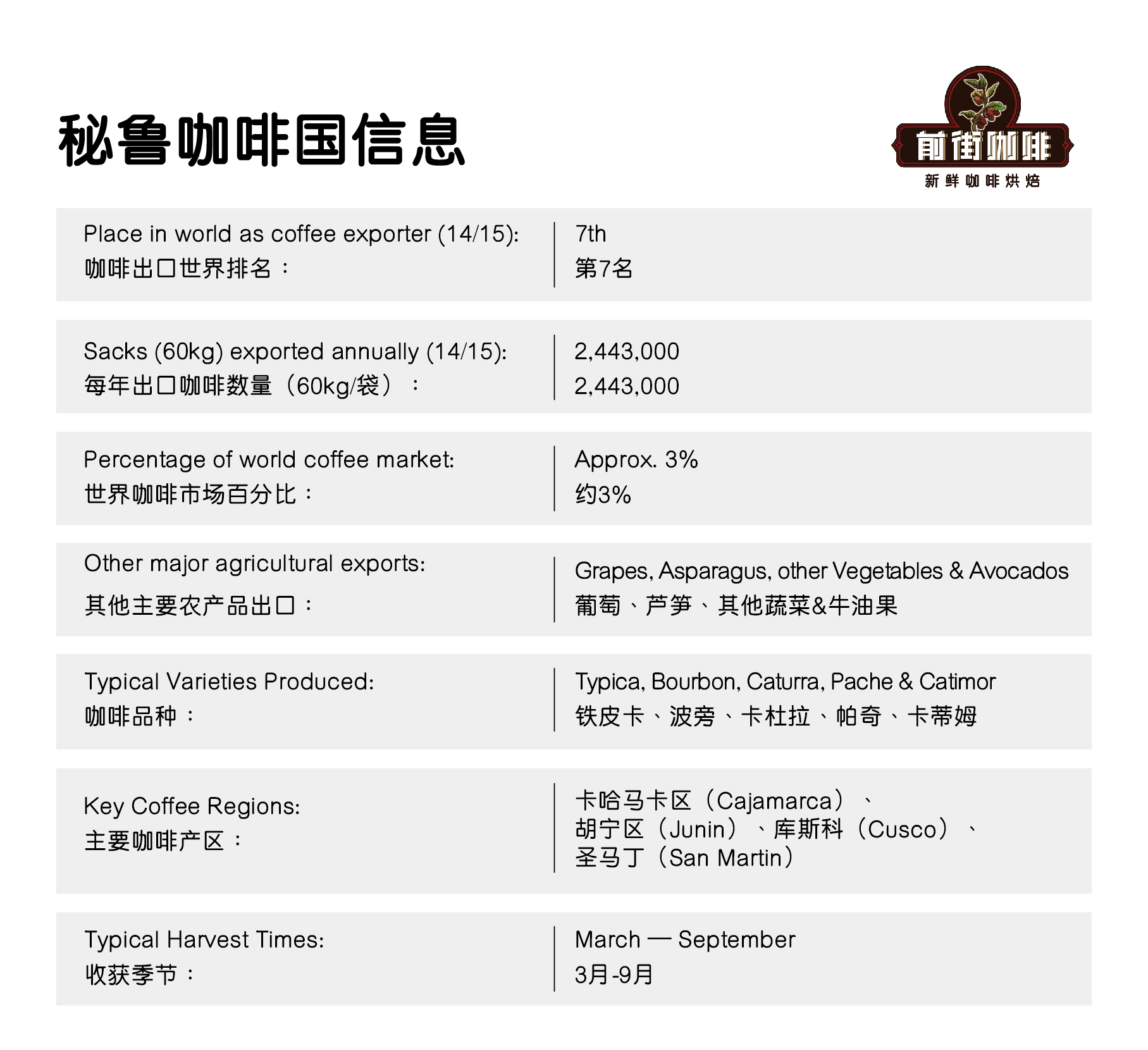
Peru is the world’s eleventh-largest coffee producer, with ten distinctly styled regions. Its coffee is gaining international recognition for its clean, soft profile, pronounced sweetness, and medium-to-high body. In recent years, industry observers have noted that Peruvian coffee is no longer confined to its previously mild character but increasingly showcases juicy freshness and rich complexity, making it a must-try for coffee enthusiasts.
[The Current State and Challenges of Peruvian Coffee]
Peruvian coffee is primarily grown by smallholders, with each farm averaging less than two hectares and annual yields of about 3,000 pounds per hectare. Long-term organic farming practices, coupled with the recent ravages of leaf rust due to climate change, once led to severe production declines. However, high-altitude cultivation and shaded environments result in denser beans, and the dominance of Arabica varieties ensures rich flavor potential. Among these, Chanchamayo in the central eastern Andes is the highest-altitude and most significant producing region, while Amazonas, San Martin, and Cusco in the northern and southern zones each offer unique characteristics.
[The History and Characteristics of Peruvian Coffee]
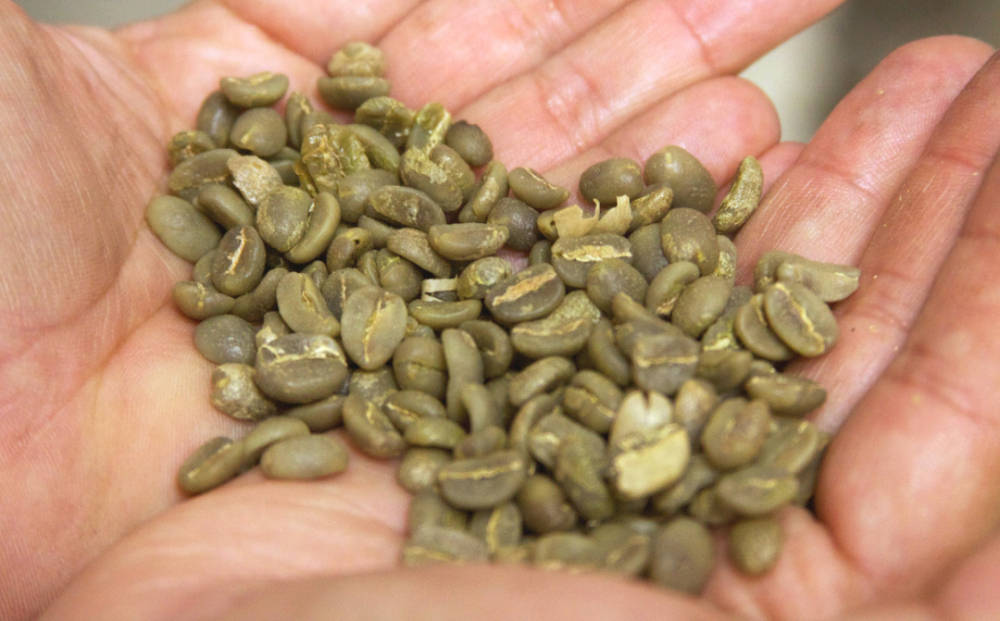
Peru was home to ancient American civilizations, including the Norte Chico and the Inca Empire, but later became a Spanish colony. Its coffee industry only began to recover in the mid-1990s. Due to historical factors, many traditional Typica varieties are preserved locally, with shade-grown cultivation and washed processing being common. The absence of synthetic fertilizers has fostered a large volume of organic coffee production. Today, Peru is the world’s fourth-largest exporter of Arabica coffee, with beans often displaying deep green to blue-green hues, intense aroma, and a soft, layered acidity.
[Diverse Terroirs: An Analysis of Northern, Central, and Southern Regions]
Over 90% of Peru’s coffee is grown in northern valleys, areas east of the capital Lima, and the foothill forests of the Andes, creating a unique flavor profile with bright acidity and smooth mouthfeel. The north accounts for 43% of national cultivation, encompassing Amazonas, Cajamarca, Piura, and San Martin, at elevations between 1,250–1,950 meters. With a dry climate and ~12% humidity, key varieties include Typica and Caturra. These coffees exhibit high acidity, intense aroma, and moderate body, some with chocolate and nutty notes. Cajamarca, in particular, benefits from equatorial climate and fertile soil, with most producers organized as smallholder groups receiving technical support from institutions like CENFROCAFE. The harvest season runs from March to September.
The central region accounts for 34%, including Huánuco, Junín, Pasco, and Ucayali, at elevations of 800–1,200 meters and humidity levels of 11%–12.5%. Beans tend toward gray-green, with main varieties such as Bourbon and Typica. Junín, contributing about 20%–25% of national output, has recovered from past instability and disease outbreaks. Its coffee is known for balanced acidity, light aroma, and smooth body—ideal for those who prefer milder flavors.
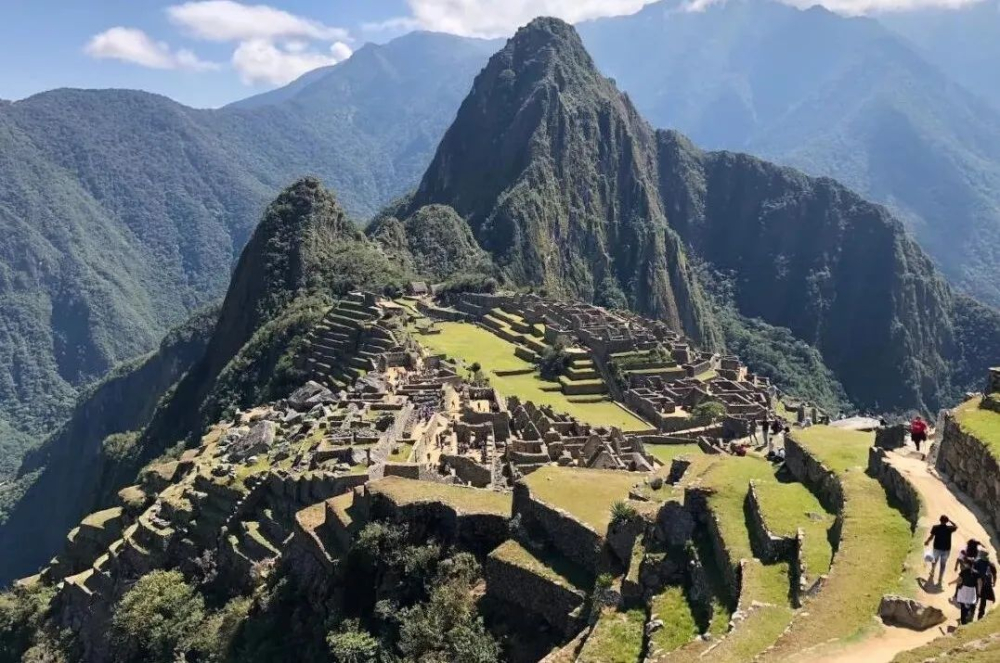
The southern region makes up 23%, covering Apurímac, Ayacucho, and Cusco, at elevations of 900–2,050 meters and humidity of 11.5%–12.5%. Beans are often gray-green to blue-green, with diverse varieties. Cusco, dominated by smallholder farming and home to the tourist hotspot Machu Picchu, grows Bourbon, Typica, and Caturra. The harvest season also spans March to September, with flavors characterized by gentle acidity and subtle nutty undertones.
[Classification System and Processing Methods]
Peruvian coffee is classified by altitude into SHG (Strictly High Grown, above 1,350 meters), SG (High Grown, 1,200–1,350 meters), and SC (Standard). Higher altitudes yield denser beans with more intense flavors. Washed processing dominates, though natural options exist. Some farms collaborating with Vela Ethan employ innovative techniques like red honey, double anaerobic fermentation + washed, or anaerobic + natural—for example, double anaerobic fermentation + washed involves 14 hours of sealed fermentation, a second 24-hour fermentation, followed by washing, drying, and hulling. Fermentation temperatures are controlled at 18–22°C, with drying maintained at 30–35°C.
[Roasting and Pour Over Recommendations]
Experts suggest that Peruvian coffee’s rich aroma, smooth texture, and layered profile suit medium-dark roasting to fully highlight its sweetness and gentle acidity. For pour over, if using Geisha, a French press is recommended: use 20 grams of beans, grind with a BG grinder set to 6M (equivalent to a #20 sieve, 70–75% extraction rate), with a 1:15 coffee-to-water ratio. Water temperature should be 86–88°C. Preheat the French press, discard the hot water, add coffee grounds, pour hot water, and stir gently to ensure even saturation. After three minutes, slowly press down to enjoy a balanced, fruit-forward Peruvian coffee.
By understanding regional differences, processing methods, and precise extraction parameters, you’ll gain a deeper appreciation for the unique charm of Peruvian coffee. Whether for daily enjoyment or exploring the world of specialty coffee, this Andean gem is well worth savoring.
The above content is compiled by CoffeeHunters, a coffee news website.


