







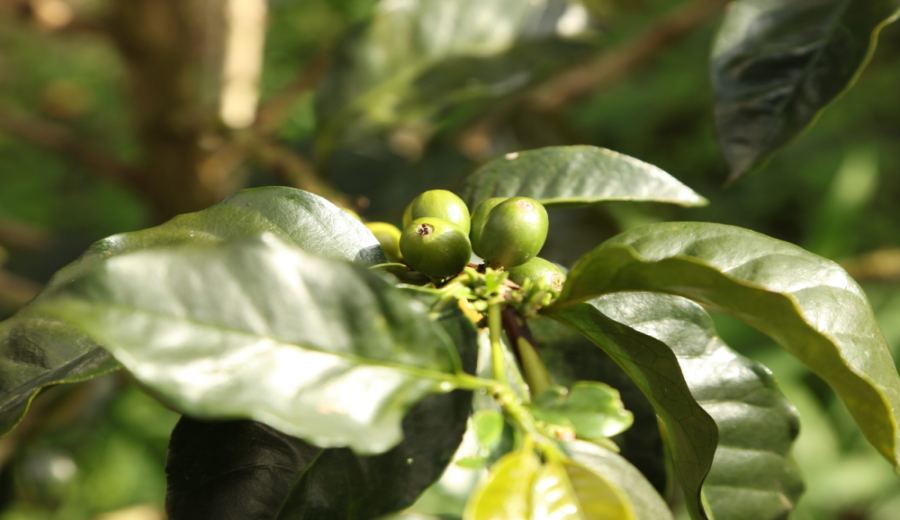
Introduction:Colombia is a globally renowned producer of Arabica coffee, where its diverse microclimates and terrains give rise to a rich variety of coffee flavors. This article delves into the geographical background and provides an in-depth analysis of the characteristics of well-known regions such as Rose Valley, Huila, Moonflower Night, and Sakura. It explores their processing methods and unique flavor profiles, along with practical pour over parameters and flavor experience descriptions, to help readers more accurately select and brew their desired strawberry and berry-toned coffee beans.
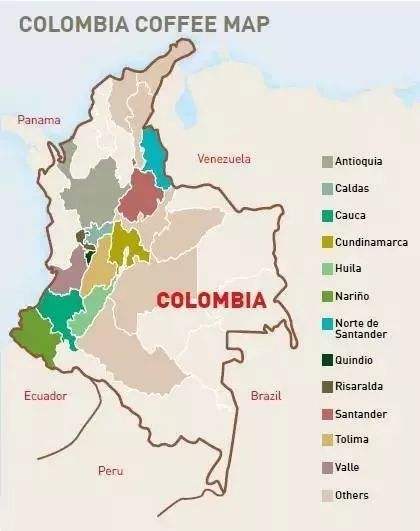
Colombian coffee is known for its balanced and smooth taste, bright acidity, and nuanced layers, holding an important position in the global specialty coffee market. The country’s coffee-growing regions are primarily located along the Andes Mountains and can be divided into three major zones based on geographical conditions: northern, central, and southern. These include six representative origins: Antioquia, Santander, Cauca, Huila, Nariño, and Tolima. Each region, due to differences in altitude, microclimate, and processing methods, imparts distinctly unique flavor expressions to its coffee beans.
Many coffee enthusiasts, upon first encountering Colombian flavors, are often drawn to beans that exude sweet aromas of roses and peaches—this is the 'Rose Valley' coffee from Finca El Granja in the Santander region. In addition to showcasing elegant floral notes, this coffee also presents a distinct strawberry character, coupled with a long-lasting aftertaste of winey chocolate and creaminess, making it a dream bean for many pour over enthusiasts.
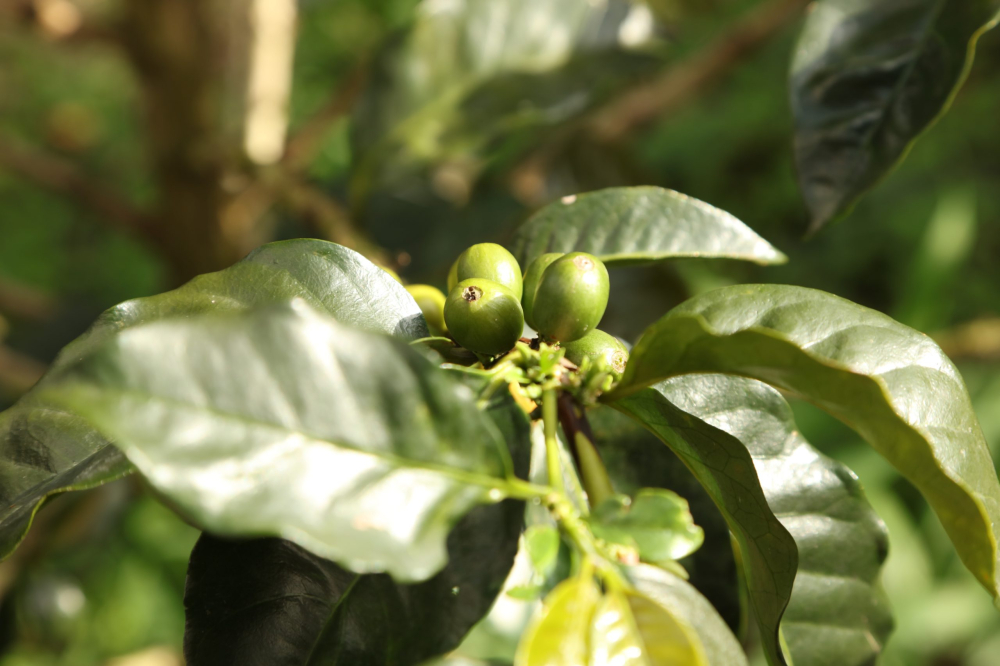
The reason Colombian coffee stands out uniquely in the international market is closely tied to its well-established Geographical Indications (GI) protection system. As early as 2004, the National Federation of Coffee Growers (FNC) successfully registered the 'Café de Colombia' GI, and introduced the iconic image of Juan Valdez, the coffee farmer, set against the majestic backdrop of the Andes Mountains—becoming a symbol of quality and origin. Today, this brand has become one of the globally recognized representations of coffee.
Colombia’s 'MAM' golden triangle—Medellín, Armenia, and Manizales—is an important region for commercial-grade beans, while coffees with greater specialty potential mostly come from the higher-altitude southern and northern mountainous areas. Among them, Huila, Cauca, and Nariño are known for their clean and bright berry tones, while one of the protagonists of this article, 'Rose Valley,' originates from the northern Santander Province. Though less famous than the southern regions, it boasts stable production capacity and a unique shaded cultivation environment.
Finca El Granja, the origin of Rose Valley coffee, has over twenty years of cultivation experience. The farm is situated at an altitude of approximately 1,700 meters, with a relatively dry climate, significant day-night temperature variations, fertile soil, and moderate shade—all of which help the coffee cherries ripen slowly and accumulate richer flavor compounds. Only fully ripe coffee cherries are handpicked during harvest, and after being washed to remove defective beans, they undergo a double anaerobic fermentation process, followed by slow drying to stabilize the flavors, resulting in its distinctive floral-fruit aromas and rich mouthfeel.
For extraction, it is recommended to use medium-light roasted Rose Valley beans to highlight their charming floral and fruity notes. A V60 dripper is suggested, with water temperature controlled at 90–91°C, grind size at around 80% through a #20 sieve, and a coffee-to-water ratio of 1:15. A coffee dose of 15 grams is advised. Begin with a 30-second bloom using twice the dose of hot water to activate aroma release; then proceed with a three-stage pour: the first pour to 125 grams, the second after the bed drops to 225 grams, with the total extraction time around 2 minutes—fully showcasing layers of rose, peach, cranberry, and chocolate.

Another representative region is Huila, located in southwestern Colombia, known for its hilly terrain and volcanic soils, abundant water sources, and pleasant climate—ideal for coffee tree cultivation. Local farms generally practice hand-picking, selecting only fully ripe coffee cherries, resulting in beans that typically exhibit clean and balanced characteristics. Huila coffee is commonly processed via the washed method, offering flavors of nuts, dark chocolate, and mild fruit acidity—making it an ideal starting point for many newcomers exploring Colombian flavors.
For those wanting to try a different processing style, consider the 'Moonflower Night' coffee from the Huila region. Produced by Finca El Edén, this bean is processed using an anaerobic natural (anaerobic sun-dried) method. The process involves fermenting the coffee cherries in sealed containers or tanks for up to 72 hours, imparting unique aromas through specific microbial activity, followed by sun drying and hulling. The final cup delivers intense strawberry jam, fermented wine notes, and chocolate undertones—with a bolder and more layered flavor profile.
Located in the southernmost part of Colombia, the Cauca region’s Paradise Estate is famed for its high altitude and stable microclimate. Surrounded by mountains, the area is shielded from Pacific moisture and monsoon influences, enjoying year-round stable weather and abundant sunshine—highly conducive to growing specialty coffee. Paradise Estate won first prize in a regional competition in 2015 and has since continued to refine its cultivation and processing techniques. Varieties planted include Bourbon, Red Bourbon, Gesha, and Castillo, among which Castillo stands out for its disease resistance and unique aroma.
The 'Sakura' coffee bean comes from the Castillo variety grown at Paradise Estate, using a double anaerobic washed process that showcases rare flavors of mugwort, chamomile, and berries. This coffee not only emits a special aroma when ground, but also delivers prominent notes of strawberry jam, spices, and complex fermented flavors after brewing. Its aftertaste is delicate and well-layered—making it an unmissable choice for coffee lovers who enjoy unique processing methods and berry-forward profiles.
Looking at the four regional coffees mentioned above, it’s clear that processing methods and altitude greatly influence flavor. The washed Huila displays a clean, balanced base of chocolate and nuts; the anaerobic enzymatic-washed Rose Valley emphasizes sweet floral-fruity notes and winey chocolate; the anaerobic natural Moonflower Night amplifies fermented wine aromas and intense berry richness; while the double anaerobic washed Sakura offers a unique expression of herbal and spicy tones. It’s recommended to adjust water temperature and grind size according to personal taste preferences to fully bring out the potential of each bean.
The above content is compiled by CoffeeHunters, a coffee news website.


