







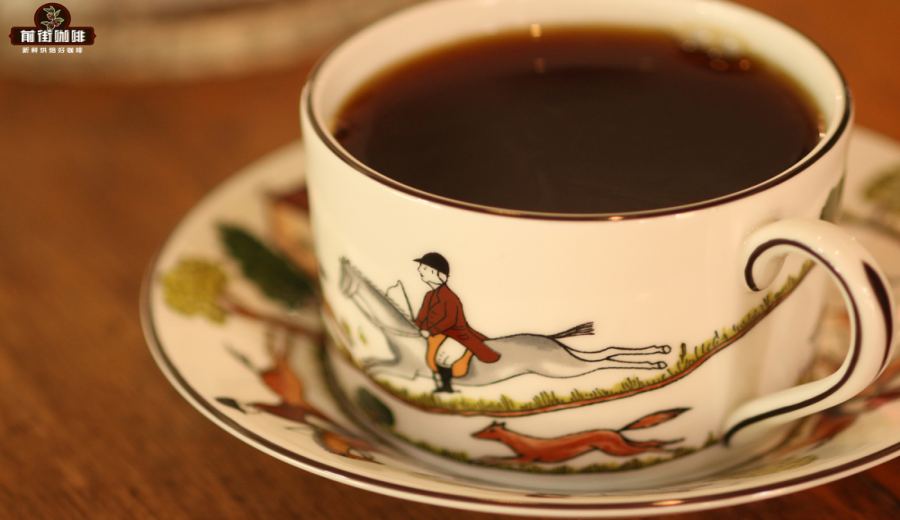
Introduction:Sumatra Mandheling is renowned for its rich and full-bodied flavor, making it a top choice for many coffee enthusiasts just starting their journey. But do you know the origin of the name "Mandheling"? This article takes an in-depth look at the main coffee varieties in Sumatra, including Typica, Timor Hybrid, Catimor, and Jember, exploring how they shape the unique flavor profile of Mandheling. Additionally, we provide selection tips and pour over parameters for Golden Mandheling to help you brew the most captivating Sumatran flavors.
Among the many coffee-growing regions, Mandheling coffee from Sumatra, Indonesia, has long been celebrated for its bold and solid mouthfeel. Its distinctive earthy and herbal aromas often leave a deep impression on first-time tasters. In some well-known specialty shops, seasoned coffee aficionados often head straight for "Golden Mandheling" — a dark roast coffee with dominant notes of nuts and chocolate that not only balances acidity with notable sweetness but also showcases the layered depth unique to Sumatran coffee.
What exactly gives Mandheling such a rich flavor? The answer can be traced back to the evolutionary history of Indonesian coffee varieties. Since the 17th century, when the Dutch introduced the Typica variety to Java and later expanded its cultivation to Sumatra, this land has become a natural testing ground for coffee varieties. Later, facing the onslaught of leaf rust disease in the 19th century, Indonesia had to introduce disease-resistant new varieties such as Timor Hybrid (Tim), Catimor, and the Indian-originated Jember variety, gradually forming the diverse coffee variety landscape seen in Sumatra today.
Let’s start with Sumatra Typica, one of the earliest Arabica varieties introduced to Indonesia. It originated in the late 17th century when the Dutch brought it from India to Java, and then gradually promoted it to Sumatra. Having adapted over time to the region’s high altitudes and volcanic soils, Typica in Sumatra exhibits low acidity, high sweetness, and unique herbal and earthy aromatic characteristics. It is mainly found in the Lake Toba and Lintong regions, with Lintong Mandheling being a classic producing area that includes this premium variety. Interestingly, locals in Sumatra rarely call it "Typica"; instead, they often use local names such as Bergendal, Sidikalang, or Rambung, which refer to the most traditional and high-quality Typica-related varieties in the region.
Timor Hybrid (Tim), on the other hand, is the result of natural crossbreeding between Typica and Robusta on the island of Timor. It boasts excellent disease resistance and relatively high yield. In Indonesia, it is commonly referred to as Tim Tim, and later gave rise to the Bor Bor lineage, which further improved yield. This variety provided an important genetic foundation for local resistance to leaf rust disease and indirectly influenced the development of many subsequent disease-resistant lineages.
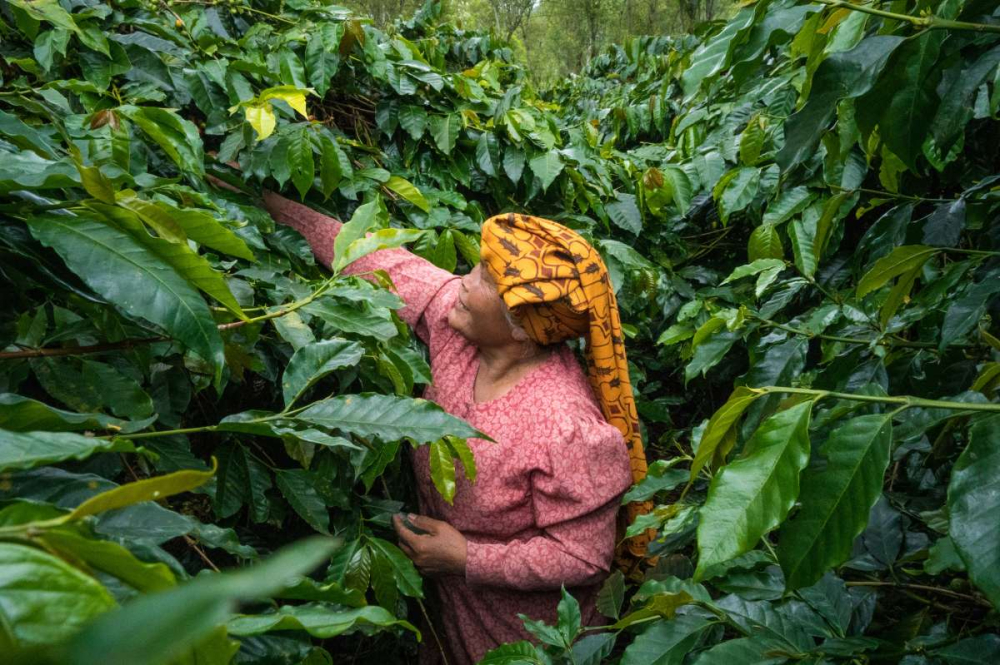
Another key variety is Catimor, which was born in 1959 when Portuguese growers brought Brazilian Caturra (an Arabica variety with Bourbon mutation genes) to East Timor and crossed it with Tim, which has Robusta lineage. Catimor not only has outstanding disease resistance but also offers nearly three times the yield of traditional Typica, leading to its rapid spread in Indonesia. Interestingly, a batch of Tim seeds introduced by the Indonesian government in the 1980s actually contained a significant number of Catimor seeds. These seeds were mainly planted in Aceh Province in northern Sumatra, where locals later called them Ateng, a name derived from Aceh Tengah (Central Aceh). Due to Ateng’s combination of Catimor’s high yield and disease resistance, along with gradually refined flavors that became more palatable, it has become one of the major cultivated varieties in many Sumatran producing areas.
Jember is the local Indonesian name for the Indian S795 variety, which was developed through a series of hybrid improvements from the S288 lineage. It features bluish-green beans and good disease resistance. Jember is primarily grown on the island of Java, promoted by the local Jember Coffee Research Center, and remains one of the important Arabica varieties in Java to this day.
Speaking of the name "Mandheling," it is not actually a coffee variety but rather a historical misunderstanding. Legend has it that during World War II, a Japanese soldier drank an unforgettable coffee at an Indonesian café and asked the shop owner for the coffee’s name. Mistaking the question for one about his origin, the owner replied "Mandheling." After the war, the soldier specifically ordered 15 tons of this coffee to be sent to Japan, where it unexpectedly received positive market feedback. Since then, the name "Mandheling" has lived on. Today, any high-quality Arabica coffee from Sumatra can be broadly referred to as Mandheling, among which the most representative is "Golden Mandheling," launched by the Indonesian green bean company PWN.
Although Golden Mandheling is not an official coffee grade, it has stricter selection criteria than the G1 grade. On the basis of harvesting G1-grade coffee beans, PWN conducts three additional rounds of manual sorting to ensure that each bean’s appearance and defect rate meet the highest standards. This meticulous selection results in Golden Mandheling having more consistent bean shapes, a purer flavor profile, and almost none of the earthy off-notes commonly found in regular Mandheling. Instead, it showcases a cleaner, brighter sweetness and a rich mouthfeel. As a result, Golden Mandheling not only elevates the flavor profile but also comes with a higher price tag compared to regular G1-grade Mandheling.
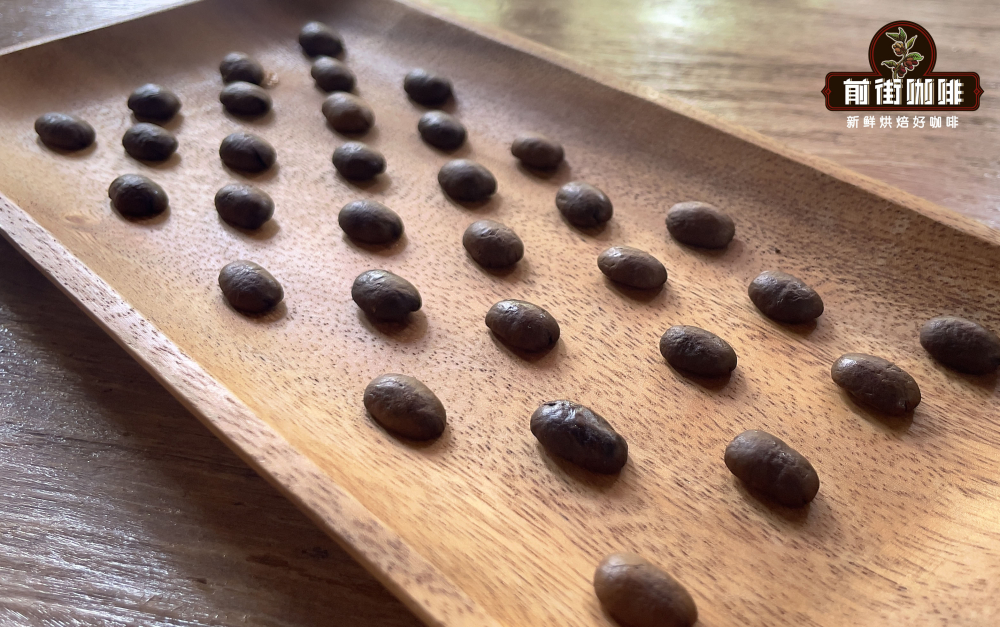
To fully realize the potential of Golden Mandheling, both roasting and brewing are key. Since most Golden Mandheling is processed using the wet-hulled method, it typically has a higher moisture content. Therefore, special attention should be paid to the drying phase during roasting. Some professional roasters recommend using a dark roast to help bring out its rich sweetness and full body. In addition, freshness is also a critical factor influencing flavor performance. It is recommended to choose roasted beans that have been released within five days of roasting and to allow a 4–7 day rest period after receiving them to let the coffee flavors reach their peak.
For brewing, it is recommended to use a Kono filter to enhance the expression of a full-bodied mouthfeel. Here are practical pour over parameters: Use 15 grams of coffee grounds, set the grind size to approximately 70% passing through a #20 sieve, with a coffee-to-water ratio of 1:15, and control the water temperature at 87°C. During brewing, use a three-stage pouring method: the first stage involves pouring 30 grams of water in a small circle at the center of the coffee grounds for blooming, lasting about 30 seconds — at this point, the grounds will gradually expand like a “hamburger”; the second stage involves pouring 95 grams of water in a circular motion from the center outward, maintaining a steady motion to avoid over-agitation; the final stage involves pouring 100 grams of water until all the coffee liquor has dripped through, with a total extraction time of about 2 minutes. Be sure to avoid shaking the filter during brewing to maintain consistency in blooming and extraction.
In summary, the unique charm of Sumatra Mandheling stems from its complex variety background, special processing methods, and meticulous roasting and brewing techniques. Whether you’re a beginner or a coffee enthusiast seeking deeper flavor complexity, understanding these details will allow you to better appreciate a truly rich and satisfying cup of Sumatra Mandheling.
The above content is compiled by CoffeeHunters, a coffee news website.


