







Introduction:Delve into the origins of Arabica coffee beans and the world’s major producing regions, with a special focus on core cultivation areas in Yunnan and Ethiopia. This article details the flavor profiles of each region, the influence of altitude and climate on coffee, and offers practical pour over parameters and roasting recommendations to help you fully grasp the essence of specialty coffee—from origin to cup.
In the world of specialty coffee, Arabica and Robusta are the two main varieties, with Arabica being the top choice for coffee enthusiasts due to its delicate flavors and diversity. This variety originated in the Ethiopian Highlands of northeastern Africa, the region with the richest coffee genetic diversity in the world, which still preserves natural habitats of wild coffee trees.
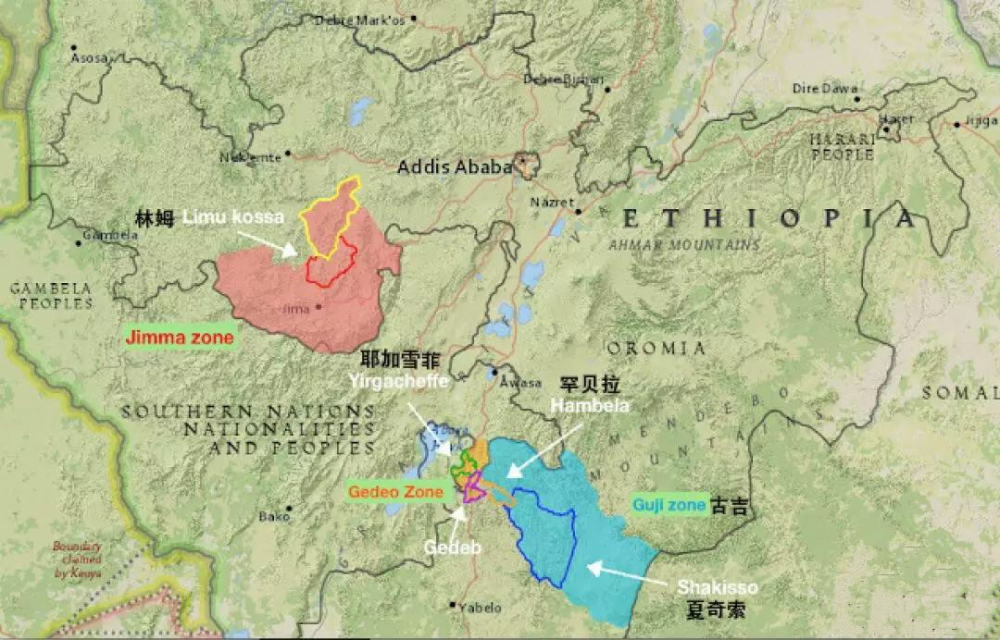
Coffee cultivation in Ethiopia is mainly concentrated at high altitudes between 1,100 and 2,300 meters. The local climate is mild with significant day-night temperature variations, along with well-drained red soils and moderate annual rainfall, creating unique and irreproducible flavor profiles. Representative growing regions such as Sidama, Yirgacheffe, Guji/Hambella, and Kochere each have distinct flavor characteristics, ranging from bright citrus and floral notes to rich berry and spice tones, all utterly captivating.
The scientific name for Arabica coffee is Coffee Arabica. It was originally used medicinally by the highland inhabitants of Ethiopia until the 13th century, when the practice of roasting and brewing gradually developed. It then spread to Europe via the Arabian Peninsula in the 16th century. This type of coffee tree is particular about its environment, especially vulnerable to pests, diseases, and extreme climates—particularly coffee leaf rust—making its cultivation conditions relatively stringent. Current major planting regions include South America, Central America, East Africa, and parts of Asia. Its caffeine content is about 1.5%, lower than Robusta’s 3.2%, resulting in a smoother and more refined flavor.
In contrast, the Robusta variety originates from the Congo region of Africa and is a mutant of Coffea canephora. It boasts high disease resistance and heat tolerance, but its flavor often carries a distinctly harsh bitterness and so-called “Robusta taste.” It is commonly used in instant coffee or industrial blends and suits consumers who prefer a strong, intense flavor.
Ethiopia is not only the birthplace of Arabica but also home to multiple pristine forest coffee ecosystems, such as Kaffa, Gera, Yayu, and Sheka. These areas are considered genetic treasure troves for modern Arabica cultivars. A forest coffee farm in the Kaffa region, for instance, primarily employs the washed processing method and often exhibits elegant white floral and berry aromas with a creamy, silky mouthfeel. Its layered flavors make it ideal for coffee lovers who enjoy fresh and bright profiles.
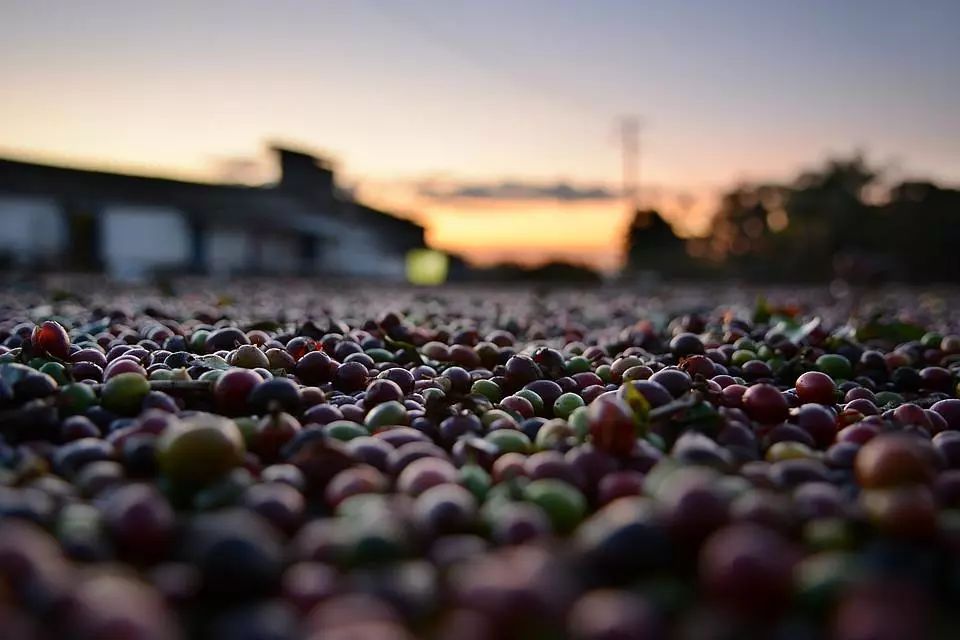
Coffee farming in Ethiopia is predominantly carried out by smallholders, with around 95% of production coming from family farms with relatively small plots, averaging about 561 kilograms per hectare annually. The accumulated wisdom of these small farmers—such as the use of natural fertilizers, strict selection of ripe fruits, and clean post-harvest processing—has created the diversity and uniqueness of Ethiopian coffee flavors. In terms of soil conditions, dark, well-drained, nutrient-rich slightly acidic loam is key to supporting coffee growth. This, combined with stable rainy seasons and moderate temperatures each year, contributes to the exceptional quality of Ethiopian coffee.
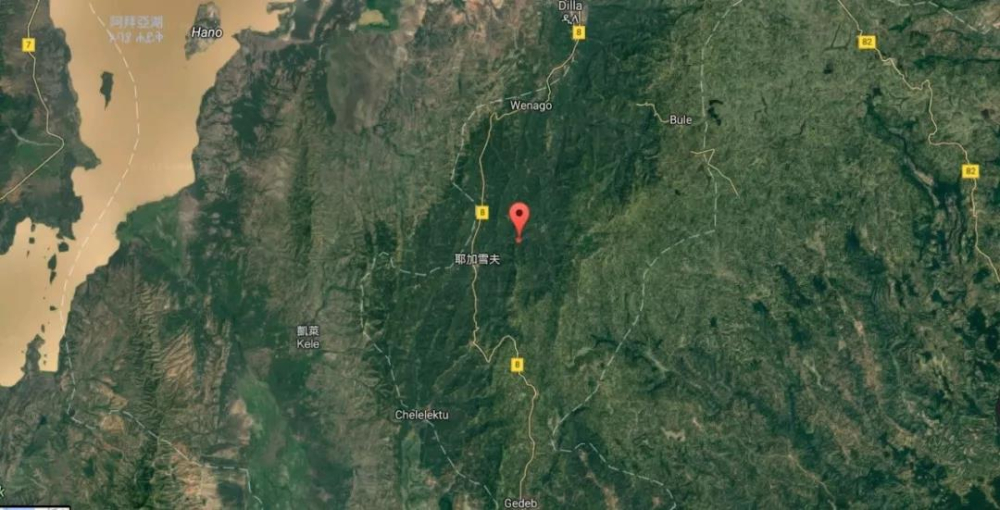
In renowned regions such as Sidama and Yirgacheffe, the washed processing method prevails, highlighting bright acidity and complex fruit aromas. For example, Yirgacheffe, originally a sub-region of northern Sidama, stood out for its distinctive flavors and eventually became an officially recognized independent producing region. With altitudes ranging from 1,850 to 2,400 meters and an average annual rainfall of 1,300 millimeters, the coffee here often features refreshing lemon acidity, jasmine floral notes, and citrusy aftertastes, making it a popular entry point for many newcomers to specialty coffee.
Coffee from the Yirgacheffe region is known for its fruity and floral characteristics. Washed batches often exhibit bright notes of lemon, white peach, and jasmine, while natural-processed lots may showcase a fusion of intense berries like strawberries and blueberries with a creamy texture. In contrast, the Sidama and Guji/Hambella regions excel in offering more complex layers and exotic spice tones. Particularly noteworthy is Hambella, whose natural-processed coffee won the championship at Ethiopia’s TOH competition, featuring rich tropical fruit and sweet spice flavors—a favorite among many advanced coffee enthusiasts.
Venturing into southern Ethiopia’s Guji (also called a sub-region of Hambella), located in the Oromia Region and adjacent to Yirgacheffe, this mountainous terrain and climate are exceptionally suited for cultivating coffee with intense flavors. In recent years, Guji’s natural-processed coffee has rapidly gained international acclaim for its bold fruitiness and rich sweetness. The region is home to over 20 small-scale processing mills, each with unique processing styles, contributing to the highly diverse and unpredictably charming flavors of Guji coffee.
For coffee lovers who enjoy pour over, understanding extraction parameters for each region is particularly important. Take Yirgacheffe, for example: since its flavors center around bright, acidic notes, a medium-light roast is recommended to preserve its lively fruit acids and delicate floral aromas. One coffee vendor, in practice, often uses a light roast for washed Yirgacheffe to highlight lemon and white floral notes, while medium-light roasting is applied to natural-processed batches to enhance the prominence of berry and creamy textures.
During actual pour over brewing, it is recommended to use a V60 filter cone, with water temperature controlled at 91°C, a water-to-coffee ratio set at 1:15, using approximately 15 grams of coffee, and choosing a medium-fine grind (about 80% passing through a Chinese No. 20 sieve). Too coarse a grind may lead to under-extraction and thin flavors, while too fine can result in over-extraction and bitter, astringent off-notes. Suggested brewing steps are as follows: begin with a 30-second bloom using 30 grams of water to allow the coffee grounds to fully expand; then pour 125 grams of water at the one-minute mark, and when the water level drops to two-thirds of the coffee bed, add another 225 grams at the 1:40 mark, keeping the total brew time around two minutes for optimal balance.

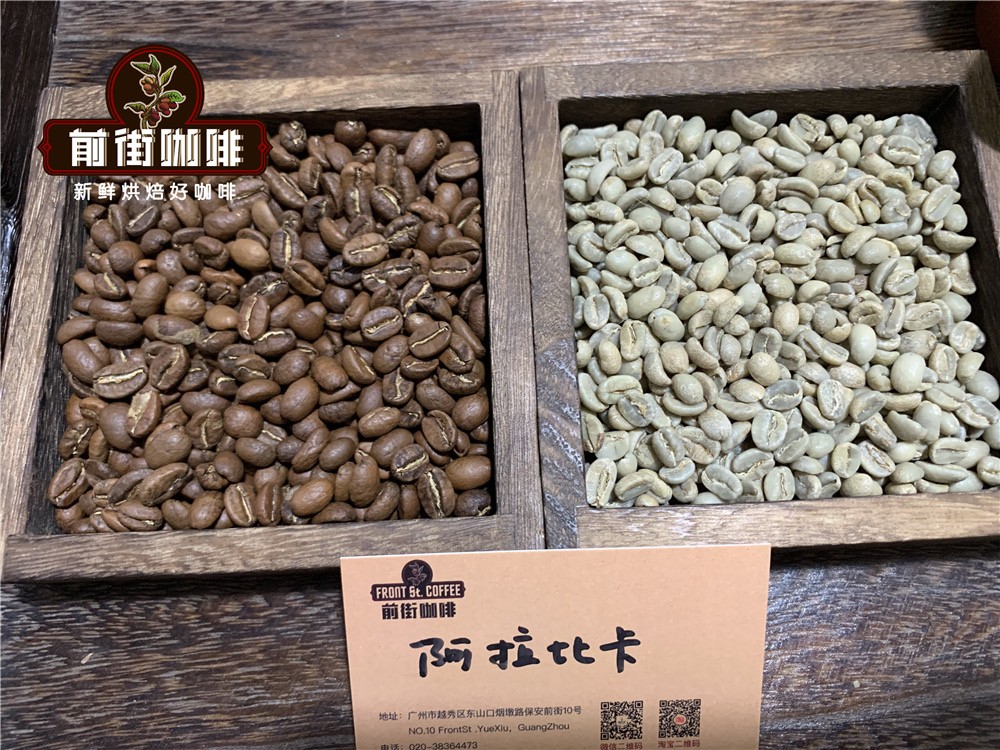
Additionally, the freshness of coffee beans directly affects flavor performance. It is recommended to choose beans roasted within five days and to consume them after the 4 to 7-day degassing period for the most vibrant flavors. If purchasing pre-ground coffee, although it can be brewed immediately, it should be used promptly, as ground coffee oxidizes faster upon exposure to air, leading to quicker flavor loss. Therefore, to fully experience the regional characteristics and processing details of the coffee, purchasing whole beans and grinding them fresh for each brew remains the superior choice.
In summary, from the highlands of Ethiopia to the diverse microclimates of Yunnan, Arabica coffee beans demonstrate a rich and varied potential for flavors. Whether you’re a beginner just stepping into the coffee world or an advanced enthusiast pursuing the ultimate flavor experience, a deeper understanding of each region’s geographical traits, processing methods, and brewing techniques will allow you to savor the stories and characteristics of different lands in every cup.

The above content is compiled by CoffeeHunters, a coffee news website.


