








Introduction:The Long Black is a classic Australian black coffee. Though it may appear similar to the commonly seen Americano at first glance, it differs markedly in preparation order, crema retention, and flavor intensity. This article explains the standard method for making a Long Black, analyzes its key differences from the Americano in terms of ratio, crema preservation, and flavor profile, and offers practical brewing tips to help you master this beloved Australian-style coffee drink more precisely.

When it comes to black coffee, many people first think of the Americano—a drink made by diluting espresso with hot water, which is widely popular around the world. However, in Australia, there is another classic coffee also based on espresso and water—Long Black. In recent years, along with the rise in popularity of other uniquely Australian coffees like the Flat White, the Long Black has gradually caught international attention. Although both the Long Black and the Americano are based on espresso, they actually differ significantly in brewing method, crema retention, and final flavor.

In Australia, "Black Coffee" generally refers to any black coffee without milk, while those with milk are called "White Coffee." Among these, Short Black is what we commonly know as espresso. Adding hot water to a Short Black results in a Long Black. This term is often translated as “長黑” or “澳黑” in regions like Taiwan and Hong Kong, reflecting its Australian origins. Although it looks similar to an Americano—both being dark liquids topped with crema—the preparation sequence and the resulting taste are quite different.
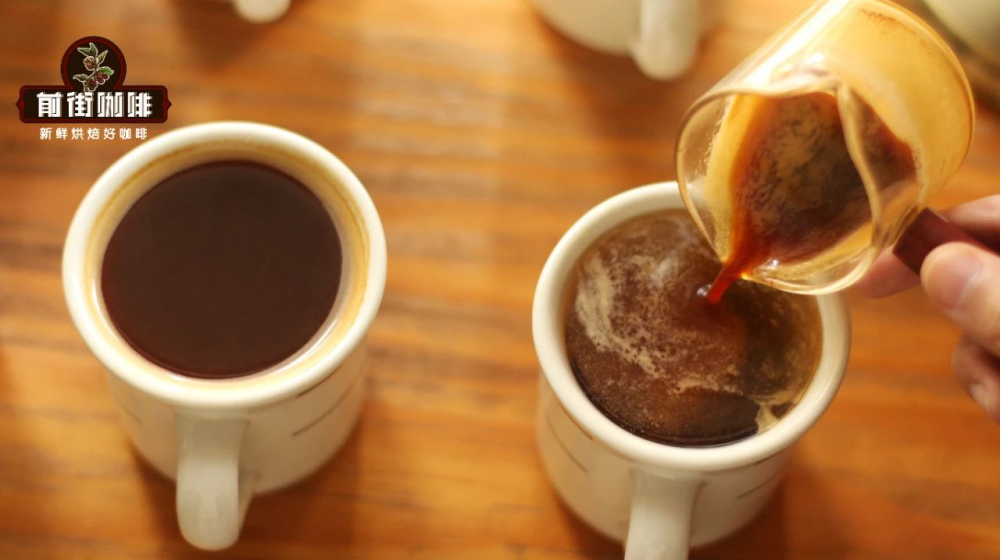
A common explanation for the main difference between Long Black and Americano lies in the “order of pouring water and coffee.” Specifically, a Long Black is made by pouring hot water into the cup first, then adding the extracted espresso on top. This method helps preserve the crema on the surface of the espresso, resulting in a richer texture and more layered aroma. In contrast, the Americano doesn't have a strictly defined order—usually the espresso is extracted first and then water is added—but this approach can easily disperse the crema, affecting the overall flavor integrity. However, this difference in sequence is mainly to highlight the characteristics of each drink, rather than being an absolute rule.
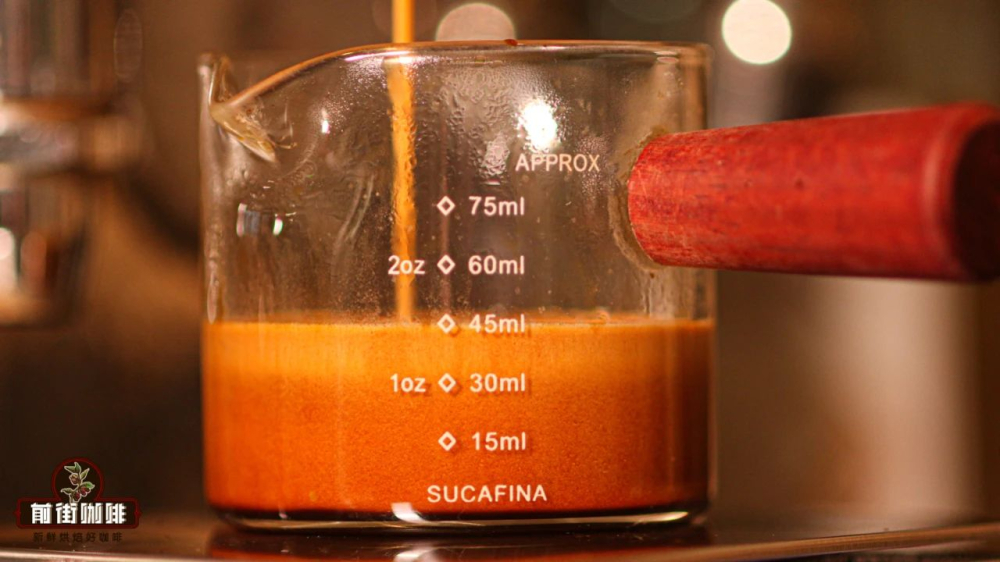
In terms of ratio, the Americano typically uses a coffee-to-water ratio of 1:5 to 1:8—that is, one shot of espresso (about 30ml) mixed with 150–240ml of water. This results in a lower concentration, more akin to the light drip coffee preferred by Americans. In comparison, the Long Black uses less total water. A common practice is to pour two shots of espresso (about 40g of coffee grounds yielding roughly 60ml) into 100–120ml of hot water, achieving a ratio of around 1:3. This makes the coffee flavor more concentrated and intense, ideal for those who enjoy a stronger coffee taste.
Additionally, the serving size of a Long Black is usually smaller than that of an Americano, allowing each sip to deliver a more intense coffee aroma and richer body. The preservation of crema is also key—it provides an extra layer of texture, making the coffee feel smoother and more full-bodied. Therefore, when brewing a Long Black, it's recommended to use freshly roasted, high-quality coffee beans and ensure sufficient extraction pressure for the espresso, in order to form rich and stable crema.
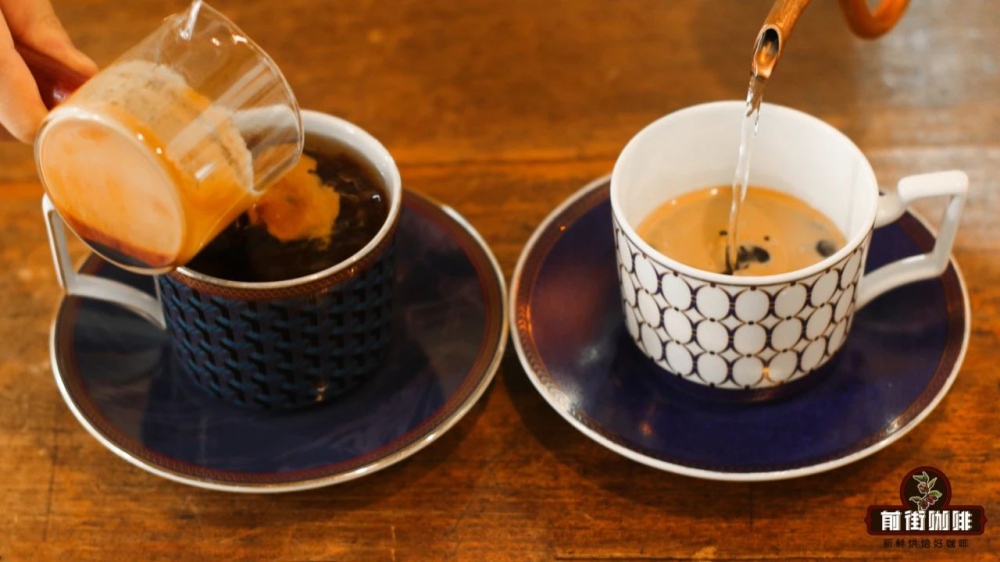
In summary, although both the Long Black and the Americano are combinations of espresso and water, their differences lie in preparation order, ratio, crema retention, and overall flavor presentation. By adding water after the espresso, the Long Black preserves the crema, resulting in a smoother texture, longer-lasting aroma, and more intense coffee flavor—making it an ideal choice for those seeking a deeper coffee experience. If you want to try making one at home, be sure to pay attention to water temperature, coffee dosage, and extraction time to perfectly recreate this classic Australian black coffee.
The above content is compiled by CoffeeHunters, a coffee news website.


