







Introduction:With its simple brewing process and refreshing taste, Americano has become a daily pick-me-up choice for many busy individuals. This article delves into its origins, nutritional benefits, and health advantages, while also detailing the classic brewing parameters and common extraction mistakes, helping readers master the art of making a delicious and well-balanced Americano.
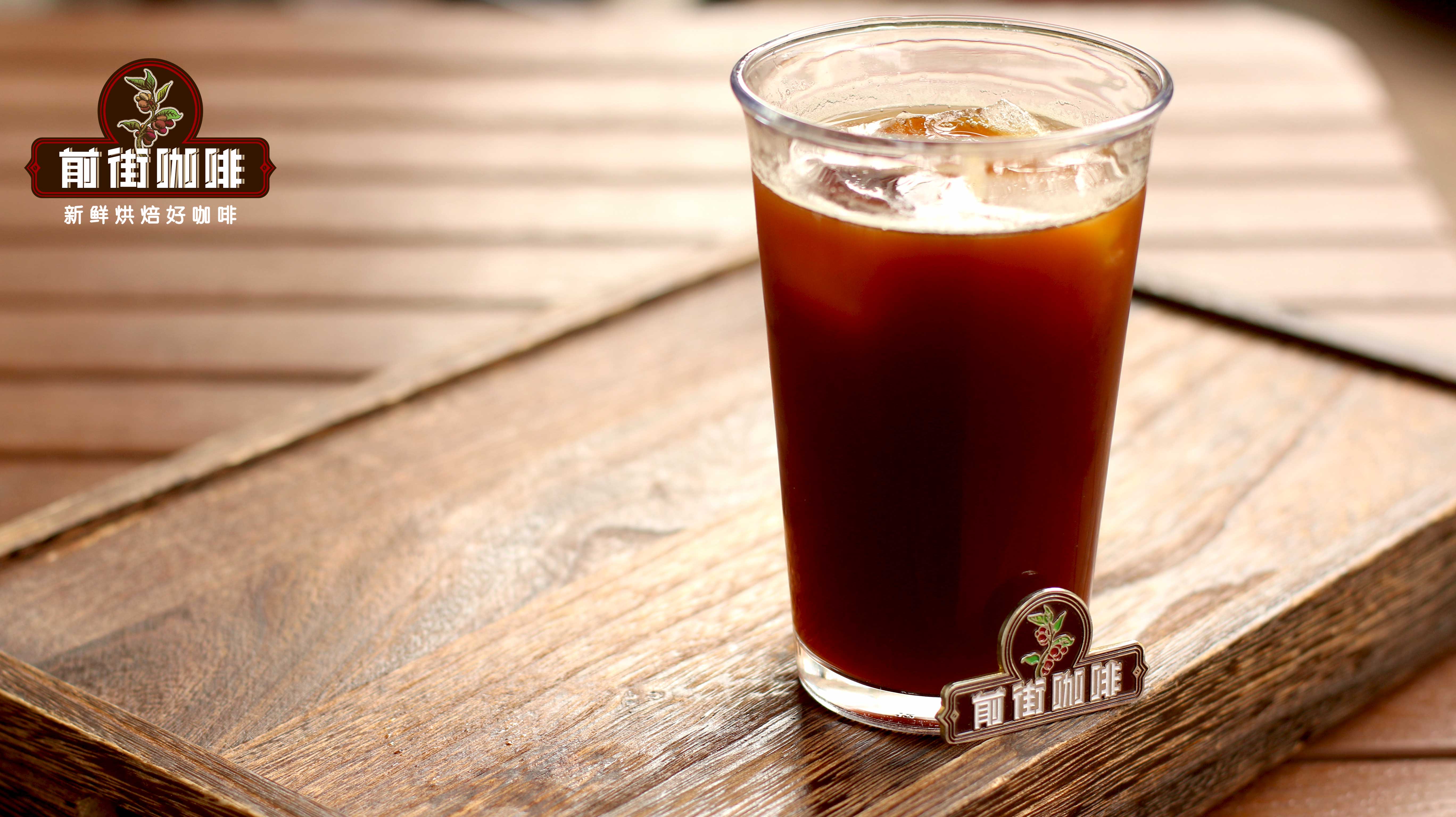
In coffee shops around the world, the Americano is almost a staple drink. Not only is it quick to prepare, but it also delivers a clear coffee aroma and a moderate energy boost in a short time, making it a favorite among office workers and time-pressed consumers. Especially during hot summer months, many customers prefer their Americano chilled—it cools them down without compromising the coffee’s rich character. But did you know that this globally beloved beverage actually carries an interesting historical backstory?
Regarding the origins of the Americano, one of the most commonly heard stories traces back to World War II Italy. At the time, American soldiers stationed there found the strong flavor and high concentration of espresso too intense, so they began adding hot water to dilute it, creating a milder version. This practice was initially mockingly called “Americano” by Italians, meaning “the American’s coffee.” Another theory involves Starbucks founder Howard Schultz, who, according to lore, introduced a diluted version with added hot water after bringing espresso to Starbucks, aiming to cater to the American preference for a lighter taste. This version gradually gained popularity as the brand expanded.

So-called Americano is actually a beverage based on espresso. Typically, medium-dark to dark roasted blends are used, and through a professional espresso machine, hot water is forced through finely ground coffee under high pressure to extract the concentrated base. A standard cup of Americano usually consists of one or two shots of espresso (about 30 to 60 ml), then diluted with hot water to around 240 to 300 ml, achieving a balanced flavor and strength.
The reason why Americano is favored by many people goes beyond its convenience—it also offers various health benefits. First, coffee naturally contains niacin (a type of Vitamin B), which becomes even more abundant after roasting, along with free fatty acids, caffeine, and tannic acid among other active components. Second, studies suggest that coffee can help boost metabolism, improving digestive function and alleviating constipation. There are even thermal therapy recommendations suggesting coffee grounds can be used in baths to assist in fat burning and weight loss. Additionally, coffee can accelerate alcohol metabolism by converting acetaldehyde into water and carbon dioxide, helping to relieve hangover discomfort. For those often feeling fatigued, the nutrients and stimulating effects in coffee can also help uplift spirits and enhance focus. It’s worth mentioning that the magnesium and potassium in coffee aid in regulating blood sugar and reducing cravings for sugary snacks, while caffeine promotes fat breakdown, providing extra energy for workouts.
Compared to other coffee beverages, Americano is extremely low in calories—so negligible that even large sizes from chain coffee brands maintain very low calorie counts. This is one reason why many celebrities and public figures focused on fitness prefer it. In addition to being low-calorie, Americano also aids digestion and acts as a diuretic, helping to flush out metabolic waste from the body more quickly. Moreover, unlike milk-based coffees, it doesn’t leave a lingering aftertaste in the mouth, making it ideal for relaxed post-meal conversations, allowing for more comfortable and carefree interaction.

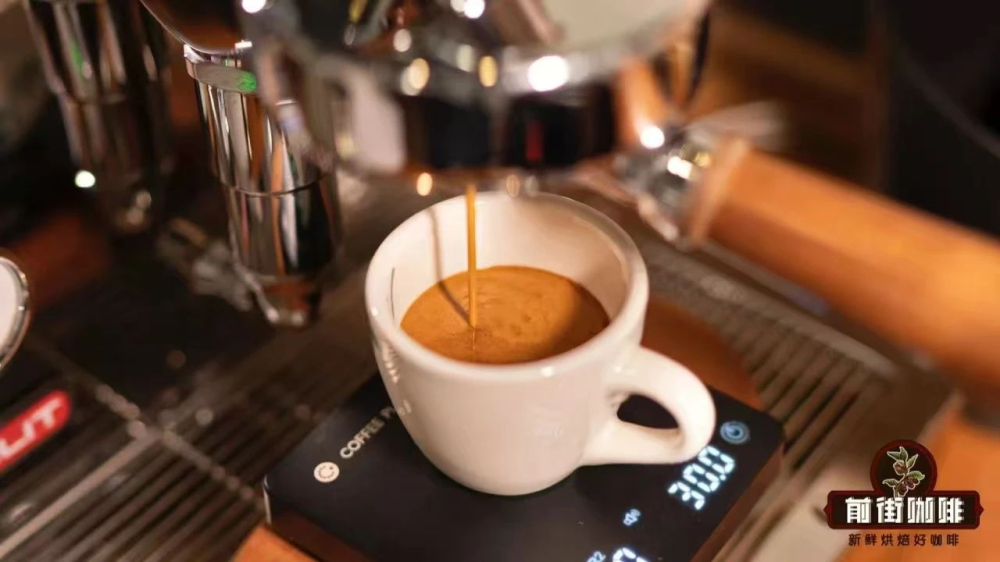
So, how can you make an authentic Americano at home or in a café? The basic principle is very simple: just add an appropriate amount of hot water to brewed espresso. Taking the common preparation process in professional coffee shops as an example, about 20 grams of coffee grounds are typically used, extracted through an espresso machine under high pressure to produce 35 grams of espresso liquid, with the entire process taking about 28 to 29 seconds to ensure a rich and layered flavor.
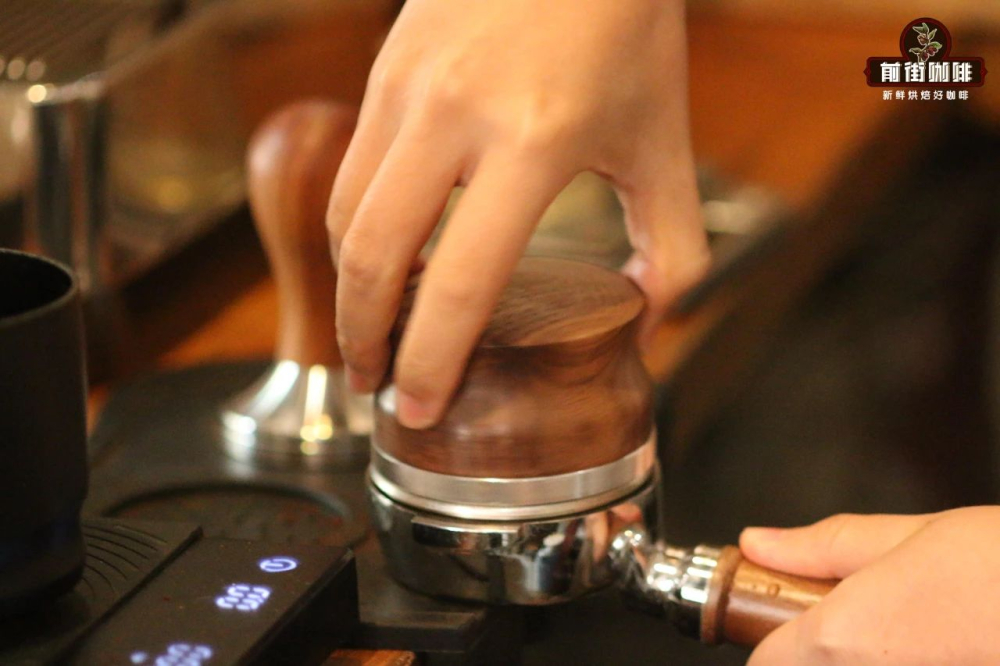
However, sometimes the Americano we drink may have a noticeably bitter taste that makes us frown. This is often due to two common factors: the inherent flavor profile of the coffee beans and technical mistakes during the extraction process. First, if the beans used to make the espresso are of a high-concentration, dark-roasted variety, their flavor tends to be intense or even bitter, which directly affects the final taste. Especially when selecting blends, if the roast level is too dark or lacks proper acidity balance, the whole cup of coffee can end up tasting monotonous and harsh. Furthermore, extraction errors are also a major culprit behind bitterness. Common issues include channeling caused by overly fine grinding or uneven tamping, which prevents hot water from evenly passing through the coffee bed, leading to over-extraction in some areas and releasing excessive bitter substances. Generally speaking, only about 30% of the compounds in coffee beans are suitable for extraction, and according to the Golden Cup Standard, the optimal extraction rate should be controlled between 18% and 22%. Once this range is exceeded, especially above 22%, the phenomenon known as “over-extraction” occurs, resulting in an overly strong, bitter taste and loss of the delicate flavors that should be present.
In summary, Americano is not just a caffeine booster—it is an art that blends history, technique, and sensory experience. From understanding its origins and brewing principles to mastering brewing parameters and flavor balance, every step allows you to better appreciate the charm of this classic black coffee. Whether you’re a beginner or a seasoned coffee enthusiast, mastering these fundamentals can help you achieve a more satisfying flavor experience with every brew.
The above content is compiled by CoffeeHunters, a coffee news website.


