







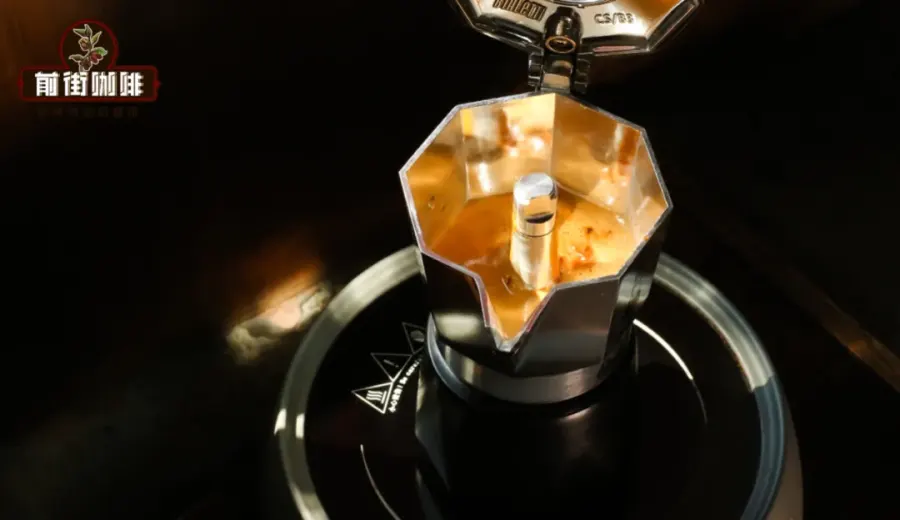
Introduction:Many coffee beginners wonder: can an affordable moka pot replace an expensive espresso machine? While both use pressurized extraction, there are actually significant differences in pressure, crema performance, and the texture of the espresso. This article provides an in-depth analysis from perspectives such as concentration, crema thickness, and flavor complexity through practical testing, helping you understand the real performance and suitable scenarios of a moka pot, enabling a smarter choice.
Many coffee enthusiasts often ask themselves this question when considering buying a moka pot: can it replace a traditional espresso machine? After all, espresso machines often cost several thousand or even tens of thousands of yuan, while moka pots are relatively affordable and simpler to operate, making them a popular entry-level choice for many households.
However, the so-called "replacement" does not mean complete functional equivalence, but rather explores whether the coffee brewed by a moka pot can substitute the espresso made by an espresso machine for preparing common coffee drinks like lattes and cappuccinos. Although both are pressurized extractions and their coffee concentrations are higher than those of typical pour over or drip coffee, there are still clear differences in extraction principles, pressure intensity, and final performance.
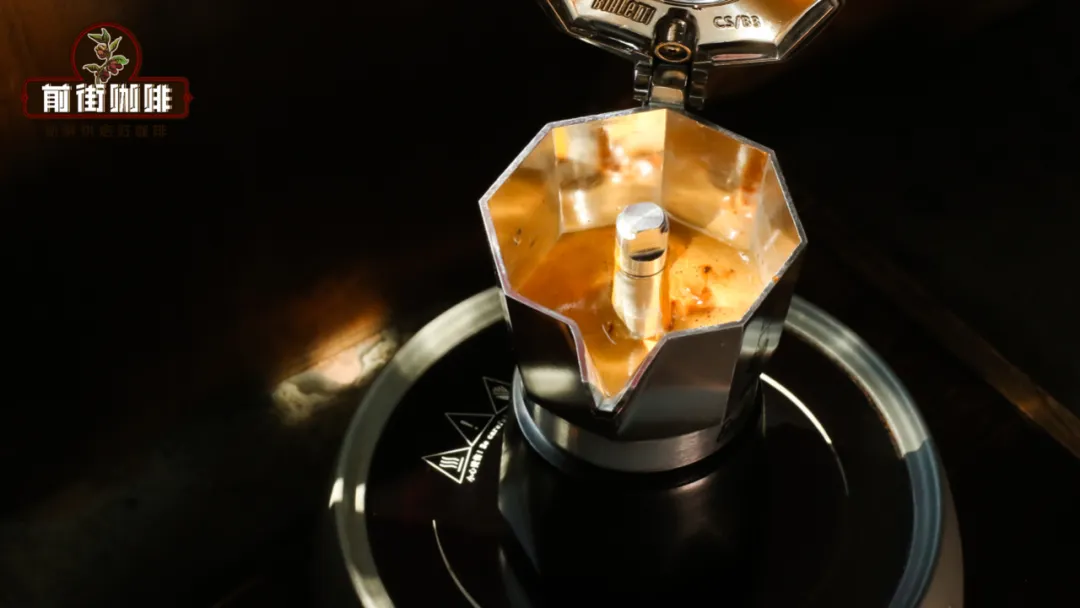
To clarify whether a moka pot can truly replace an espresso machine, we conducted a comparative test. Under the same coffee beans and grind size conditions, we brewed coffee using both a moka pot and an espresso machine, then analyzed factors such as extraction pressure, crema performance, flavor profile, and overall concentration to identify the key differences between the two.
This experiment used a dark-roasted espresso blend with rich notes of cream, nuts, and chocolate, suitable for highlighting crema and a full-bodied taste. We used a uniform 20 grams of coffee grounds, and set the grind size for both the moka pot and the espresso machine to a fine, flour-like consistency (approximately equivalent to the 1.6 mark on the Galileo Q18).
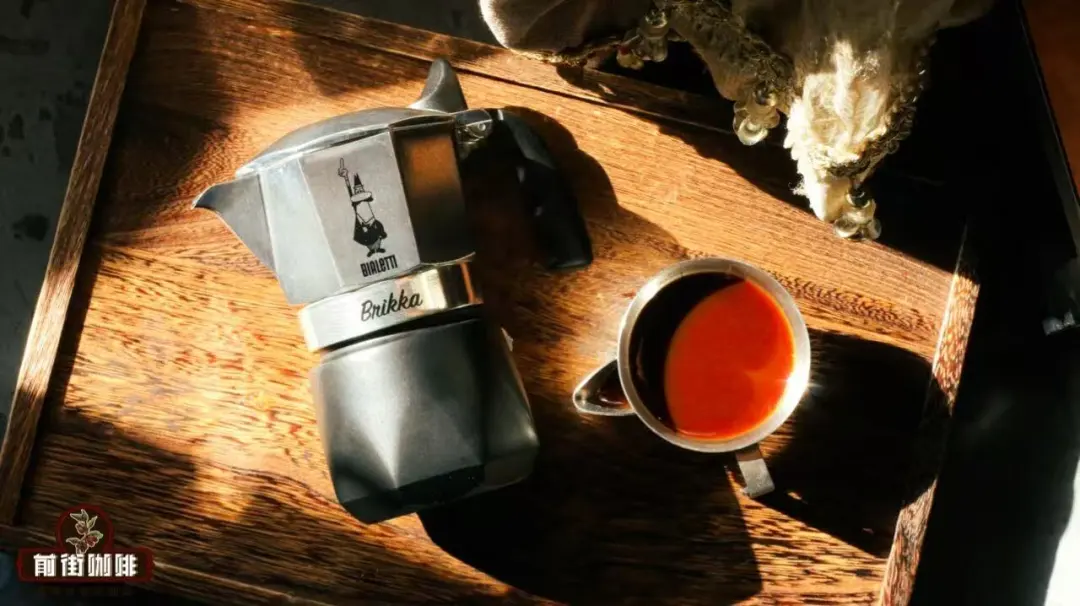
In terms of extraction parameters, the espresso shot was set to a 1:2 coffee-to-water ratio — that is, 20 grams of coffee grounds yielding 40 milliliters of espresso, which is the industry-standard proportion. For the moka pot, we used a 1:4 coffee-to-water ratio — 20 grams of coffee grounds with 80 milliliters of hot water, ultimately yielding about 45 milliliters of coffee, translating to a concentrated-like 1:2.25 ratio. The goal was to maximize concentration and approximate the performance of espresso as closely as possible.
During the tasting phase, we first tried the espresso made by the espresso machine. It was immediately evident that its surface was covered with thick and persistent crema, the texture was rich and solid, and the flavor profile was well-layered — featuring notes of butter cookies, dark chocolate, berries, and a hint of whiskey. The aftertaste was long-lasting and full-bodied, a typical result of high-pressure extraction.
Next, we tasted the coffee from the moka pot. Having already tried the espresso, the differences were immediately noticeable. The moka pot coffee had much thinner crema, which dissipated quickly after brewing. The mouthfeel was also lighter and more refreshing, with noticeably less richness compared to the espresso. However, its flavor profile remained clear, still presenting similar nutty and chocolatey foundations, indicating that the extraction wasn’t a failure — it’s just that the differing pressure and extraction environment led to variations in texture and performance.

The main reason for these differences lies in the extraction pressure. Although both the moka pot and the espresso machine are pressurized brewing methods, the moka pot’s maximum pressure is only about 3 bar, whereas a standard espresso machine can typically reach 9 bar — nearly three times that of the moka pot. This higher pressure more effectively concentrates the oils, aromas, and flavor compounds from the coffee into the liquid, resulting in a rich, full-bodied taste and stable, long-lasting crema.
Therefore, if you’re aiming for café-grade espresso with a similar texture and depth of flavor, the moka pot indeed struggles to fully replicate that. But the moka pot was never designed to replace a professional espresso machine. Its strengths lie in its simple operation, low equipment cost, and portability — making it highly suitable for everyday home use or casual outdoor brewing.
In summary, if you simply want to enjoy a richly flavored handmade coffee at home and don’t necessarily need the exact same espresso texture as a café, then the moka pot is definitely a cost-effective option. With proper control of grind size, water temperature, and brewing time, you can still achieve a flavorful and satisfying coffee experience.
The above content is compiled by CoffeeHunters, a coffee news website.


