







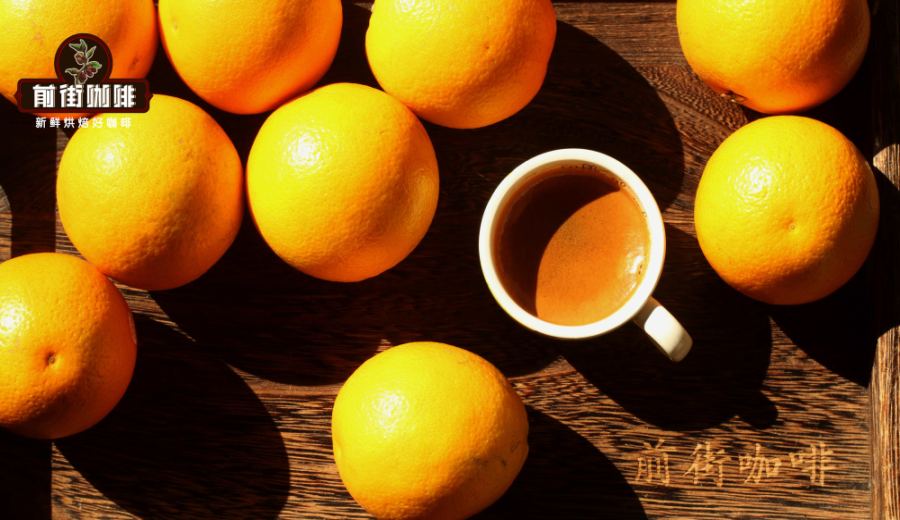
Introduction:You might wonder why some specialty coffees taste like mango, passion fruit, or even pineapple. In fact, these captivating tropical fruit flavors do not come from additives, but rather from the aromatic compounds in green beans and the chemical reactions during roasting. This article delves into the sources of fruity notes in coffee, explaining how Maillard reactions and caramelization create tropical fruit profiles. We also recommend several representative specialty coffee beans with tropical fruit characteristics to help you better understand the flavors in your cup.
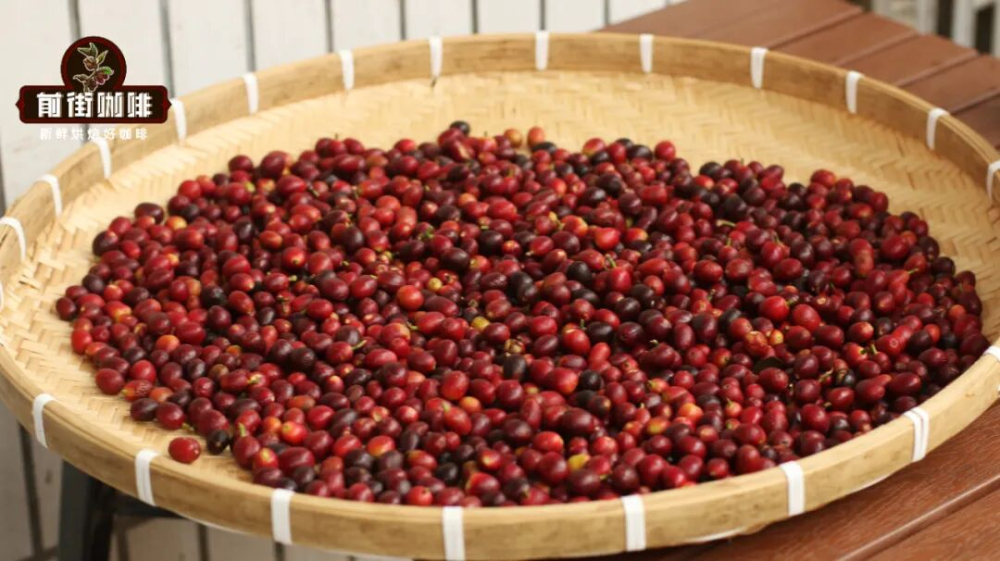
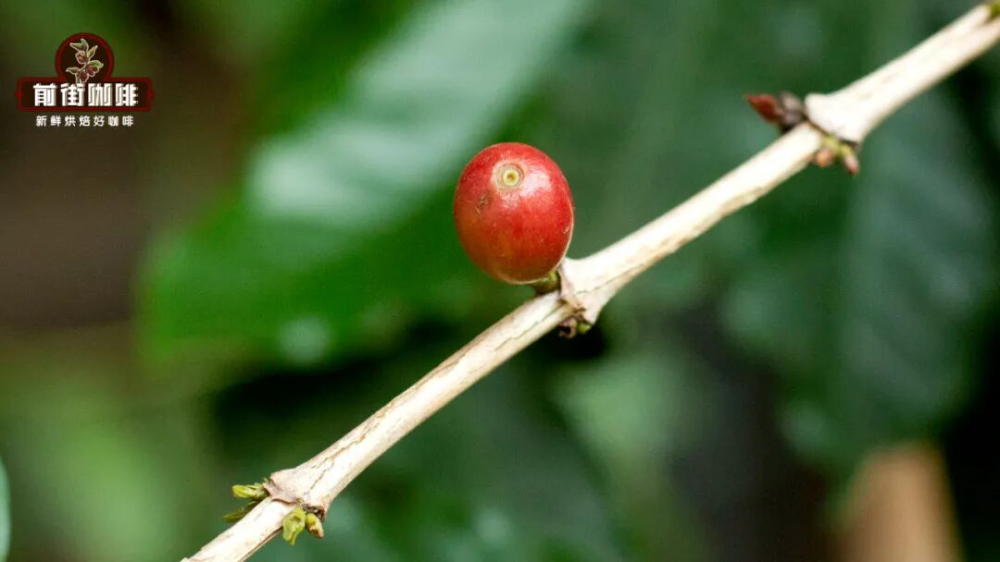
Coffee is, at its core, a tropical fruit. Yet, many people are surprised when they first encounter freshly harvested coffee cherries, as their aroma or taste often bears no resemblance to the mango, passion fruit, or pineapple notes indicated on the bag. So where do these fruit aromas reminiscent of tropical orchards actually come from? The key lies in the various aromatic compounds within the green beans, as well as the chemical changes triggered during the subsequent roasting process.
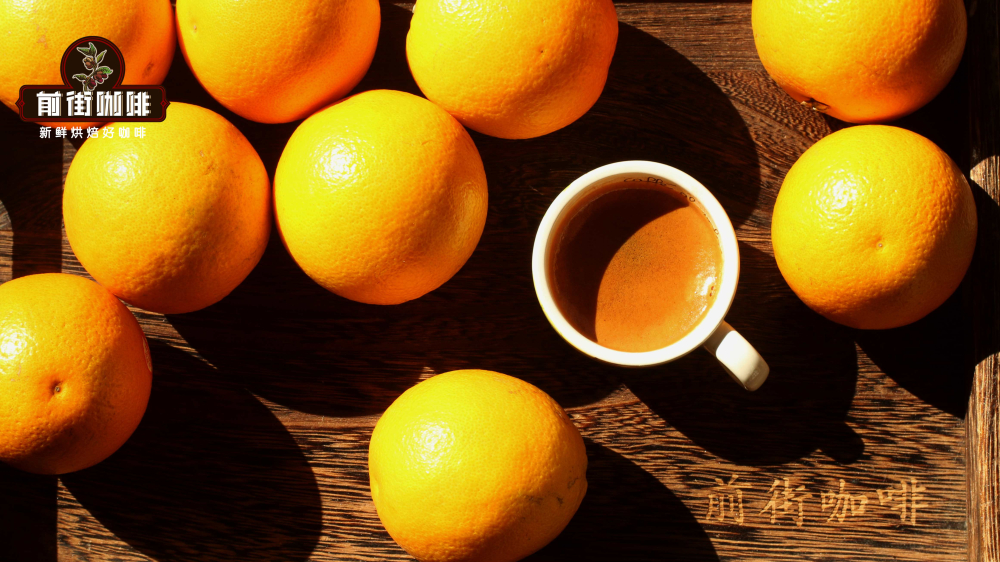
Whether Arabica or Robusta, coffee fruits themselves have thin skins and little flesh. People generally prefer to consume the seeds inside—what we commonly know as coffee beans. These green beans already contain a wealth of organic molecules such as esters, ketones, and alcohols, including fatty acids and terpenes, which are the main sources of what we call "fruitiness." These compounds remain relatively stable in their raw state but are “awakened” during roasting, transforming into the familiar tropical fruit flavors we know.
Roasting is the core process that unlocks the fruity notes in coffee. As green beans are heated, Maillard reactions and caramelization occur in sequence, continuously generating various volatile aromatic compounds. When certain specific aromatic substances accumulate to a certain concentration, they present rich, warm, and sweet fruit flavors, evoking associations with the vibrant and intensely fragrant fruits of tropical regions.
The term “tropical fruit” refers, as the name suggests, to fruits primarily grown in tropical regions, typically located between the Tropic of Cancer and the Tropic of Capricorn—such as Yunnan, Hainan, and Guangdong in our country. These areas feature year-round high temperatures, humidity, abundant sunlight, and blurred seasonal boundaries, thus nurturing fruits with intense and distinctive aroma profiles. When ripe, these fruits not only boast vivid colors but also exude honey-like sweetness, juicy textures, or bold and passionate fruit scents, leaving a lasting impression.
Take Guangdong, for example. Common tropical fruits in the region include mango, pineapple (also called凤梨), jackfruit, lychee, coconut, passion fruit, banana, starfruit, papaya, and guava. These fruits share a common trait: upon ripening, they often emit a bright, intense, and unforgettable fragrance. Some are sweeter, some juicier, and some are so fragrant that just their scent can evoke sensory delight.
In the world of specialty coffee, the aroma characteristics of certain tropical fruits are particularly recognizable in the cup—especially in high-altitude, sun-dried African and Central and South American coffees. Common and representative tropical fruit flavors include passion fruit, mango, pineapple (凤梨), guava, and jackfruit. These aromas are not only distinct but also tend to leave a deep impression on coffee enthusiasts.
Here are several specialty coffee recommendations with notable tropical fruit profiles:
1. Rich, ripe mango aroma:Typical of classic sun-dried processed beans, these coffees often carry the sweet scent and full-bodied fruit texture of ripe mango, with a pronounced fruity flavor upon tasting.
2. Clear passion fruit acidity and sweetness:These beans often showcase the unique bright acidity and sweet aftertaste characteristic of passion fruit, with vivid acidity and layered complexity.
3. Pineapple/凤梨 fruit aroma:These two types of coffee often feature the intense sweetness typical of tropical pineapple-like fruits, sometimes accompanied by subtle floral notes. The flavors are vibrant and appealing.
It’s worth noting that fruits like papaya, starfruit, and lychee, while possessing unique and delicate fragrances, often have lighter and more subtle aromas. When coexisting with roasted flavors like chocolate, caramel, or nuts, they can easily be masked, making them less common and appearing less frequently in coffee. If you sense a warm tropical fruit note in your coffee but can’t clearly identify which fruit it is, it’s usually described using general terms such as “tropical fruit character” or “complex fruitiness”—these are representations of such flavors.
The above content is compiled by CoffeeHunters, a coffee news website.


