







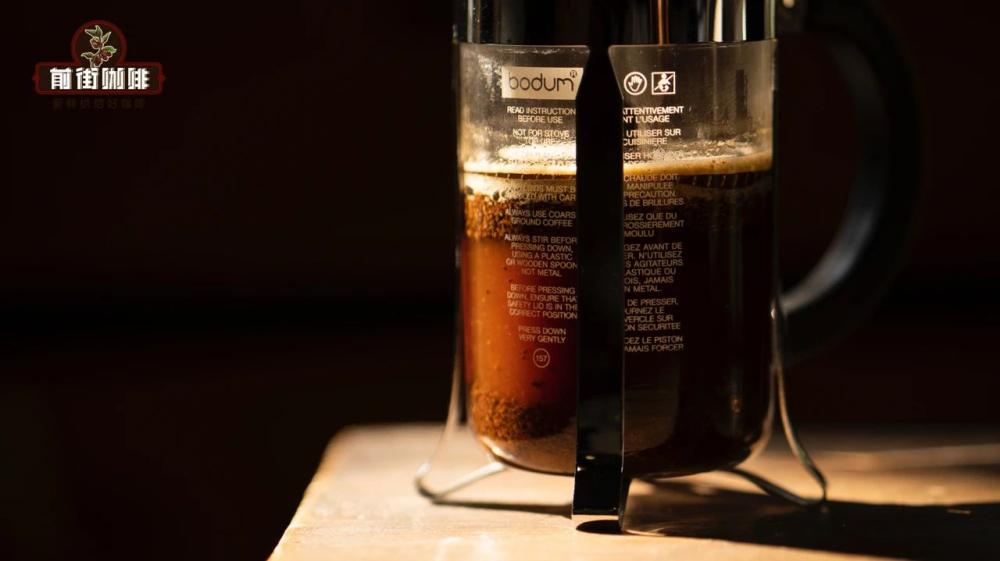
Introduction:The French press is a top choice for many coffee beginners due to its simplicity and ability to brew richly flavored, smooth coffee. This article delves into the brewing principles of the French press, its pros and cons, compares the crema differences with pour over, espresso, and moka pot, and provides detailed steps and parameter recommendations to help you brew a satisfying cup of French press coffee the right way.
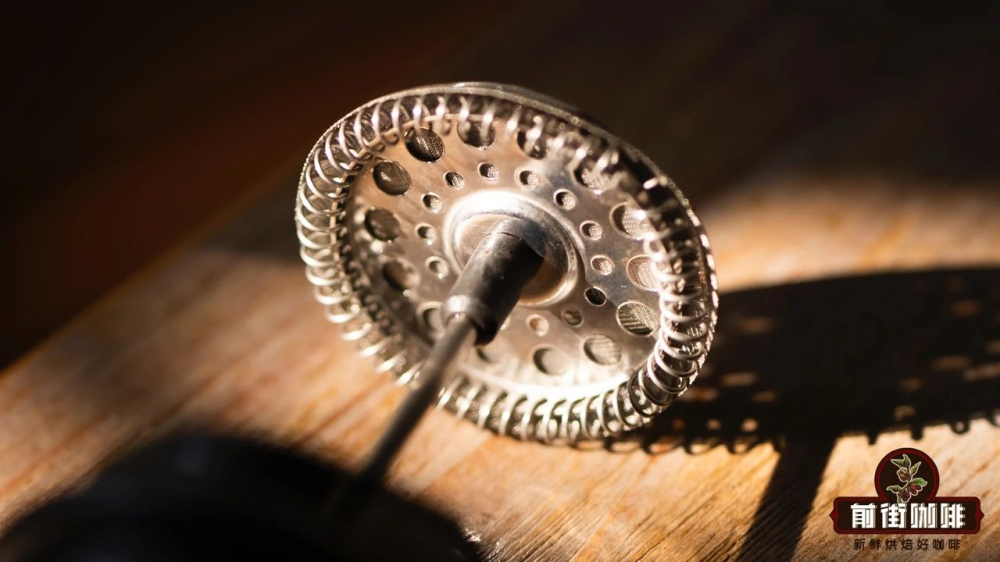
Also known as the French filter press or plunger pot, and affectionately called a "lazy brewer" by many, this coffee tool originated in France around 1850. With a simple structure consisting mainly of a heat-resistant glass carafe and a metal filter with a plunger, it was initially designed for brewing black tea. Over time, it has evolved into a practical tool for both households and coffee enthusiasts to brew coffee.
The popularity of the French press lies mainly in its ease of use and flavor performance. It can fully retain the oils, aroma, and rich body of coffee, with an extraction rate close to that of professional cupping standards, delivering a complex flavor profile that is easy for beginners to master. Moreover, as long as the same coffee bean type, water temperature, coffee-to-water ratio, and steeping time are controlled, different users can achieve similarly flavored cups—an aspect that is more difficult to achieve with other methods such as pour over or siphon brewing.
However, using a French press also comes with challenges. It demands relatively higher quality and freshness of coffee beans. Using too fine a grind can easily lead to over-extraction, resulting in bitterness or off-flavors. Additionally, the metal filter cannot completely trap fine particles, which may affect the smoothness of the mouthfeel, making the appropriate grind size and brewing technique crucial.
Among many home coffee brewing devices, the French press is one of the easiest to use and one of the best at faithfully representing the intrinsic flavors of the coffee beans. While it can highlight the strengths of coffee, it may also amplify its flaws—thus using fresh, high-quality beans is essential. Moreover, the French press offers great stability, making it highly suitable for daily use and large-batch brewing, and is a practical favorite for both homes and offices.
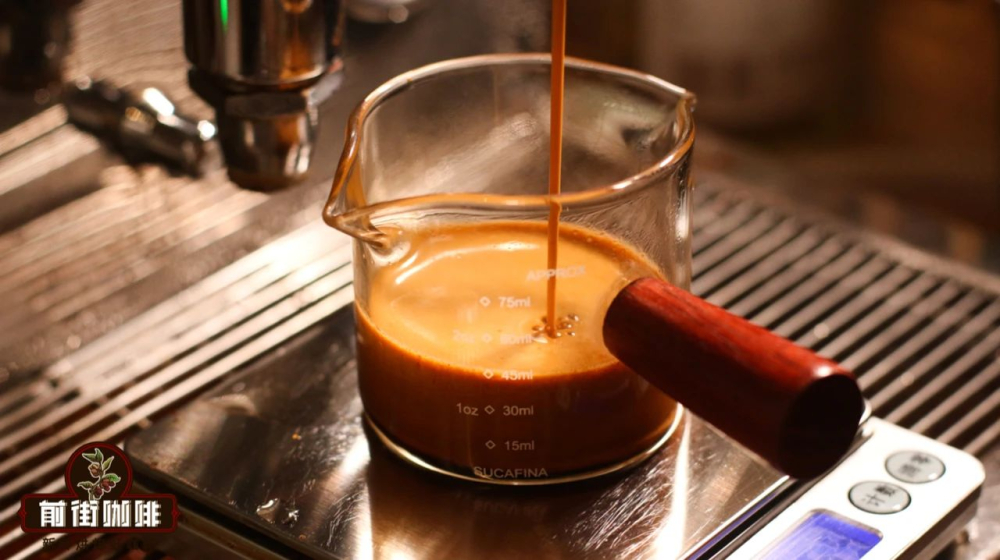
Compared to pour over coffee, the French press retains more coffee oils, resulting in a richer, rounder mouthfeel; but compared to pressure-brewed espresso, its oil content is noticeably less. The coffee oils referred to here generally refer to the golden "crema" on the surface of espresso, formed by the emulsification of carbon dioxide and insoluble coffee oils under pressure, and is one of the key indicators of a successful espresso shot.
Although the coffee oils in French press coffee are not as abundant as in espresso, they still offer a certain degree of gloss and body. Especially when paired with medium-dark roasts and coarse grinds, it can deliver captivating richness and a full-bodied taste. However, due to the nature of the metal filter, some fine particles may remain, so it’s recommended to gently swirl the pot before pouring to avoid bottom sediment affecting the overall flavor.
Below is the basic operation process and recommended parameters for using a French press:
Basic Coffee-to-Water Ratio Suggestion: 1:14 to 1:18. For a standard two-person serving, use about 20 grams of coffee beans with 300 milliliters of hot water. If your French press has measurement markings, you can add water according to them; if not, it's recommended to use an electronic scale for accurate measurement. If the pot lacks markings, you can first add the coffee grounds, reset the scale to zero, then add hot water by weight to easily control the ratio.
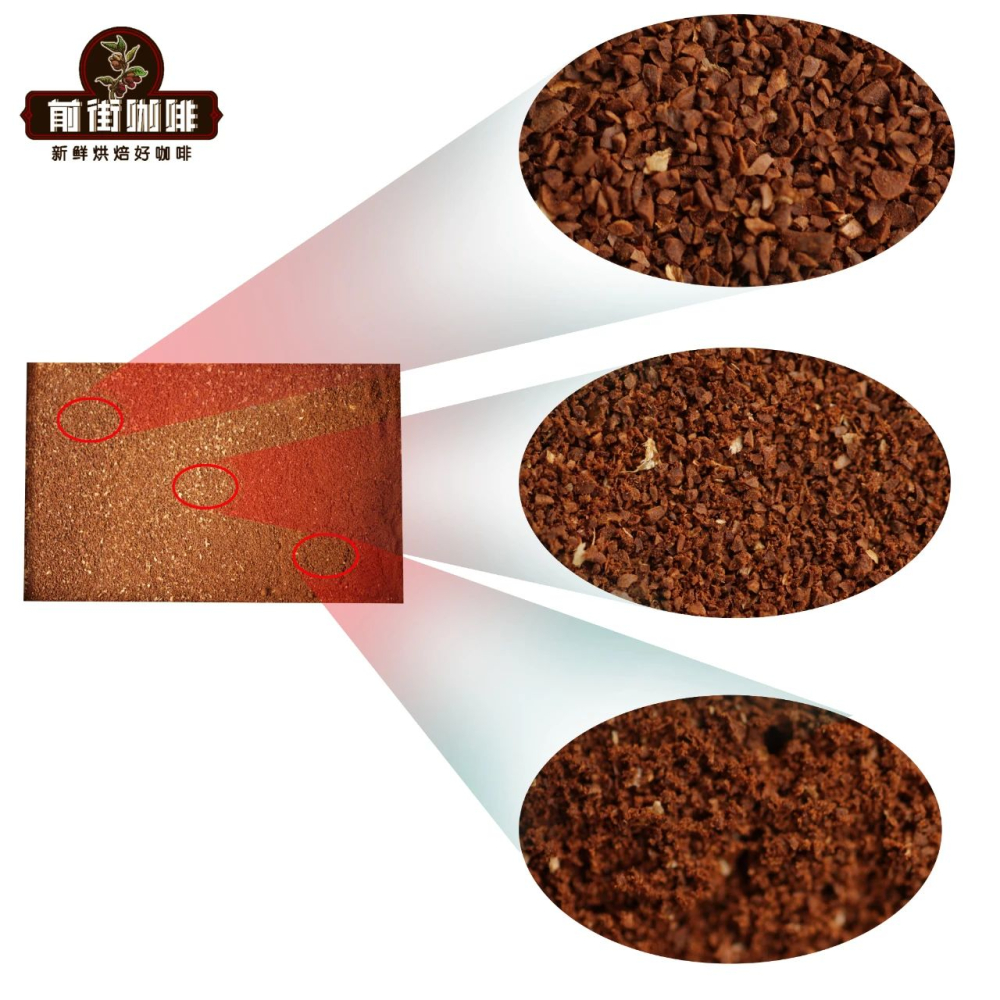
Grind Size: It is recommended to use acoarse grindsimilar to brown sugar granules, with uniform particle size. This is because the metal filter of the French press has low density—if the grind is too fine, fine particles can easily pass through the filter, not only affecting the mouthfeel but also potentially causing over-extraction.
Recommended Equipment: French press, grinder, pour over kettle, thermometer, electronic scale, timer, fresh coffee beans, and coffee cups.
Recommended Brewing Steps:
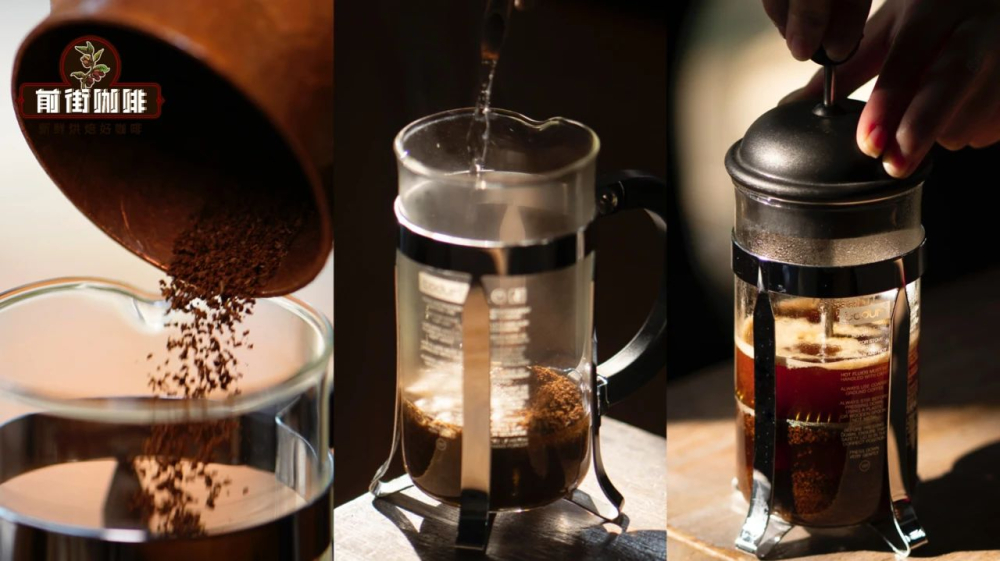
- Weigh approximately 20 grams of freshly roasted coffee beans. It’s best to choose beans within 5–14 days post-roast for optimal flavor.
- Control the water temperature between 85°C and 95°C. Lighter roasts can use slightly higher temperatures to highlight aroma, while darker roasts are better brewed slightly cooler to reduce bitterness.
- Pour the ground coffee into the preheated French press.
- Slowly pour hot water, preferably in a circular motion, to ensure even saturation of the coffee grounds.
- The total amount of water poured should be adjusted according to the coffee-to-water ratio. A common amount is 300 grams (approximately 300 milliliters), corresponding to a 1:15 ratio, though slight adjustments can be made based on personal taste.
- After pouring, gently stir to ensure all coffee grounds are fully wetted.
- Place the lid on the press without pressing down the plunger, and let it steep for about 4 minutes. This time can be extended or shortened based on personal preference.
- Once the steeping time is up, slowly and steadily press the plunger down to the bottom. Be careful to stop just before reaching the very bottom to avoid excessive pressure that might release fine particles.
- Pour the coffee out slowly, preferably in one go, to avoid leaving residual grounds that could affect the flavor of the next sip.
- Enjoy a rich and smooth cup of French press coffee!
When talking about coffee oils, many people first think of the crema on espresso. This golden foam, formed by the mixture of carbon dioxide and coffee oils extracted under high pressure, is an important indicator of espresso quality. Espresso lacking crema is often considered under-extracted.
In comparison, while the oil layer in French press coffee is not as prominent as in espresso, it still has a certain thickness and sheen. Especially when using medium-dark roasts and proper grind sizes, it can deliver a satisfying mouthfeel and aroma. However, since the metal filter does not completely block fine particles, it’s advisable to pour carefully to avoid bottom coffee grounds affecting the overall experience.
If compared with other brewing methods,espresso machinesare undoubtedly the most effective at extracting rich oils, using high pressure (around 9 bar) to force out a large amount of coffee oils—ideal for latte art and those who enjoy a bold, intense flavor.Moka potsfall somewhere in the middle. Though they don’t achieve the pressure of espresso machines, they can still produce a certain amount of oils when using fine-ground dark roast beans, making them a good choice for users on a budget who still want to experience some oiliness.
In summary, the French press is a simple, practical, and effective tool for showcasing the original flavors of coffee. By mastering grind size, water temperature, coffee-to-water ratio, and steeping time, even beginners can easily brew satisfying coffee. If you’re after convenience and consistent results, starting with a French press is a great way to explore your own coffee flavor journey.
The above content is compiled by CoffeeHunters, a coffee news website.


