







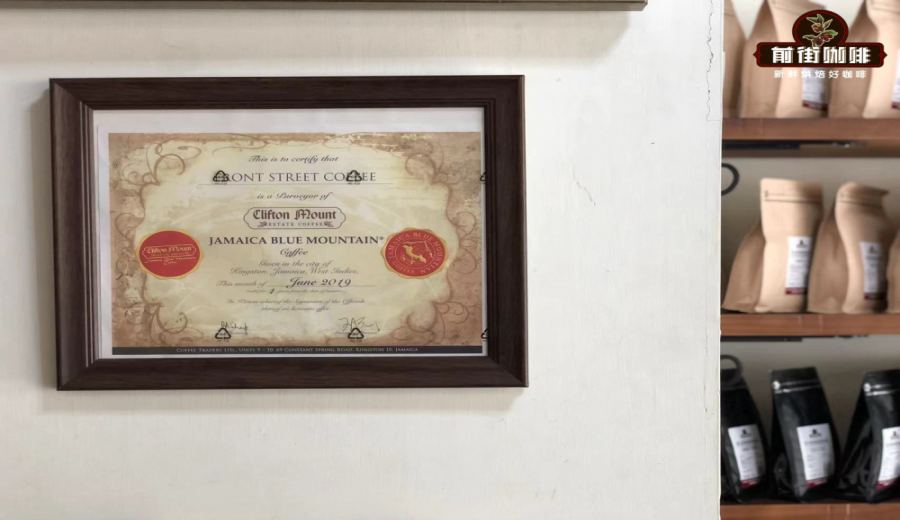
Introduction:Jamaica Blue Mountain No. 1 is hailed as one of the world’s top-tier coffees, and its rich yet well-balanced flavor profile can only be fully revealed through proper pour over techniques. This article begins with the unique environment of the Blue Mountain region and the meticulous washed processing methods at the Clifton Estate, guiding you through the grading system of Blue Mountain coffee and the importance of freshness. It also provides a detailed breakdown of professional pour over recommendations — including the use of a KONO filter, an 88°C water temperature, and a three-stage pouring method — to help you master the essence of brewing this rare coffee.
Renowned for its exceptional flavor balance and full body, Jamaica Blue Mountain coffee is considered the pinnacle among coffee enthusiasts worldwide, and within that, Blue Mountain No. 1 stands as the crème de la crème. It boasts a rich aroma and showcases a delicate harmony between acidity, sweetness, and bitterness, with a long-lasting sweet aftertaste that is truly unforgettable. Given its rarity and high quality, using the right brewing method to bring out its true flavors becomes especially important. This article will delve into the origin, washed processing techniques, and grading system of Blue Mountain No. 1, and share practical pour over advice to help you enjoy this coffee in its purest form by using the correct method.
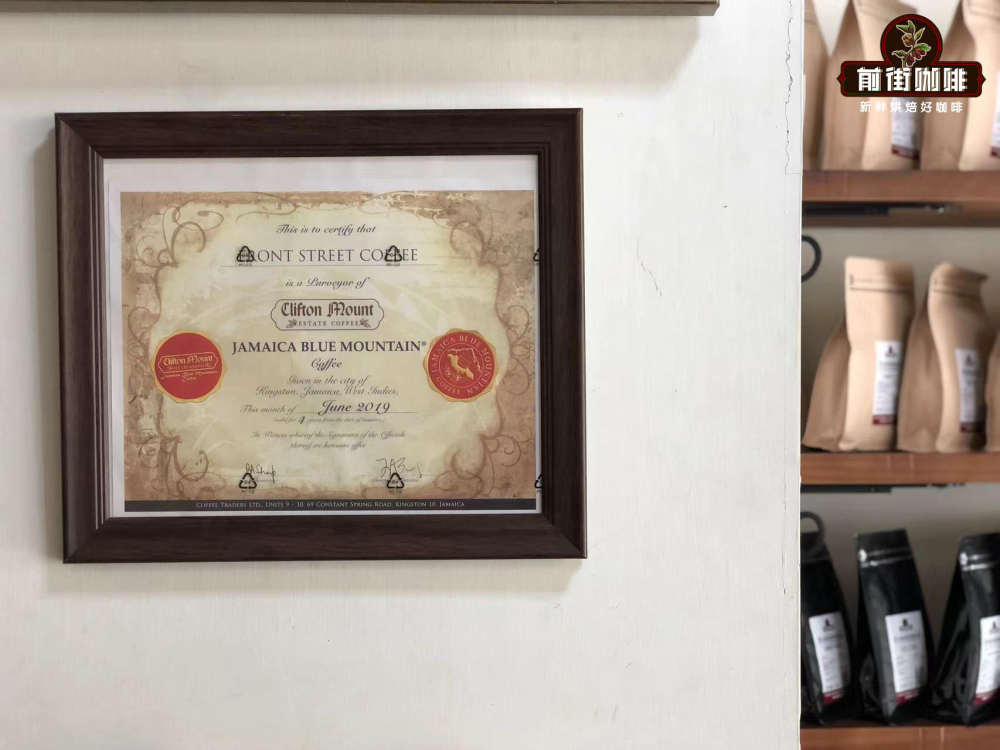
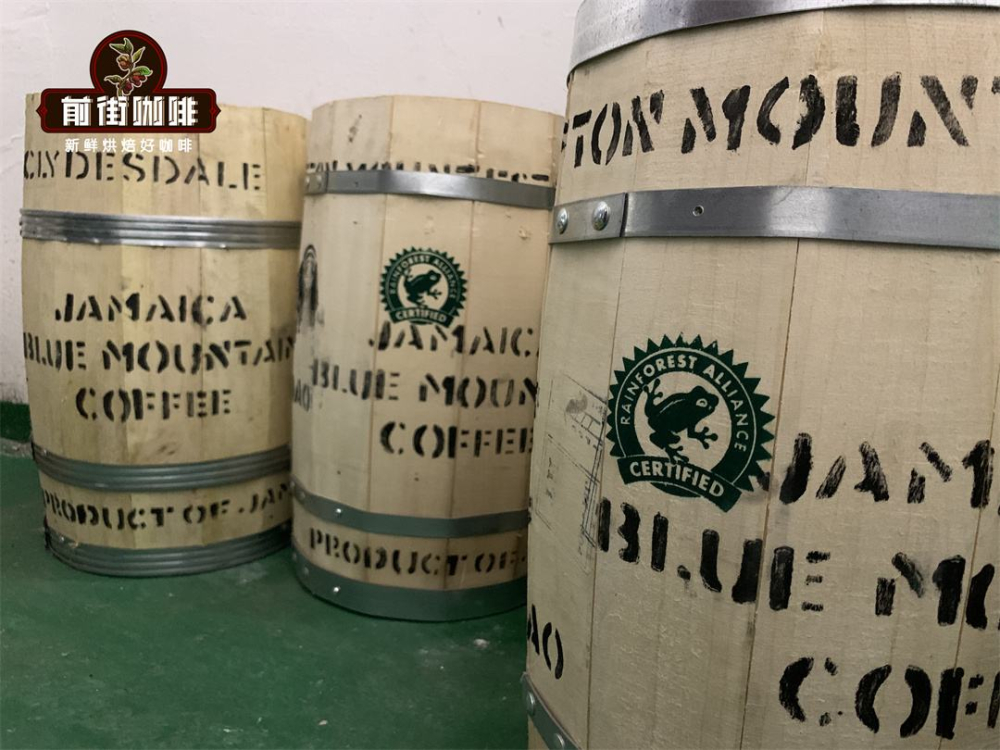
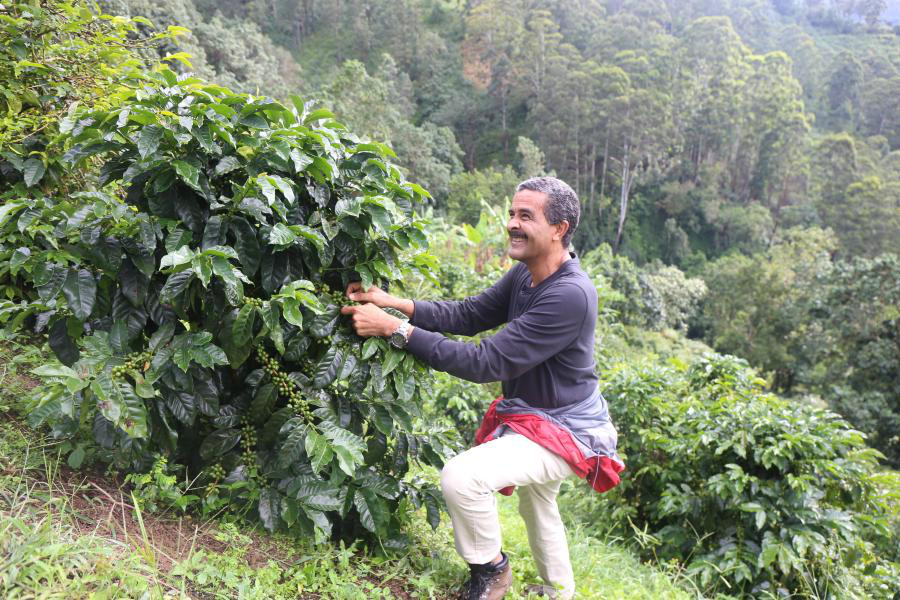
Blue Mountain No. 1 is a washed coffee bean, and the clarity and layered complexity of its flavor are inseparable from its processing. Only coffee grown between 910 and 1700 meters above sea level in the Jamaican Blue Mountains — roughly one-third of the entire producing area — qualifies as "Jamaica Blue Mountain Coffee"; the rest is classified as High Mountain or Prime. Among these, the Clifton Estate, located on the mountainside of the Blue Mountains, is the only coffee farm in the region certified by the Rainforest Alliance, and it is also the main producer of Blue Mountain No. 1. This historic estate has over two hundred years of coffee cultivation experience. During harvest, only ripe red cherries are handpicked to ensure that only the highest-quality coffee fruits proceed to further processing.
After harvesting, the coffee cherries are immediately transported to the processing facility for washed processing. They first undergo flotation to remove underripe, overripe, or low-density beans. The pulp and fruit skin are then removed, and the beans are placed in fermentation tanks for about 12 to 18 hours. After fermentation, the beans are washed and rubbed to remove residual mucilage, followed by prolonged sun drying until the moisture content reaches the required standard before being packaged and stored. The entire process emphasizes environmental sustainability, with water being recycled and the pulp converted into organic compost, reflecting Clifton Estate’s commitment to sustainable production.
After processing and rigorous screening, Blue Mountain green beans are graded into four levels based on criteria such as bean size, shape, defect rate, and moisture content: Blue Mountain No. 1, No. 2, No. 3, and Blue Mountain Peaberry. Among them, Blue Mountain No. 1 is the highest grade, requiring the beans to be sized between 17 and 18 mesh, with a defect rate below 3% and a consistently plump and uniform appearance. This grade typically exhibits the most balanced flavor and is widely recognized as a symbol of top-tier quality. The selected Blue Mountain No. 1 used here is a medium-dark roasted washed bean, with a flavor profile centered around richness and sweetness, ideal for showcasing the classic characteristics of Blue Mountain coffee.
To enjoy the best flavors of Blue Mountain No. 1, using freshly roasted beans is crucial. Generally, beans roasted within five days exhibit the most vibrant aromas and freshness, which is the recommended starting point for many specialty shops. Due to its high price, it is advisable to brew Blue Mountain No. 1 using the pour over method, which allows for more precise control over water temperature, grind size, and brewing time, avoiding the potential flavor masking associated with espresso or filter methods. In addition, it is recommended to buy whole beans and grind them yourself to minimize aroma loss. If you don’t have a grinder, consider using a commercial grinding service, but try to consume the coffee as soon as possible.
Why is Black coffee the best way to enjoy Blue Mountain No. 1? Because this coffee already possesses a balanced acidity and sweetness along with a rich aroma, adding milk or sugar can easily mask its subtle layers. Drinking it black not only preserves the original flavors but also aids metabolism, and moderate consumption can even assist with post-meal digestion. However, it’s still important to monitor intake, with a daily recommendation of no more than 2 to 3 cups to avoid potential side effects such as palpitations or stomach discomfort.
For brewing Blue Mountain No. 1, the KONO filter is recommended. The smooth curved design of the upper part of this filter allows it to fit tightly with the filter paper, and its immersion-style extraction characteristics help enhance the overall richness and body of the coffee, making it especially suitable for highlighting the nutty and chocolatey notes of Blue Mountain No. 1. For the coffee-to-water ratio, a practical recommendation is 1:15 — that is, 15 grams of coffee grounds to 225 milliliters of water. This can be slightly adjusted based on personal taste: those who prefer a stronger cup may go for 1:13 to 1:14, while those who prefer a lighter taste can use 1:16 or 1:17.
The water temperature is recommended to be set at88°C, using a medium grind size (with a reference of approximately 75% passing through a 20-mesh sieve in China). Since Blue Mountain No. 1 is a medium-dark roast, the beans have a relatively loose structure and absorb water quickly. Excessively high water temperature or too fine a grind can lead to over-extraction, resulting in overly bitter and astringent flavors. The pouring method recommended is a three-stage pour: the first stage involves pouring hot water equal to twice the weight of the coffee grounds (about 30 grams) for a 30-second bloom to activate enzymatic reactions; the second stage uses a small stream of water poured in a circular motion from the inside out until reaching 125 grams, then pause; once the bed of grounds descends, continue pouring until the total volume reaches 225 grams, with a total extraction time of about 2 minutes. This method helps achieve even extraction, avoids channeling, and brings out the fullest aroma and complexity of Blue Mountain No. 1.
The final brewed cup of Blue Mountain No. 1 pour over coffee offers pronounced notes of dark chocolate, roasted nuts, and caramel, with a prominent sweetness and gentle acidity. The overall mouthfeel is smooth, rich, and well-balanced. As the temperature cools, the flavor layers gradually unfold, leaving a clean and lingering aftertaste. It’s the perfect way to experience the refined qualities of Blue Mountain coffee. By mastering the correct brewing parameters and techniques, even beginners can fully appreciate the unique charm of this world-class coffee.
The above content is compiled by CoffeeHunters, a coffee news website.


