







Introduction:Many coffee enthusiasts wonder whether medium-dark roasted espresso blends, commonly used in espresso, can also be used for pour over. In fact, these coffee beans boast rich caramel and nutty notes, but proper adjustments in grind size, water temperature, and brewing technique are necessary to avoid over-extraction and bitterness. This article delves into the characteristics of medium-dark roasted beans for pour over, offering practical recommendations on grind settings, water temperature, coffee-to-water ratio, and filter choice, along with detailed step-by-step guidance to help you easily brew a rich and layered cup of pour over coffee at home.
The flavor profile of a cup of coffee largely depends on the type of coffee beans used and their roast level. When making espresso, medium-dark roasted blends are commonly chosen by the industry to achieve balanced flavors and a full-bodied taste. However, more and more coffee lovers are beginning to experiment with using these beans for pour over, often resulting in suboptimal outcomes due to improper extraction parameters. This article focuses on the characteristics of medium-dark roasted coffee, starting with its flavor profile, and then breaking down grind settings, water temperature control, coffee-to-water ratio, filter selection, and the complete brewing process step by step — helping you master the key techniques to brew a richly flavored, full-bodied pour over coffee at home.
Compared to light roasts, medium-dark roasted coffee beans noticeably lack that bright, vibrant fruit acidity, instead showcasing aromas and sweetness dominated by nuts, dark chocolate, and caramel. The overall mouthfeel is fuller with a richer body, which is one of the reasons many coffee drinkers favor medium-dark roasts. However, when brewing these beans via pour over, their looser fiber structure leads to faster water penetration. Without proper adjustment of extraction parameters, over-extraction can easily occur, resulting in unpleasant bitter and astringent off-flavors.

First is the choice of grind size. Since the internal structure of medium-dark roasted coffee is already relatively loose, using too fine a grind significantly increases the contact area and time between water and coffee grounds, which can easily lead to over-extraction. Therefore, it is recommended to use a coarser grind, generally with a reference benchmark of about 70% passing through a 20-mesh sieve (0.85mm), allowing the water to flow smoothly through and avoiding excessive extraction due to over-steeping.
Next is the setting of water temperature. Because the release rate of flavor compounds in medium-dark roasted beans is relatively fast, using too high a water temperature will only accelerate the dissolution of bitter components. It is recommended to control the pouring water temperature between 86°C and 89°C. If your beans are roasted darker, you may further lower the temperature to around 86°C, whereas if they are only medium to slightly dark, you can choose a water temperature range of 88°C to 89°C to strike a balance between flavor and body.
In terms of coffee-to-water ratio, 1:15 is a relatively safe and easy-to-hit Golden Cup extraction range option, suitable for those seeking a balanced taste. If you prefer a more intense coffee experience, you can reduce the ratio to 1:13, but be sure to also pay attention to extraction time and technique to avoid over-extraction leading to prominent bitterness.
As for filter choice, the Kono filter is a commonly recommended option. Designed by Keisuke Kono, this cone-shaped filter features ribs that extend straight from the bottom to the middle section, with no ribs in the upper half and a smooth inner wall. The unique design of the Kono allows the filter paper to achieve sufficient blooming without pre-wetting, thanks to the venting effect of the ribs. As the water level rises during brewing, the filter paper adheres closely to the cup walls, creating a near-French press-like sealed space that helps enhance a full-bodied extraction flavor.

The operating principle of the Kono filter lies in the way air can only escape through the narrow gap between the bottom ribs and the filter paper once the water and filter paper seal off the upper channel. At this point, the water and coffee grounds inside the filter are pressurized and pushed downward along with the air, producing a siphon-like flow that further enhances the richness and layered complexity of the coffee.
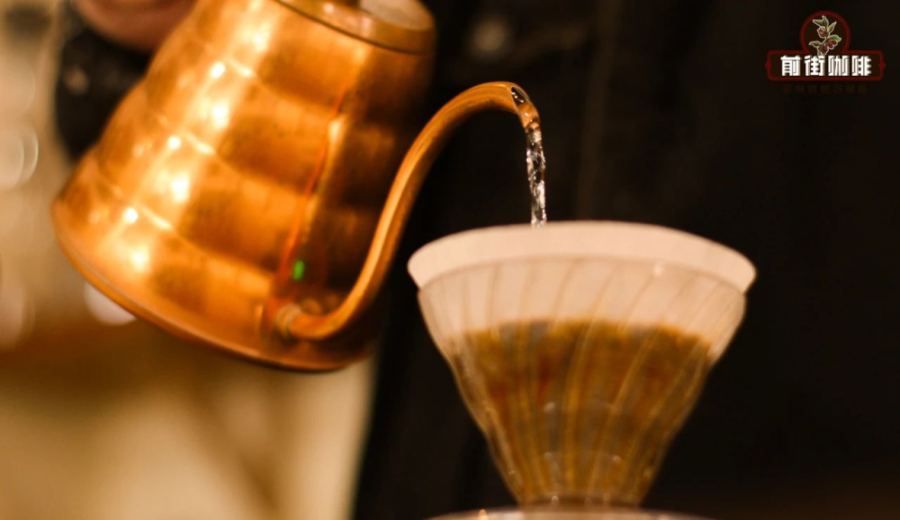
In practical operation, using 15 grams of coffee grounds and a 1:15 coffee-to-water ratio as an example: first preheat the filter, then steadily pour in the coffee grounds, ensuring the surface of the coffee bed remains even — do not shake the filter to avoid altering the density of the coffee layer. In the first stage, pour about 30 grams of water in small circular motions at the center of the coffee bed for a 30-second bloom, during which the coffee bed will gradually expand, forming a fluffy, hamburger-like appearance. In the second stage, pour 100 grams of water in a circular motion from the center outward, keeping the water stream as close to the coffee bed surface as possible and moving gently to minimize excessive agitation. In the final stage, pour another 95 grams of water, again using small circular motions centered around the coffee bed. Once all the coffee has dripped through, aim to keep the total extraction time between 1 minute 50 seconds and 2 minutes for optimal extraction balance.
The above content is compiled by CoffeeHunters, a coffee news website.


