








Introduction:As the birthplace of coffee, Africa cultivates numerous coffee beans with distinct flavors and strong personalities. This article delves into the growing environments, distinctive processing methods, and unique flavor profiles of major producing regions such as Ethiopia, Kenya, Burundi, Rwanda, and Tanzania. It also includes analyses of representative beans from each region, helping you comprehensively grasp the essence of African coffee—from terroir to brewing choices.
Africa is the cradle of global coffee. The beans produced here are renowned for their abundant fruit acidity, bold aromas, and diverse processing styles. Due to the dry climate and limited water resources in most producing areas, the natural (sun-dried) processing method has become the traditional mainstream, resulting in beans with imperfect appearances but richly layered flavor profiles. From Ethiopia’s Yirgacheffe to Kenya’s SL28, from Burundi’s unique double-washed process to Rwanda’s Bourbon varieties, each country showcases distinctly different terroir expressions.
This article will take you deep into the planting models, processing techniques, and flavor profiles of Africa’s major coffee-producing regions. Using actual representative beans from these regions as examples, it analyzes recommended parameters and flavor characteristics for pour-over or extraction methods. Whether you’re a beginner or searching for fresh coffee options, you’ll find practical insights here.
I. Ethiopia: Diverse Flavors from the Coffee Gene Bank
Ethiopia is not only the birthplace of coffee but also one of the regions with the most native varieties and the richest flavor diversity in the world. Its main producing areas include Harrar, Ghimbi, Sidamo, and Yirgacheffe, each showcasing a distinctly different personality due to variations in altitude, microclimate, and processing methods.
The local farming models can be roughly divided into four categories: forest coffee (8–10%), semi-forest coffee (30–35%), garden coffee (50–55%), and plantation coffee (5–6%). Among them, garden coffee accounts for the highest proportion, mostly grown by farmers themselves, while forest coffee relies entirely on natural ecosystems with no human intervention, making it a treasure trove of many wild varieties.
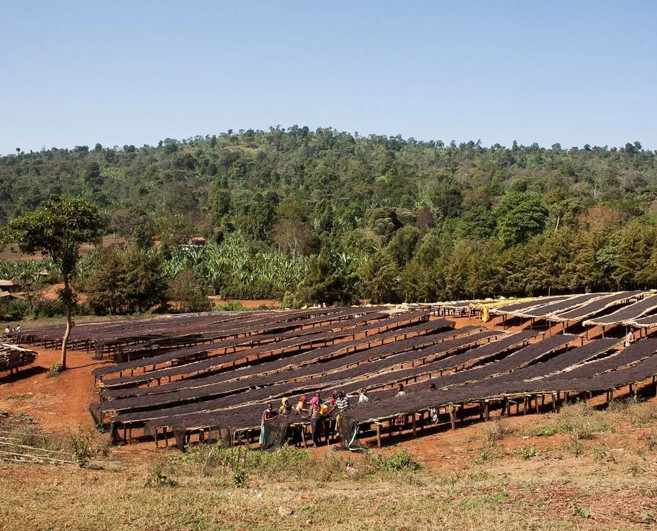
In terms of processing methods, Ethiopia employs a variety of techniques, including natural (sun-dried), washed, and honey processing. Natural processing is most common in water-scarce regions like Harrar, imparting intense ripe fruit aromas and wine-like qualities. Washed processing is known for its bright, clear citrus notes and high cleanliness. Honey processing retains varying degrees of mucilage, delivering a richer sweetness and body.
Below are several practical examples showcasing representative flavor profiles:
1. Red Honey Red Cherry Coffee
Region: Yirgacheffe Idido | Elevation: 2000–2200m | Variety: Heirloom | Grade: G1 | Processing Method: Red Honey
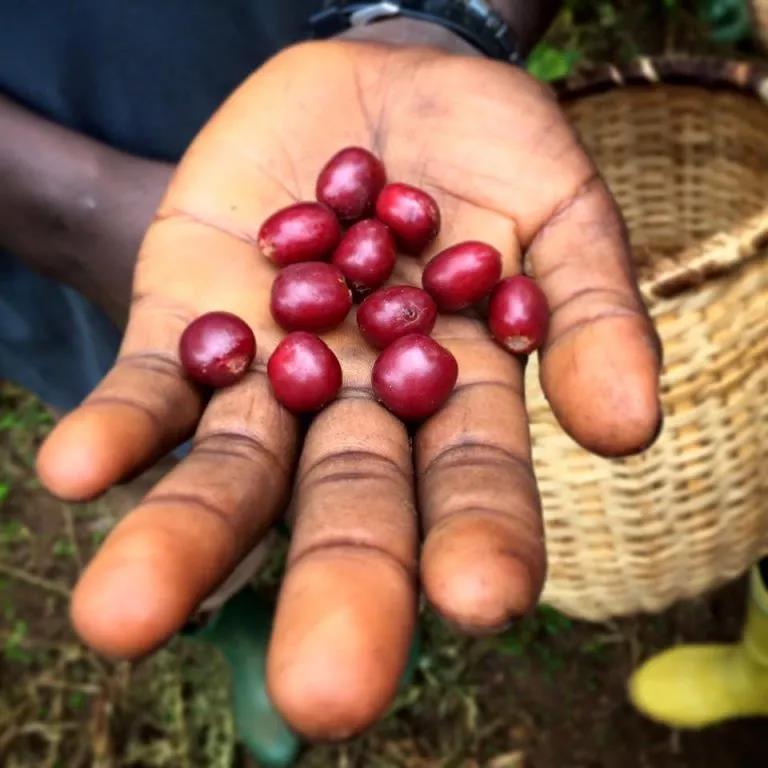
Flavor: Dried ginger flower aroma, citrus and fruit candy tones, mid-palate cedar wood and honey sweetness, finish with oolong tea notes and creamy aftertaste. The standout feature of this coffee is the use of meticulously selected ripe red cherries from the "Red Cherry Project," combined with red honey processing (retaining about 75% mucilage), enhancing its rich and sweet profile.
The key to honey processing lies in sun-drying with the mucilage layer intact. This sticky layer, rich in sugars and fermentation precursors, greatly influences the final flavor. Red honey, retaining a higher proportion of mucilage, typically achieves greater sweetness and body compared to yellow or white honey.
2. Natural Red Cherry Coffee
Region: Yirgacheffe | Processing Station: Ardi | Elevation: 2300m | Variety: Heirloom | Processing Method: Natural
Flavor: Berry, lemon, strawberry, and fermented wine aromas. Natural processing involves drying the whole coffee cherry directly under the sun, avoiding contact with the ground, over a period of more than two weeks before the outer skin is removed. This method delivers rich fruitiness and a full body, though with slightly lower cleanliness than washed coffee.
3. Washed Guji Dingding Coffee
Region: Yirgacheffe Gedeo Zone | Elevation: 1900–2300m | Variety: Heirloom | Grade: G1 | Processing Method: Washed
Flavor: Citrus and black tea dominant notes, with cream, caramel, and almond undertones emerging as it cools, offering a clean and refreshing mouthfeel.
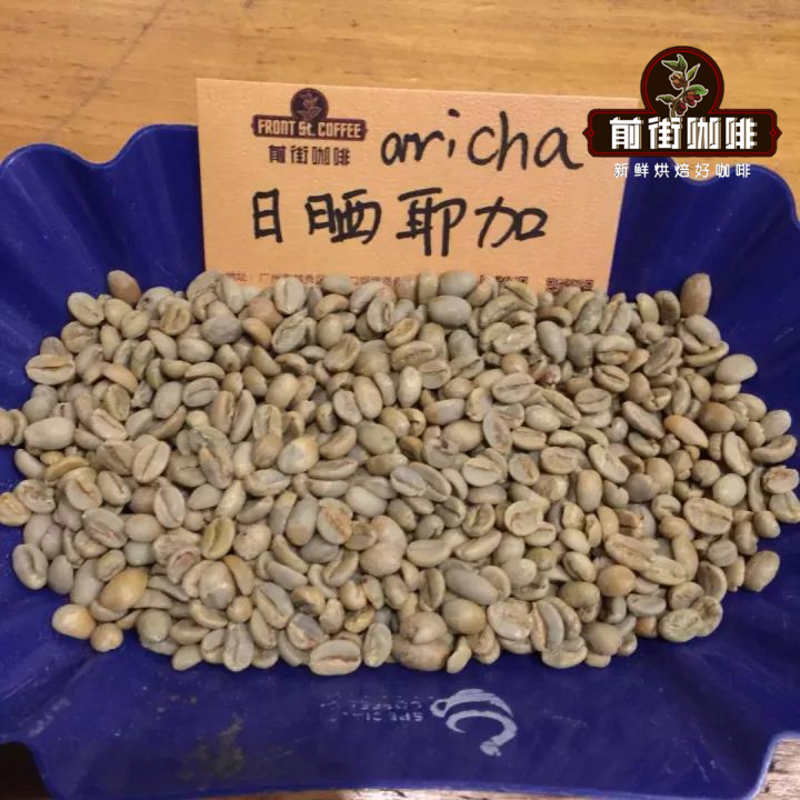
……(Excerpted analyses of other Ethiopian beans, including Kochere, Wolkite, Aricha, Konga, Ninety Plus Candlelight, COE 22, Washed Yirgacheffe, Gesha Village Gold Label, Red Label, Chaka, etc. Each retains original processing methods, elevations, varieties, flavors, and corresponding illustration positions, such as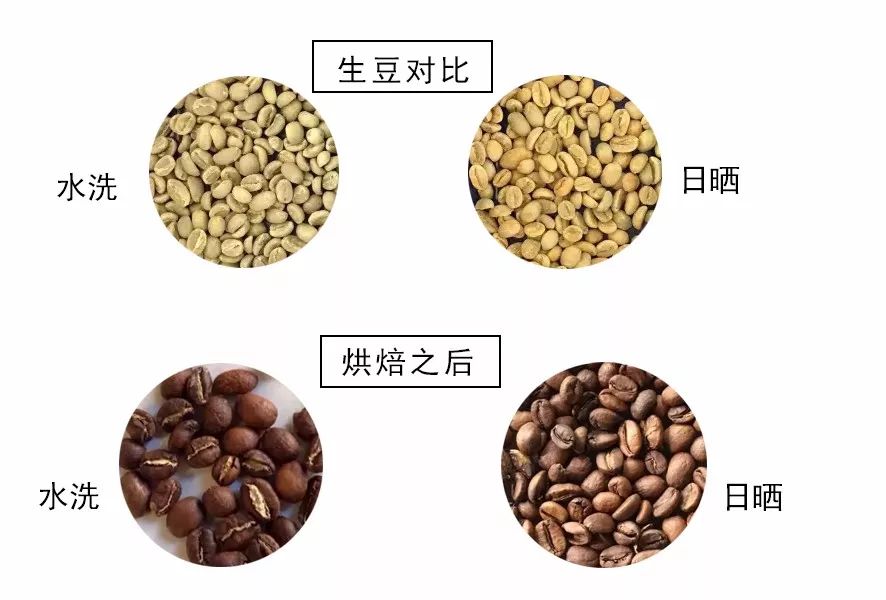 ,
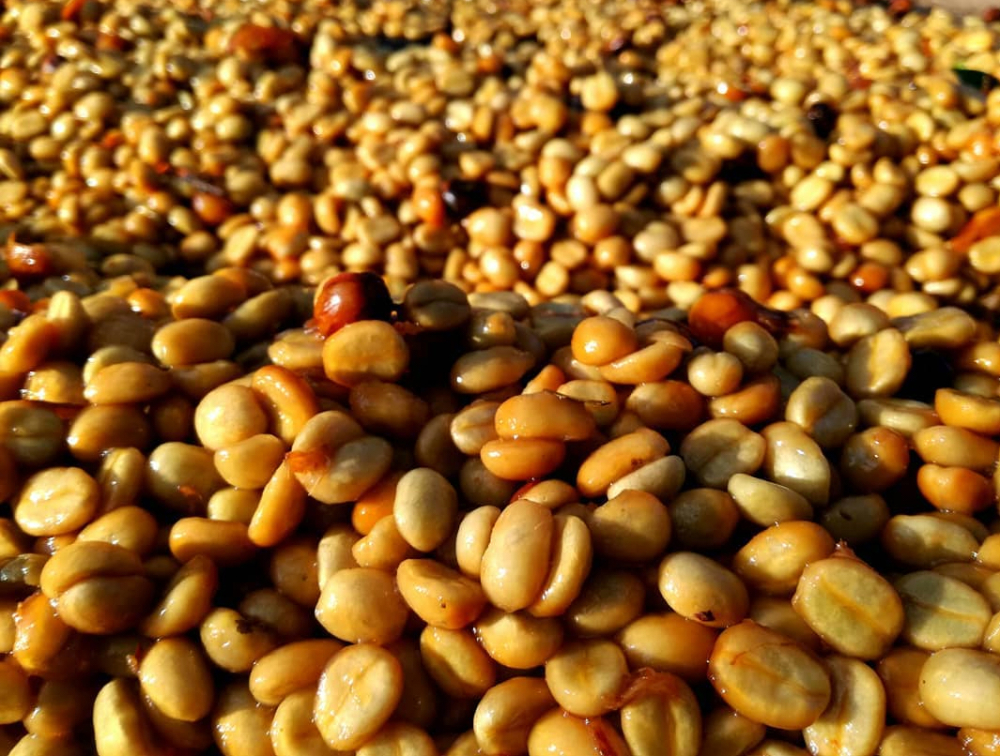 ,
 , etc., in sequence)
II. Burundi: The Dual-Washed Charm of the Heart of Africa
Burundi is located in the East African Rift Valley, featuring rugged terrain yet nurturing many high-altitude coffee farms. Most of its coffee is of the Bourbon variety and undergoes the region’s unique “double-washed” processing method, resulting in exceptionally clean, bright acidity and fruity notes.
1. Heart of Africa
Region: Rutorana Town | Elevation: 1400–1700m | Variety: Bourbon | Processing Method: Washed
Flavor: Honey tangerine and tea aroma in the dry grounds, black plum and mandarin on the palate, with nutty and caramel sweetness in the mid-to-late stages, and a strong, lingering finish.
III. Kenya: SL Varieties and the Ultimate Acidity of 72-Hour Washed Process
Kenyan coffee is famed for its high altitude (1500–2100m), two harvest seasons, and the unique K72 processing method (i.e., 72-hour fermentation + 24-hour clean water soaking), showcasing highly distinct fruit tones and bright, high acidity.
1. Thithi
Region: Kiambu | Elevation: 1680m | Variety: SL28, SL34, Ruiru | Processing Method: Washed | Grade: AA
Flavor: Dark plum, cherry tomato, and honey tones, with a juicy mouthfeel, bright acidity, and mild nutty notes as it cools.
2. Little Tomato Coffee
Region: Thika | Elevation: 1550–1750m | Variety: SL-28, SL-34 | Processing Method: 72-Hour Washed | Grade: AA TOP
Flavor: Tomato and floral wet aroma, high-temperature caramel sweetness, with cherry tomato and dark plum acidity as it cools, balancing juiciness and sweetness.
IV. Rwanda: Stable Acidity through Washed Processing
Rwanda primarily focuses on the Bourbon variety and washed processing, delivering clear acidity and high cleanliness, making it a key acidity-balancing component in many blends.
1. Washed Rwanda Red Bourbon Coffee
Region: Nyamasheke | Elevation: 1700–2000m | Variety: Bourbon | Processing Method: Washed
Flavor: Citrusy sweetness, berries, apples, honey sweetness, with almond and chocolate notes in the finish.
V. Tanzania: The Gentle Red Wine Aroma of Kilimanjaro
Tanzanian coffee is represented by the Kilimanjaro mountain region, where washed processing yields gentle acidity and rich red wine aromas, with outstanding sweetness.
1. Kilimanjaro Coffee Beans
Region: Kilimanjaro Volcanic Region | Elevation: 1300–2000m | Variety: Bourbon | Grade: AA | Processing Method: Washed
Flavor: Honey, berries, and tea-like notes, with a mild mouthfeel and pronounced red wine aromas.
(Original illustration positions throughout the article are retained in sequence: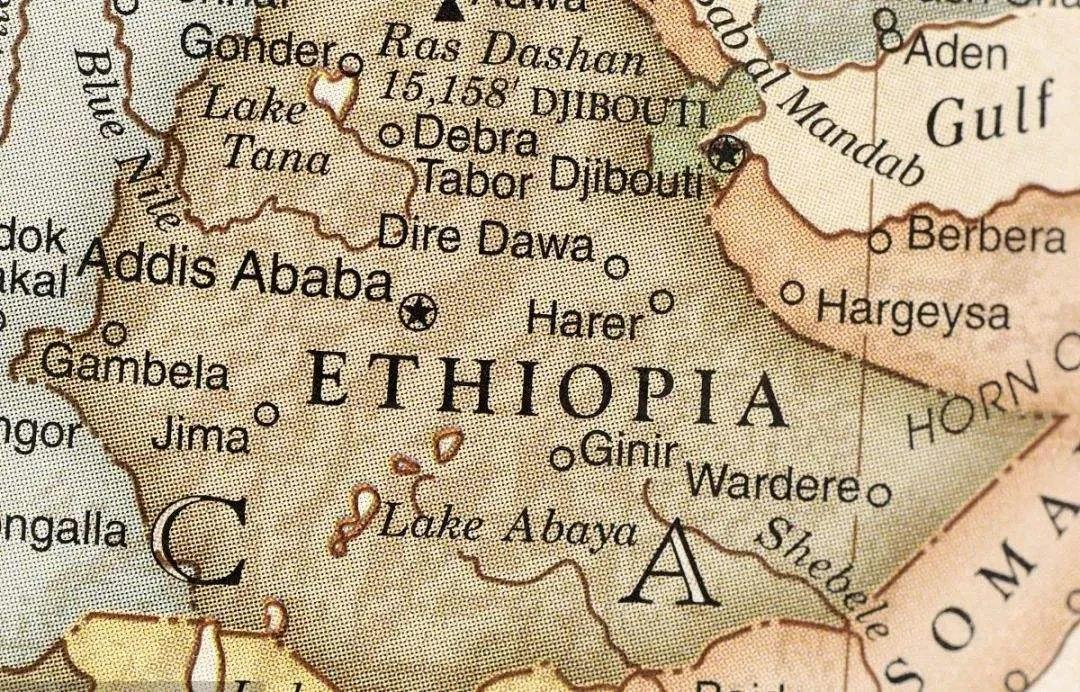
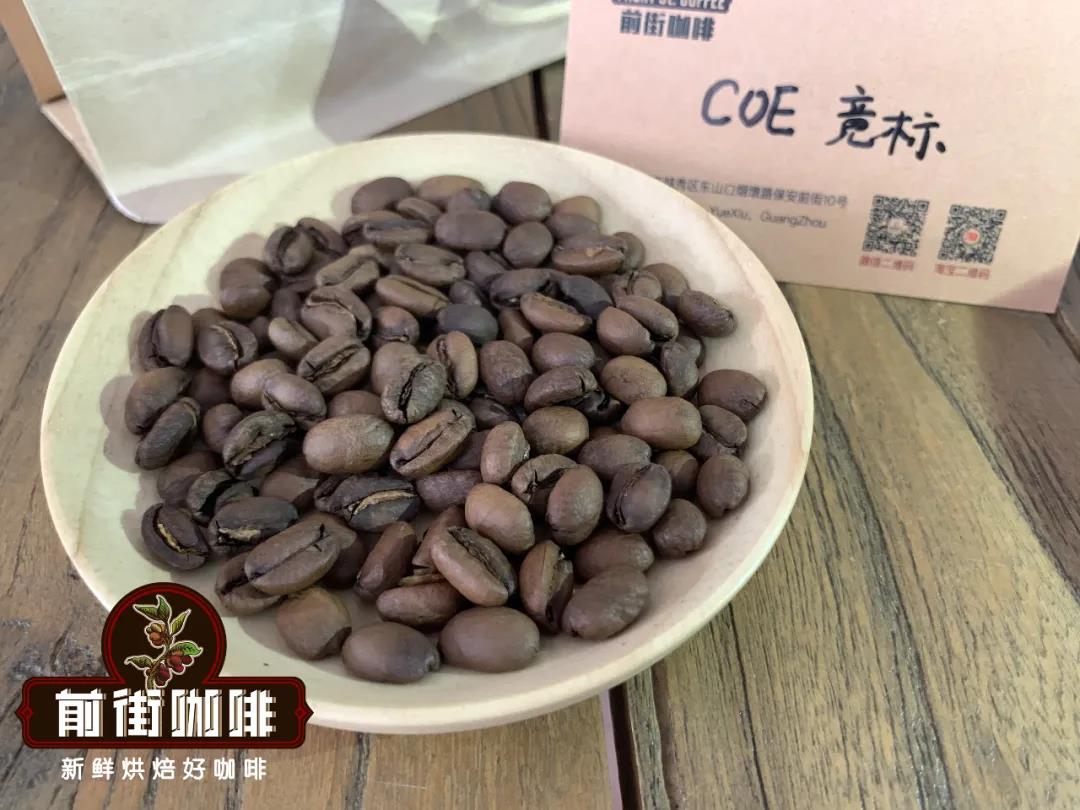


The above content is compiled by CoffeeHunters, a coffee news website.


