







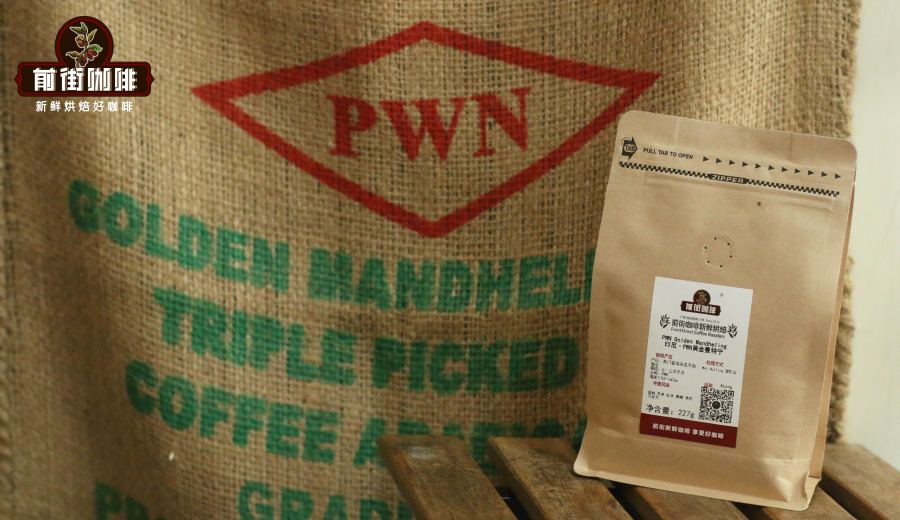
Introduction:Indonesian Mandheling is renowned for its unique herbal and spicy flavor profile, but many people find it challenging to extract the rich, sweet flavors as they do in cafés when brewing at home with pour over. This article provides a detailed guide—from bean freshness, the characteristics of the wet-hulled process, to grind size, water-to-coffee ratio, water temperature, filter choice, and pouring techniques—on how to showcase the complex layers of Mandheling through pour over. It will help you easily brew a cup of black coffee with balanced aroma and pronounced aftertaste.
Indonesian Mandheling is a classic favorite among many coffee enthusiasts, with its distinctive herbal and spicy notes paired with a bold, full-bodied mouthfeel that leaves a lasting impression. However, many people brewing at home often end up with a flat, overly bitter taste, unable to replicate its captivating aroma and layered complexity. What exactly goes wrong? Using Golden Mandheling from a well-known Indonesian producing region as an example, this article breaks down all key elements of pour over Mandheling—from bean freshness, the local wet-hulled processing method, to grind size, water temperature control, filter selection, and segmented pouring techniques—to help you enjoy a clean, rich, and long-lasting Mandheling black coffee at home.
First and foremost, selecting a freshly roasted pack of Golden Mandheling coffee beans is crucial. It’s recommended to choose beans roasted within five days, as there is an optimal flavor window shortly after roasting. After about a month, the aroma significantly diminishes, and it becomes difficult to extract the original flavor characteristics through pour over. Therefore, maintaining bean freshness is the first step to achieving great flavor.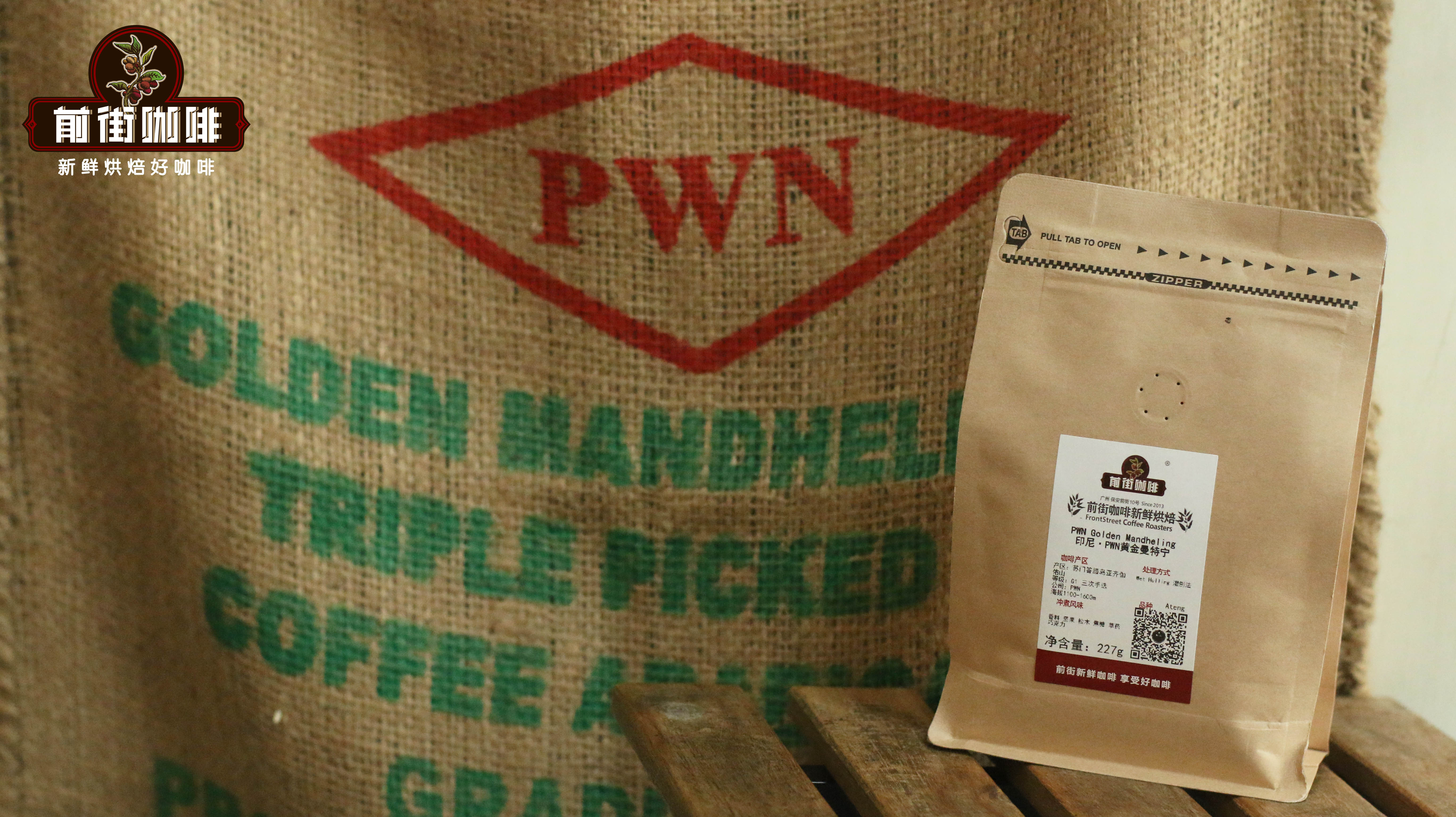
Golden Mandheling mainly comes from the Sumatra region of Indonesia and is processed using the local wet-hulled method. Although this method may increase the rate of defective beans, it imparts a strong herbal and woody aroma to the coffee—this is the so-called "regional character" commonly found in Indonesian coffees. During the wet-hulling process, the coffee beans are hulled before they are fully dry, exposing them directly to external moisture and microbes, which further shapes their unique aromatic traits.
Because the beans are hulled while still semi-dry, the wet-hulled method puts considerable stress on the bean structure, making them prone to deformation or even cracking. As a result, the defect rate is relatively high. However, large exporters like PWN carefully select G1-grade coffee beans from high-altitude regions in northwestern Sumatra and conduct multiple rounds of manual sorting to ensure each bean meets high standards. G1 grade indicates that the green beans are larger than eighteen mesh, with no more than three defects in a 300-gram sample—it's the top tier among Indonesian green beans. This also ensures that the final brewed Mandheling is cleaner, fuller-bodied, and noticeably sweeter.
To highlight the bold character of Mandheling, these beans are usually roasted to a medium-to-dark level, releasing aromas of dark chocolate and caramel. However, dark-roasted beans tend to release more bitter compounds, so it’s important to pay special attention to adjusting brewing parameters to balance the flavors.
For the coffee-to-water ratio, it’s recommended to use 15 grams of coffee grounds with 225 to 255 milliliters of water—that is, the common1:15 ratio. This range balances flavor expression and strength. If you prefer a bolder taste, you can try a 1:13 ratio, or opt for a 1:17 ratio if you prefer a lighter cup. But for most people,1:15 is a relatively safe and easy-to-adjust baseline.
In terms of grind size, since Mandheling is dark roasted, its internal structure is relatively loose and absorbs water quickly. It’s therefore recommended to use aslightly coarser medium-coarse grindthan what you’d use for light roasts—roughly equivalent to 70% extraction through a Chinese standard No. 20 sieve, or around setting 11 on home grinders such as the EK43s—to avoid over-extraction, which can lead to excessive bitterness and off-flavors.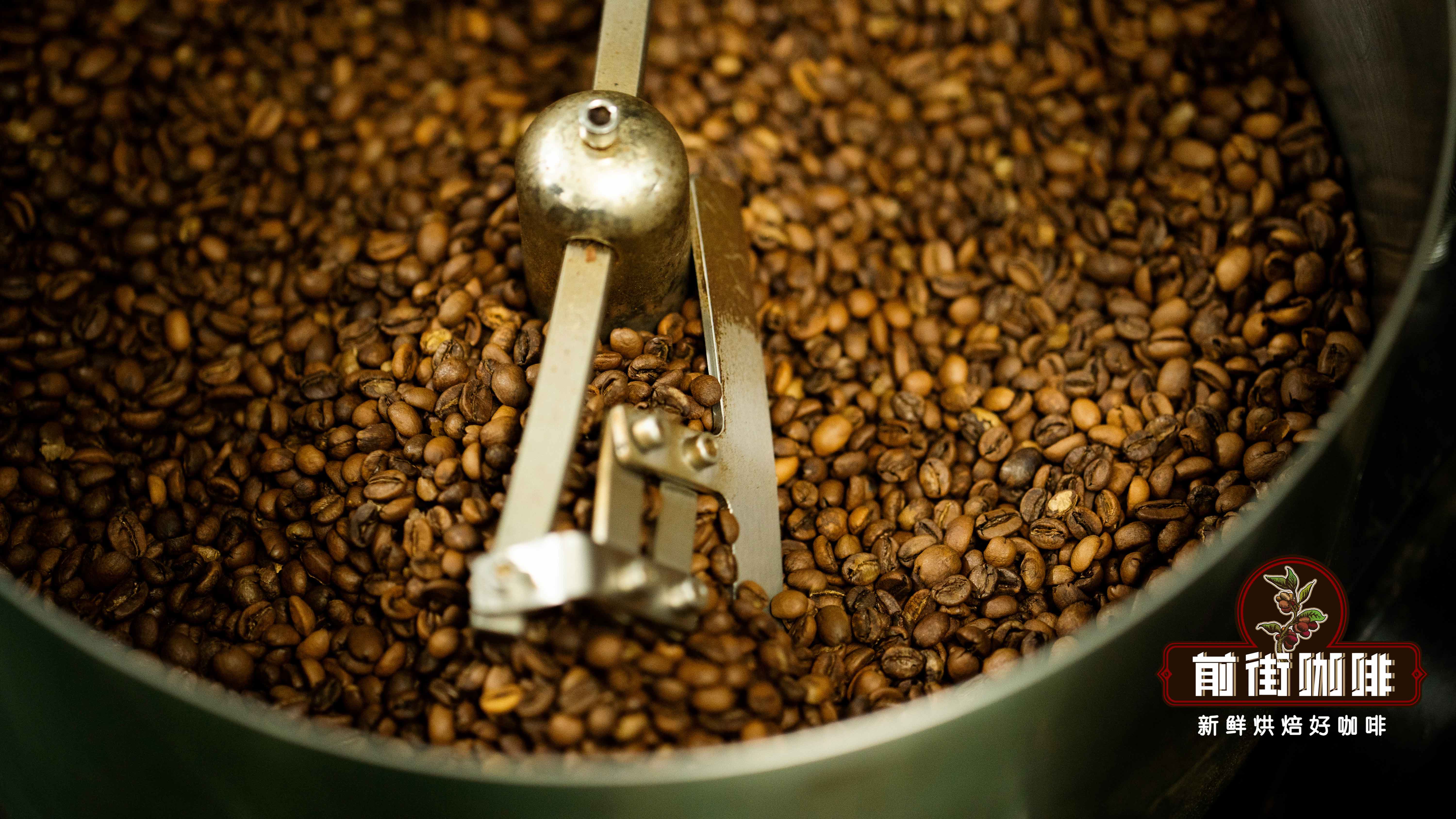
Water temperature control is also a key factor. For dark roasted beans, it’s advised to use alower water temperature between 87–88°Cto prevent high heat from extracting too many bitter and large molecular compounds, which can disrupt the overall balance of flavors. In contrast, light roasted beans typically use water temperatures of 91–93°C, but Mandheling’s character calls for gentler treatment.
The choice of filter also impacts the extraction result. For a coffee like Mandheling, which is full-bodied and emphasizes a smooth mouthfeel, it’s recommended to use aKONO filter. Its uniquely smooth curved surface and low-rise ridges allow the filter paper to adhere closely to the cup wall and restrict upward airflow, making the extraction process more immersion-like. This extends the contact time between water and coffee grounds, bringing out a richer, smoother mouthfeel. Using high-flow filters like V60 might make the overall flavor seem thinner.
Finally, segmented pouring is an excellent technique to enhance the sweetness and flavor layers of Mandheling. It’s recommended to use a three-pour method: start by wetting the filter, place 15 grams of coffee grounds in the filter, and pour 30 grams of water for a30-second bloom. This step helps release CO₂ from the coffee grounds and lays the foundation for subsequent extraction. Be mindful not to bloom dark roasted beans for too long, as it may release excessive woody off-notes.
Next, pour slowly with a small stream of water starting from the center until the total water volume reaches 125 grams, then perform the first pour segment. Once the coffee bed settles, continue pouring until you reach 225 grams, then stop pouring and let the coffee drip through completely. The total brew time should be kept within2 minutes, with a margin of error no more than 10 seconds. Finally, gently swirl the coffee in the lower carafe before enjoying this cup of Mandheling, rich in spices and dark chocolate flavors, with a full body and a long, sweet finish.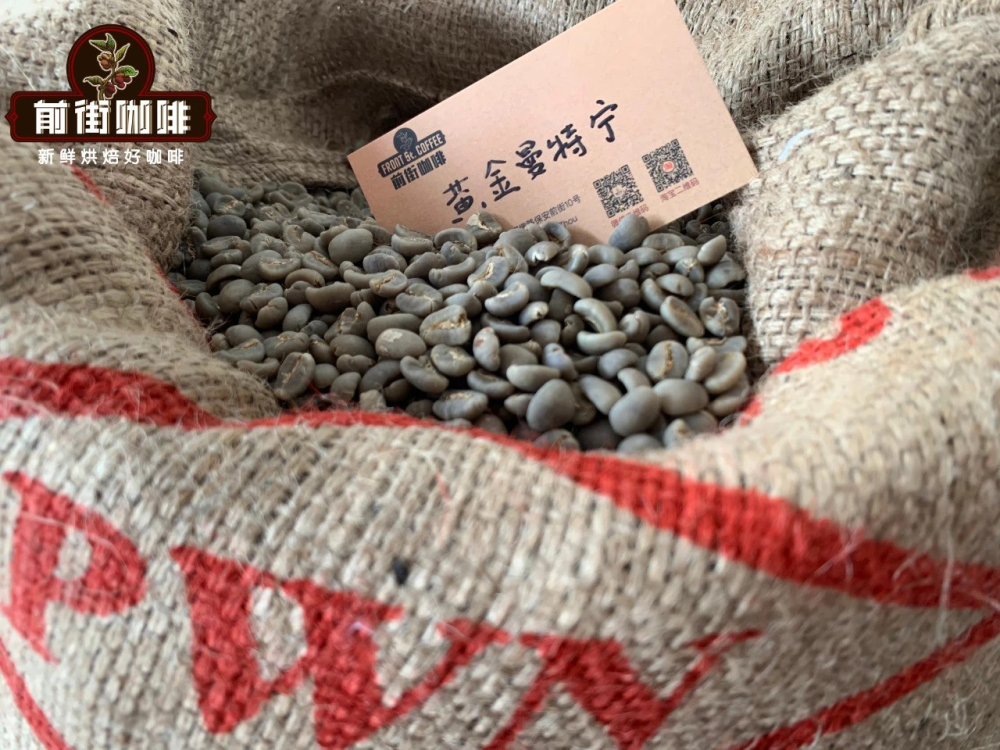
From grind size and water temperature to pouring technique, every step affects the final flavor. By mastering these key techniques, you can also easily brew a balanced, layered cup of Indonesian Mandheling at home and experience its unique herbal aroma and the charming sweetness and aftertaste.
The above content is compiled by CoffeeHunters, a coffee news website.


