








Introduction:Colombia is the world’s second-largest producer of Arabica coffee, boasting a rich diversity of regional characteristics and a long-standing industry development history. This article delves into the evolution of Colombian coffee — from its early introduction, post-war revival, to the rise of specialty coffee — analyzing the unique flavor profiles of the Huila washed beans and the Cauca Paradise Estate sakura beans. It also provides practical pour over recommendations and parameters to give you a comprehensive understanding of this beloved coffee-producing nation.
Though relatively small in land area, Colombia is the world’s second most important Arabica coffee-producing region after Brazil. From the introduction of coffee seeds by Jesuit missionaries in the 18th century, to the rise of smallholder farming following the Thousand Days' War, and then to the establishment of FNC and the advent of the specialty coffee era, Colombian coffee has forged a highly representative development path. Among them, the washed beans from the Huila region are often praised for their intense dark chocolate notes and gentle fruity acidity, while the sakura beans launched by Paradise Estate in the Cauca region feature a rich fruity aroma and layered fermentation profile thanks to a double anaerobic washed process.

The history of Colombian coffee can be traced back to the early 18th century. Records indicate that Spanish Jesuit missionaries brought coffee seeds to South America, and one such missionary named José Gumilla witnessed the emergence of coffee plantations in the Orinoco River basin before 1730, marking one of the earliest pieces of evidence of coffee cultivation in Colombia. Over time, coffee gradually became an important cash crop for the country, rising to become a major export commodity by the end of the 19th century. However, the Thousand Days' War severely damaged the original large-scale coffee plantations, leading to land abandonment and economic decline.
In the post-war period, the Colombian government re-divided the abandoned plantation lands and sold them at low prices to landless farmers, encouraging them to grow coffee alongside other crops using mixed cropping methods. This move not only revived the coffee industry but also established the smallholder-dominated industry characteristic. This flexible and decentralized business model enabled Colombian coffee to demonstrate high resilience and adaptability in the face of fluctuations in the international market.
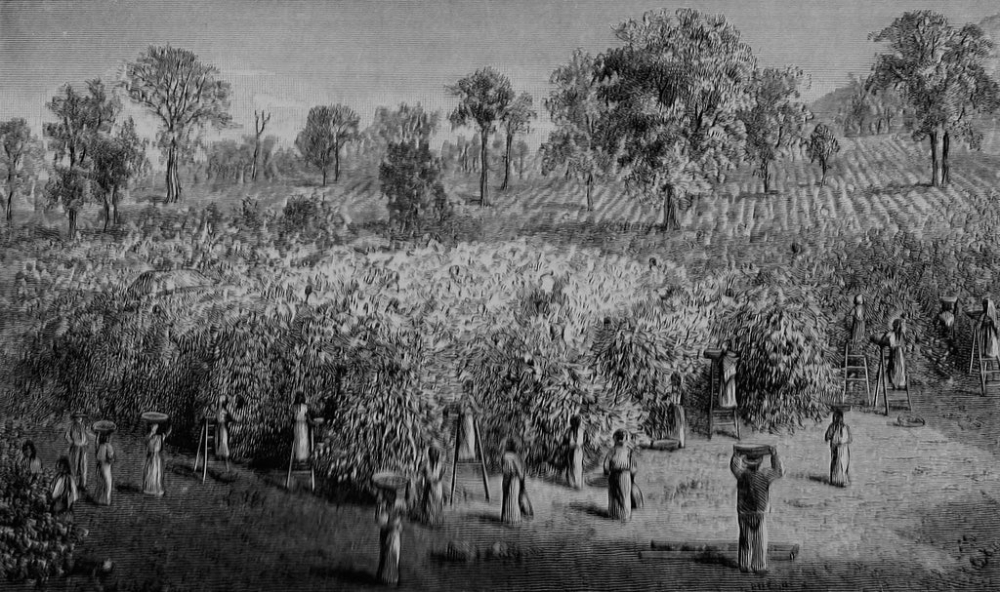
To further integrate resources and enhance global competitiveness, Colombian coffee growers established the “Coffee Producers Federation” in 1904, which further evolved into the “Colombian Coffee Union” in the 1920s, and finally officially became the state-affiliated “Colombian Coffee Growers Federation (FNC)” in 1927. The FNC is dedicated to promoting the Colombian coffee brand, safeguarding the rights of coffee farmers, and through marketing and technical support, successfully positioned Colombia as the world’s third-largest coffee exporter. Today, Colombian coffee, with its stable quality and consistent flavor, stands as a classic representative in the market.
Among the many producing regions, the Huila region excels in washed processing, fully showcasing regional terroir characteristics. Within the industry’s staple bean offerings, a Colombian washed bean from Huila is often highly regarded for its intense dark chocolate flavors and gentle fruity acidity. Such washed beans clearly present the basic flavor profile of the region, making them an ideal choice for beginners looking to get to know Colombian coffee. Compared to the sun-dried process which offers stronger aromas and sweetness, washed processing better preserves the inherent character of the region, making it suitable for coffee lovers who prefer classic flavor profiles.
The Cauca region is a high-altitude coffee powerhouse in Colombia, with an average elevation exceeding 1,700 meters, and some areas even reaching up to 2,100 meters. The significant diurnal temperature variation in this region slows down the ripening process of coffee cherries, allowing more time for nutrient accumulation, which results in richer acidity and sweetness. Paradise Estate is one of the representatives of the Cauca region. Since taking over in 2008, its owner Diego Samuel has been committed to variety improvement and processing innovation, earning multiple awards in domestic and international coffee evaluations and solidifying its status in the specialty coffee scene.
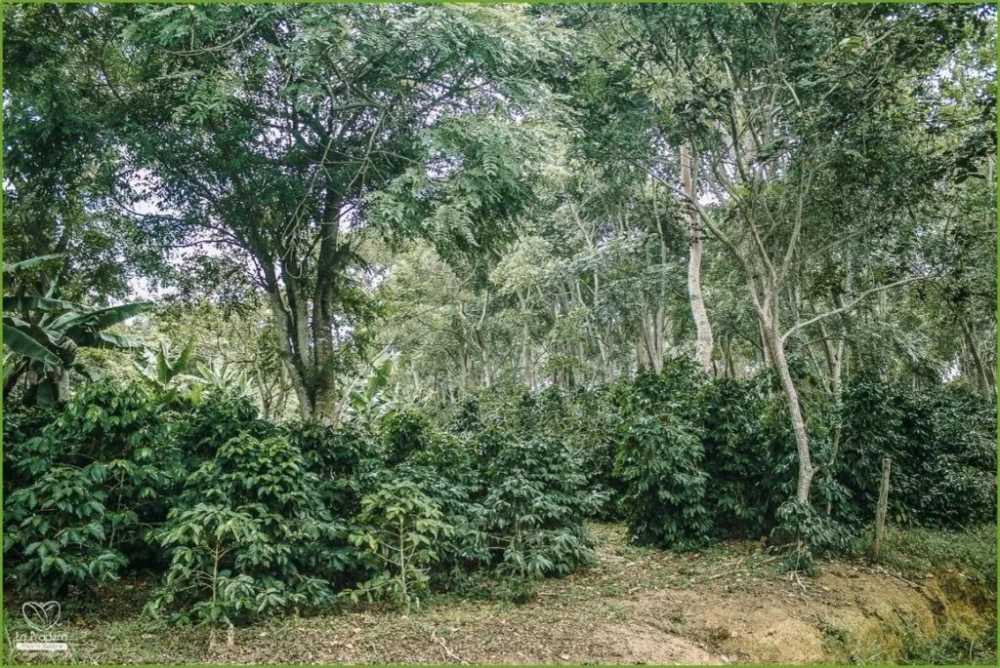
The “Sakura Bean” launched by Paradise Estate uses the Castillo variety and employs an innovative double anaerobic washed process. This process first subjects the whole coffee cherries to a primary anaerobic fermentation, then removes the skin and pulp, retaining the seeds with mucilage for a secondary anaerobic fermentation. After fermentation, water is used to wash away residual mucilage, followed by sun drying. This complex process not only enhances flavor complexity but also delivers a fuller body and pronounced fruity aroma.
Cupping results show that this coffee, grown at an altitude of 2,050 meters, exhibits intense fruit sweetness and fermentation layers. The cup presents aromas of basil and rosemary, with a lingering finish hinting at light strawberry jam. Although named “Sakura,” the actual flavor profile is not directly related to cherry blossoms, but rather inspired by a unique scent the estate owner noticed during processing, which led to the naming. After medium roasting, this bean achieves a balance between aroma and taste, making it highly suitable for coffee lovers who enjoy fruity and fermented profiles.
For brewing recommendations, it is advised to use a Hario V60 dripper, with water temperature controlled at 90°C, around 15 grams of coffee grounds, and a brew ratio set at 1:15. The grind size is recommended to be 80% passing through a standard Chinese No. 20 sieve, equivalent to a medium-fine grind. Begin with about 30 seconds of blooming to help release carbon dioxide from the coffee grounds and improve subsequent extraction efficiency. Observe whether the coffee bed uniformly expands during blooming; if expansion is not obvious, shorten the blooming time; conversely, you may slightly extend it.
After blooming, start pouring slowly with a thin stream in circular motions from the center outwards until you reach 125 grams, then continue pouring until you reach 225 grams as the water level drops close to exposing the coffee bed. The total extraction time should be controlled to approximately 2 minutes. These parameters fully highlight the Sakura Bean’s aroma and complexity, and are best used with freshly roasted beans (recommended within 5 days post-roast) to achieve optimal flavor expression.
The above content is compiled by CoffeeHunters, a coffee news website.


