







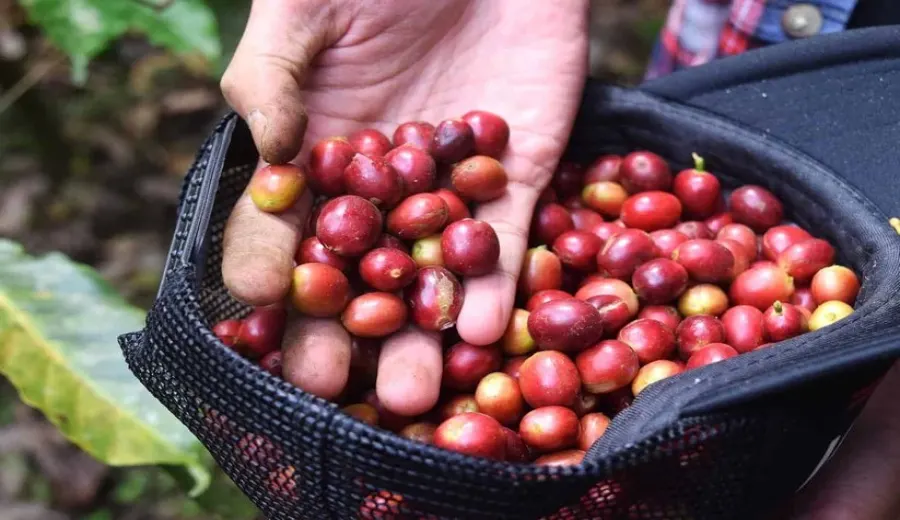
Introduction:Indonesian coffee is renowned for its rich and bold Mandheling, but Bali’s civet coffee is equally intriguing. This article delves into the origins, unique processing methods of these two coffees, and provides a detailed comparison of their flavor profiles. It also offers pour-over parameters and techniques for civet coffee to help coffee enthusiasts master brewing essentials and find the bean that suits their taste preferences.
Indonesian coffee holds an irreplaceable position in the global market, with Mandheling being the most celebrated. Beyond the classic flavors of Sumatra, Bali’s civet coffee has garnered attention due to its distinctive processing method. Starting with the planting background, this article explores the diversity of Indonesian coffee and offers an in-depth comparison of the flavor characteristics of Bali’s civet coffee and Mandheling, along with practical pour-over parameters and steps to help you fully explore the rich layers of Indonesian coffee.
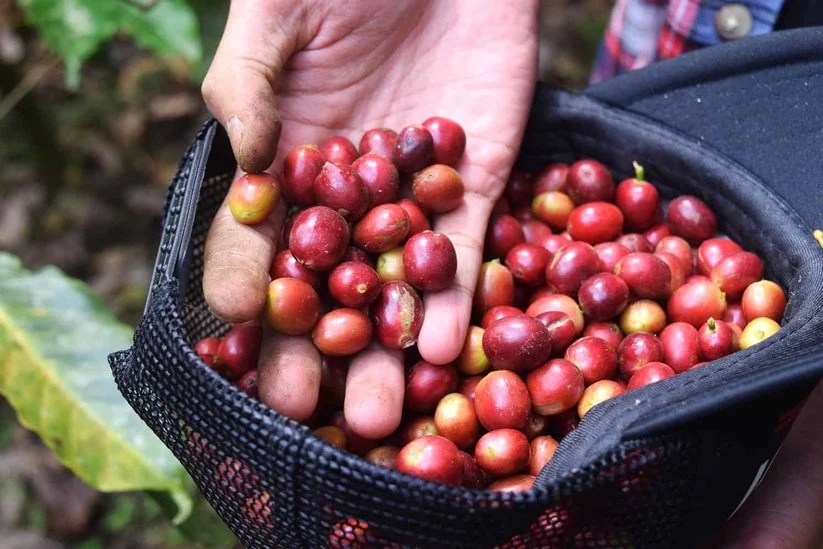
When it comes to Indonesian coffee, most people think of Mandheling—a coffee with a bold profile, syrupy sweetness, and a long aftertaste, highly favored by the Japanese market. However, Indonesia also offers a uniquely distinctive coffee from the tourist destination of Bali: ‘civet coffee,’ processed through the digestion of civet cats. This coffee is not only rare but also sparks curiosity with its unique flavor and production process.

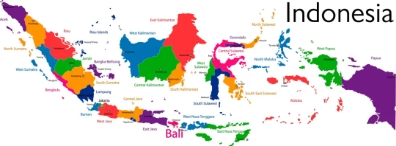
Comprising over 17,000 islands, many located near the equator in volcanic zones with abundant rainfall and fertile volcanic soil, Indonesia provides ideal conditions for coffee cultivation. The main high-quality producing regions are concentrated in Java, Sumatra, and Sulawesi. Overall, Indonesian coffee is known for its full-bodied and rich flavors, aromatic complexity, and pronounced sweetness, with respectable acidity. However, some coffees may have astringency or earthy notes, depending on the processing method and variety.
The history of coffee cultivation in Indonesia dates back to the mid-17th century when Dutch colonists introduced coffee trees to the region. The first successful cultivation was in Batavia (now Jakarta) on Java, gradually expanding to other islands. However, the coffee leaf rust disaster of 1877 severely damaged local Arabica plantations, leading to a widespread shift to Robusta. Today, about 85% of Indonesia’s coffee is Robusta, with only 15% Arabica, mostly grown by smallholder farmers on over one million hectares of land.
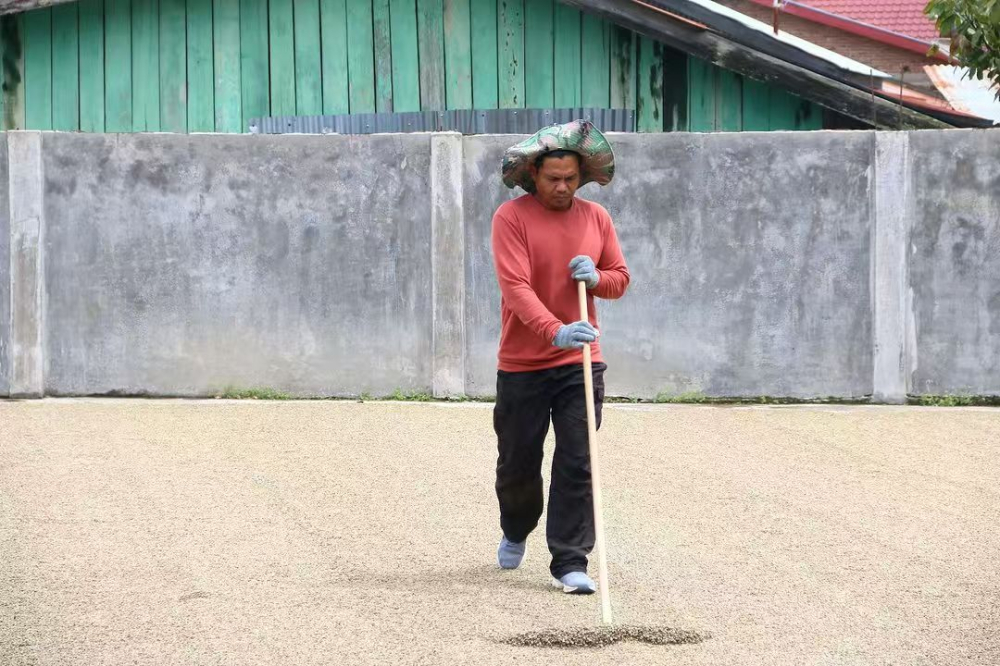
Sumatra is one of Indonesia’s most famous coffee-producing regions, with the northern part around Lake Tawar in Central Aceh and the areas surrounding Lake Toba in the south being particularly renowned. Coffee from these regions is often processed using semi-washed methods, and due to soil characteristics, the green beans often exhibit a unique bluish hue. ‘Golden Mandheling’ is a premium representative from northern Sumatra, made exclusively from hand-picked fully ripe coffee cherries, processed through semi-washed, sun-dried, multiple refinements, and strict hand sorting to achieve its rich, low-defect top-tier flavor. Golden Mandheling labeled ‘PWN’ is produced by Indonesia’s Pawani company and is a registered trademark.
In contrast, Bali coffee, while also part of Indonesia, is distinct in quality and production, setting itself apart from other Indonesian regions. Bali grows both Arabica and Robusta, with the Catimor variety—a hybrid of Arabica and Robusta—mainly cultivated in the Kintamani Highlands at elevations of about 1,000 to 1,500 meters. However, the 1963 eruption of Mount Agung severely impacted the coffee industry, and to this day, about 80% of the island’s production remains Robusta. Japan was previously the main export market, with the harvest season running from May to October each year.
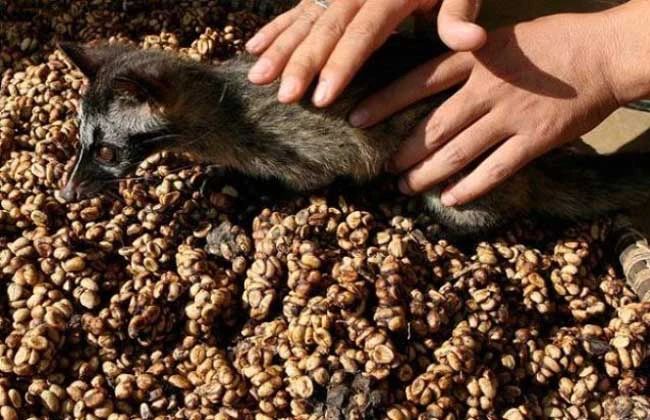
When discussing Bali coffee, one cannot overlook its most talked-about ‘civet coffee.’ The uniqueness of this coffee lies not in its origin but in its special processing: civet cats (small mammals) consume ripe coffee cherries, digest the pulp, and excrete the hard coffee beans. These beans are then selected, cleaned, dried, deodorized, sorted, and roasted, eventually becoming the extremely rare and expensive ‘civet coffee’ found in the market. Since civet cats are mainly active at mid-to-low altitudes, most of the beans are Robusta, characterized by strong earthy notes and high body, offering a unique flavor suited to those who enjoy aged beans or bold tastes.
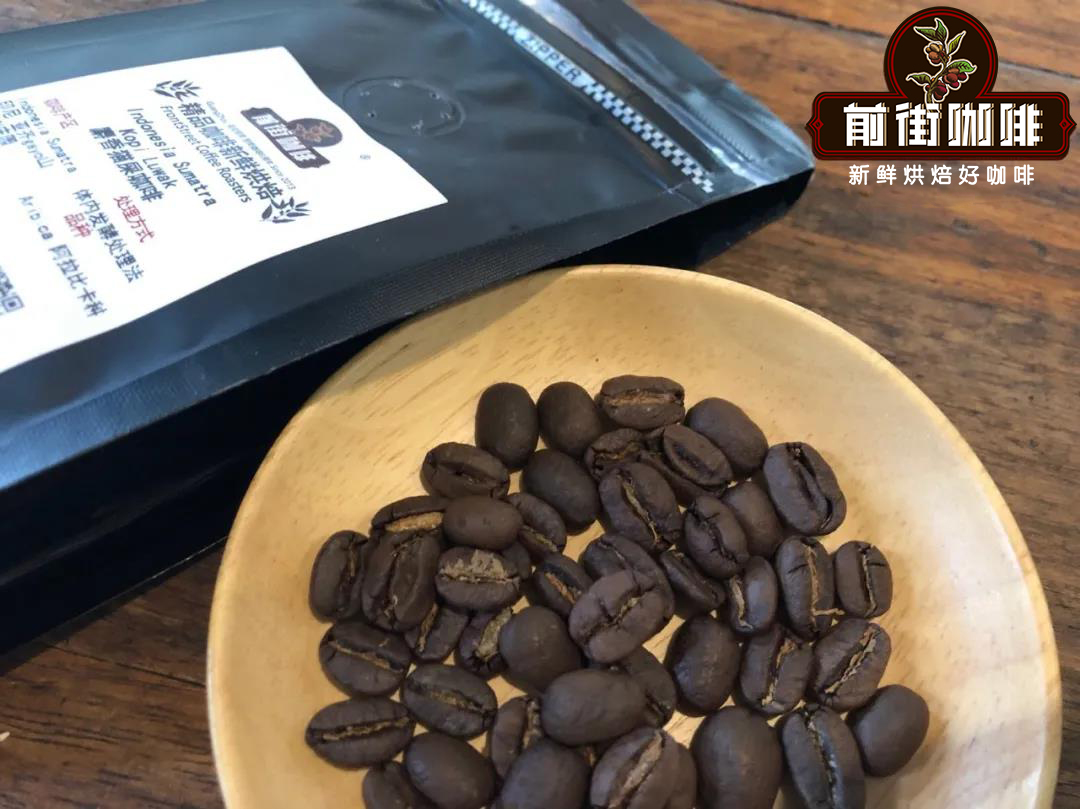
To fully highlight the boldness and herbal notes of civet coffee, a medium-dark roast is recommended, along with specific pour-over parameters. It is suggested to use a KONO filter, which, although slightly less effective in gas release, extends the water-to-coffee contact time, extracting more soluble substances to deliver a rounder mouthfeel. Suggested parameters are as follows: water temperature around 86–87°C, grind size similar to fine sugar, and a coffee-to-water ratio of 1:15 (e.g., 15 grams of coffee grounds to 225 milliliters of water).
Recommended pour-over steps:
1. First pour 30 grams of water, bloom for about 25 seconds.
2. After the bloom, pour to 125 grams, then continue when the water level drops to half.
3. Final pour to a total of 225 grams, with total extraction time controlled between 1 minute 50 seconds and 2 minutes.
In terms of flavor, civet coffee typically exhibits herbal and nutty notes, with a smooth and rich mouthfeel. However, due to its limited production and high price, it is recommended based on personal preference. For those who prefer other flavors, Indonesian Golden Mandheling is also a great choice, meticulously hand-sorted with an extremely low defect rate, offering clear aromas and elegant aftertastes.
The above content is compiled by CoffeeHunters, a coffee news website.


