







Introduction:The high humidity and frequent rainfall in Indonesia make traditional natural and washed processing methods difficult to execute, leading to the development of the unique wet-hulling process. This technique not only accelerates drying but also shapes the distinctive full-bodied flavor and low acidity characteristic of Mandheling coffee. This article provides an in-depth look at the wet-hulling process and offers expert pour-over brewing recommendations, including filter choice, grind size, water temperature control, and three-stage pouring techniques to help you fully showcase the unique flavors of Sumatran coffee.
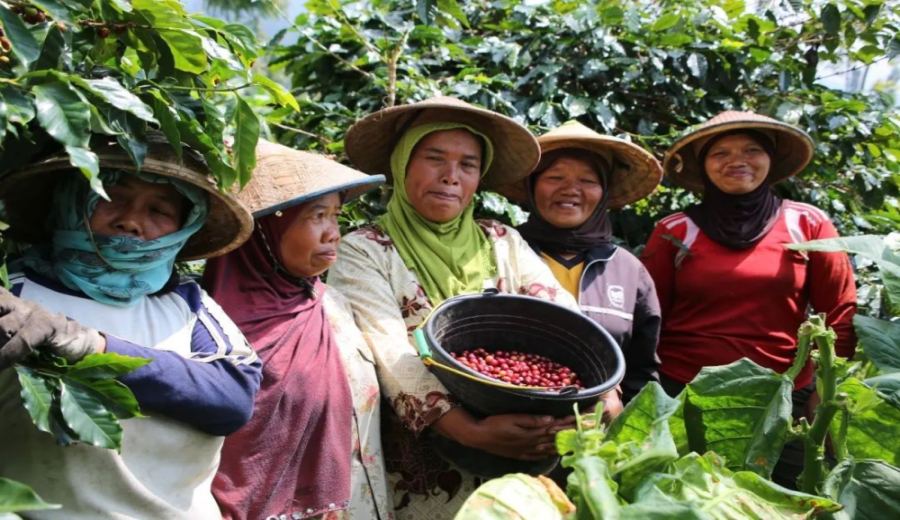
As one of the world’s major coffee-producing regions, Indonesia has a climate that differs significantly from that of Africa or Central and South America. With annual humidity typically ranging between 70% and 90%, rainfall often exceeding 2000 millimeters, and frequent typhoon activity, the prolonged sun-drying methods favored in Africa or the water-intensive washed process prove challenging to implement. It is under these demanding conditions that Indonesian coffee farmers gradually developed the distinctive "wet-hulling" processing method, giving rise to bold and highly recognizable coffees such as Mandheling.
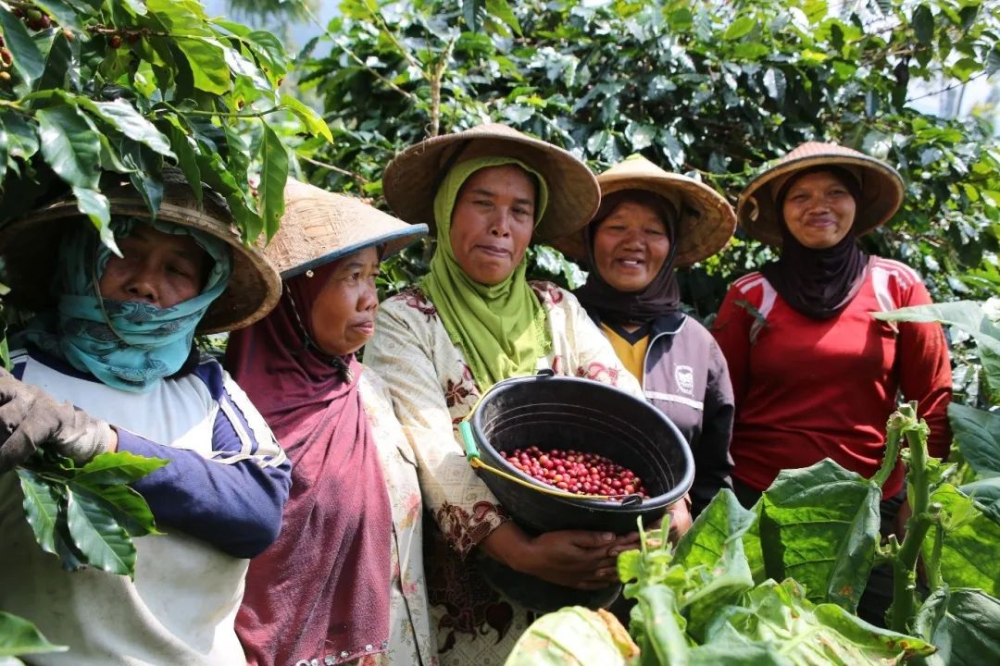
The wet-hulling process differs greatly from conventional sun-drying and washed methods. First, the coffee cherries are depulped using a pulper to remove the outer skin, after which the beans are briefly fermented in water—usually for just a few hours. At this stage, some mucilage still remains on the bean husk and must be manually brushed off. The beans, still covered with their parchment layer, are then moved outdoors for initial sun drying until their moisture content drops to around 30%–40%. At this point, farmers typically sell these semi-dried parchment beans to traders or processing mills.
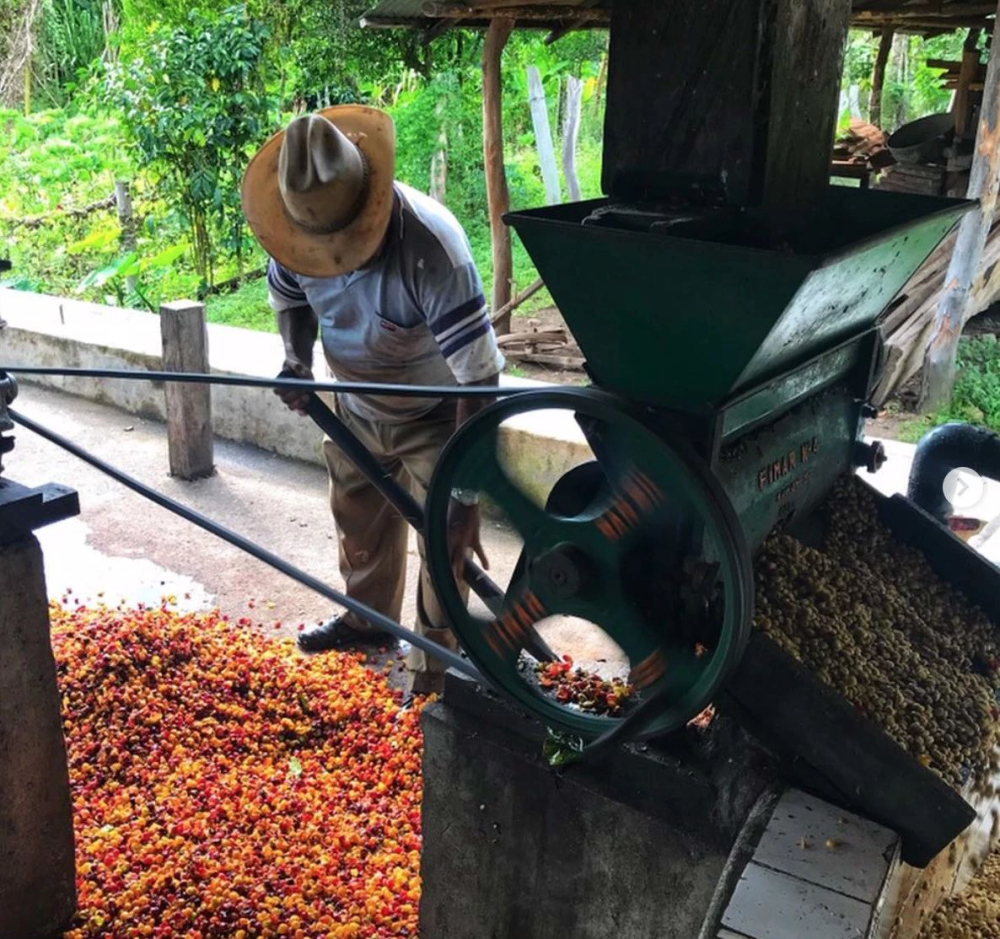
Once acquired, these semi-dried beans undergo immediate hulling. The hulling machines used at this stage have strong friction, stripping away the tightly adhered parchment layer—often accompanied by the release of white or greenish mucilage. Having been soaked in a moist environment for an extended period and just having had their protective layer removed, the beans are usually soft in texture, grayish-green in appearance, and fragile, often developing cracks at both ends, resulting in what is commonly known as "elephant foot beans." In this state, without proper protection, the beans are highly susceptible to mold or other microbial contamination.
The most notable feature of wet-hulling is the significant reduction in fermentation time, resulting in relatively low acidity but markedly enhanced body, along with prominent grassy and herbal aromas. Moreover, because the "naked" beans continue drying in a hot and humid environment post-hulling, they further absorb ambient moisture, producing the signature "earthy" aroma unique to Sumatra. This aroma is often described as a blend of soil, herbs, and cedarwood. After subsequent roasting, such coffees often exhibit intense dark chocolate, caramel, and nutty notes, particularly appealing to those who prefer dark roasts—especially popular in the Japanese market.
For Indonesian Mandheling coffee, which features a full body and concentrated flavors, many professional baristas prefer the KONO filter when brewing pour over. Compared to the common v60, the KONO filter has a smoother curve that allows the paper to adhere tightly to the cup wall when wet, reducing bypass flow. Additionally, its flow-guiding ribs occupy only a quarter of the filter’s height, significantly restricting upward airflow and causing the brewing water to primarily flow from the bottom to the server. This prolongs the contact time between water and coffee grounds, fostering an immersion-style extraction that results in a rounder, fuller, and more flavor-concentrated cup.
When brewing medium to dark roasted beans, the high-temperature roasting process leaves the internal bean structure relatively loose, greatly increasing the water absorption capacity of the ground coffee. Without adjusting brewing parameters accordingly, over-extraction and bitterness can easily occur. To balance aroma and taste, the key strategy lies in reducing overall extraction yield. Common practices include using slightly lower water temperatures and maintaining a medium-coarse grind akin to coarse sugar, effectively minimizing the release of large bitter molecules.
Dark roasted beans, having undergone high-temperature treatment, have an internal structure that is already very loose—so much so that they can crumble with light pressure—indicating a significantly increased rate of water absorption and flavor compound release. To avoid excessive extraction of bitter components, it’s recommended to adjust the grind to a coarser level and use relatively cooler water temperatures for pour over. Grind size has a profound impact on coffee flavor—when hot water meets coffee grounds, a large number of soluble substances are released, including acids, sweetness, and bitterness. To precisely control grind fineness, many professional baristas use a Chinese No. 20 0.85mm standard sieve for testing. Generally, for medium to light roasts, a sieve passing rate of 75%–80% is advised, while for medium to dark roasted Mandheling, a passing rate of 70%–75% is suggested to prevent excessive release of large bitter molecules.
Water temperature is another critical factor influencing extraction efficiency. The higher the water temperature, the faster the extraction rate, making substances—including bitter compounds—more likely to be released, thereby increasing overall concentration. Brewing with near-boiling water can easily bring out unpleasant off-flavors and over-extracted bitterness. Therefore, a different water temperature strategy is recommended for medium to dark roasted beans compared to light roasts. While common brewing temperatures for light roasts range between 91°C and 93°C, for medium to dark roasted Mandheling, it is recommended to use 87°C to 88°C —a relatively lower temperature—to reduce the risk of over-extraction while preserving sweetness and body.
Recommended pour-over parameters are as follows: use a water temperature of 87–88°C, a coffee dose of 15 grams, with a brew ratio set to 1:15, and employ a medium-coarse grind (approximately 70% passing rate through a No. 20 sieve). For brewing, it is suggested to use a three-stage pouring method to fully highlight Mandheling’s full body and caramel sweetness.
The first stage is the bloom, pouring 30 millilitersof water to allow the coffee grounds to fully absorb moisture and degas, laying the foundation for subsequent extraction. The second stage involves adding 100 milliliters, which helps bring out the golden crema on the coffee’s surface while gently raising the coffee bed. Finally, the third stage consists of slowly pouring 95 millilitersgently at the center of the coffee bed, enhancing overall sweetness and resulting in a rich, full-bodied cup with a well-balanced caramel and chocolate flavor profile.
The above content is compiled by CoffeeHunters, a coffee news website.


