








Introduction:Papua New Guinean coffee is often hailed as the "Little Blue Mountain," standing out among Asian origins with its gentle fruit acidity and herbal aroma. This Typica washed bean from Sigri Heavenly Bird Estate combines the sweetness of toasted bread, nutty fragrance, and spicy aftertaste, offering a bright and clean cup profile. This article delves into its unique charm by exploring its growing environment, historical background, grading standards, and washed processing methods, while also comparing it to Jamaican Blue Mountain.
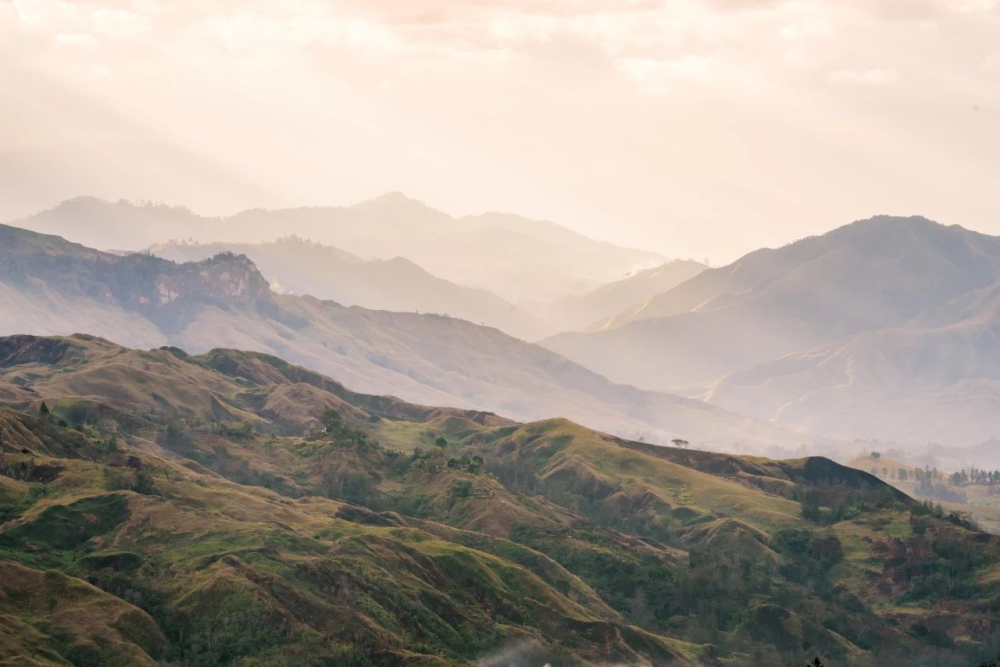
Papua New Guinea is an island nation in the South Pacific, with land area and population second only to Australia. Beyond its pristine and underdeveloped natural environment, its location between the equator and 10°S latitude, at elevations of 1,200 to 2,500 meters, along with frequent volcanic activity, has created mineral-rich volcanic soil—ideal for coffee cultivation. As a result, the coffee cherries grown here retain the most authentic and pristine flavors.
The history of coffee cultivation in Papua New Guinea dates back to 1931, when the Typica variety—also the progenitor of the famous Jamaican Blue Mountain—was introduced from Jamaica. Given the close ties between Australia and the UK at the time, this introduction was a natural progression. By 1950, the Bourbon variety introduced from Kenya also arrived locally. With government support, the coffee industry grew rapidly during the 1970s and 1980s. Later, in 1962, the New World and Caturra varieties were brought in from Brazil, significantly elevating the quality of Papua New Guinean coffee.
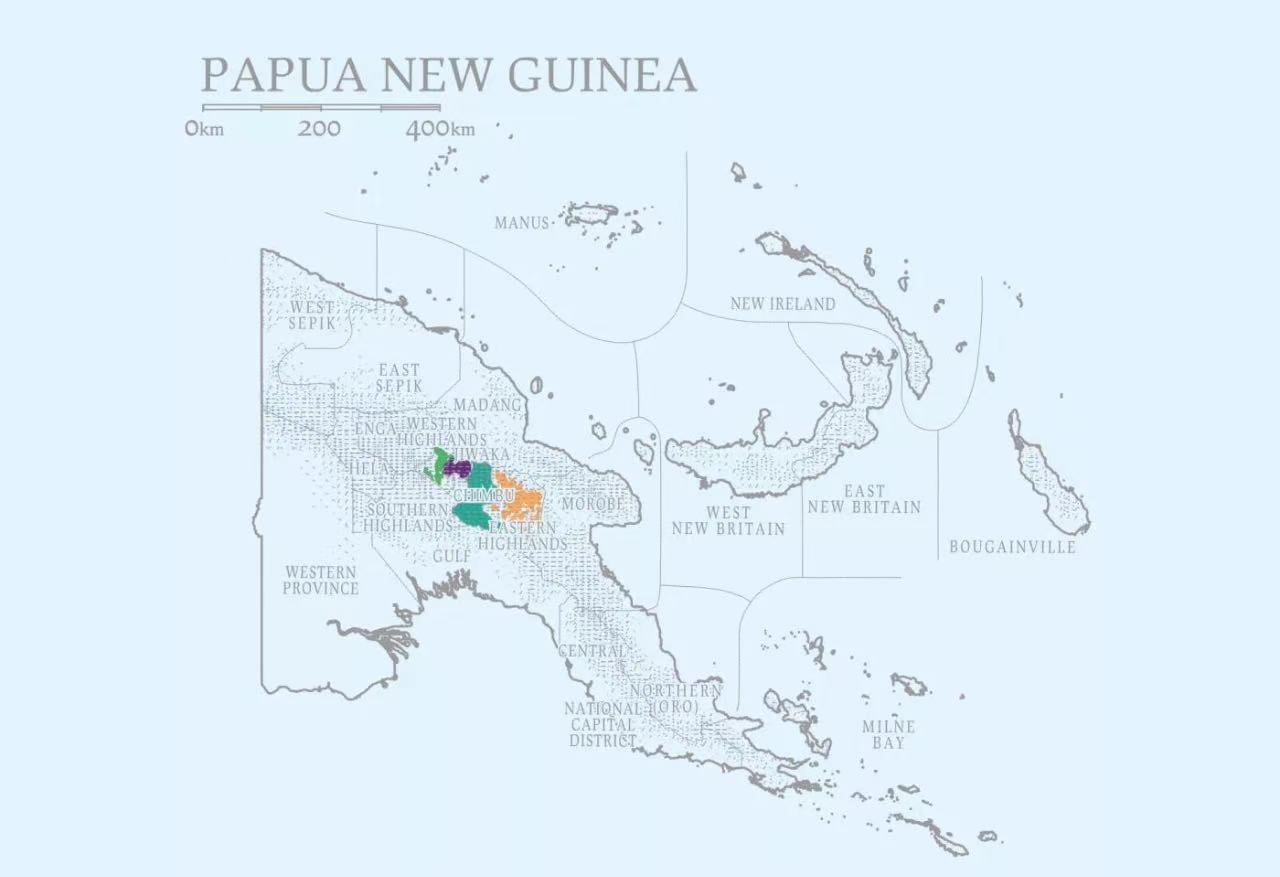
The country’s specialty coffee primarily comes from highlands above 1,000 meters in elevation, including the Waghi Valley and Sigri Estate in the Western Highlands, as well as Aroma, Gimil, Aroraka, and Krocka Estates in the Eastern Highlands. Among these, Sigri Estate is one of the most representative regions, and the "Little Blue Mountain" coffee introduced in this article comes from this very estate. This Typica washed bean delivers a distinct sweetness reminiscent of toasted bread on the palate, accompanied by soft nutty notes and delicate fruit acidity. Its finish hints subtly at spicy sweetness, offering a rich yet balanced cup that is regarded as one of the clearest and brightest examples from Asian origins.
However, it still differs noticeably from Jamaican Blue Mountain. While Jamaican Blue Mountain is known for its full-bodied and rich mouthfeel, this Papua New Guinean coffee shares a similar body but adds a touch more bright fruit acidity, making its flavor profile more vibrant.
Like Kenya, Papua New Guinea grades its coffee beans based on size. Although bean size doesn’t entirely equate to flavor quality, in many regions, larger, uniformly ripe beans are indeed easier to roast to achieve stable and excellent flavor profiles. Here are the commonly used grading standards in the country:
Grade E: Flat beans over 19 screen size, commonly known as elephant beans;Grade AA: 17 to 18 screen (7.2–8.2 mm);Grade AB: 16 to 17 screen (6.2–6.8 mm), the most common green bean grade;Grade PB: Peaberry beans, each containing only one seed, sized around 4.7–6.6 mm;Grade C: Below 14 screen (4.0–6.3 mm), usually not considered specialty grade;Grade TT: Lighter beans screened from Grade AA and AB via air classification;Grade T: Below 12 screen, softer beans with more defects;Grade MH/ML: Fallen beans that are unwashed and unsorted, the lowest grade;TOP Grade: Cupping-based grading, but not an official standard;PLUS(+) Grade: Standards vary by company, for reference only;FAQ Grade: Allows minor defects but without affecting overall flavor.
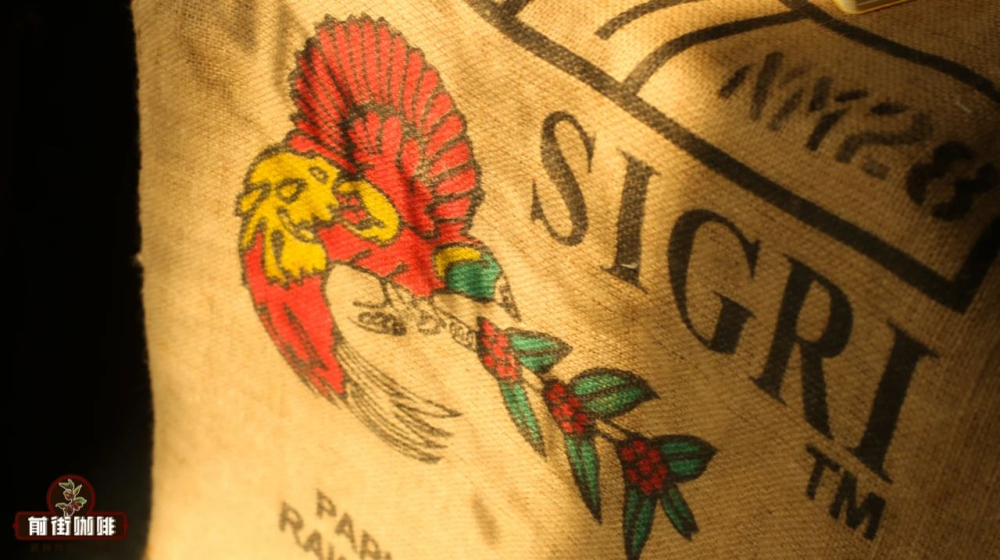
Take this Typica washed bean from Sigri Heavenly Bird Estate as an example—it is grown at 1,600 to 1,800 meters, of the classic Typica variety, processed using the washed method, and exhibits flavors of nuts, cocoa, gentle citrus acidity, and sweet afternotes of cream and caramel. So why choose the Typica variety? This ancient cultivar originating from Ethiopia and Sudan is the ancestor of all Arabica beans, with slender beans and copper-colored top leaves, hence nicknamed "red-top coffee."
Typica coffee is known for its clean, well-defined flavors, balanced mouthfeel, but has relatively low yields, stringent requirements for altitude and growing conditions, and is highly susceptible to leaf rust, with weak disease resistance. Despite this, its status in the coffee world remains lofty—it won first prize at the 1958 London International Coffee Tasting in the UK, was hailed as the "Champion of Chinese Coffee" in 1980, and earned the "Eureka" Gold Award at the 1993 Brussels World Coffee Competition.
In addition to the inherent characteristics of the variety, thewashed processing methodat Heavenly Bird Estate is another key factor contributing to the unique flavor of this coffee. Washed processing best showcases the intrinsic flavors of the coffee cherry while imparting a clean, bright acidity and delicate sweetness.
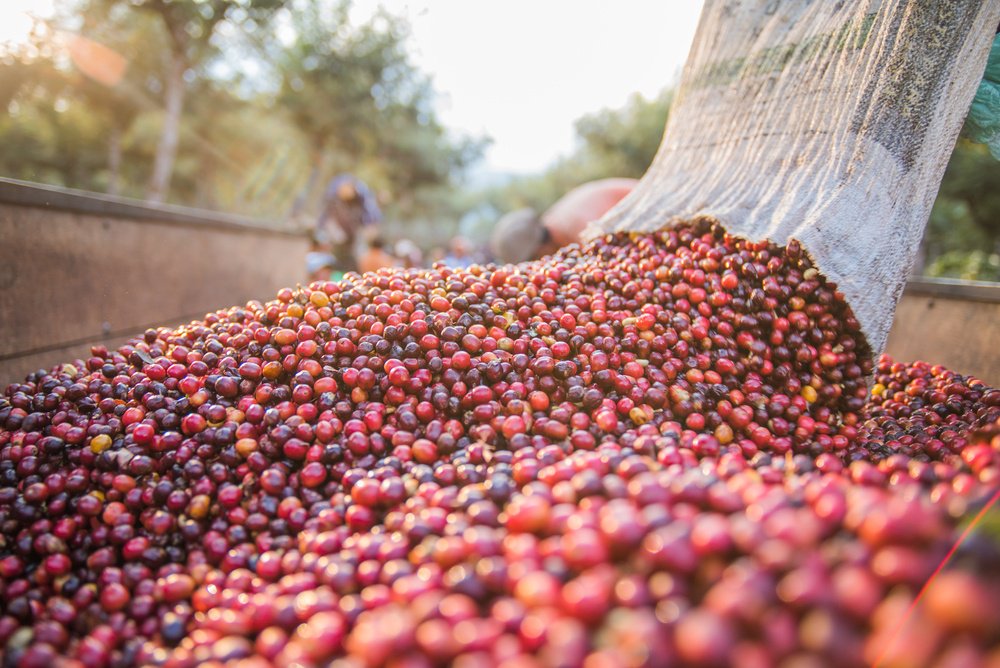
The processing flow is roughly as follows: First, fully ripe red coffee cherries are harvested and transported to the estate’s washing station. Next, they undergo three rounds of water fermentation, each lasting about 24 hours, with fresh water replaced each time to precisely control fermentation flavors. After fermentation, the outer skin and mucilage are removed, followed by bean sorting and grading (such as AA, AB, PB). This method results in a silky mouthfeel and bright yet non-abrasive acidity, making it suitable for pour over or SOE espresso extraction—both highlighting an elegant and balanced flavor expression.
The above content is compiled by CoffeeHunters, a coffee news website.


