








Introduction:Tanzania Kilimanjaro coffee is renowned for its distinctive cocoa aroma and rich, full-bodied taste, making it one of the important representatives of African specialty coffee. This article delves into the grading system, variety background, and processing methods of the region’s top AA-grade Bourbon washed beans, helping you understand its complex flavor profile interwoven with citrus, berries, and honey. We also offer professional pour over recommendations to help you extract its optimal performance with precision.
Within the landscape of African specialty coffee, Tanzania’s Kilimanjaro region has always held a pivotal position. The coffee beans produced here are famed for their intense cocoa fruit notes and distinctively rich, mellow flavors. They have even been hailed by European coffee connoisseurs as the “gentleman of the coffee world,” ranking alongside Blue Mountain and Mocha as the “three musketeers of coffee.” Among them, Kilimanjaro AA-grade beans are the crème de la crème of the region, mostly grown at altitudes of 1,300 to 2,000 meters on volcanic highlands. They are of the Bourbon variety and processed using the washed method, showcasing captivating layers of citrus, berry, honey, and tea-like notes.
The growing environment for Kilimanjaro coffee is exceptionally favorable, primarily located in the northeastern part of Tanzania, on the northern highlands near Africa’s highest peak, Mount Kilimanjaro. Due to long-term volcanic activity, the soil here is rich in minerals. Coupled with the large diurnal temperature variation brought by high altitudes, the coffee cherries mature slowly, accumulating abundant flavor compounds. Kilimanjaro coffee not only plays an important role in the country’s economy, but its export earnings also account for about 17% of the nation’s foreign exchange income. With its bold aroma and bright acidity, this coffee enjoys an excellent reputation in the international market, especially in Europe, where it is praised as the “coffee gentleman.”
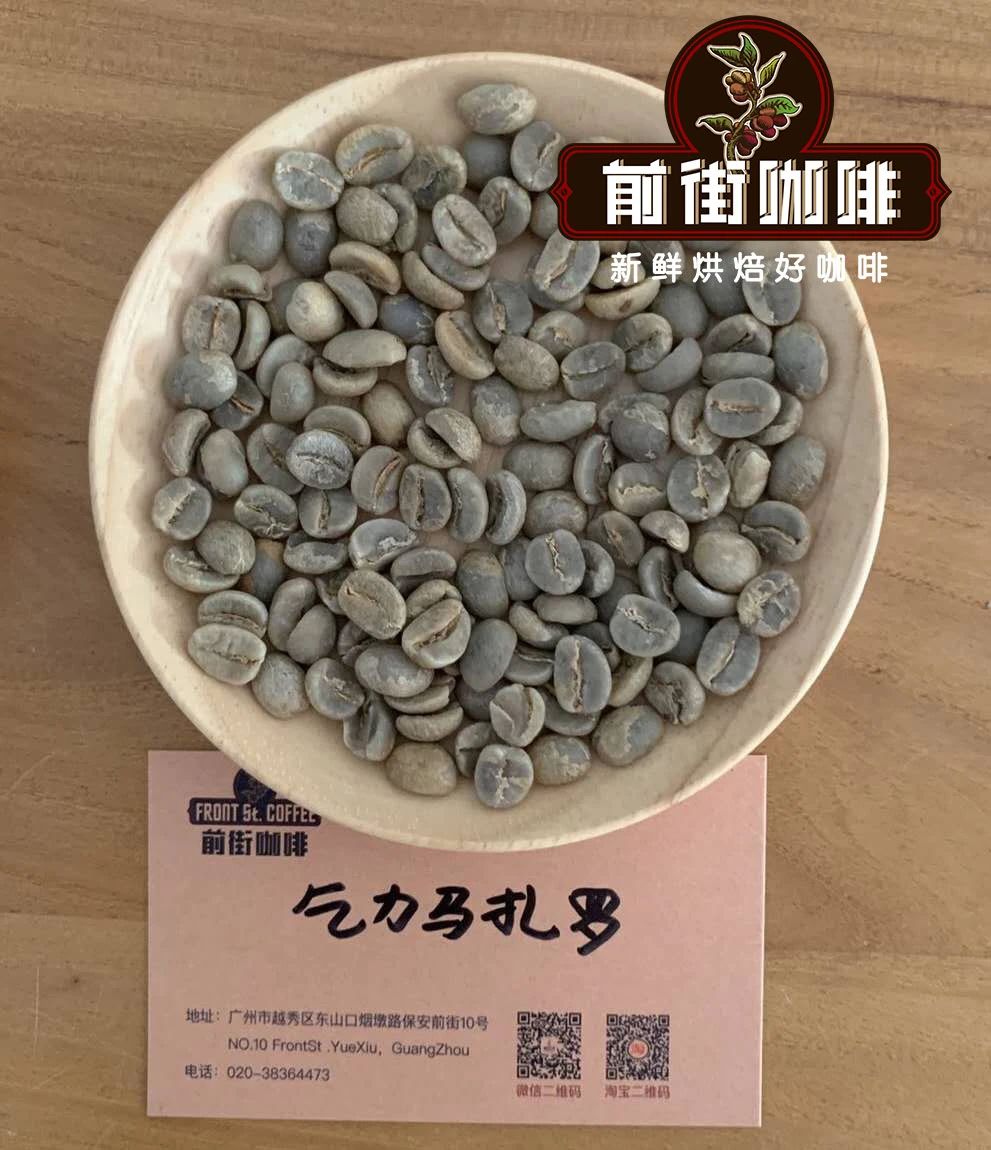
Among the many offerings, Kilimanjaro AA-grade coffee beans can be considered the flagship product of the region. These beans are graded based on bean size and defect rate. AA grade refers to beans that pass through a screen size of 17 to 18 (approximately 7.20 mm), representing the highest grade of green coffee beans in the country. They generally have the lowest defect rate and the most uniform bean size. Most of these beans come from high-altitude regions, offering not only intense flavors but also high consistency, making them a top choice for many coffee enthusiasts eager to explore African flavor profiles.

This highly acclaimed Kilimanjaro AA-grade coffee bean is of the Bourbon variety. The Bourbon variety originated on the island of Réunion (formerly known as Bourbon Island) and is one of the oldest varieties within the Arabica species. Compared to Typica, the Bourbon variety has broader leaves and a denser canopy, with approximately 30% higher yield per plant and a shorter, rounder bean shape. In terms of flavor, the Bourbon variety often exhibits pronounced berry acidity, a creamy mouthfeel, and rich aromatics, with bright acidity but relatively lower disease resistance. This variety was introduced to Tanzania in 1898 by Catholic missionaries, followed by the Kent variety in the 1920s. To this day, Bourbon and Kent remain the primary cultivars in the country.
In terms of processing methods, this coffee uses the washed process, which is the most common among Tanzanian coffee farmers. This method effectively highlights the coffee’s clean flavors and crisp flavor profile. The washed processing steps include: first removing impurities, then stripping the coffee pulp and outer skin, followed by placing the mucilage-covered beans into fermentation tanks. Over the course of 18 to 36 hours of fermentation, the fruit mucilage is removed, and finally, the beans are thoroughly washed and dried either by sunlight or mechanically. This process minimizes interference from impurities and undesirable flavors, allowing the intrinsic characteristics of the coffee to shine more prominently. The result is clear acidity, pronounced sweetness, and a long-lasting aftertaste.
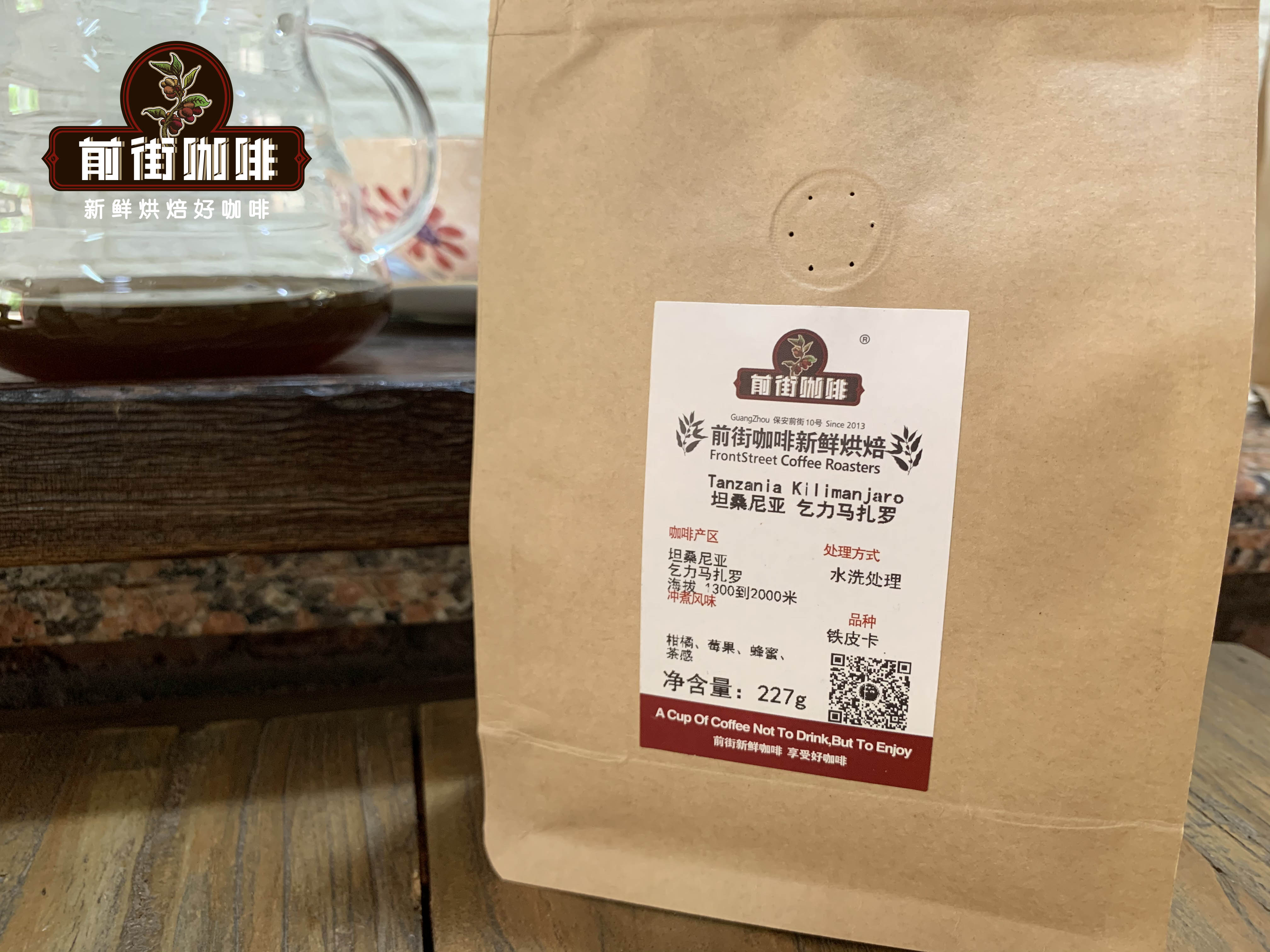
Tanzania’s coffee bean grading system is similar to that of its neighbor Kenya, primarily classifying beans based on size. Using sieves with fixed apertures, the larger the sieve number, the bigger the bean size. Among them, AA grade is the highest, with a sieve size of 17–18 (approximately 7.20 mm). These beans are large in size and have an extremely low defect rate. AB grade beans are slightly smaller, with a size of 15–16 (approximately 6.8–6.2 mm). PB grade consists of peaberry beans, accounting for about 10% of total production. C grade beans are even smaller, with a size of 12–14 (approximately 4.8–5.6 mm). Therefore, choosing AA-grade Kilimanjaro coffee means you’ll enjoy a coffee experience with the most concentrated flavors and the most stable quality.
For this Kilimanjaro AA-grade Bourbon washed bean, it is recommended to use a V60 filter cone for pour over brewing to fully showcase its bright acidity and rich layers. The V60 filter cone features a wide opening design and spiral ribs, which help expel air during the brewing process and enhance extraction efficiency. It is recommended to use a grind size similar to that of fine sugar (approximately equivalent to 80% of powder passing through a #20 sieve), paired with a 1:15 coffee-to-water ratio. A coffee dose of 15 grams is suggested.
The specific pour over parameters and steps are as follows: control the water temperature between 90 to 91°C. Begin with a 30-second bloom using 30 grams of water to activate the release of aromatic compounds from the coffee grounds. Then, pour water in small circles until reaching 125 grams, then pause to let the water level drop. Continue pouring evenly until reaching a total of 225 grams of water. The overall extraction time is approximately 2 minutes and 3 seconds (including the bloom time). This method balances sweet and acidic profiles, highlighting the fresh flavors of berries and citrus, while also bringing out a honey-like sweetness and nutty undertones in the finish.
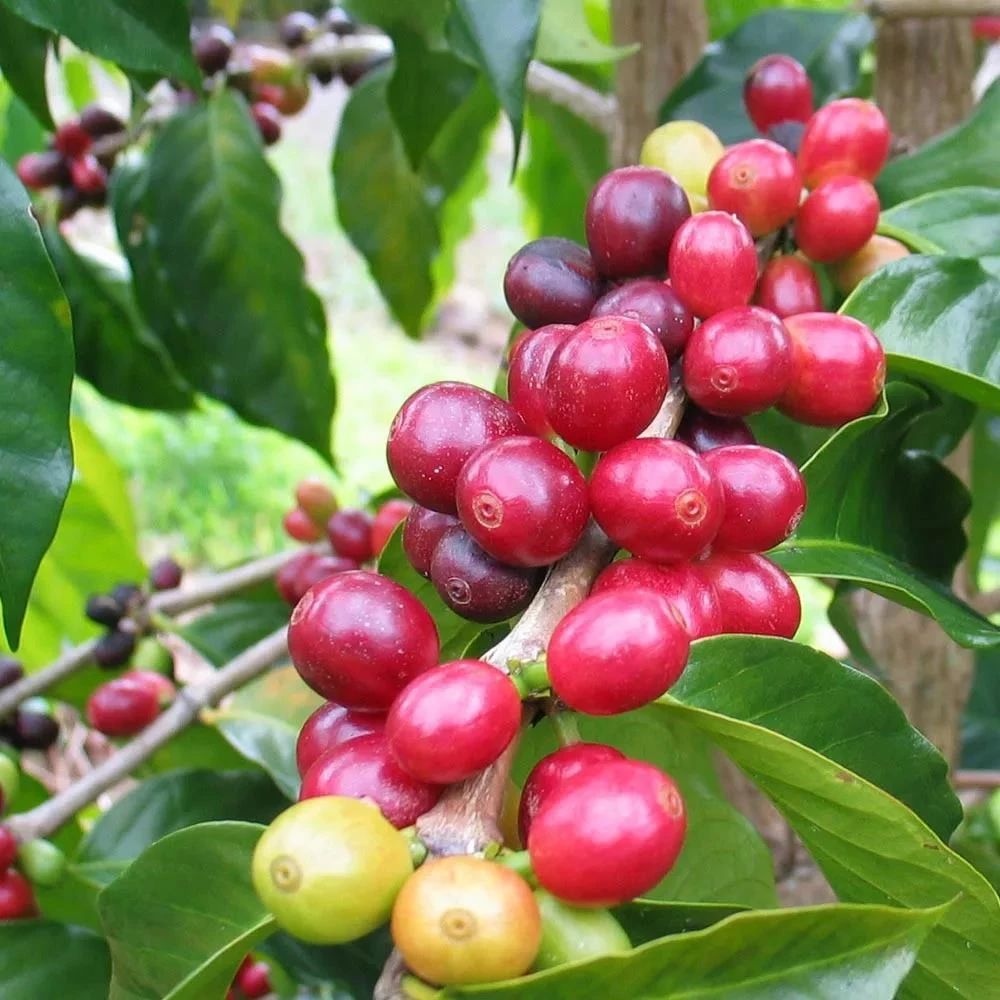
In summary, Tanzania Kilimanjaro AA-grade Bourbon washed coffee beans, thanks to their exceptional terroir conditions, rigorous grading system, and refined washed processing technique, deliver an outstanding flavor profile that combines fruity aromas, sweetness, and a rich body. Whether you’re a coffee novice or an experienced enthusiast, as long as you master the correct brewing parameters and techniques, you can experience the unique charm of this classic African coffee.
The above content is compiled by CoffeeHunters, a coffee news website.


