







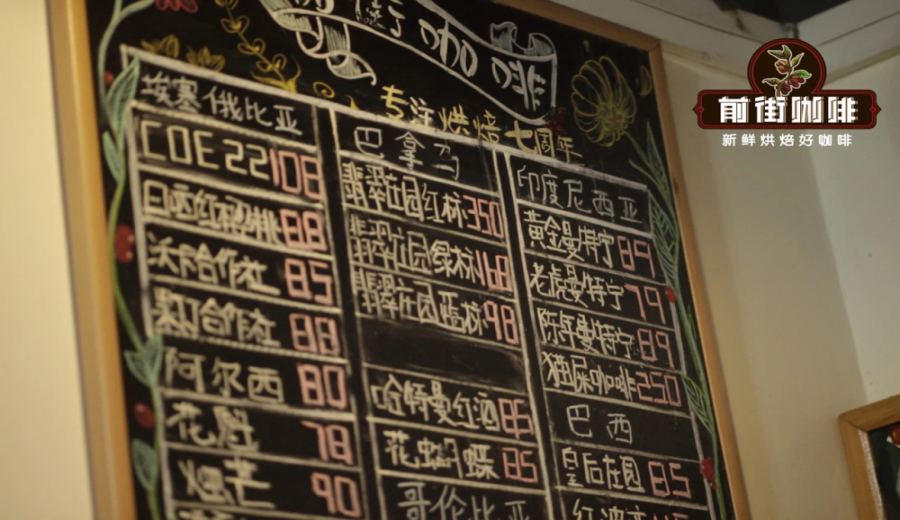
Introduction:Indonesian Mandheling coffee is renowned for its bold and full-bodied flavor, a result of the unique wet-hulling process and the characteristics of specific growing regions. This article delves into the origin of the name "Mandheling," explores the distinctiveness of Sumatra’s wet-hulling method, introduces the PWN Golden Mandheling grade and G1 standard, and provides practical pour-over brewing parameters—including water temperature, grind size, and a three-stage pouring technique—for medium-to-dark roasted Mandheling. These insights will help you better grasp the essence of this classic coffee.
Among the many Indonesian coffees, Mandheling stands out as one of the most representative varieties. Its flavor profile is rich, bold, and often features herbal and spicy notes, commonly categorized as a "strong" black coffee option. This distinctive flavor is closely tied to Sumatra’s hot and humid climate, as well as the local wet-hulling processing method developed there. Additionally, the widely available PWN Golden Mandheling represents a higher quality tier with cleaner flavors.
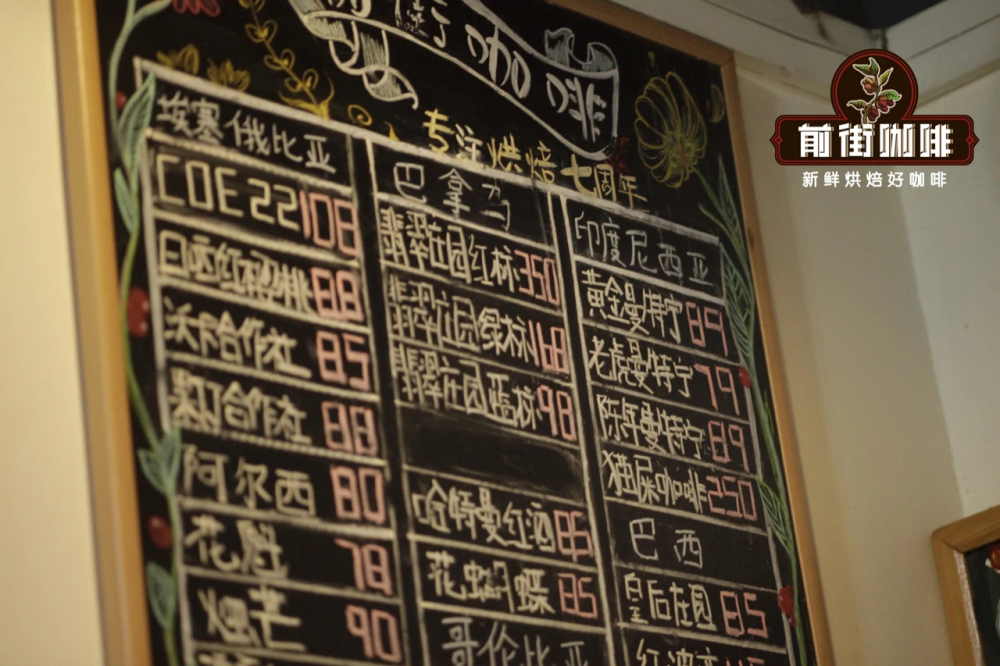
Many coffee enthusiasts face a choice between bright, fruity, and floral beans—like Yirgacheffe or Geisha—and those with deeper, more intense profiles. If you prefer the former, these are usually the go-to choices. But if you’re less sensitive to acidity and favor bold, full-bodied flavors, bitter-toned beans such as Indonesian Mandheling, Brazilian Queen Estate, or Papua Paradise Bird might be more to your liking. Among these, Mandheling not only boasts pronounced herbal and wild aromas but also stands out as one of the most intense in flavor within this category.
Interestingly, the name "Mandheling" does not come from a coffee variety but is derived from a misunderstanding of the name of the Mandailing tribe in northwestern Sumatra. Historical records indicate that during World War II, a Japanese soldier tasted a rich coffee at a café in Indonesia and asked the owner what kind it was. The owner, thinking the soldier was asking about his origin, replied "Mandailing (Mandheling)." After the war, the soldier returned home, remembering the coffee as "Mandheling," and the name eventually gained traction in Japan. In 1968, Osaka-based Nomura Trading Company imported 15,000 kilograms of Sumatran Mandheling from Indonesia’s P.W.N. Medan Company, and the market response was overwhelmingly positive. Since then, the name Mandheling has become synonymous with Sumatran coffee.
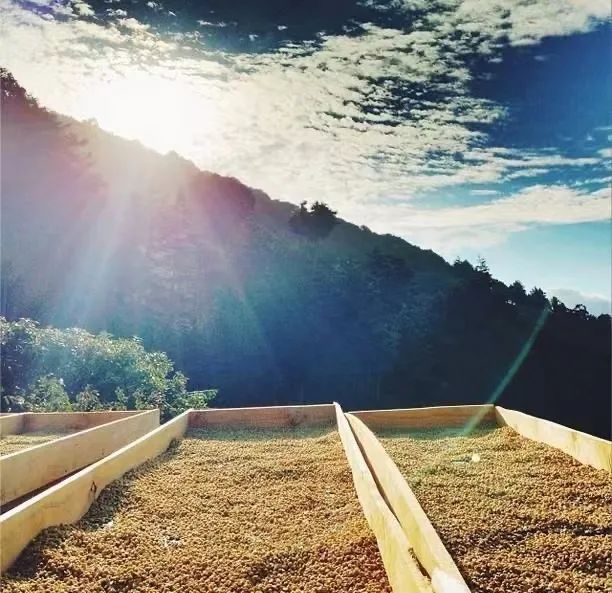
The bold, low-acid flavor of Mandheling, with its spicy and woody undertones, is largely shaped by Sumatra’s climate and the wet-hulling process. With year-round high temperatures and humidity—often maintaining 70% to 90% moisture levels and annual rainfall exceeding 2,000 mm—this environment is unsuitable for the prolonged sun-drying methods used in places like Brazil or Ethiopia. Traditional washed processing also faces challenges in cost and efficiency. As a result, the region developed the unique "wet-hulling (giling basah)" method, which significantly shortens processing time and adapts to the high-humidity conditions.
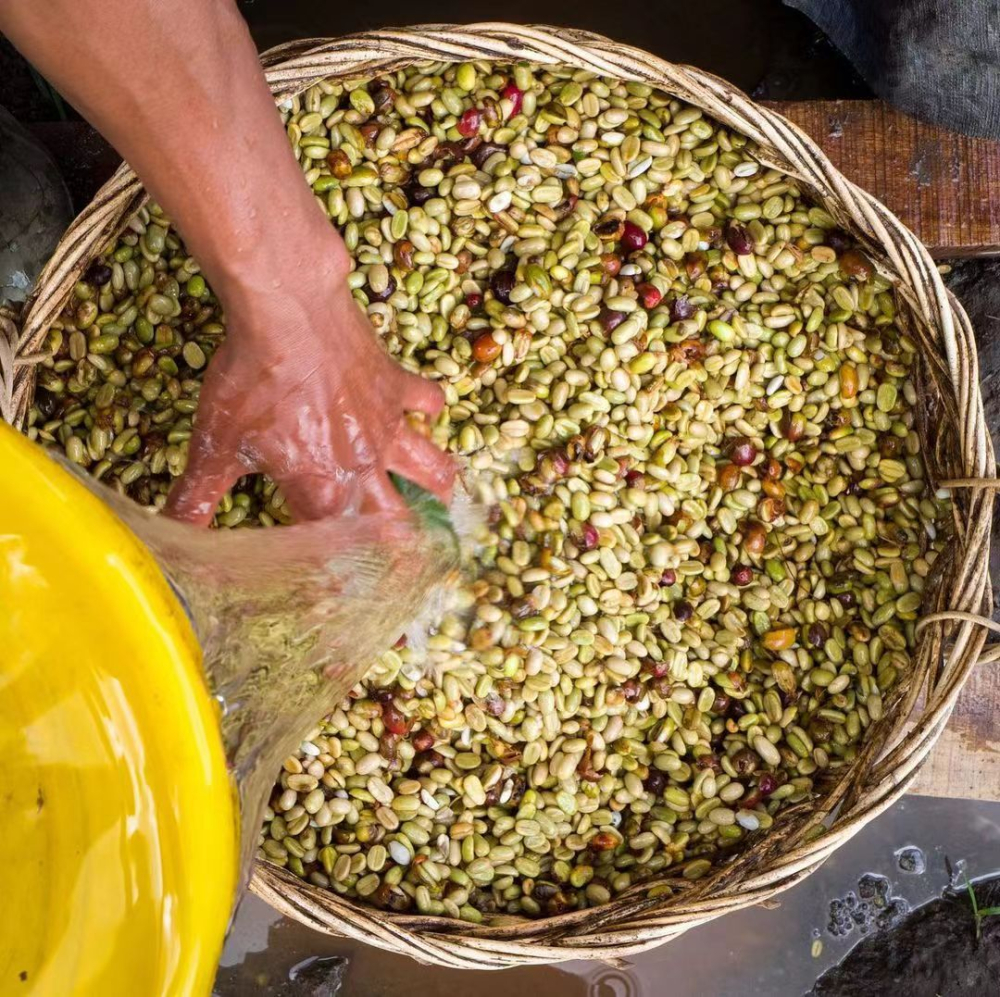
The wet-hulling process generally follows these steps: Fresh coffee cherries are first depulped to remove the skin and flesh, then undergo a short fermentation period of a few hours before being washed to remove the mucilage. At this stage, the beans still retain some moisture and are semi-dry. Farmers sell these parchment-covered beans to buyers. The buyers then use specialized machines to remove the parchment layer from the semi-dry beans, extracting the green coffee inside, which is then dried to completion.
During this process, because the parchment layer is removed before it is fully dry, the beans absorb significant amounts of moisture and heat from the air during hulling. This contributes to the herbal, spicy, and woody notes commonly found in Mandheling. A well-known coffee brand includes wet-hulled Mandheling from Sumatra’s Lintong region in its everyday blend series, allowing beginners to specialty coffee to experience this unique flavor profile.
It’s worth noting that Mandheling typically has a higher defect rate, which is related to its faster and relatively rougher processing methods. To improve quality and pricing, beans are usually hand-sorted to remove defects before export. Common bag markings in the Indonesian market, such as DP (double-picked) or TP (triple-picked), indicate the number of screening rounds—more rounds generally mean higher quality and uniformity. Among these, PWN Golden Mandheling undergoes one machine sort and three hand sorts, with beans limited to 18 mesh size or larger, and all defects meticulously removed. As a result, it offers cleaner flavors, more pronounced sweetness, and richer aromatic layers.
PWN has even registered "Golden Mandheling" as an exclusive trademark, meaning that only PWN-produced versions can truly be called Golden Mandheling. This has made it a highly recognized and premium representation of Mandheling in the market.
For this bold, regionally distinctive, medium-to-dark roasted Mandheling, a pour-over black coffee method is recommended to better highlight its aroma and flavor complexity. Typically, Mandheling from a certain well-known coffee brand is freshly roasted, with shipping occurring within five days of roasting to ensure customers receive it at peak freshness.
Since Golden Mandheling is medium-to-dark roasted, its bean structure is looser and more absorbent. Using the same brewing parameters as for light roasts—such as high water temperature and fine grind—can easily lead to over-extraction, resulting in burnt bitterness and astringency. Therefore, it’s advisable to adjust to:Water temperature: 87–88°C,and employsMedium grind size (based on China’s standard 20-mesh sieve, with about 70% passing rate),which helps to balance extraction and avoid excessive release of bitter compounds.
For the filter, a KONO dripper with a relatively slower flow rate is recommended. Compared to the V60’s high output design, the KONO provides better immersion, allowing the coffee grounds to release more body-rich and concentrated flavors within the same brew time.
For actual pouring, athree-stage pouring techniqueis suggested: Start with 30 grams of water for a 30-second bloom; then pour slowly in small circles from the center, adding water up to 125 grams; when the water level drops to just about to expose the coffee bed, continue pouring in circles up to 225 grams. Total brew time should be controlled aroundabout 2 minutes. These parameters help fully bring out Mandheling’s nutty, dark chocolate, and caramel notes, while balancing its herbal and spicy tones.
The final brewed Mandheling delivers a rich mouthfeel with pronounced flavors of dark chocolate and roasted hazelnuts, complemented by the sweetness of caramel and melon. Herbal and spicy notes linger on the palate, with a long-lasting and layered aftertaste—making it an ideal medium-to-dark roast classic for savoring slowly.
The above content is compiled by CoffeeHunters, a coffee news website.


