







Introduction:Want to understand the difference between Brazil’s pulped natural process and Costa Rica’s honey process? This article delves into the origins, steps, and flavor characteristics of the Pulped Natural (pulp sun-dried) method, and compares the similarities and differences between the two processing techniques. Ideal for enthusiasts who want to explore the craft and flavor sources of coffee processing, it can also help you choose beans that suit your taste.
Among the many green coffee processing methods, washed and natural are the two most well-known approaches, yet “semi-washed” or “semi-natural” often cause confusion. In fact, these two terms refer to the same technique, officially known as Pulped Natural, or “pulp sun-dried.” This processing method was first developed in Brazil in 1990 as an innovative solution to address water scarcity.
This method combines the advantages of both washed and natural processes: the outer skin and part of the pulp are removed from the coffee cherry, leaving a portion of the sticky mucilage layer, followed by a short fermentation and washing stage, and finally drying with the remaining mucilage under the sun. This approach not only drastically reduces water usage but is also more stable than traditional open-air sun drying, effectively lowering the risks of contamination and off-flavors from over-fermentation.
Many people get confused the first time they hear “semi-sun-dried” or “semi-washed,” mainly because different regions use different names for the same process. Technically, they all refer to Pulped Natural—removing the skin and pulp but retaining some of the mucilage layer, then drying the beans in the sun. Due to limited water resources, Brazil created this compromise solution in the 1990s, and it has since become one of the mainstream techniques there.
While traditional natural processing is low-cost, it is prone to mold or contamination due to weather or hygiene conditions, resulting in undesirable flavors such as earthiness or fermented odors. On the other hand, standard washed processing ensures cleanliness but consumes huge amounts of water—approximately 10 to 20 tons of fresh water per ton of coffee cherries—which is impractical for a major coffee-producing country like Brazil.
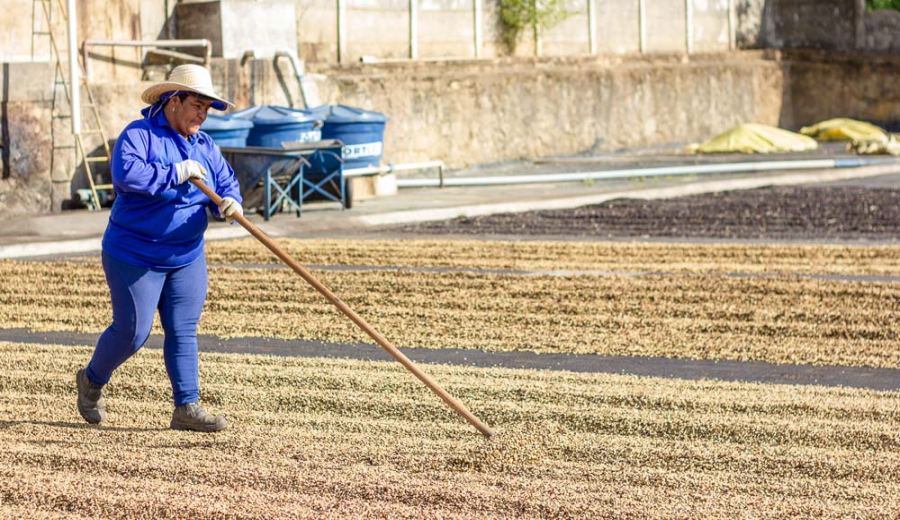
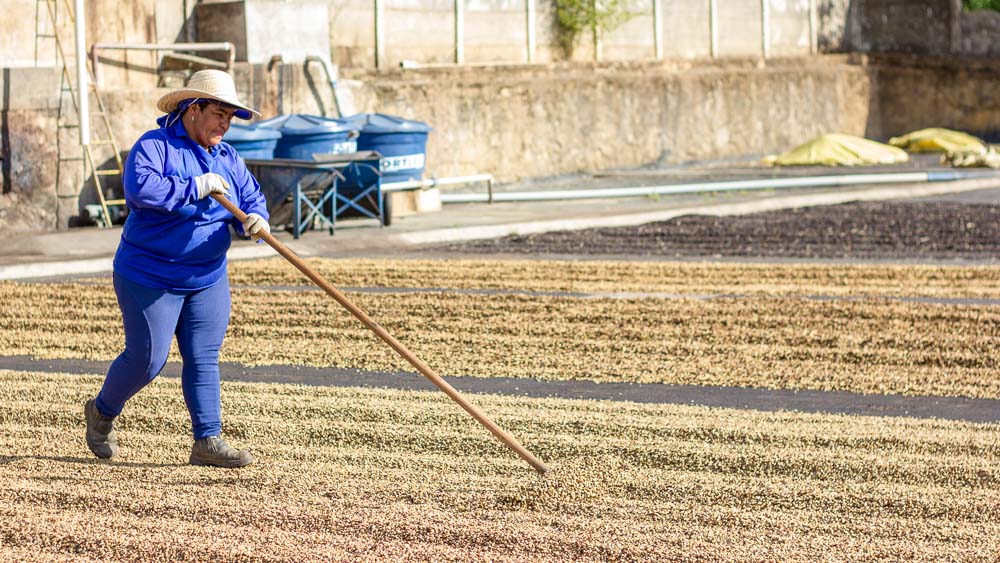
The typical Pulped Natural process is as follows: First, coffee cherries are placed in a water tank to remove unripe and floaters. Then, a pulper is used to remove the skin and most of the pulp, while leaving some of the sticky mucilage attached. These mucilage-covered parchment beans undergo a brief water fermentation (usually less than 24 hours), are lightly rinsed with clean water, and are then spread on raised African beds or concrete patios to dry in the sun. During this process, good ventilation and proper turning are crucial to avoid mold or uneven drying.
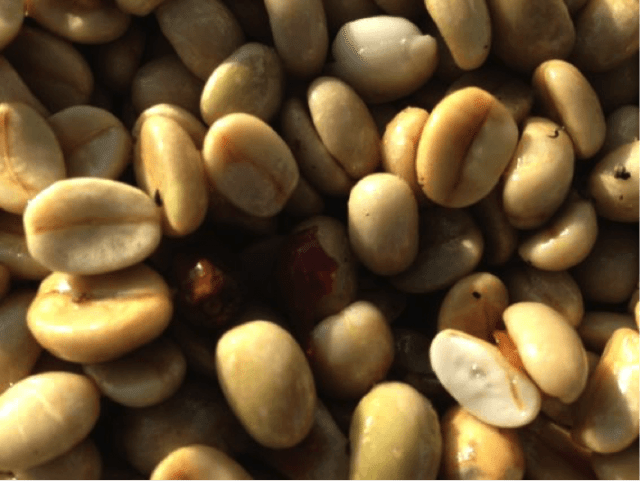
Compared to traditional washed processing, the biggest difference with Pulped Natural is the retained mucilage layer, which allows the coffee to continue fermenting during drying, resulting in a richer sweetness and body. Due to the shorter fermentation time, the flavors are generally more mild and balanced, with acidity not being prominent, but sweetness standing out. Common flavor notes include caramel, cream, peanuts, chocolate, and nutty tones.
Take the Red Bourbon from Brazil’s Cerrado region as an example. This medium-roasted bean, grown at around 1000 meters above sea level, offers a clean and smooth mouthfeel, with low acidity but noticeable sweetness, featuring almond, peanut, and chocolate flavors. Such a flavor profile makes it a common base bean in many Italian-style blends, providing a rich foundation and good balance.
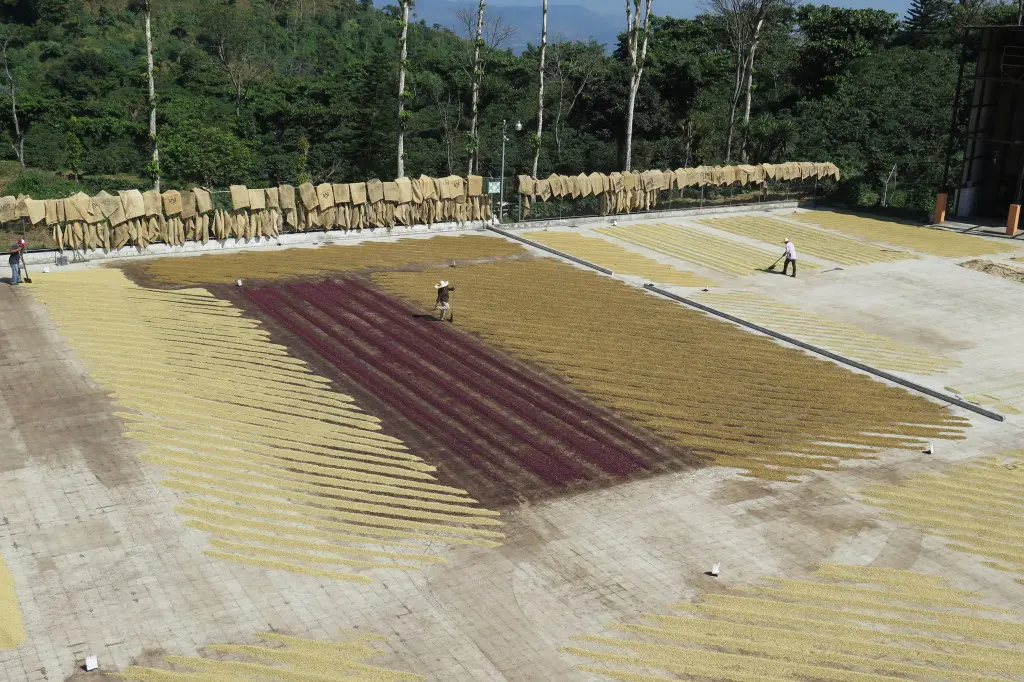
Although fewer coffees are directly labeled “semi-sun-dried” on the market today, the essence of this technique lives on and has been further refined in Costa Rica’s honey process. Honey processing also retains the mucilage layer for sun drying, but differs in that it uses no water at all, requiring higher maturity and mucilage richness in the coffee cherries. Costa Rica’s honey process is further divided into Yellow Honey, Red Honey, and Black Honey, with significant differences in flavor depending on the amount of mucilage retained and the drying method used.
The mucilage in honey processing contains abundant sugars and water-soluble compounds, which interact with the seeds during drying, imparting more intense sweetness and fruity notes to the coffee. Depending on the amount of mucilage left, drying time and turning frequency must be adjusted to control fermentation levels and prevent over-molding. Properly executed honey processing can showcase tropical fruit flavors such as raisin, pineapple, jackfruit, and sweet orange, making it especially appealing to consumers who enjoy pronounced sweetness and balanced acidity.
In summary, Brazil’s Pulped Natural is an innovative technique born out of water restrictions, offering the advantages of water conservation and stable quality, and is suitable for large-scale production. Costa Rica’s honey process, building on this foundation, further enhances the role of the mucilage layer in pursuit of greater sweetness and complexity. Both methods retain the mucilage layer for sun drying, but honey processing avoids the use of water, demanding stricter environmental conditions and processing techniques. Either way, both can deliver flavor experiences that are distinctly different from traditional washed or natural processing.
The above content is compiled by CoffeeHunters, a coffee news website.


