







Introduction:Kenyan coffee is renowned for its uniquely bright acidity and complex berry flavor profile, achieved through rigorous K72 washed processing, bean size grading, and the NCE auction system. This article delves into the differences between Kenyan AA and AB grades, explores how double fermentation washed processing shapes flavor, compares sun-dried and washed methods, and offers practical flavor profiles and pour-over recommendations for two popular beans—helping you master the essence of Kenyan coffee.
As a key specialty coffee-producing region in East Africa, Kenya’s coffee stands out globally with its vibrant berry notes, high acidity, and full body. This distinction stems not only from its exceptional growing environment but also from a comprehensive industry chain encompassing green bean grading, processing methods, and auction trading. The AA and AB grades are just initial classifications—the true value of specialty coffee is determined by the meticulous cupping results at the NCE auction.
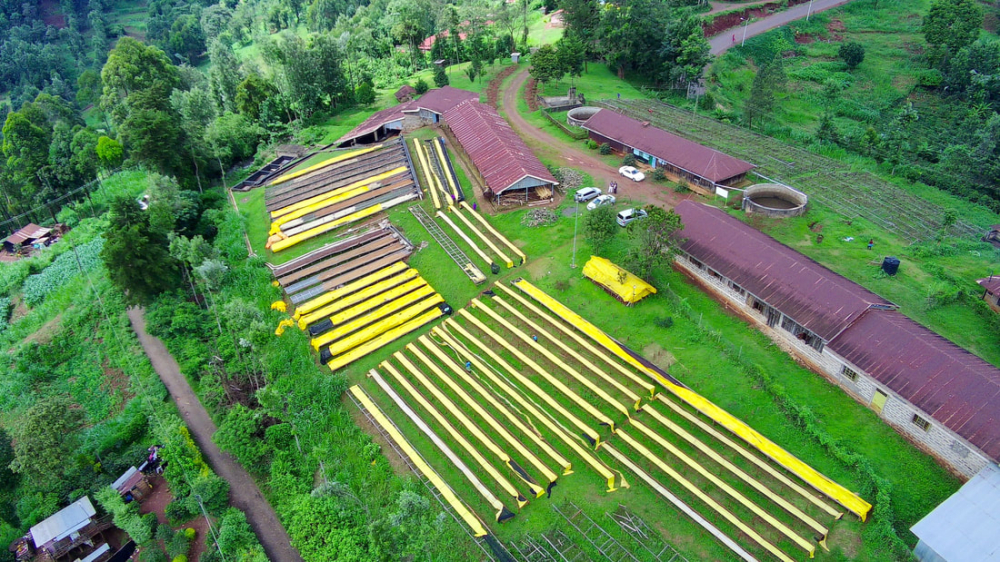
Kenyan coffee is primarily grown at altitudes between 1,500 and 2,100 meters, with two harvests per year. To ensure only fully ripe coffee cherries are picked, farmers may patrol their fields up to seven times. The Nairobi Coffee Exchange (NCE) is the main trading hub for Kenyan coffee, holding auctions every two weeks, always on Tuesdays. Twelve days before each auction, market agents submit green bean samples to the NCE for display, giving buyers ample time for cupping and selection. Each auction often features hundreds or even thousands of lots, running from 9:30 AM to 4–5 PM, with fierce competition.
The Kenyan coffee supply chain operates with clear structure: after harvest, farmers deliver coffee cherries to washing stations, where initial density sorting is followed by grading by bean size into AA, AB, PB, and other grades. Grading is completed at the processing stage, after which samples are sent to the NCE for auction. Buyers bid based on their needs, and the sold beans are ultimately exported. The NCE plays a pivotal role as an auction platform connecting producers with international buyers, ensuring transparent transactions and consistent quality.
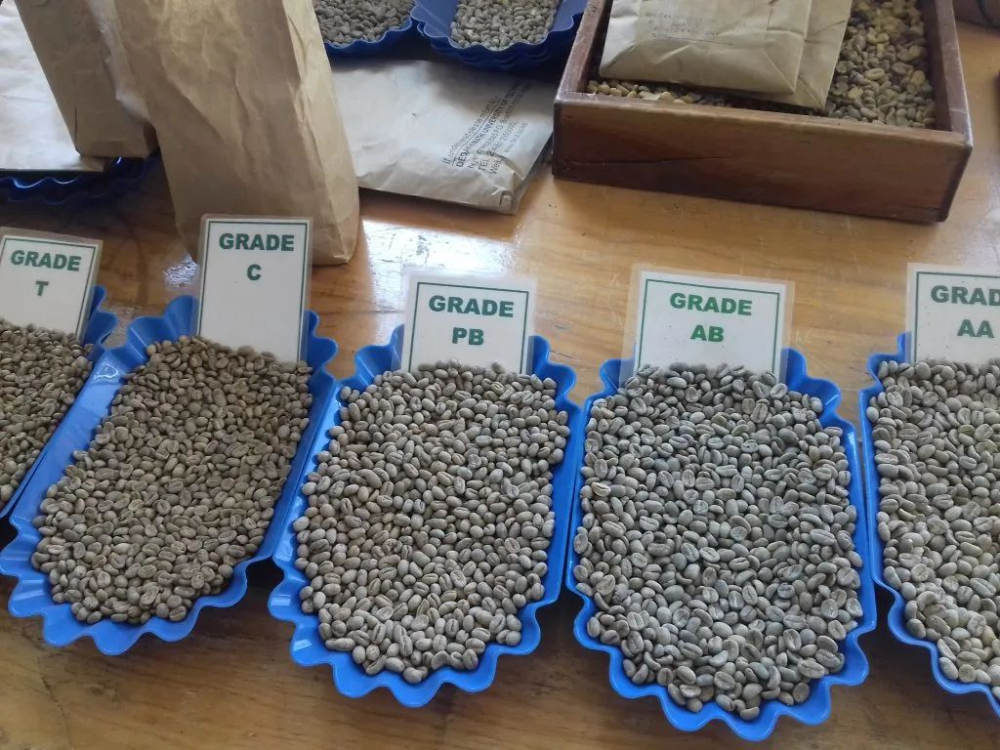
Kenyan coffee grades are primarily based on bean size, with AA Plus (AA+) denoting AA-grade beans with exceptionally outstanding flavor. AA-grade beans measure 17–18 mesh, making them the most popular and premium grade in the market. AB-grade beans, sized 15–16 mesh, make up the bulk of production. C-grade beans are smaller than AB. TT beans are lightweight ones sorted from AA and AB grades via air classification, while T beans are lightweight ones sorted from C-grade. E-grade consists of rare, large, double-bean mutants (elephant ears). PB (peaberry) beans are unrelated to flavor directly but often attract attention due to their rarity.
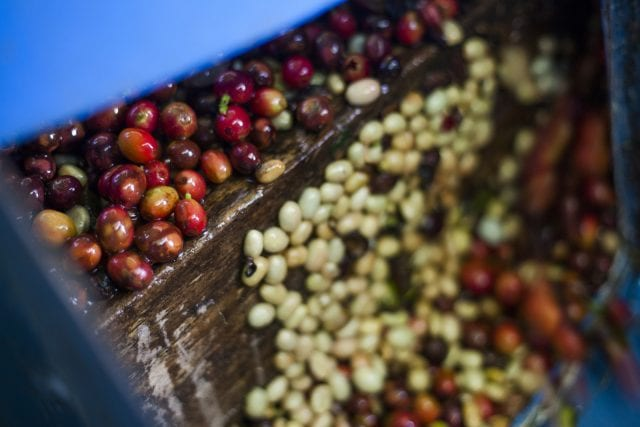
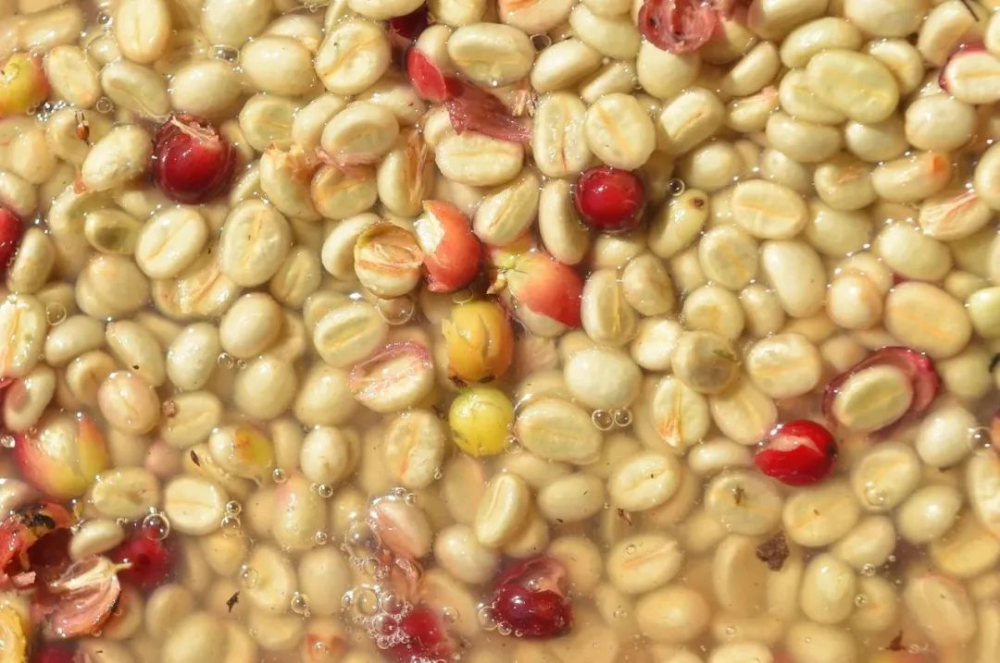
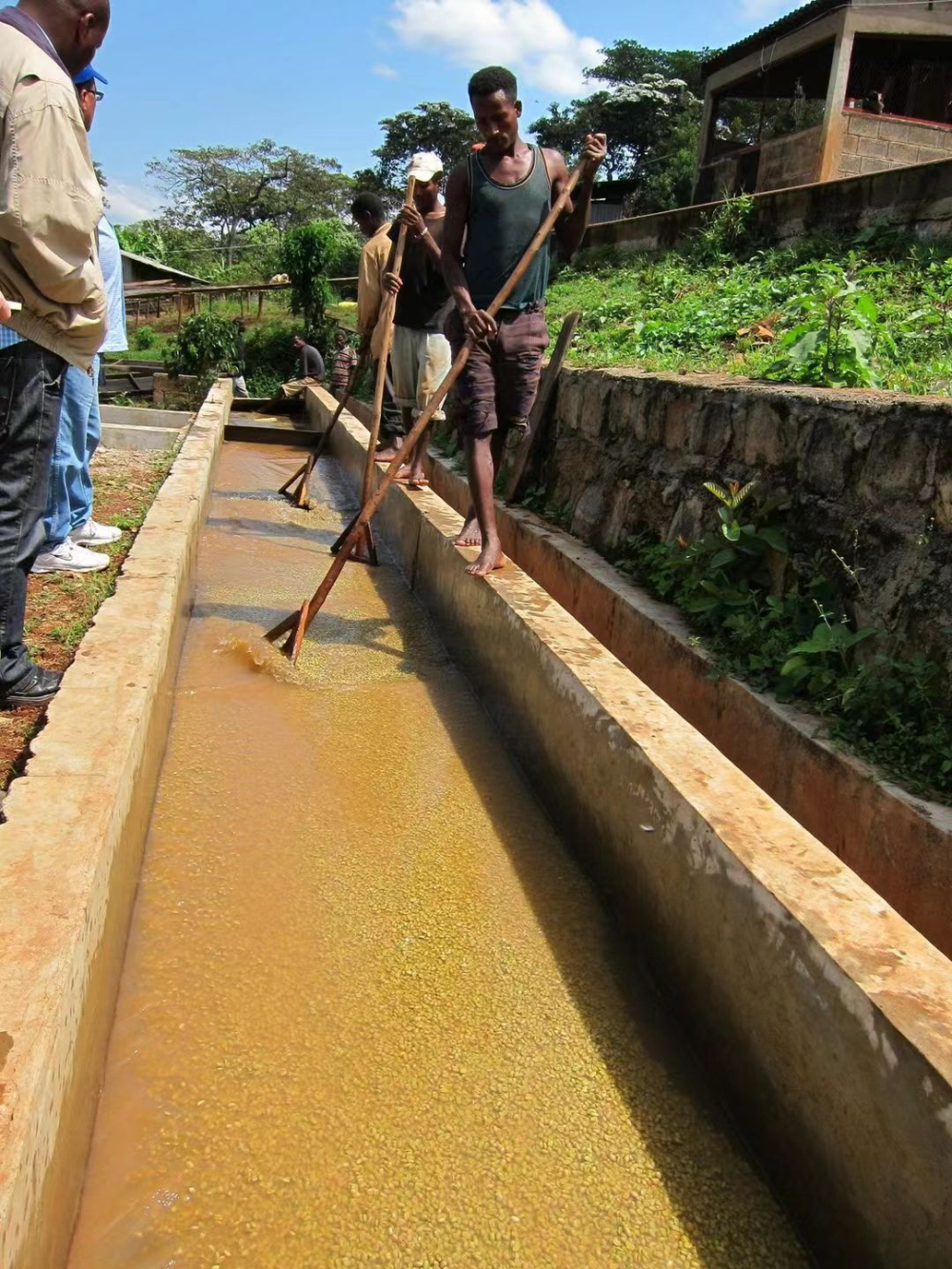
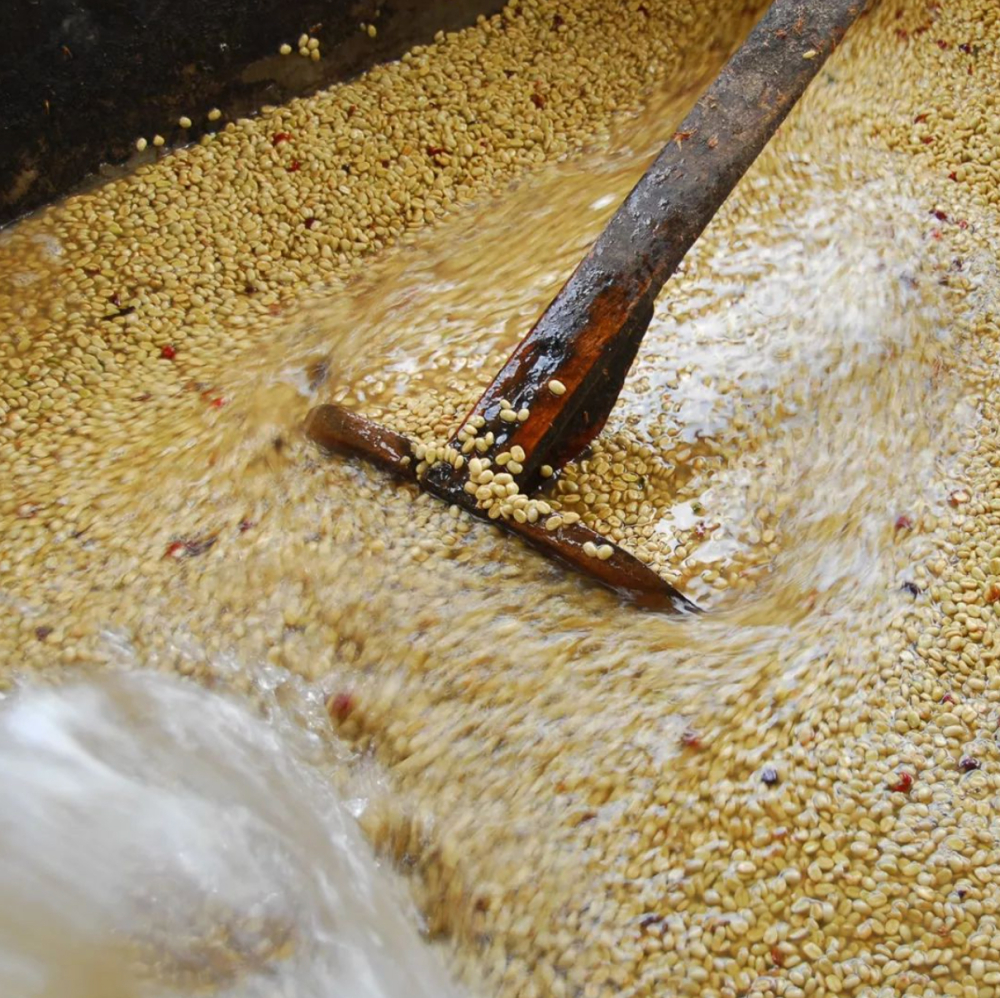
Kenya’s most iconic processing method is the K72 double washed process, centered on three cycles of fermentation and washing. On the day of harvest, farmers select the highest-quality coffee cherries, which are depulped and undergo the first 24-hour fermentation, followed by thorough rinsing. This is then repeated for a second 24-hour fermentation and rinse, with the entire process cycled three times for a total of 72 hours. This low-temperature, long-duration fermentation technique imparts bright, clean, and well-structured flavor characteristics, with pronounced acidity and notable sweetness.
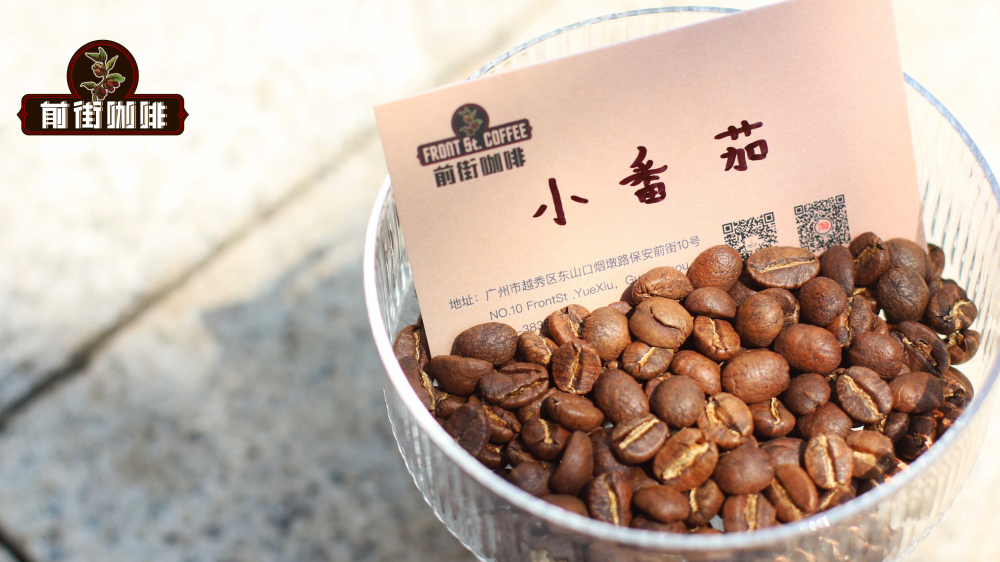
When brewing K72-processed Kenyan coffee—such as that from the honey-processing mill Asali—you’ll often detect intense tomato and berry aromas, with a striking contrast between acidity and sweetness. The finish leaves a lingering blackcurrant note, delivering an overall bright and sweet-aftertaste experience. These beans suit light to medium-light roasts, which best showcase their unique flavor layers. For brewing, a water temperature of 91–93°C is recommended to extract the optimal acid-sweet balance.
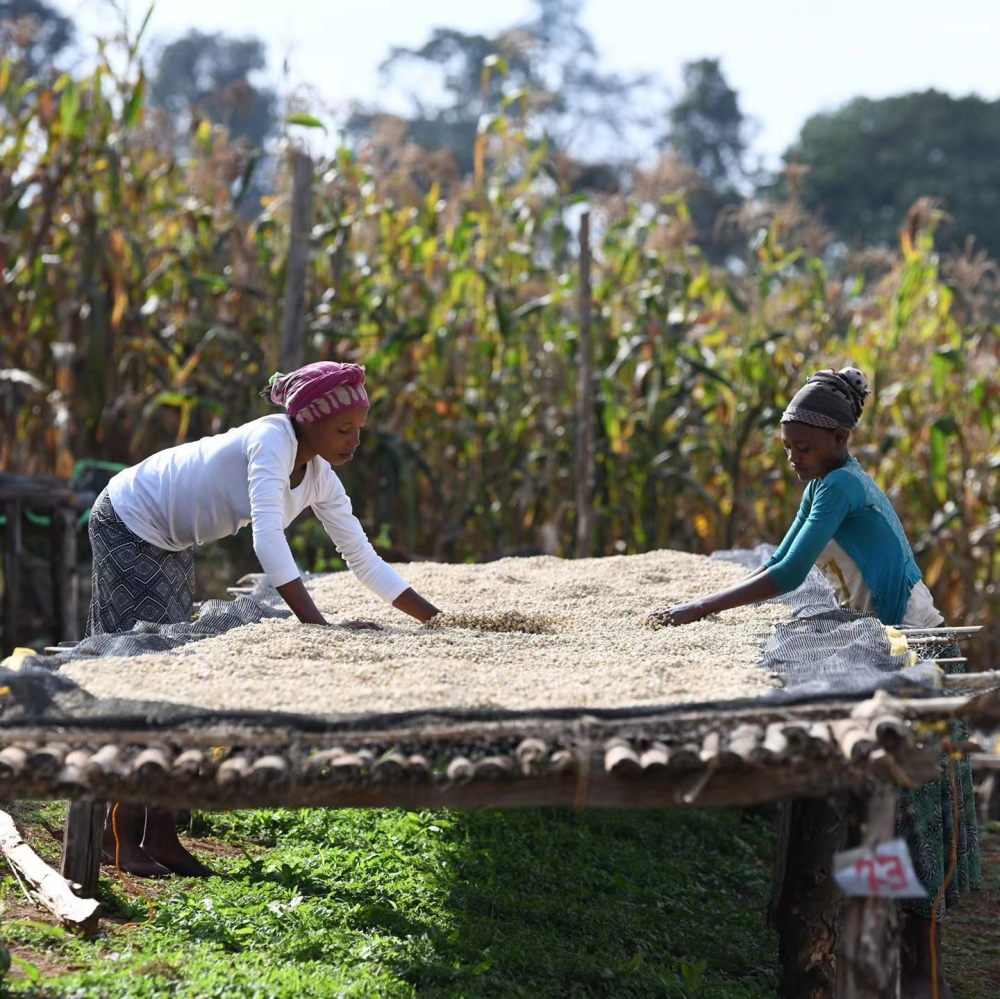
Compared to washed processing, sun-dried Kenyan coffee is relatively rare, largely due to the stability and market acceptance of washed coffee, as well as the higher labor and loss costs of sun-drying. However, some micro-lot sun-dried Kenyan beans still exhibit distinctive charm. For example, sun-dried beans from the Missionary Bourbon variety, after meticulous sun drying, transform the acidity into richer body and sweetness. This variety originated from the French Mission Varietal introduced to Kenya by French missionaries between 1892–1893, unmodified by science, retaining the original Bourbon flavor traits.
Though this sun-dried Kenyan bean does not follow standard Kenyan grading, has a higher defect rate, and unremarkable bean appearance, its flavor performance is surprisingly delightful. The dry aroma carries notes of sun-dried fermentation, dried fruit, and vanilla. In the cup, you’ll find rich layers of caramel, vanilla, and mixed fruits, with pronounced juiciness. The finish reveals berry, jackfruit, and coffee floral notes, creating an overall flavor akin to a concentrated African-style espresso—best enjoyed in small sips to savor its complex aromas.
Below are detailed profiles of the two featured coffee beans in this article: 【Kenya Hania Estate French Mission Bourbon Sun-Dried】 grown in the Thika region at 1,525 meters altitude, processed at Hania Estate, variety: French Mission Bourbon, process: sun-dried; 【Kenya Little Tomato AA Premium 72-Hour Washed】 from Thika, altitude 1,550–1,750 meters, volcanic soil, processed at Asali Honey Mill, graded AA TOP, variety: SL-28 & SL-34, process: K72 washed. Whether choosing washed or sun-dried Kenyan coffee, a brewing water temperature of 91–93°C is advised to fully highlight its flavor characteristics.
The above content is compiled by CoffeeHunters, a coffee news website.


