







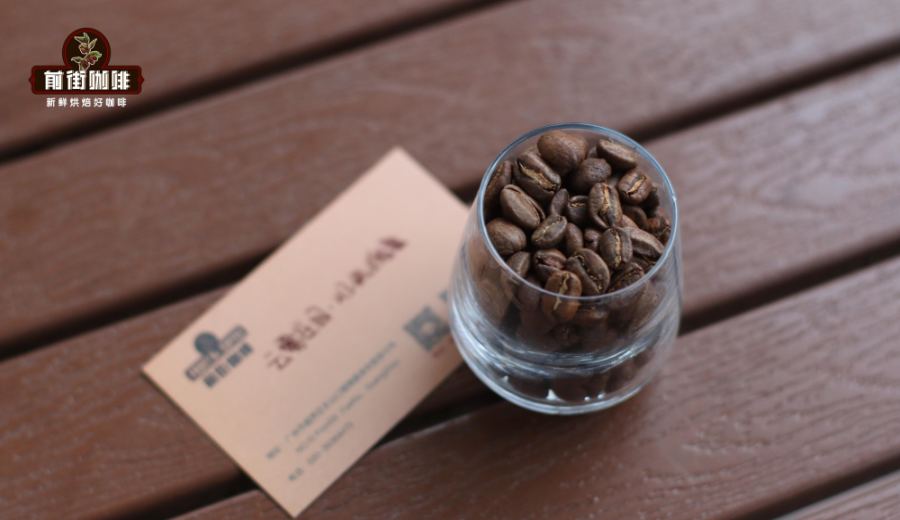
Introduction:The Las Nubes Geisha coffee from the Los Santos region of Costa Rica, grown at an altitude exceeding 2,000 meters and processed using the washed method, delivers unique jasmine floral notes and tropical fruit characteristics. This article provides a detailed exploration of the region’s geographical advantages, the cultivation practices of Las Nubes Estate, and an in-depth look at the washed Geisha processing procedure and flavor profile. It also offers practical pour over parameters and techniques to help you fully appreciate the layers and aftertaste of this specialty coffee.
High in the mountains of Costa Rica’s Los Santos region, Las Nubes Estate (Las Nubes), situated at an altitude above 2,000 meters, benefits from exceptional natural conditions that nurture its representative Geisha coffee beans. Using a refined washed processing method, it produces a coffee that combines bright acidity with delicate aromas. Its flavor profile includes notes of jasmine, mango, yellow apricot, coconut, and soft lactic tones, making it a high-altitude specialty beloved by many coffee enthusiasts.
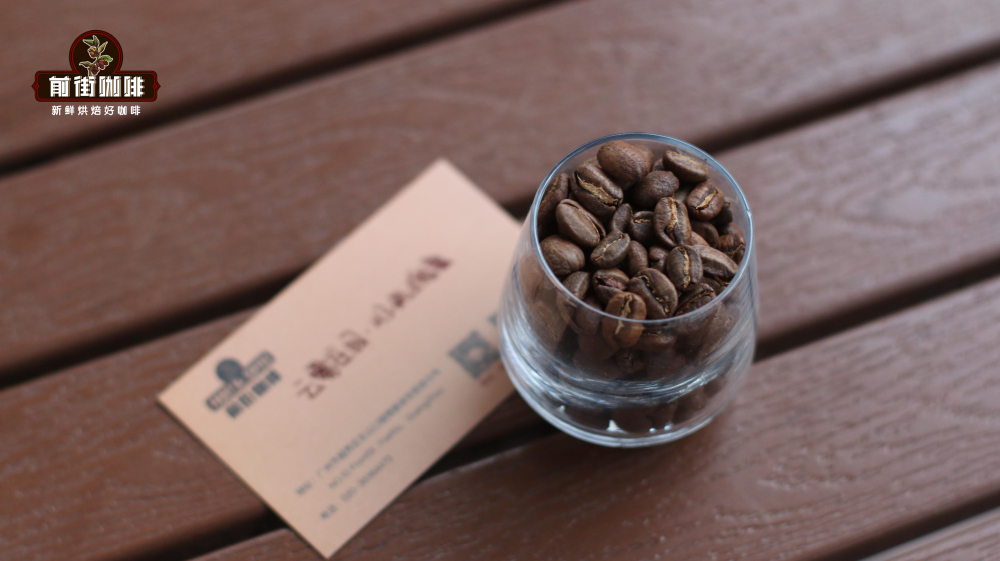
The Los Santos region is located in western Costa Rica, sheltered by the Pacific slope mountains, which create a microclimate ideal for coffee tree growth. Since the mid-19th century, immigrants from the Central Valley have cultivated this land, gradually transforming the hillsides into coffee plantations. The region boasts approximately 22,000 hectares of coffee-growing area, most of which consists of small farms averaging just 2.5 hectares in size. Yet over 95% of the coffee beans produced here are rated as SHB (Strictly Hard Bean), representing Costa Rica’s highest quality standard.
In high-altitude environments, the significant day-night temperature variation not only slows the ripening process of coffee cherries but also encourages the accumulation of richer nutrients and flavor precursors in the beans. Generally, only areas above 1,400 meters in altitude can achieve the SHB hardness level, which is a key reason why Los Santos coffee can deliver such delicate and layered taste profiles. Additionally, the region’s distinct wet and dry seasons—the rainy season from May to November and the dry season from December to April—provide a stable rhythm for coffee flowering, fruiting, and harvesting, while the dry season also facilitates post-harvest sun drying.
Las Nubes Estate is located in the Santa María de Dota area of San José Province. This land, situated at an altitude of over 2,000 meters and covered with rocks, is difficult to farm on a large scale, with a total area of only about 1 hectare. Since the 1920s, the estate has been named “Las Nubes (Clouds)” by its first-generation owner, Isidro Batlle, symbolizing its lofty position above the clouds. Over the years, the estate has introduced innovative processing techniques and continuously experimented with varieties, becoming one of the representatives of high-altitude specialty coffee.
In addition to the well-known Geisha variety, Las Nubes Estate also grows Typica Mejorado, Kenya, and Castillo varieties. These not only enrich the diversity of coffee flavors but are also used for research on rust resistance. Currently, the estate primarily employs three traditional processing methods: washed, natural, and honey. In 2022, it launched its first “Juicy Natural” anaerobic batch, showcasing its ongoing exploration of innovative flavors. The washed Geisha introduced here is processed by a professional Panamanian harvesting team after picking and dried on raised beds at an altitude of 2,100 meters to ensure consistent quality.
The Geisha (Geisha T2722) variety originates from Ethiopia. It was introduced to Tanzania in the 1930s and registered at the Costa Rican Tropical Agricultural Research and Higher Education Center (CATIE) in 1953 under the code T2722. This variety, known for its resistance to coffee leaf rust, gained fame in Panama’s Boquete region through competitions and subsequently spread to other regions including Costa Rica. Its most distinctive features are clear floral aromas, bright citrus acidity, and rich layers of tropical fruit and floral notes.
Costa Rica has been using the washed processing method since 1830, and by 1905, the country had nearly 200 washing stations. This method effectively reduces defect rates and improves flavor consistency. During the washed processing procedure, the outer skin and pulp of the coffee cherry are first removed, followed by fermentation in water tanks to eliminate the sticky mucilage layer, and finally sun drying. Compared to natural processing, the washed method better highlights the coffee’s acidity and elegant aromas, which is also key to why the washed Geisha from Las Nubes Estate can showcase such delicate floral and fruit tones.
The washed Geisha from Las Nubes Estate, once brewed, presents a vibrant acidity akin to mango juice, paired with the smoothness of yellow apricot and the subtle fragrance of jasmine. The finish carries the sweet clarity of coconut and a slight lactic note, offering an overall balanced and layered experience. For coffee lovers who enjoy bright acidity and complex aromas, this high-altitude washed Geisha is definitely worth trying.
If you’d like to brew this Geisha coffee at home, you can refer to the following pour over recommendations: Use a V60 filter, with a coffee dosage of about 15 grams and a coffee-to-water ratio set at 1:15. The grind size is suggested to be around 78% passing through a Chinese No. 20 standard sieve, with water temperature controlled between 90–91°C. During brewing, you can use a three-stage circular pouring technique—first, pour 30 grams of water for the bloom to wet the coffee grounds and form a “hamburger” shape, maintaining for 30 seconds; then, in the second stage, pour steadily with a medium-fine stream until reaching 125 grams, and when the water level drops to two-thirds of the coffee bed, proceed to the third stage. Slowly pour up to a total of 225 grams, with a total extraction time of about 2 minutes and 20 seconds. These parameters help fully bring out the delicate flavors and balanced acidity-sweetness of the Geisha.
The above content is compiled by CoffeeHunters, a coffee news website.


