







Introduction:Understand the variety evolution and flavor characteristics of Yunnan small-grain coffee, delve into the differences between Catimor and Typica, and explore how different producing regions influence coffee performance. This article combines practical planting and roasting experience to help you master the key extraction points and suitable flavor profiles of Yunnan beans. It's an essential beginner’s guide for anyone who loves pour over or wants to gain a deeper understanding of specialty coffee.
The key to the flavor of Yunnan small-grain coffee starts with the choice of variety. The early introduction of Typica, and the later widespread cultivation of Catimor due to yield and disease resistance needs, have created today’s diversity and challenges in Yunnan coffee. This article will deeply analyze the acidity and bitterness traits of the two mainstream varieties from aspects such as variety characteristics, regional differences, roasting, and flavor expression, and supplement practical roasting suggestions to help you understand the potential and development direction of Yunnan coffee.
Variety is the primary factor that determines the basic flavor of a cup of coffee. Arabica, known for its delicate and diverse flavors, is generally regarded as the representative of specialty coffee; in contrast, Robusta is known for its strong bitterness and high caffeine content, and is mostly used in instant coffee or espresso blends. The development trajectory of Yunnan coffee precisely reflects this watershed in variety selection.
The earliest coffee planted in Yunnan was the small-grain type of Arabica, which is now commonly referred to as "Yunnan small-grain coffee." This name originally came from Typica — a classic variety of Arabica with relatively small beans and elegant flavor. However, because Typica has weak resistance to leaf rust and limited yield, many farmers gradually switched to Catimor after introducing more disease-resistant and high-yield varieties in pursuit of better economic returns, making the vast majority of "Yunnan small-grain coffee" on the market today actually Catimor.
The so-called "small-grain" is relative to medium-grain Robusta. The early introductions of Typica and Bourbon were both pure Arabica, with Typica being particularly renowned for its delicate flavor. For example, Jamaican Blue Mountain coffee is an outstanding representative of the Typica variety, enjoying extremely high praise and a prestigious status, but also due to its rare production and high management threshold, it is difficult to cultivate on a large scale. Under the reality of farmers seeking stable income, it is no surprise that the high-yield and disease-resistant Catimor has become the mainstream.
The flavor of coffee is inevitably influenced by a comprehensive combination of variety, altitude, climate, soil, and management methods, and is the crystallization of the joint action of nature and human factors. Currently, most of the small-grain coffee on the Yunnan market is of the Catimor variety. Although its overall performance is not as delicate as Typica, it still possesses typical characteristics of Asian beans: slightly herbal notes, some nuttiness, and distinct fruit acidity. The overall flavor is relatively balanced, without being overly bitter or sharply acidic.
When talking about Typica, one cannot ignore its status in coffee history. As one of the oldest native varieties in Ethiopia, Typica was discovered around the 15th to 16th centuries and is known for its tall plants, bronze-colored top leaves, and egg-shaped beans. Its coffee beans are larger and pointed at both ends, often with a clear citrus acidity, and a sweet and non-cloying aftertaste. It is hailed by many coffee enthusiasts as the representative of "elegant and clean."
However, Typica has low yield and poor resistance to leaf rust, and has gradually been replaced by more economically viable varieties. Interestingly, the Typica introduced to Jamaica by Sir Nicholas Lawes in the 18th century later found an ideal growing environment in the Blue Mountain region, evolving stronger disease resistance and giving rise to the world-famous Blue Mountain coffee. Moderate medium-dark roasting can fully showcase its chocolate and nutty aromas while retaining soft acidity and sweetness, achieving its reputation for balance and delicacy.
The current main variety of Yunnan coffee, Catimor, was born to overcome the shortcomings of Typica. According to Han Huai Zong’s records in “The Specialty Coffee Book,” as early as 1998, over 90% of coffee varieties in Yunnan were already Catimor. This variety was developed in 1959 by Portugal’s CIFC research center and is a hybrid offspring of Timor and Caturra, with advantages such as high yield, short plant stature suitable for dense planting, and strong disease resistance.
However, because Catimor contains about 25% Robusta genes, its flavor performance is often less delicate than that of purebred Arabica, tending to exhibit more pronounced grassy flavors and bitterness, with slightly inferior cleanliness and fruit aroma layers. But on the other hand, it has better disease resistance and better crema performance, making it more practical for coffee farmers, and thus it has become the main cultivated variety in Yunnan today, while the planting range of Typica continues to shrink.
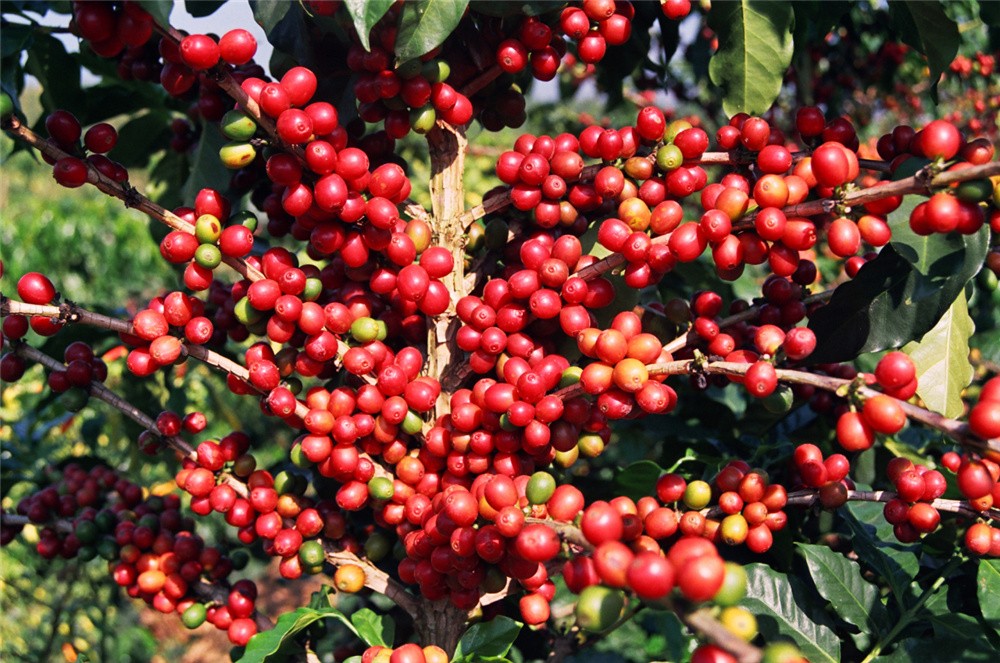
Arabica coffee, as the backbone of global specialty coffee, originates from Ethiopia. Initially used mostly for medicinal purposes, it later evolved into a widely popular everyday beverage. It is suitable for planting in high-altitude environments ranging from 600 to 2200 meters, with an ideal temperature of 15 to 24°C and annual rainfall of 1200 to 2200 millimeters. The leaves are dark green and elliptical, the fruits are oval with two beans inside, the beans are round, and the S-shaped crack in the middle is an important characteristic.
In addition, Arabica has a chlorogenic acid content of about 5.5% to 8%, which although helps with antioxidant and pest resistance, also makes it more susceptible to climate and pests, resulting in relatively higher cultivation costs. In contrast, Robusta has higher caffeine and chlorogenic acid content, with a flavor profile leaning towards strong, deep bitterness. It suits consumers seeking intense taste but falls short in delicacy and aroma layers compared to Arabica.
Back to Yunnan, coffee cultivation in this land is mainly concentrated in areas such as Pu'er, Wenshan, Baoshan, Dehong, and Lincang. Among them, Dehong enjoys the reputation of "China's Coffee Hometown," with most coffee farms located at altitudes above 1000 meters, and 30,000 mu planted in mountainous areas above 1600 meters. Coupled with local emphasis on organic farming, it has laid a solid quality foundation.
Baoshan introduced coffee in the mid-1950s, and the small-grain coffee of the Luxi Dam has long been well-known, receiving high praise from Europe, America, and the Middle East, and was certified as a “National Geographical Indication Product” in 2010. These regional differences have a key impact on the flavor direction of the coffee.
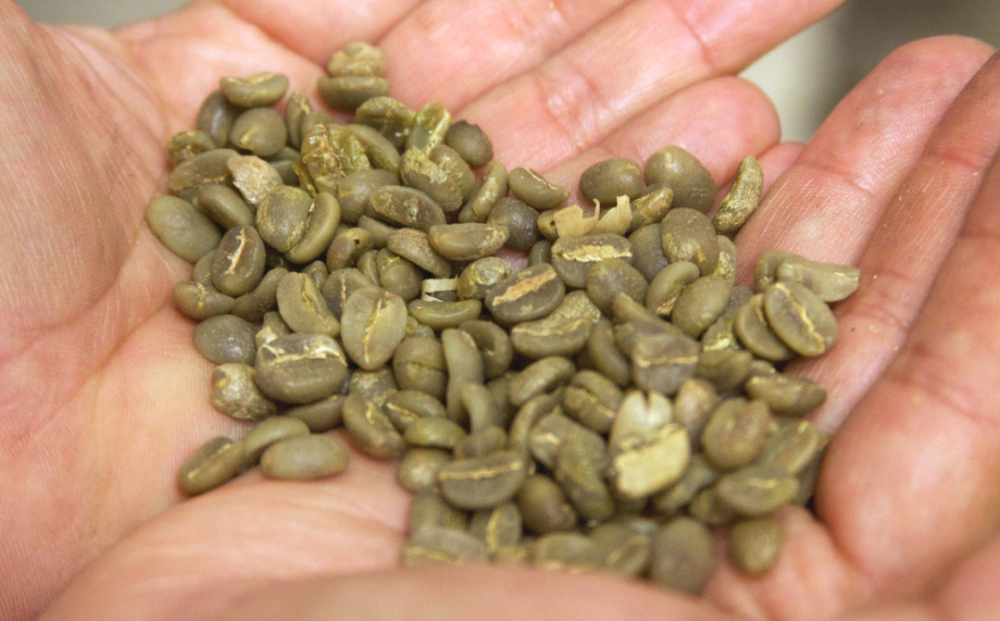
Lincang, located in the southwestern part of Yunnan Province, has unique geographical conditions. The Tropic of Cancer crosses its southern part, with an average annual temperature between 16.8 and 17.2°C, distinct dry and wet seasons, and abundant sunshine. Such an environment has made Lincang an emerging hotspot for coffee cultivation. The area has multiple nursery bases and is gradually expanding its planting scale.
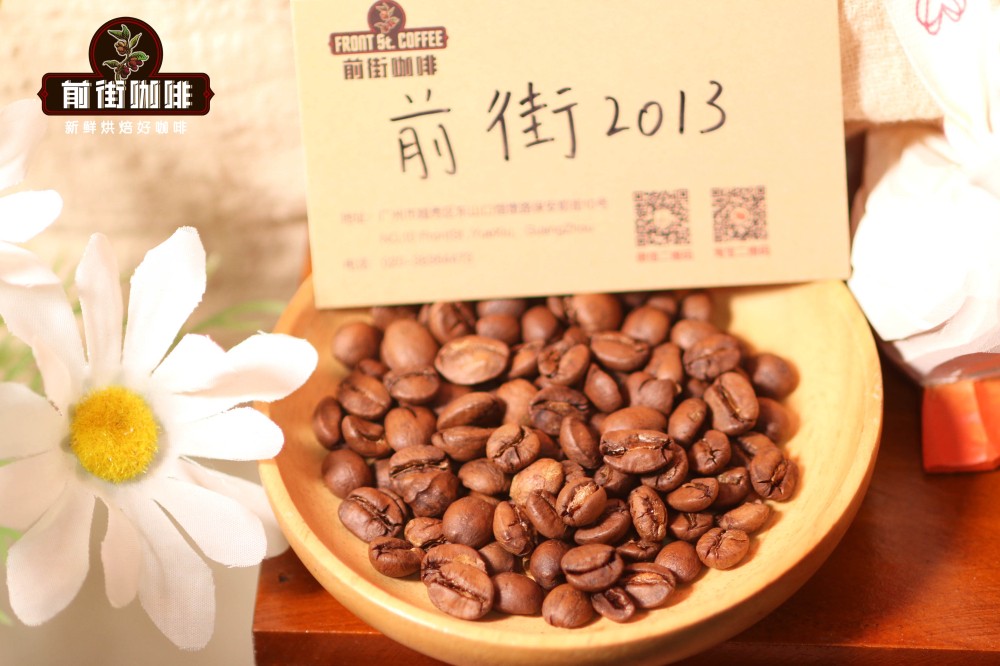
It is worth mentioning that a certain coffee brand has its own estate in Lincang, committed to planting pure Typica variety. Although it takes 4 to 5 years to bear fruit, farmers who pursue pure flavor still choose to preserve this classic variety. The brand’s first batch of self-produced beans “2013,” released in 2020–2021, received praise for its delicate flavor, proving that Typica still holds an irreplaceable position in Yunnan. Understanding these variety and regional characteristics will help you better grasp the extraction methods and optimal flavor profiles of Yunnan coffee.
The above content is compiled by CoffeeHunters, a coffee news website.


