








Introduction:Venture deep into the Mirasu Estate in Costa Rica’s Tarrazú region to explore a unique blend of four coffee varieties — Geisha, ET47, SL28, and Maico — crafted through a raisin honey process that highlights its distinctive sweetness. This article provides a comprehensive analysis of this richly layered coffee bean, from variety background and processing method to roasting and brewing recommendations, helping you master its key pour-over extraction points and tasting highlights.
When it comes to Geisha coffee, most enthusiasts first think of Panama, especially the internationally renowned auction lots from Hacienda La Esmeralda. However, what is less known is that the Geisha planted in Panama originally came from Costa Rica. The Tarrazú region in Costa Rica has also produced many distinctive Geisha blends, and the Geisha blend from Mirasu Estate is one such representative that combines varietal characteristics with unique processing methods.

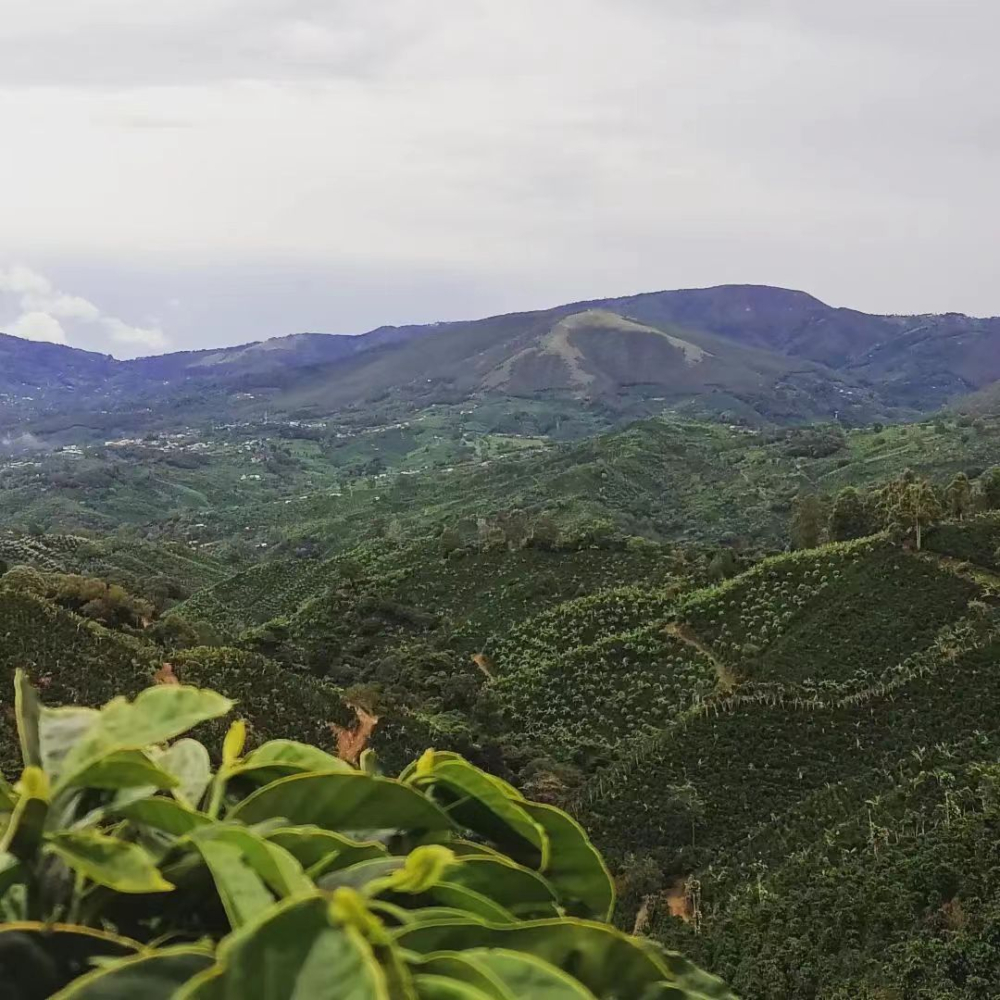
Costa Rica’s Tarrazú region is known for its high altitude, volcanic soil, and stable microclimate — making it an ideal place for cultivating premium coffee. Located here, the Mirasu Estate sits at an altitude of approximately 1,700 meters. With its consistently humid climate, abundant sunshine, and surrounding forests providing ample shade, the environment is perfect for growing specialty coffee. This estate grows not only Geisha but also a blend of multiple varieties including ET47, SL28, and Maico to create a complex-flavored coffee.
Mirasu Estate is managed by Esteban Sanches, who holds a professional degree in coffee from the University of Costa Rica’s Faculty of Agriculture. He is also a technically driven, experimental farm owner. In addition to planting various Ethiopian landraces including ET47, he personally designed small-scale wet-processing equipment for the mill and is dedicated to exploring the potential of each variety through different processing methods. This raisin honey process blend is one of the results of his years of experimentation.
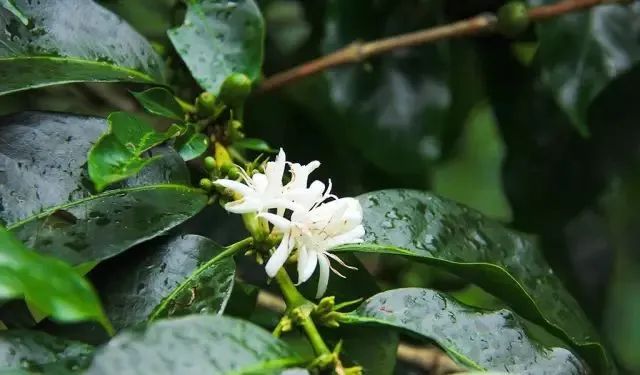
This blend consists of 50% Geisha and 50% a mix of ET47, SL28, and Maico. Although there is no publicly available detailed information about the Maico variety, its practical flavor profile shows that it synergizes well with the other varieties, adding more berry-like aromatic layers to the overall cup. The Geisha contributes pronounced jasmine floral notes, tea-like qualities, and soft acidity, while ET47 is known for its rich fruitiness and round mouthfeel. SL28 adds bright acidity and intense berry aromas, together constructing a complex and layered foundational flavor.
For processing, the Mirasu Estate chose the raisin honey process — a honey method that retains 100% of the fruit mucilage and involves no water washing at all. It is technically demanding and highly dependent on weather conditions. After harvest, the coffee cherries are first carefully sorted, then left to dry on raised beds for at least three days before being depulped. The depulping machine developed by Esteban can handle different varieties simultaneously, effectively improving processing efficiency and stability.
After depulping, the beans are dried along with their intact mucilage layer. This process requires constant agitation to ensure even drying. Over-agitation or too rapid drying can lead to incomplete flavor development or over-fermentation, whereas too slow drying may promote microbial growth. Therefore, controlling temperature and humidity fluctuations is key to the success of this process. Ultimately, this method imparts the coffee with a strong sweetness, featuring distinct dried fruit, berry, and caramel-like fermented aromas.

In terms of roasting, roasters from a certain brand found that due to the relatively lower fermentation level of the Geisha in the blend compared to the other three varieties, the roast curve needed special adjustments. After multiple tests and fine-tunings, a medium-dark roast curve was eventually adopted: during the development stage, high heat is applied to concentrate energy, and ventilation is increased at first crack to fully express the characteristics of each variety as well as the overall sweetness.
Specific roasting parameters are as follows: using a Yangjia 800N roaster, with a charge weight of 480 grams. The drum is preheated to 200°C, and the beans are dropped in at 175°C. Initial flame setting is 120, with air damper at 3. The turning point occurs around 1 minute and 32 seconds, after which the flame remains unchanged. At 114°C, the air damper is adjusted to 4; at 6 minutes and 15 seconds, the beans turn yellow and enter the dehydration phase, at which point the flame is reduced to 100. At 140°C, the bean surface shows wrinkles and dark spots, and the aroma transitions from baked bread to coffee — an important precursor to first crack. Around 10 minutes and 25 seconds, the coffee enters first crack. At this point, the air damper is fully opened to 5, and high heat is maintained until dropping the batch at 193.5°C.
For cupping, it is recommended to proceed within 8 to 24 hours after roasting. Use a 200 ml ceramic cupping bowl with standard metal cupping spoons. Water temperature should be controlled at 94°C, with a brew ratio of 1:18.18 (approximately 11.1 grams of coffee to 200 ml of water). Grind size should be set to achieve 70%–75% passing through a #20 sieve to meet the concentration range (1.15%–1.35%) for the Golden Cup standard. During cupping, first smell the dry fragrance, then observe the wet aroma after pouring water, and evaluate flavors approximately 4 minutes later after breaking the crust.
Cupping results show that this coffee has a notable floral dry fragrance; the wet aroma reveals rich dried fruit and berry notes. The flavor profile includes the sweetness of raisins, various berries, nuts, and a light creamy note, with a pronounced sweetness and a long-lasting aftertaste.
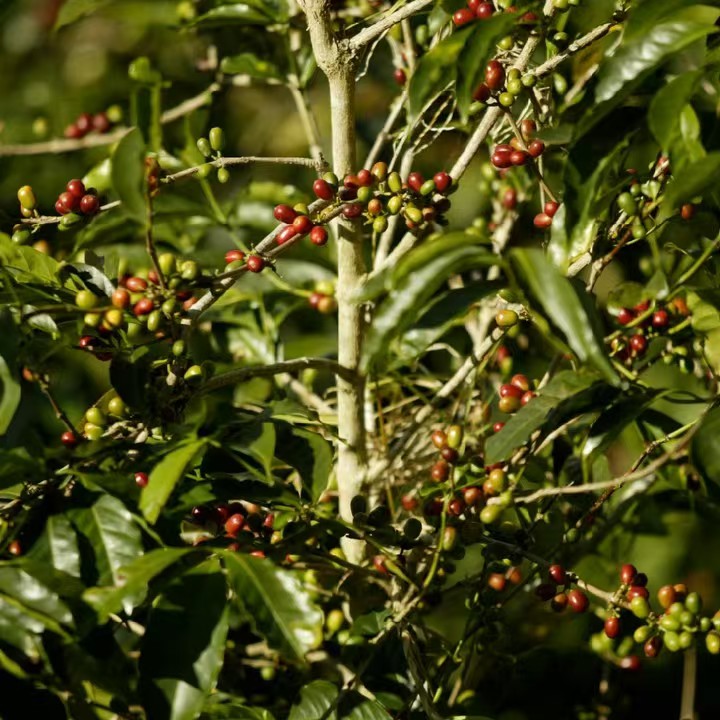
For home brewing, it is recommended to use a V60 #01 filter cone, with 15 grams of coffee, a brew ratio of 1:15, water temperature around 90°C, and a medium-fine grind (close to 80% passing through a #20 sieve). Suggested brewing steps: start with a small amount of hot water (about 30 grams) for a 30-second bloom, then pour in a slow circular motion until reaching 125 grams for the first pour. When the water level drops close to exposing the coffee bed, continue pouring to 225 grams, then stop and wait for drainage before removing the filter. Total brew time is about 2 minutes and 1 second, fully showcasing the aroma and layered complexity of this blend.
Once brewed, this Costa Rican Tarrazú Geisha blend reveals elegant jasmine floral notes. On the palate, it offers a rich raisin sweetness paired with a strawberry marshmallow-like fruitiness, with a silky, creamy mouthfeel. The aftertaste carries warm notes of nuts and caramel, making it a high-level pour-over coffee best enjoyed slowly.
The above content is compiled by CoffeeHunters, a coffee news website.


