







Introduction:Kenyan coffee is often celebrated for its vibrant berry acidity, but how does dark roasting transform its character? This time, we blended high-altitude Kenyan washed beans with Mandheling at a 1:1 ratio to brew espresso, and also tested its performance in pour over and French press. From flavor profiles and extraction suggestions to roast suitability, we’ll explore how deep roasting affects Kenyan flavors and its potential value in blends.
Kenyan coffee is known for its lively berry acidity, but there was a time when it was recommended to be dark roasted—quite different from today’s popular light-roast fruity style. For this test, we selected two high-altitude washed beans from Kenya’s Nyeri and Kiambu regions: Little Tomato and Karogoto, both of SL28 and SL34 varieties. We roasted them all to the start of the second crack, observed their flavor evolution, and tried blending them with dark-roasted Mandheling to make espresso, analyzing their real-world performance.
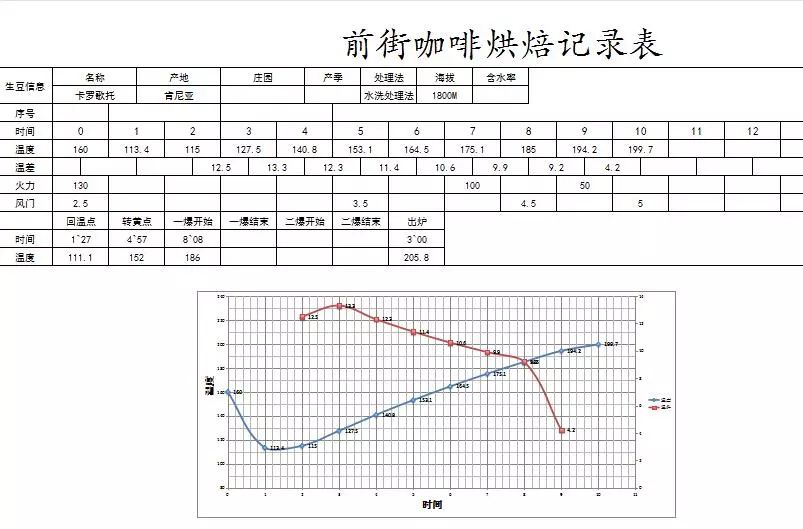
Both Kenyan beans come from high-altitude regions: Karogoto grows at around 1800 meters, while the other is cultivated between 1550 and 1750 meters. They are hard-bean types, suitable for deep roasting to fully bring out complex flavors. The SL28 and SL34 varieties are known for their bright acidity and high density, but these traits may be replaced by intense caramel and woody notes during dark roasting. The actual results are worth exploring in depth.
We roasted both Kenyan beans until the start of the second crack, when the bean surface wrinkles relaxed, then conducted cupping comparisons. Karogoto showed cedar, floral, and herbal undertones paired with berry acidity, resulting in a balanced taste. Little Tomato released citrus, plum, and berry aromas with hazelnut and chocolate tones, featuring softer acidity, a full body, and a sweet finish. Compared to the light-roast versions, the dark-roast acidity dropped noticeably—Karogoto’s dried-tomato notes transformed into rich spice tones, while Little Tomato’s blackcurrant acidity shifted to berry and citrus nuances.
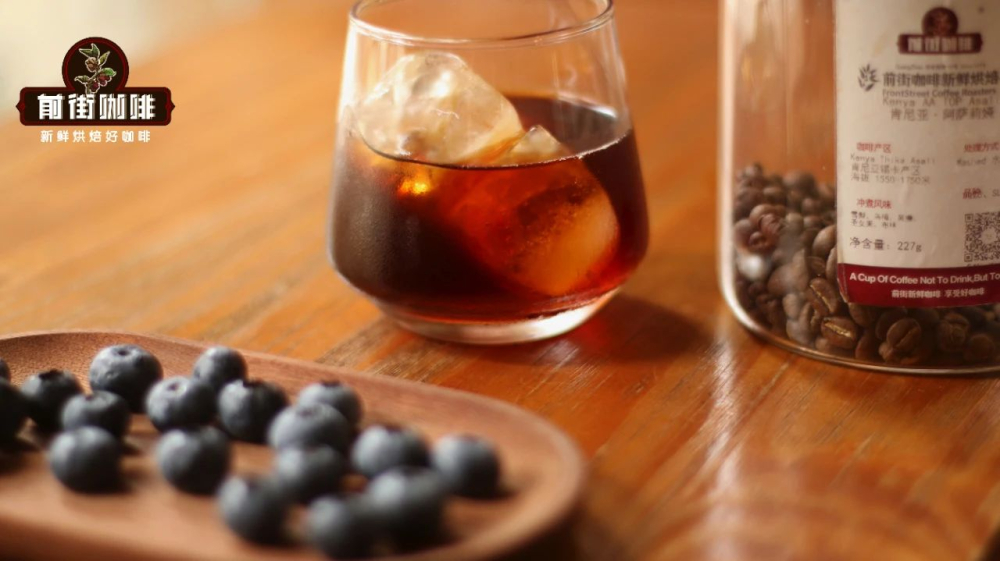
We further brewed dark-roast Kenyan using pour over and French press to observe its real drinking performance. For the pour over test, we used the better-performing Little Tomato beans, employing a V60 filter, 16g of coffee, medium-coarse grind, 88°C water, a 1:16 coffee-to-water ratio, and a total brew time of 2 minutes and 15 seconds. The method involved a 30-second bloom with 30g of water, followed by pouring 130g, pausing briefly, then adding 100g to complete the extraction. In terms of flavor, the wet aroma carried floral and citrus notes, with a slightly astringent entry that gave way to almond and berry flavors. The body was thick, and the finish had warm, sweet cedar and toffee undertones.
The French press test used a 2-person press, 16g of coffee, the same medium-coarse grind, 87°C water, a 1:16 ratio, and a 2-minute-30-second brew time. The process began with preheating the press, adding the coffee, blooming 30g of water for 30 seconds, then pouring 230g and steeping for 2 minutes before pressing quickly. This method produced coffee with a slight oily sheen on the surface, offering a cleaner taste with almost no astringency. Key flavors included citrus, almond, and caramel, with a late-stage and aftertaste revealing rich berry aromas and a subtle cedar base note. The overall profile was balanced with a long-lasting finish.

The test found that the dark-roast Little Tomato beans paired excellently with the French press. We further experimented by making espresso, blending dark-roast Kenyan with dark-roast Mandheling at a 1:1 ratio. The result was surprising: the espresso had a rich crema, a full body, and emitted intense aromas of toffee, chocolate, and peach, with lingering almond notes. With milk added, the milk coffee became even smoother and more intense, resembling a flavor profile of dark chocolate paired with cranberry brownies, showcasing excellent balance.
While dark roasting can impart Kenyan beans with woody tones and heavy caramel flavors, it may also mask their original floral and fruity aromas—particularly their bright berry acidity and juicy mouthfeel. It’s a trade-off. However, as a blend component, dark roasting helps enhance overall body and flavor balance, making it a highly practical choice.
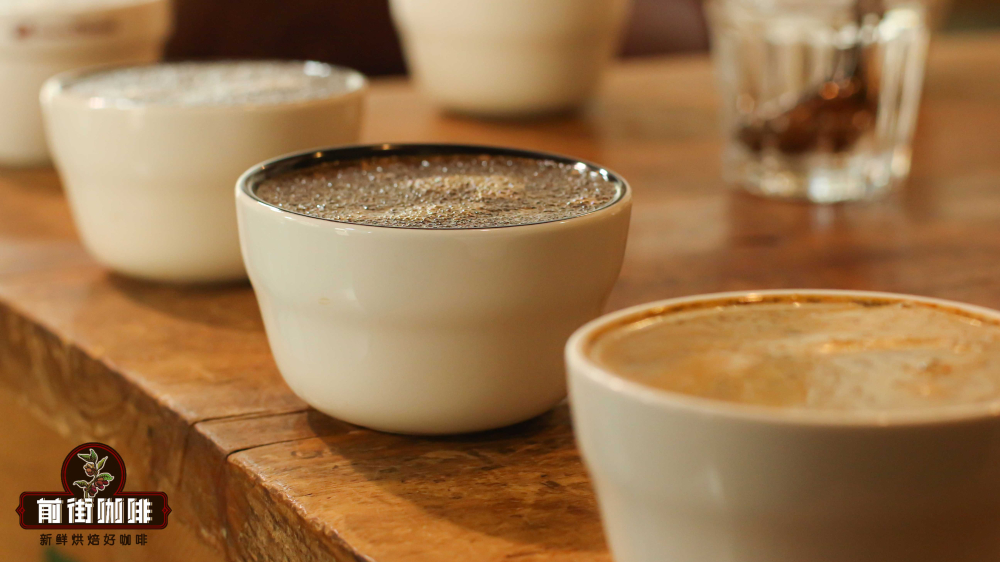
Looking back at the history of dark-roast Kenyan, this roasting style was mainly popular during the second wave of coffee, when espresso culture was thriving but roasting techniques and processing methods were not yet refined. Many roasters believed that hard-bean washed coffees were hard to roast through, and dark roasting could effectively avoid underdevelopment issues. With the rise of specialty coffee, light roasting gradually became mainstream, emphasizing native regional flavors and enzymatic aromas. Today, we have much broader flexibility and imagination when choosing roast levels.
The above content is compiled by CoffeeHunters, a coffee news website.


