








Introduction:The secrets of coffee flavor stem not only from origin and variety, but processing method is the key. How do the four mainstream techniques—natural, washed, honey, and semi-washed—influence a coffee’s aroma, sweetness, and acidity? This article breaks down the principles, step-by-step details, and typical flavor profiles of each method in an accessible way, along with practical parameters and common questions, helping you understand the logic behind coffee flavor formation from the source.
In the specialty coffee world, a cup’s flavor profile is shaped not only by coffee variety and terroir microclimate, but the ‘processing method’ is the decisive backstage force. Natural, washed, honey, semi-washed—these terms may be familiar to coffee enthusiasts, but do you truly understand the differences in craftsmanship and their impact on flavor? This article will guide you from basic principles, gradually dissecting the operational details, key parameters, and typical flavor profiles of the four major processing methods, while interspersing practical notes to help you master the shaping logic of coffee flavor from the ground up.

With the rise of specialty coffee culture, demand for related professions—from roasters to cuppers—has grown rapidly, and self-roasting has become the entrepreneurial first choice for many in the coffee industry. But a coffee’s final expression is actually influenced by multiple variables—including coffee tree variety, terroir microclimate, and even shade tree species—and among them, the ‘processing method’ directly determines the foundational flavor skeleton of the coffee. Though variables abound, each processing method still presents recognizable flavor tendencies.
Currently, mainstream coffee bean processing methods can generally be divided into three categories: natural (dry), washed (wet), and honey (semi-dry), with semi-natural often considered a variation of honey processing. Next, we’ll analyze the core craftsmanship and flavor characteristics of these four processing methods one by one.
Method 1: Natural Processing (Dry Processing Method)
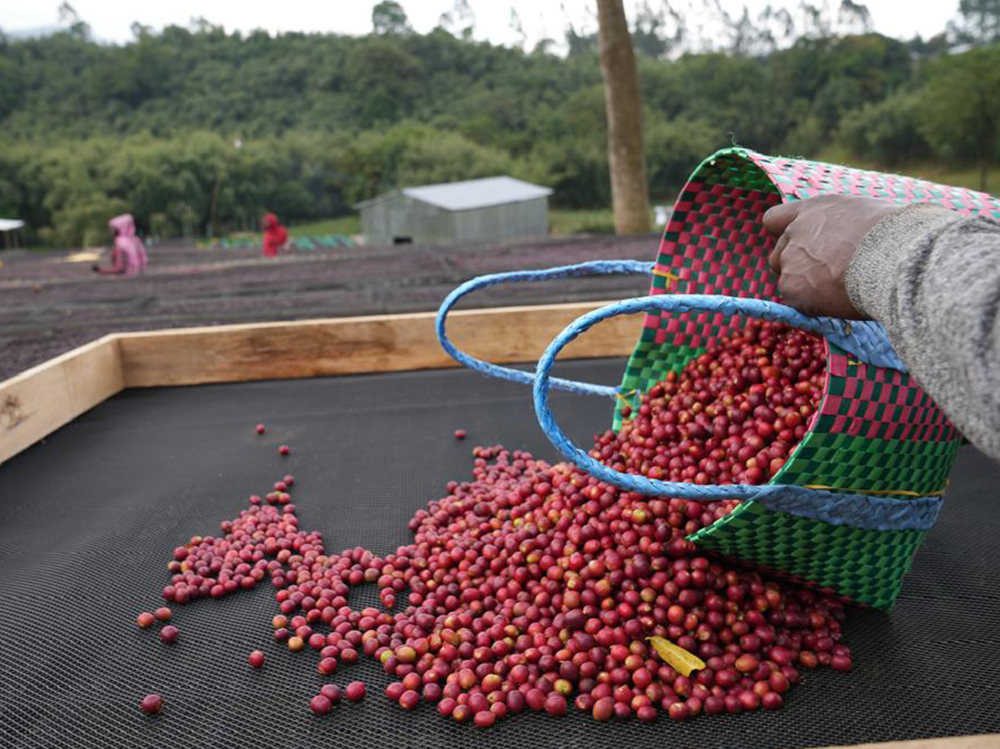
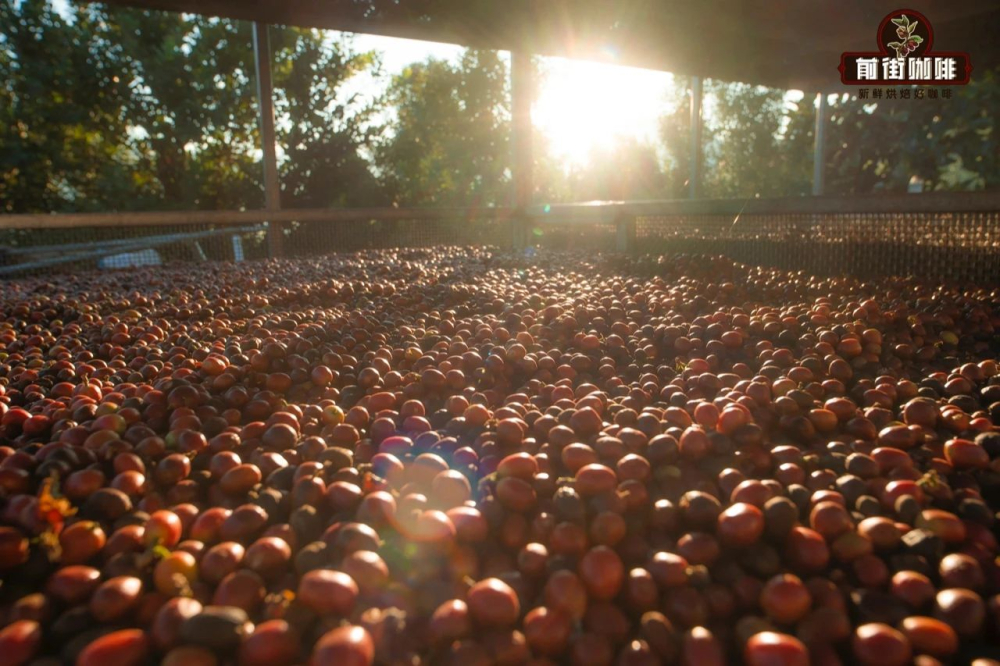
Natural processing is the most traditional coffee processing method, also known as the ‘dry processing method.’ Its core steps involve laying harvested whole coffee cherries (with pulp, mucilage, and seeds intact) directly on drying beds to dry naturally under the sun until the moisture content drops to10.5%—12%. If the weather is favorable, this method is the most energy-efficient; however, if sunlight is insufficient, a dryer may be needed as an aid.
The industry tends to refer to this process as the ‘dry processing method,’ while ‘natural’ is merely its most common form of implementation. In major producing regions such as Ethiopia, Yemen, and Brazil, the proportion of natural processing generally exceeds80%, especially in areas with limited water resources.
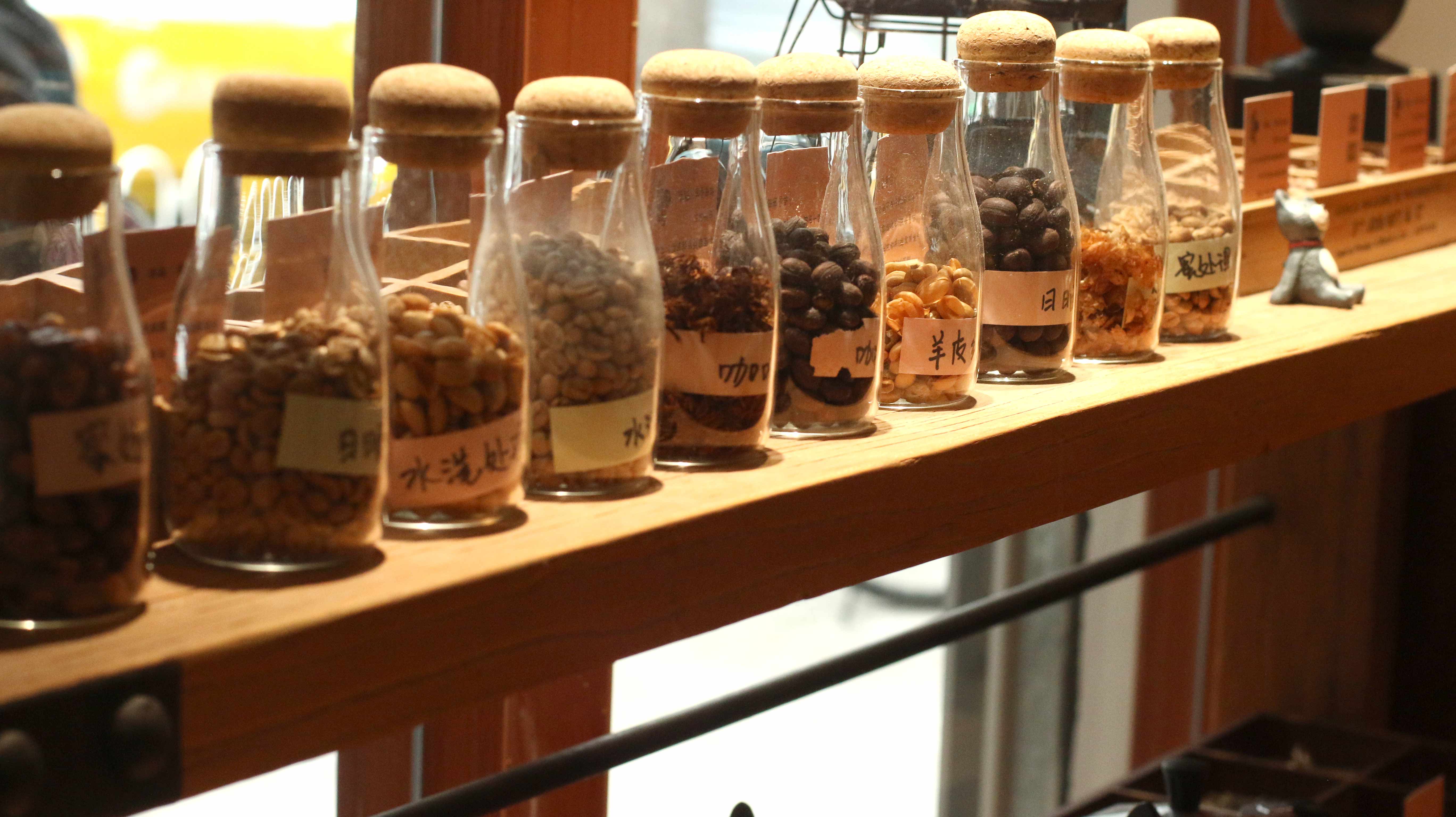
Natural drying usually takes2–4 weeks(depending on weather and desired flavor), during which strict control of temperature and ventilation is required to avoid over-fermentation or mold. If the entire process is naturally sun-dried and well managed, the fruit undergoes slight fermentation, imparting the coffee with rich fruity aromas and sweetness; conversely, if it dries too quickly or the temperature is uncontrolled, the mucilage fails to ferment sufficiently before drying and setting, resulting in a monotonous flavor—this is also why some Brazilian commercial beans have been criticized in the past.
The dried coffee cherries retain their complete outer layers until they are mechanically removed just before export (known as dry milling). Under ideal conditions, natural beans often exhibit complex fruit tones, soft fermented aromas, and notable sweetness. Representative beans include Natural Huakui, Emerald Red Label Geisha, and Queen Estate.
Method 2: Washed Processing Method (Wet Processing Method)
Washed processing originated in the 18th century during the Dutch colonial period as a solution to the dilemma of inability to sun-dry in humid, rainy regions (such as Java). The process involves: first removing the outer skin and pulp of the coffee cherry, then soaking the mucilage-covered parchment beans in water tanks to ferment, breaking down the mucilage’s stickiness, followed by rinsing away residues with clean water, and finally drying. Since the pulp and mucilage are removed upfront, the drying time is significantly shortened.
Fermentation time varies depending on temperature, yeast activity, and processing method—ranging from as short as12 hoursto as long as6 days(e.g., Kenyan-style washed processing requires multiple fermentations and rinses). Judging the end point of fermentation is key—insufficient fermentation leaves mucilage residue, while over-fermentation produces foul sourness.
Traditional washed processing is water-intensive, but modern techniques have reduced water usage through water recycling systems or friction machines, so the professional field more commonly refers to it as the ‘wet processing method.’ The flavor characteristics of this method are clean and bright, with pronounced acidity (especially in light roasts), and the acids produced by mucilage fermentation along with the absence of pulp interference during drying shape its unique flavor profile. Representative beans include Flower Butterfly, Fruit Ding Ding, and Little Tomato.
Method 3: Semi-Dry Processing Method (Including Pulped Natural and Honey Processing)
The semi-dry processing method lies between dry and wet processing and can be subdivided into pulped natural and honey processing. Both first remove the outer skin and part of the pulp of the coffee cherry, but skip the fermentation and rinsing steps of washed processing, proceeding directly to sun-drying. The difference lies in the degree of mucilage retention, leading to distinctly different flavor expressions.
(A) Pulped Natural Method
This method was developed by Brazilian equipment manufacturer Pinhalense in the 1980s–90s, using a depulper to separate the pulp and a high-pressure washer to remove most of the mucilage, followed by direct sun-drying to the target moisture content. Since there is no fermentation stage, the flavor is more stable but less complex, and high-quality coffees seldom use this method. Its advantage is significantly lower water usage than washed processing, and some steps blend characteristics of both dry and wet processing, also called the ‘semi-washed method.’ Brazil and Colombia have companies that have formed technological monopolies with automated equipment.
Representative pulped natural beans include Brazilian Cerrado, which, when roasted to medium-light levels, highlights cream, peanut, nut, and caramel tones, suitable for pour over, moka pot, and espresso use.
(B) Honey Processing Method
Originating in Costa Rica in the 1990s, this method uses a mucilage scraper (which can adjust the amount of mucilage retained) to remove the skin and retain some or all of the mucilage before direct sun-drying. The mucilage ferments during drying, adding acidity and sweetness, which is the core difference from the pulped natural method. Despite the name containing ‘honey,’ what is actually retained is coffee fruit mucilage (not real honey).
The amount of mucilage retained affects flavor and bean color. The industry commonly uses Black Honey, Red Honey, Yellow Honey, and White Honey to differentiate (based on mucilage content from high to low), though actual proportions are hard to quantify precisely. The more mucilage retained, the darker the dried bean color and the closer the flavor is to natural (e.g., Black Honey). Representative beans include Blackberry, which, when roasted to medium-light levels, releases layers of orange blossom, berries, dried blueberries, and liqueur chocolate, offering a refreshing sweet-sour taste in cold brew, explosive sweetness in pour over, and a richly intense profile in espresso extraction.
The above content is compiled by CoffeeHunters, a coffee news website.


