








Introduction:Ethiopia’s Sidamo is one of the dream regions in the hearts of global specialty coffee enthusiasts, renowned for its coffee’s gentle acidity, elegant floral notes, and captivating chocolatey aftertaste. This article delves into Sidamo’s geographical environment, processing methods, grading system, and analyzes its unique flavor characteristics, while also introducing classic beans such as Huila, Hamaseh, and Alo. It helps readers understand the charm of this region from multiple dimensions and grasp the key points of tasting and selection.
Sidamo is a famous specialty coffee region in southern Ethiopia, known for its delicate flavors and rich layers. The coffees from this area often feature soft fruit acidity, paired with pronounced floral notes and a round mouthfeel, with many batches also exuding a charming chocolate finish, making them highly favored by coffee lovers worldwide. If you want to deeply understand what makes this region unique, the following will provide a detailed analysis—from regional background, geographical conditions, processing techniques, grading systems, to recommended bean varieties—allowing you to fully grasp the essence of Sidamo coffee.
When talking about Sidamo, one cannot overlook the internationally notable trademark dispute in 2006. At that time, Starbucks attempted to register the name “Sidamo” as a trademark, sparking strong backlash from Ethiopia’s coffee industry. After two years of legal battles and international public pressure, Starbucks eventually withdrew the application and opted to import coffee from the region through a cooperative approach instead. This incident also drew more attention to the importance of origin brand protection. Sidamo is not just a geographical name, but also represents the culture and quality symbol of Ethiopian coffee.

Sidamo is located on the southern highlands of Ethiopia, adjacent to the renowned Yirgacheffe region. The terrain is diverse, with planting altitudes ranging approximately between 1400 and 2000 meters. Due to its varied microclimates, soil types, and numerous native coffee varieties, even within Sidamo, coffees from different villages or micro-regions can exhibit significant flavor differences. The region’s administrative divisions are meticulous, categorized into Region (zone), Zone (district), Woreda (district), and Kebele (village), which helps accurately trace the origin and flavor characteristics of the coffee.
Sidamo’s natural sun-drying processing method is highly distinctive and one of the keys to shaping its unique flavors. Local farmers typically harvest only fully ripe red cherries and perform multiple hand-sortings after picking to remove unripe or defective beans. The coffee cherries are then evenly spread on wooden racks or elevated drying beds to ensure good ventilation and avoid contact with ground moisture or dirt. During the sun-drying process, they are turned frequently throughout the day to promote even moisture evaporation, and are regularly inspected to remove moldy or low-quality fruits. After about two weeks of sun-drying, once the skins become dry and hard, a hulling machine is used to remove the dried pulp and parchment. Finally, the beans undergo fine screening to ensure consistent raw bean quality.
This meticulous processing method allows the coffee to retain abundant pulp sugars, resulting in intense tropical fruit flavors such as strawberry, guava, and passionfruit, while also giving the coffee a fuller body and smoother mouthfeel. Popular beans like Alo, Huila, and Hamaseh all employ this traditional sun-drying method, making their aromas and layered profiles even more distinctive.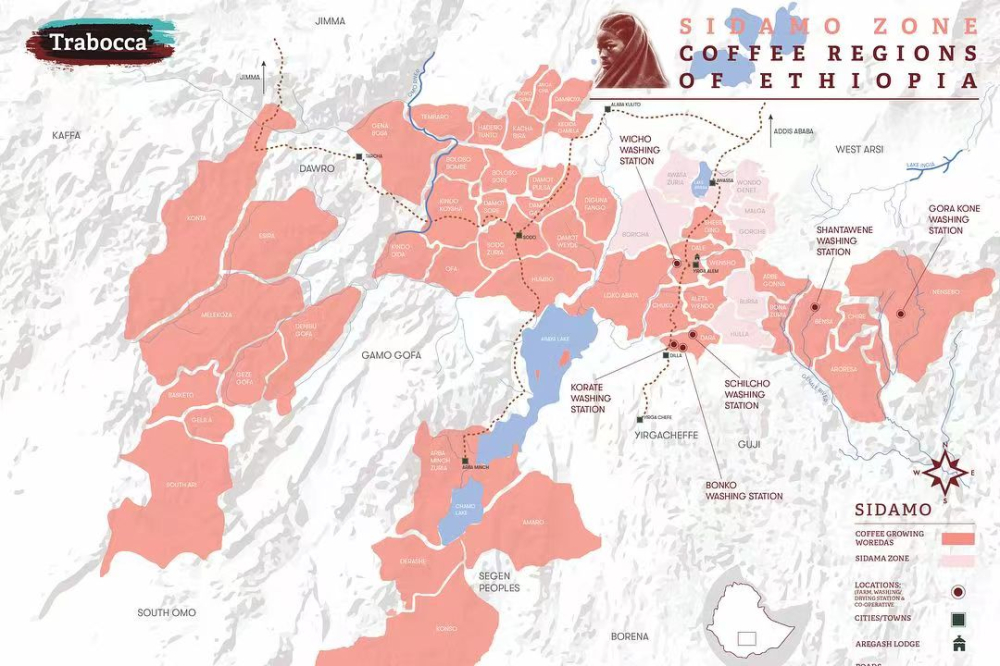
Before the establishment of the Ethiopian Commodity Exchange (ECX), coffee export grading in the country was primarily managed by the CLU department under the Ministry of Agriculture. It was based on the number of defective beans in a 300g sample of green beans to determine the grade, serving as an important indicator of basic coffee quality. Understanding this system helps consumers assess the fundamental quality level when making purchasing decisions.
Among them, G1 grade natural processed beans from the Sidamo region, such as the highly acclaimed Huila G1, belong to the top-tier specialty grade. These coffees undergo multiple stringent selections during the bean-picking stage, retaining only the highest-quality coffee cherries. Their varietals are Ethiopia’s unique native species, grown at higher altitudes, generally between 2200 and 2500 meters, resulting in more complex flavor expressions. This coffee often showcases bright rose floral notes, fresh peach aromas, and a gentle black tea-like sweetness in the aftertaste. With its distinct flavor layers and long-lasting finish, it is one of the representatives that truly captures the essence of Sidamo’s flavors.
In summary, the charm of Sidamo coffee comes not only from its exceptional geographical and climatic conditions but also from the region’s traditional processing techniques and rigorous grading system. Whether you’re a newcomer exploring specialty coffee or a barista seeking new flavor inspirations, gaining an in-depth understanding of the various facets of Sidamo will give you more direction when tasting and selecting, helping you discover more surprising coffee flavor possibilities.
The above content is compiled by CoffeeHunters, a coffee news website.


