








Introduction:Yirgacheffe is Ethiopia's most representative specialty coffee region, renowned for its distinctive floral and fruity aromas as well as its bright acidity. This article delves into the flavor characteristics of coffee from this region, compares the differences between the two main processing methods—washed and natural—and explores the pour-over and cold brew extraction methods suitable for lightly roasted Yirgacheffe, helping coffee enthusiasts choose the beans that best suit their taste.
As an important representative of Ethiopia’s specialty coffee, Yirgacheffe is widely praised for its bright citrus and lemon-like fruit aromas paired with soft jasmine fragrance. The overall flavor of this coffee is fresh and vibrant, with delicate and layered acidity, a clean mouthfeel free of off-flavors, making it the go-to choice for many beginners entering the world of specialty coffee.
The high-altitude environment of this region creates significant diurnal temperature variations, a natural condition that slows down the ripening process of coffee cherries, aiding in the accumulation of flavor compounds. As a result, Yirgacheffe coffee often exhibits bright citrus acidity, rich white floral notes, and a honey-like sweet aftertaste, with an overall flavor profile that is exceptionally refreshing and pleasant.
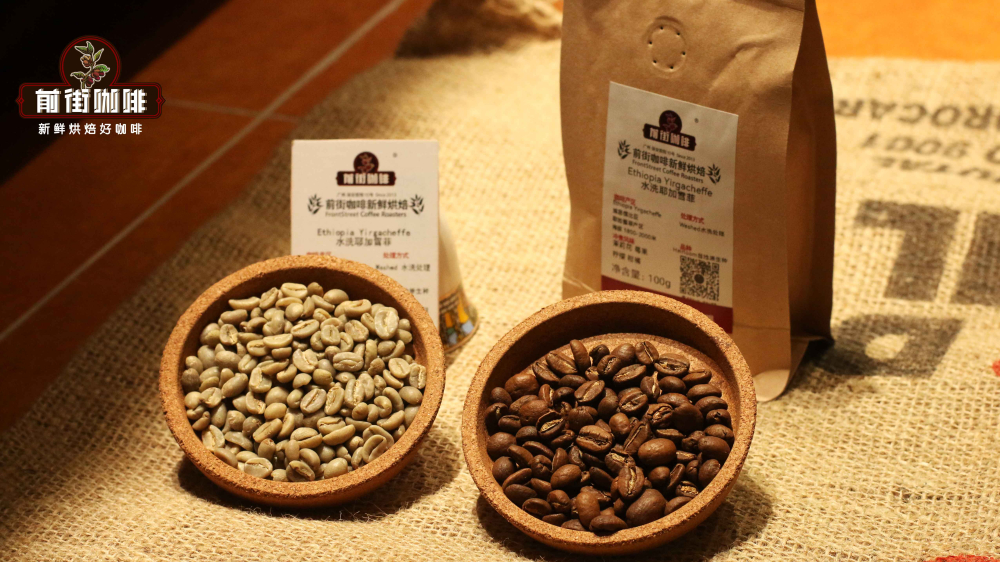
The reason Yirgacheffe coffee is so beloved lies in its ability to overturn many people’s stereotype that coffee only has a bitter and astringent taste. The coffee here showcases clear, clean, and multi-layered flavors, allowing one to experience the diverse possibilities of coffee flavor. It is also the enlightenment region for many coffee lovers embarking on their specialty coffee journey.
Currently, the Yirgacheffe coffee beans commonly found on the market can be roughly divided into three flavor profiles: Consumers who prefer a fresh and bright floral style can choose washed-process Yirgacheffe everyday-drinking beans or the Guji Diding variety; if you lean more toward a round and balanced sweet-and-sour taste, the natural-processed Red Cherry coffee is a worthwhile option to try. Different processing techniques endow each bean with unique flavor characteristics.
Traditionally, Yirgacheffe coffee beans have mainly been processed using the washed method. This technique first removes the outer skin and pulp of the harvested coffee cherries with a machine, then places them in a fermentation tank with clean water for 12 to 36 hours of fermentation. The acidic substances produced during fermentation effectively break down the mucilage, after which the beans are carefully washed with clean water and finally dried in the sun.
In contrast, the natural processing method is a relatively simple and historic approach. This method involves directly spreading the whole harvested coffee cherries on drying beds to dry naturally under the sun. This most traditional processing technique is particularly suitable for regions with abundant sunlight or limited water resources, and in recent years, it has gradually gained attention and praise in the market.

For coffee enthusiasts who enjoy pour-over or cold brew, lightly roasted Yirgacheffe is an excellent choice. Practical tastings have shown that the pour-over method can fully highlight its floral and fruity aromas as well as citrus acidity, producing coffee that resembles an aromatic flower-and-fruit tea, with distinct layers and a memorable finish. Cold brew, on the other hand, gives the coffee a rounder mouthfeel, with berry notes and a subtle black tea character becoming more pronounced, making it ideal for summer enjoyment.
When selecting Yirgacheffe coffee beans, it is recommended to choose the appropriate processing method and roast level based on personal taste preferences. Whether you are pursuing the fresh floral-and-fruit profile of washed beans or the rich fruitiness and sweetness of natural-processed beans, you can find a satisfying choice in this classic region.
The above content is compiled by CoffeeHunters, a coffee news website.


