







Introduction:Although Honduras is not the most well-known coffee-producing country, its wine barrel fermentation processing method has brought unique beans with flavors such as sherry and lychee orchid into the spotlight. This article delves into Honduras' geographical environment, six major producing regions, cultivated varieties, and provides an in-depth look at the processing techniques, flavor profiles, and optimal pour over settings for the Mocha Estate Wine Barrel Fermented beans, helping you grasp the essence of this Central American coffee powerhouse.
When it comes to specialty coffee, many people first think of Ethiopia, but in fact, Honduras, with its distinctive wine barrel fermentation method, also holds a significant place in the global coffee market. In particular, the Sherry and Lychee Orchid beans from the Mocha Estate in the Marcala region are celebrated for their rich wine-like aromas and fruity notes, winning the hearts of many coffee enthusiasts.
Although Honduran coffee may not be as widely recognized as that of neighboring Guatemala or Costa Rica, its flavors are highly distinctive. Especially through wine barrel fermentation technology, it imparts whiskey and brandy-like aromatic notes to the coffee, paired with fruity sweetness and a creamy smooth mouthfeel, making it an unforgettable experience.
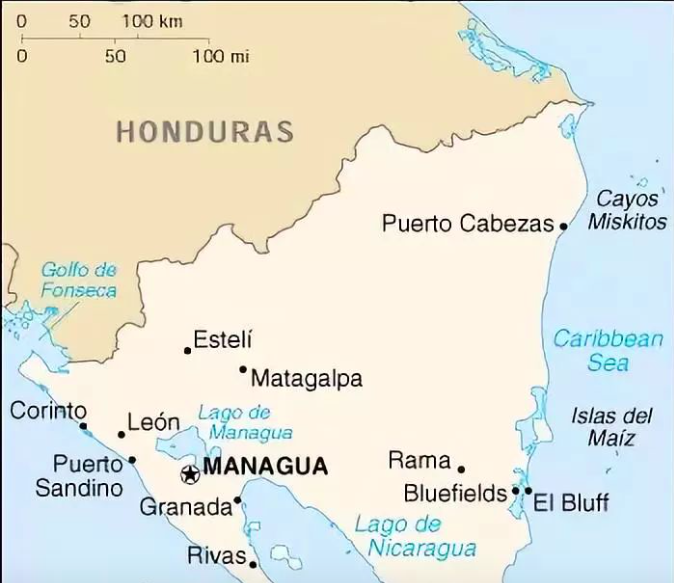
Honduras is located in the northern part of Central America, with a terrain dominated by mountains and plateaus, where more than three-quarters of the country's land features undulating mountainous landscapes. It borders the Caribbean Sea to the north, the Pacific Ocean’s Gulf of Fonseca to the south, and shares borders with Nicaragua, El Salvador, and Guatemala. The region features varied elevations, providing diverse microclimates ideal for coffee cultivation. Covering approximately 112,492 square kilometers with a coastline of 1,033 kilometers, the majority of the area consists of mountainous regions, particularly suitable for growing high-altitude coffee.
The climate conditions in this region are very conducive to coffee growth, with an average annual temperature of about 23°C and annual rainfall ranging between 1,300 and 2,300 millimeters. The rainy season concentrates between June and November, creating an excellent environment for the growth of coffee cherries and the accumulation of flavors. Major rivers in the area, such as the Coco River, Patuca River, and Ulúa River, not only supply irrigation water but also form numerous valleys and basins ideal for coffee cultivation.
Honduran coffee is mainly divided into two categories: one is highland coffee grown at elevations of 1,000 to 1,500 meters, and the other is premium highland coffee grown at 1,500 to 2,000 meters, the latter often regarded as the country’s top-tier quality. The nation has approximately 280,000 hectares of coffee plantations, most of which are small farms under 3.5 hectares in size. These small-scale growing areas account for about 60% of the country’s total coffee production. Due to terrain limitations, coffee cherries are primarily harvested manually and then undergo rigorous post-harvest processing to ensure bean quality.
Honduras’ coffee-growing regions can be divided into six major blocks: Copan, Opalaca, Montecillos, Comayagua, Agalta Tropical, and El Paraiso. These regions are mostly situated at elevations above 1,100 meters, making them ideal for specialty coffee cultivation. Among them, the Copan region is known for its chocolate, honey, and caramel notes; the Opalaca region showcases delicate acidity and tropical fruit flavors; Montecillos is famed for its vibrant lemon aroma and fruity character; Comayagua offers pronounced citrus and creamy sweetness; Agalta highlights honey-like sweetness and citrus acidity; and El Paraiso presents a balanced mix of mild fruit acidity and caramel aromas.
In addition to these six major regions, Honduras also has some small-scale yet highly promising producing areas, such as Santa Bárbara, Ocotepeque, Lempira, and El Paraíso, which are gradually gaining market attention. Notably, the "Honduras Western Coffee" association (HWC) in the western region produces the country’s first coffee to receive Geographic Indication Protection (PGI) from the Honduran government, symbolizing certified quality and regional distinction.
When discussing Honduran coffee, one cannot overlook the wine barrel fermentation process. The most representative of these is the Mocha Estate, located in the city of Marcala, Intibucá Province. This area, with its high elevation and cool climate, is highly suitable for cultivating high-quality coffee. The Mocha Estate employs whiskey and brandy barrels for fermentation, imparting unique alcoholic aromas to the coffee.
The wine barrel fermentation process is quite meticulous: first, on the day of harvest, the coffee cherries undergo a washed process to remove the pulp and skin. Then, the parchment-covered green beans are placed inside whiskey or brandy barrels for fermentation at low temperatures for 30 to 40 days. After fermentation, the beans are dried in the shade to avoid direct sunlight, preventing the evaporation of wine aromas or the development of undesirable acidic notes. This method imparts intense wine-like scents while preserving fruity tones and sweetness, resulting in a richly layered flavor profile.
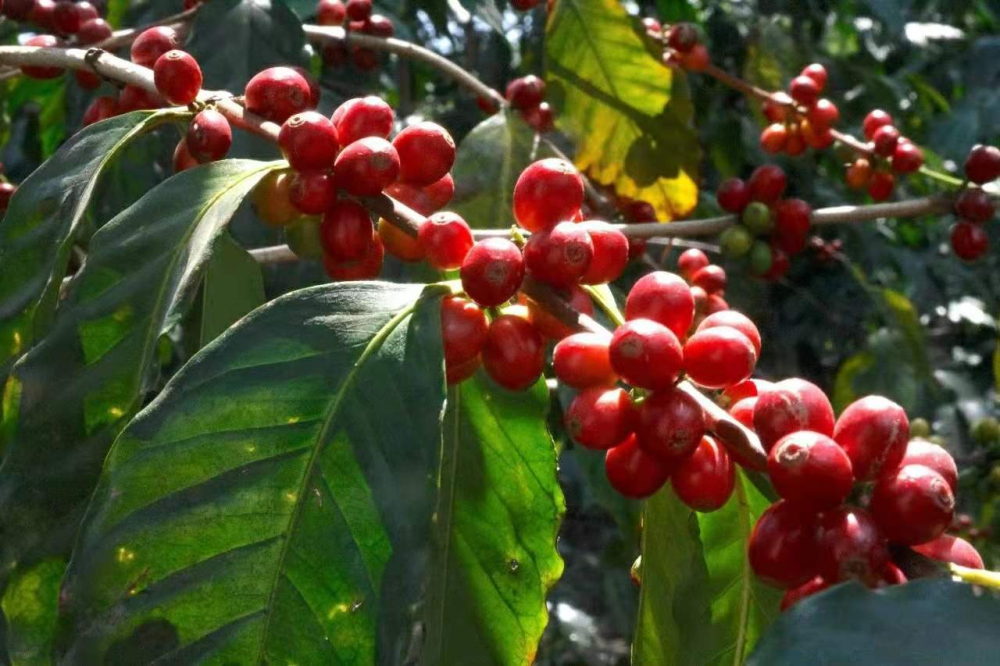
The main coffee varieties cultivated in Honduras are Arabica types, among which Caturra and Catuai are the most common. Both varieties originate from Brazil, are well-suited to Central American climates, and exhibit good acidity and flavor profiles. Other varieties such as Pacas and Maracatu are also grown, with the latter being a hybrid of Maragogype and Caturra, known for its large bean size.
For pour over enthusiasts, Honduras’ wine barrel fermented beans come with unique brewing recommendations. To fully highlight their wine and fruit aromas, it is recommended to use a medium-light roast and brew with a V60 dripper. The suggested coffee-to-water ratio is 1:15, with a grind size similar to medium sugar (approximately 80% passing through a Chinese No. 20 sieve), and water temperature controlled around 91°C.
The specific pour over steps are as follows: Start with a 30-second bloom using twice the amount of coffee by weight in water (about 30 grams), helping the coffee grounds release carbon dioxide for a more stable extraction. Then, pour water in small circles until reaching 125 grams for the first pour, continue pouring up to 225 grams, then stop and let all the water drip through the dripper. The entire extraction process is ideally kept within about 2 minutes. Finally, gently swirl the coffee liquid before enjoying.
[Sherry Flavor Profile] This coffee features vanilla and cream aromas, with tasting notes of whiskey, berries, almonds, and dark chocolate upon entry, and a sweet maple-like aftertaste.
[Lychee Orchid Flavor Profile] showcases aromas of cream, dark chocolate, honey, and lychee, with a rich mouthfeel and pronounced sweetness. As the temperature cools, the wine-like aromas become even more prominent.
Lastly, bear in mind that coffee bean freshness greatly impacts flavor. It is recommended to choose beans roasted within five days to enjoy them at peak flavor. If purchasing coffee powder, although it can be brewed immediately, its flavor retention is shorter, so it is best to consume it promptly to fully experience its optimal taste.
The above content is compiled by CoffeeHunters, a coffee news website.


