







Introduction:Jamaica Blue Mountain coffee is renowned for its rare production and exceptional balance, but there are many counterfeits on the market. How can you identify the genuine article and master the correct brewing techniques? This article delves into the growing environment of Blue Mountain coffee, the CIB grading system, the characteristics of the Typica variety, and provides detailed parameters for both hot and iced pour over brewing, guiding you step-by-step to recreate the richness and lingering sweetness of high-altitude Blue Mountain coffee.
The reason Jamaica Blue Mountain coffee commands such a high price lies in its scarce production, outstanding flavor, and unique cultivar, ensuring its prestigious position in the specialty coffee market. However, the market is flooded with products labeled as "Blue Mountain," including so-called Blue Mountain-flavored or blended beans. True Blue Mountain coffee is usually sold only as a single origin to fully showcase its delicate layers. To fully appreciate its bold body and long-lasting aftertaste, the siphon or pour over methods are the most effective at highlighting its potential.
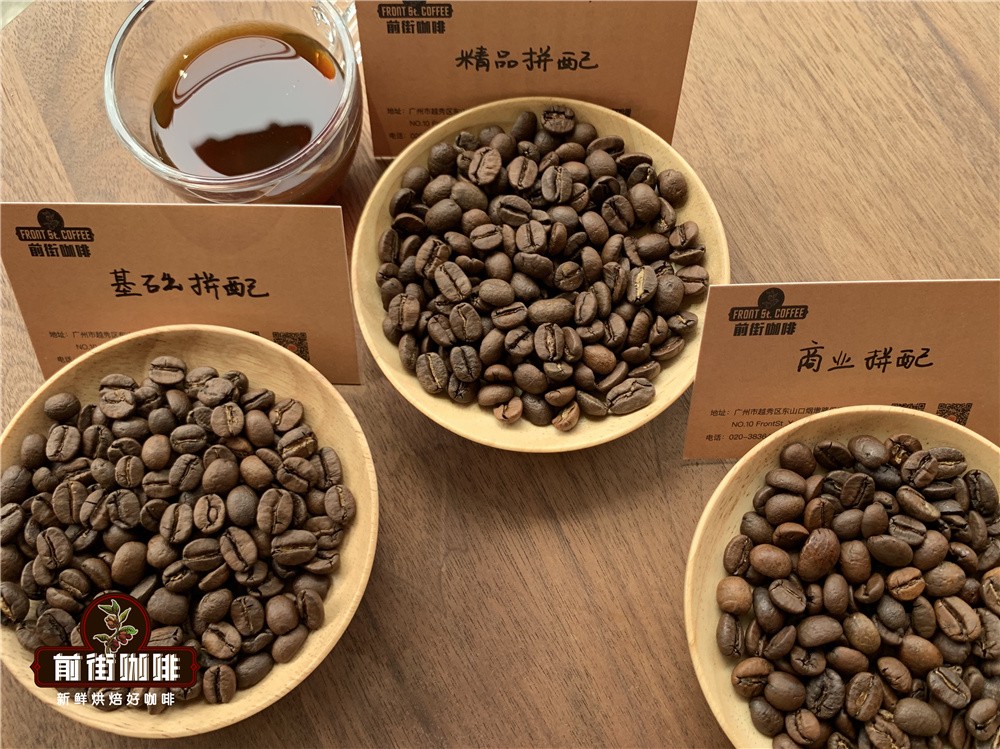
Blended coffee refers to the mixture of two or more types of coffee beans in certain proportions, which may be roasted or green beans. Common blending methods include post-roast and pre-roast blending, with the former involving mixing light and washed beans, and the latter blending before roasting. But true Blue Mountain coffee is typically kept as a single origin to preserve its unique terroir characteristics.
< The unique charm of Jamaica Blue Mountain coffee lies in the exquisite balance among its acidity, sweetness, bitterness, astringency, and aroma. Many international coffee experts have given it high praise, describing it as precious as a gem, with fragrant and smooth flavors. Due to its relatively low caffeine content, it is an attractive choice for modern consumers seeking healthier beverages. It is generally recommended to enjoy it as black coffee to better appreciate its delicate original flavors.
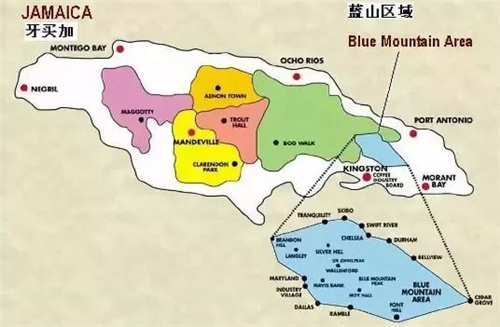
The growing environment of Blue Mountain coffee can be described as a gift from nature. Jamaica, an island nation in the Caribbean, has been cultivating coffee since the early 18th century. It was first introduced by then-Governor Nicholas Lawes, who brought coffee seedlings from Martinique and promoted them in the Saint Andrew area. The Blue Mountains are located in eastern Jamaica, and it is this uniquely favorable environment that gives rise to the world-famous Blue Mountain coffee.
The Blue Mountains reach a maximum elevation of 2,256 meters, making them the highest peak in the Caribbean. The majestic mountains, when the weather is clear, reflect a mesmerizing blue halo against the sunlight shining on the sea, hence the name. This region is a classic high-altitude coffee zone, featuring fertile volcanic soil, fresh air, and a humid climate with frequent fog and rain—annual precipitation is about 1,980 mm, and temperatures remain stable around 27°C. Such unique altitude and microclimate create the irreplaceable flavor profile of Blue Mountain coffee.
It’s worth noting that the area of the Blue Mountains is not large, so the quantity of coffee that can be grown is limited. As a result, the Jamaican government has focused its development efforts on producing high-end specialty batches. The primary cultivar grown in Blue Mountain coffee is Typica, one of the oldest strains of Arabica, known for its extremely elegant flavors but relatively weaker disease resistance, lower yield, and higher labor requirements, all of which contribute to increased costs.
< Among these, the Clifton Estate is one of the key producers of Blue Mountain coffee, with a history dating back to the mid-18th century, around 1750. This estate is not only one of the oldest surviving coffee-growing regions in Jamaica but also the only Blue Mountain coffee plantation certified as a “Rainforest” estate. It is located on the eastern slopes of Catherine’s Peak at an altitude of 4,300 feet, enjoying exceptionally favorable geographical conditions.
According to records from the Jamaica Institute in 1810, the estate was owned by Robert Hamilton at the time and was divided into two main sections: the mountaintop and the foothills, used for coffee cultivation and pasture, respectively. Today, although the total area of the Blue Mountain region is only about 6,000 hectares, the plots capable of producing high-quality Blue Mountain coffee remain limited. As a result, many estate owners are small landholders operating for generations, with families often having farmed the land for over two centuries.
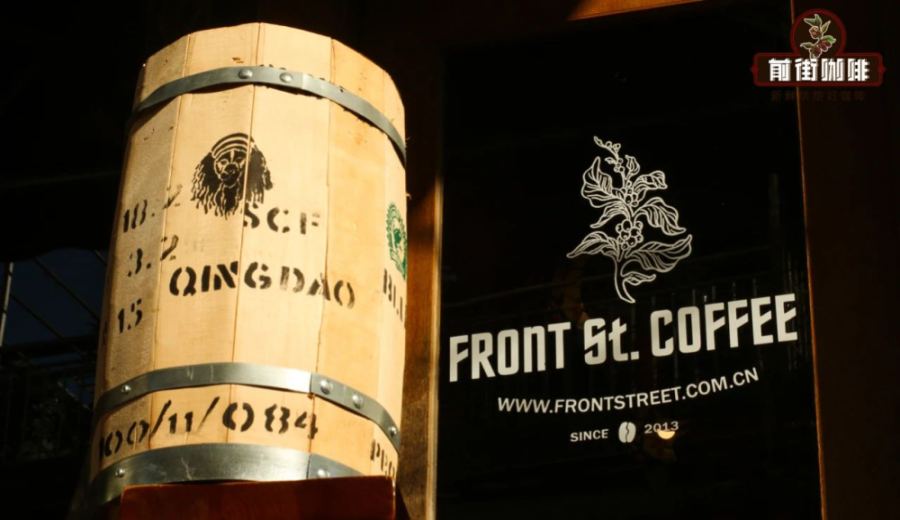
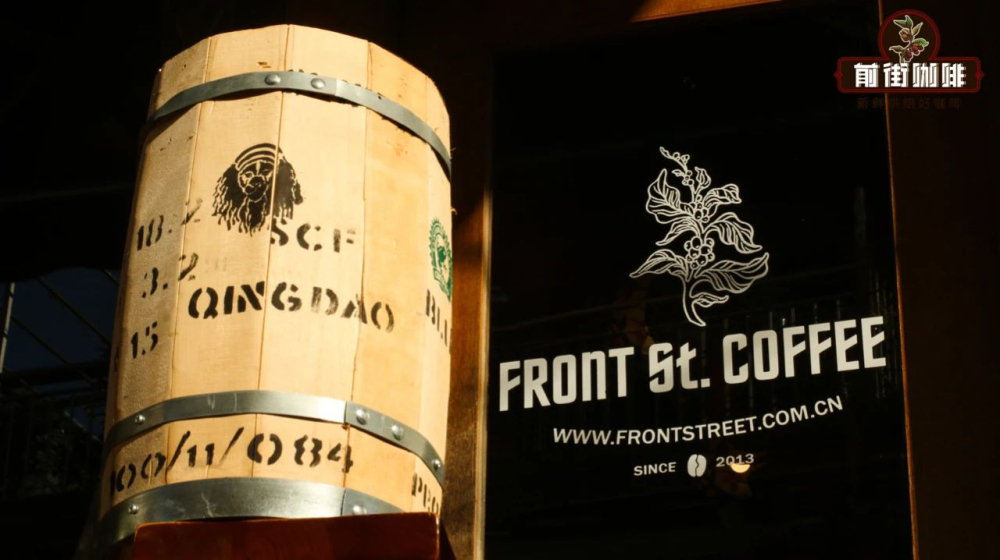
To ensure the quality of Blue Mountain coffee, the Jamaican government established the Jamaica Coffee Industry Board (CIB) in 1953 to regulate and certify all exported coffee. The CIB requires all exported Blue Mountain coffee to pass rigorous quality tests and mandates the use of wooden barrels for packaging, with outer cartons bearing the Rainforest Alliance’s frog certification label to ensure consumers are purchasing 100% authentic Blue Mountain coffee.
< Blue Mountain coffee is categorized into three main classes and multiple grades based on bean size, defect rate, and altitude, ranked from highest to lowest as: Blue Mountain No. 1, Blue Mountain No. 2, High Mountain No. 1, High Mountain No. 2, and Jamaica Prime Coffee. Among these, Blue Mountain No. 1 is the highest grade, requiring green beans to be 17–18 mesh, with a defect rate no higher than 3% and a moisture content of about 13%. These strict standards ensure stable and superior coffee flavors. The selected Blue Mountain No. 1 beans come from the Clifton Estate, whose quality has been repeatedly validated through cupping and is considered the pinnacle of Blue Mountain coffee.
In terms of processing methods, Blue Mountain coffee typically uses either washed or natural (sun-dried) processes. The washed process involves removing impurities from harvested coffee cherries via floatation, then stripping the pulp and mucilage, fermenting the beans in water for 12 to 18 hours, followed by washing and sun-drying to achieve a moisture content of 12–14%. This method effectively reduces defect rates and highlights the coffee’s inherent aromas, resulting in a cleaner, brighter taste.
For brewing parameters, it is recommended to use a KONO filter, with water temperature controlled at 88°C, a coffee-to-water ratio of 1:15, and grind size at approximately 75% passing through a 20-mesh sieve. A three-stage extraction is advised: begin with a 30-second bloom using twice the amount of coffee (about 30 grams) to release CO₂, then pour 125 grams and 225 grams of water in separate steps, with a total extraction time of about 2 minutes. These parameters fully bring out the richness and layered complexity of Blue Mountain coffee.
<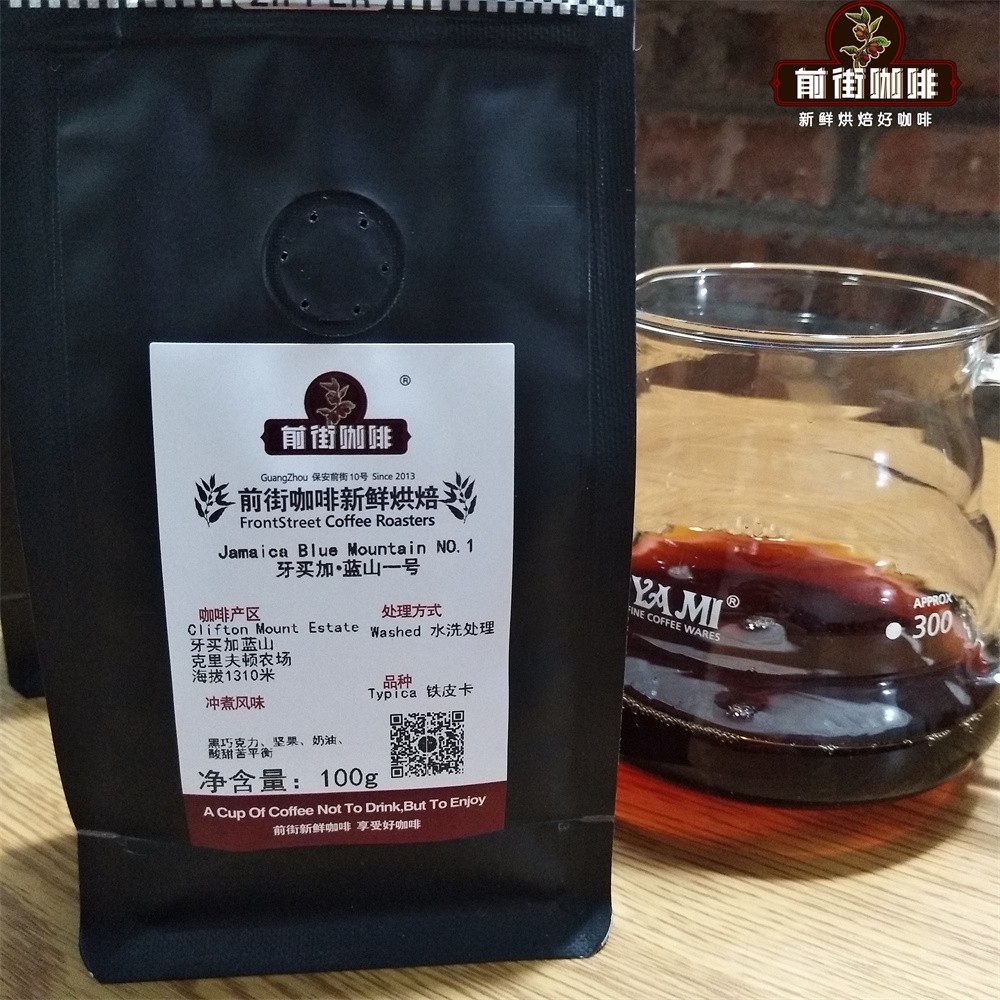 For iced pour over, it is recommended to use 20 grams of coffee beans and 100 grams of ice, with a total water pour of 200 milliliters, also at 88°C, adjusting the grind size to a sugar-like fineness (approximately scale 10.5 on the Ek43s). Use a staged pouring method, adding 40 milliliters at a time for a total of five pours, with a total extraction time of about 1 minute 55 seconds to 2 minutes 10 seconds. Finally, mix the coffee liquid thoroughly with the ice for a cool and smooth Blue Mountain experience.
In summary, freshness is crucial when brewing a high-quality cup of Blue Mountain coffee. It is recommended to choose beans roasted within 5 days and allow them to rest for 4–7 days to degas, ensuring full flavor development before brewing. If using coffee powder, it is best to use it immediately to avoid oxidation affecting the flavor. While Blue Mountain coffee boasts extraordinary flavors, the world of coffee is rich and diverse—don’t hesitate to explore single-origin beans from other regions to experience different terroir profiles.
<
The above content is compiled by CoffeeHunters, a coffee news website.


