







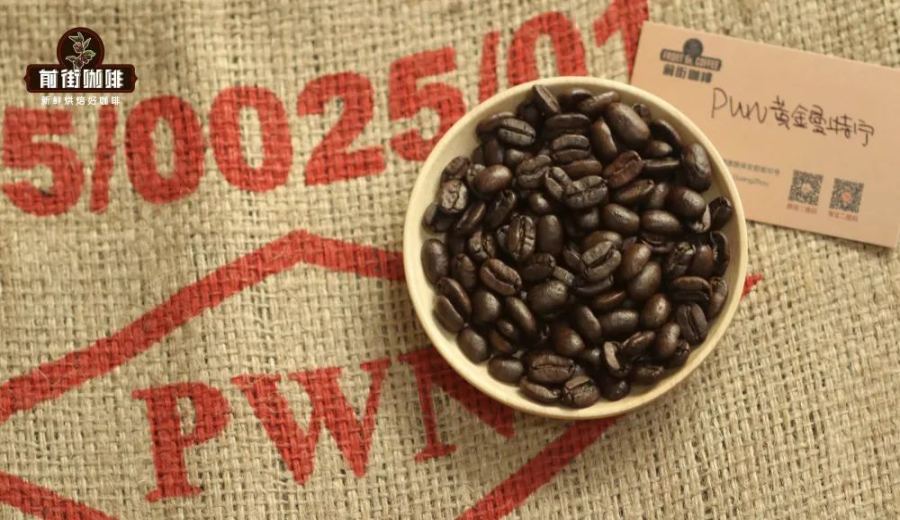
Introduction:Mandheling coffee from Sumatra, Indonesia, is renowned for its bold herbal, spicy, and woody notes, making it especially appealing to coffee enthusiasts who enjoy deep-roast pour over profiles. The key to this distinctive flavor lies in the region’s humid, rainy climate and the unique wet hulling (Wet Hulled) processing method. This article will delve into each step of this technique to help you understand why only Sumatra can produce such a recognizable coffee flavor.
In the world of specialty coffee, Mandheling coffee from Sumatra, Indonesia, is celebrated for its full body, low acidity, and unique herbal, spicy, and woody aromas. Especially when medium to dark roasted, this coffee not only showcases intense roasty notes but also features enticing layers of herbs and caramel, along with a memorable lingering finish—making it a top choice for many pour over lovers.
Yet, despite being roasted to similar medium to dark levels, why does only Mandheling possess such a highly distinctive flavor? The answer lies in its origin—Sumatra—and the region’s unique wet hulling processing technique. This method not only adapts to the area’s humid and volatile weather but also directly shapes the final flavor profile of the beans.
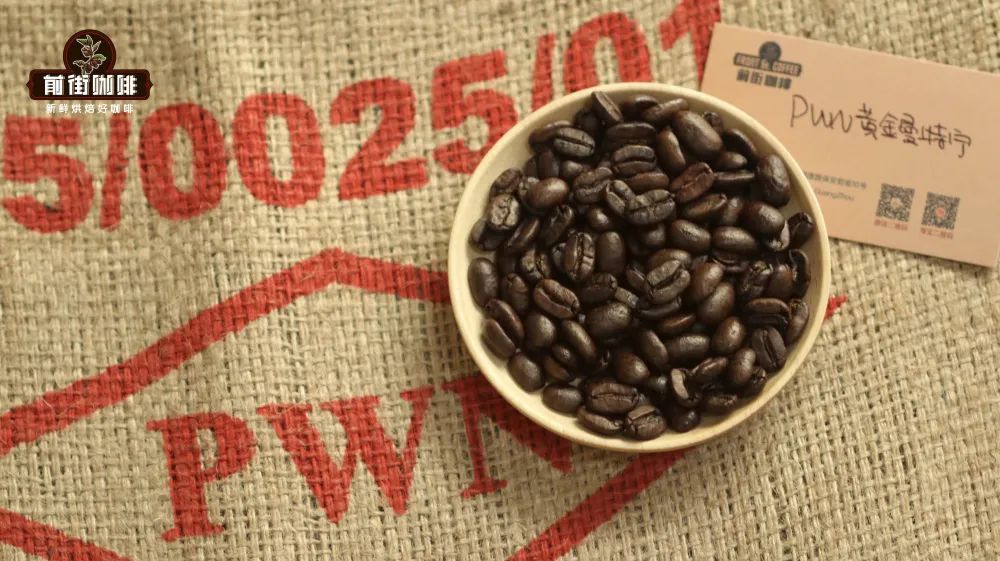
The island of Sumatra is divided into eight provinces, but in reality, only Aceh and North Sumatra—regions with higher altitudes—are suitable for large-scale Arabica cultivation. The climate here is quite special, with humidity often staying between 70% to 90% year-round. It might be sunny in the morning but pour down heavy rain by afternoon, compounded by frequent typhoon invasions, with annual rainfall exceeding 2000 millimeters. Such conditions pose significant challenges to coffee bean processing.
In such a humid environment, thoroughly drying parchment coffee (beans still enclosed in their husk-like parchment layer) to the ideal moisture content is extremely difficult and slow. Traditional sun-drying or washed methods usually require several days or even longer, but under Sumatra’s conditions, this is simply unfeasible. As a result, Indonesian coffee farmers gradually developed a processing method suited to the local climate—wet hulling, also known as Giling Basah.
This processing method is able to shape Mandheling’s unique flavor precisely because it drastically shortens the drying time and allows the beans to undergo further processing in a “semi-naked” state, thereby bringing out rich and layered regional flavor characteristics.
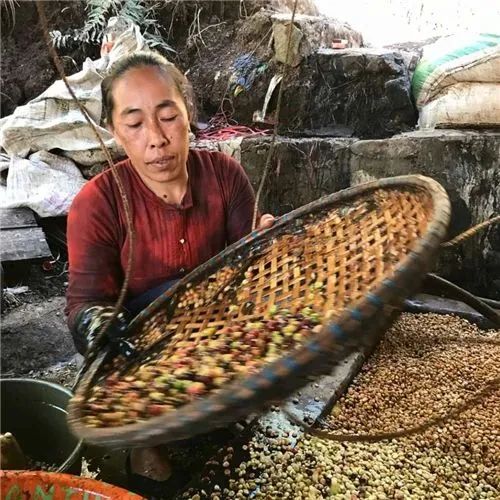
The history of wet hulling dates back to the early days of Indonesia’s coffee industry. Originally, the region also tried the sun-drying method, but due to unstable climatic conditions, quality varied greatly. Later, a method similar to Brazil’s semi-washed approach was adopted—that is, first removing the outer skin of the coffee cherry, then briefly fermenting the parchment coffee (with mucilage still attached, typically for just a few hours), followed by washing and preliminary drying.
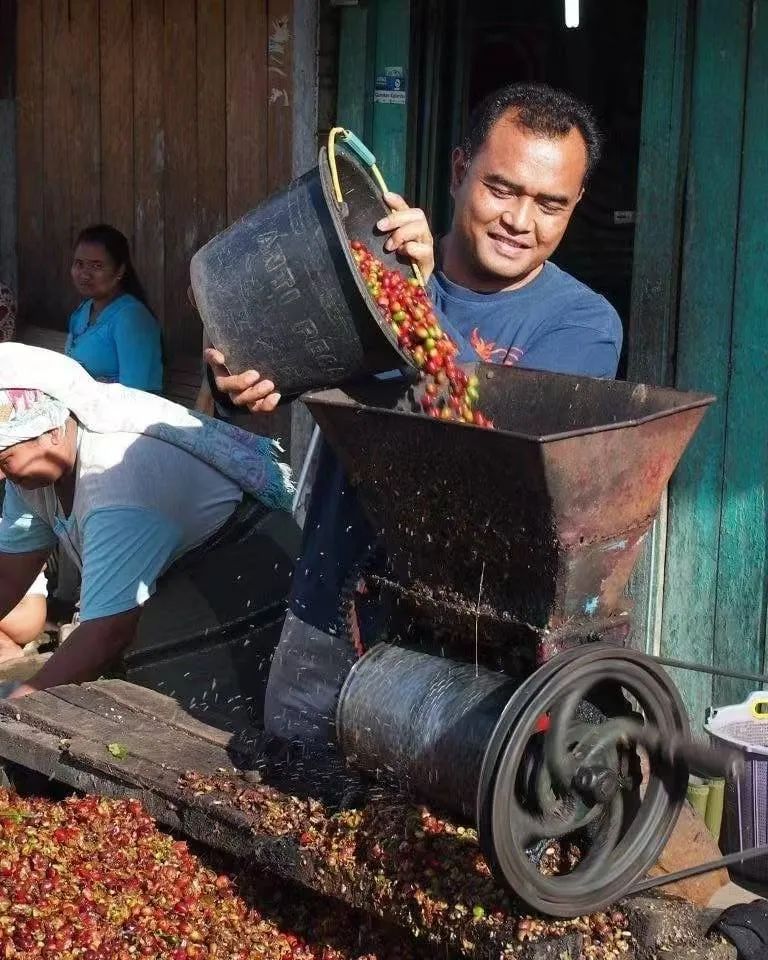
However, Indonesia’s high temperatures and humidity made traditional full drying impractical. If coffee beans with sticky mucilage were left to dry too long, they were highly prone to mold. Therefore, farmers had to send the parchment coffee—still at around 30% to 50% moisture content—to processing facilities, where specialized machines removed the seed husk, i.e., the parchment layer. At this point, the beans were in a semi-hard, semi-soft state, making the process extremely challenging and requiring greater mechanical friction to detach them.
During this process, the friction causes the surface of the beans to develop white or greenish mucus, and due to prolonged exposure to humidity and compression, the beans turn white, swell, shift to a gray-green hue, and the ends often exhibit damage resembling a “goat hoof.” This is one reason why the so-called “goat hoof beans” are relatively common in Sumatran coffee.
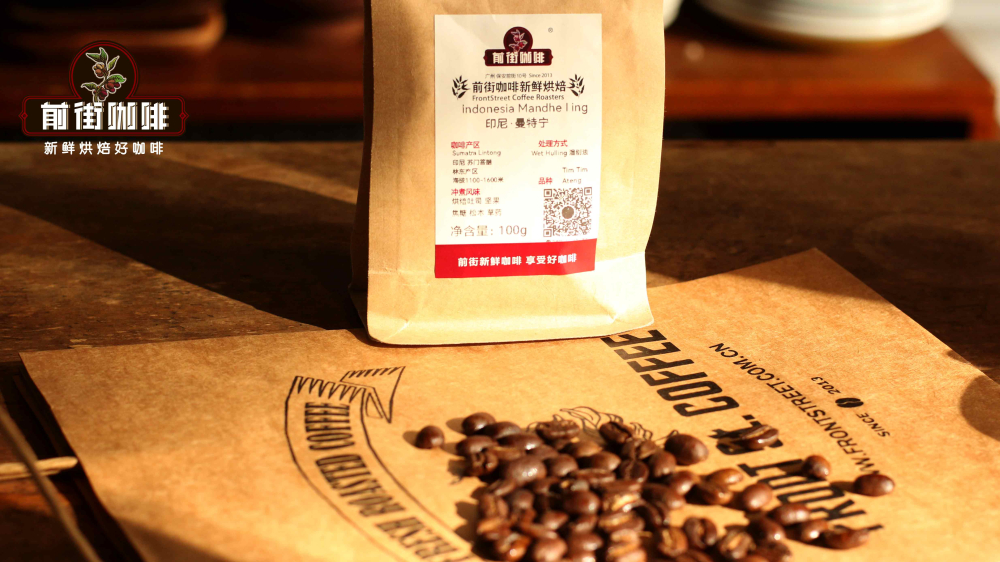
It’s worth noting that regular coffee beans have four protective layers: the skin, mucilage, parchment (i.e., the husk), and silver skin. Wet hulling removes the parchment and silver skin ahead of time, leaving the inner green bean exposed directly to humid air and sunlight. This “semi-naked” state significantly accelerates the drying process. Compared to traditional washed or sun-dried methods, the overall processing time is markedly shortened, and labor costs are reduced.
However, this approach has its drawbacks. Since the beans are exposed to external conditions before reaching full stability, not only does it increase the rate of defective beans, but it also makes the coffee more susceptible to microbes such as mold and bacteria. Moreover, unstable weather can lead to uneven drying, further affecting flavor consistency. As a result, high-quality Mandheling often undergoes multiple rounds of strict manual sorting to remove subpar beans.
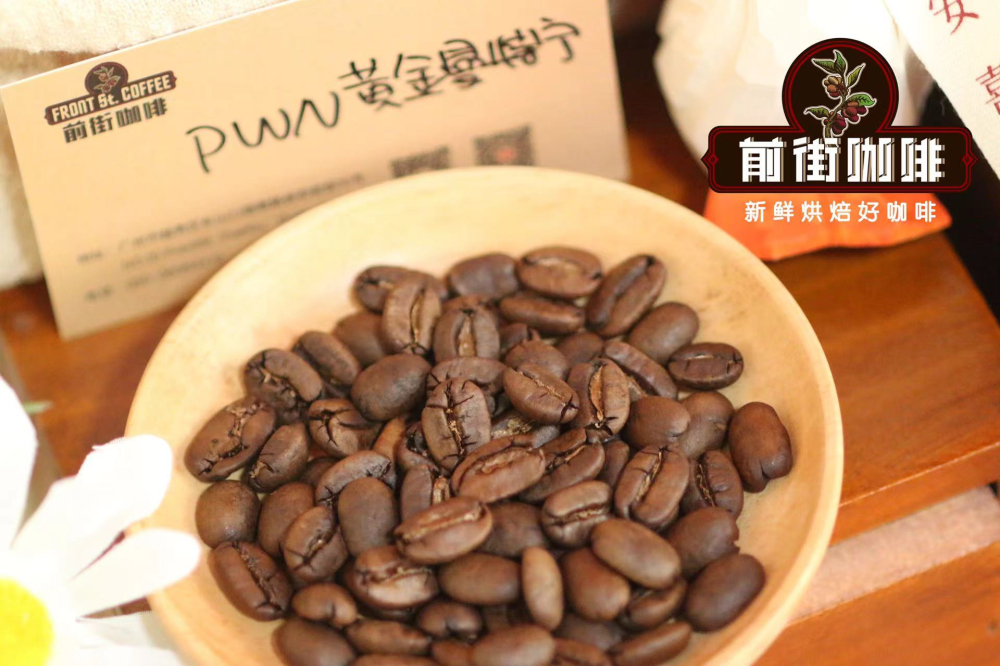
Interestingly, this seemingly “imperfect” processing method also contributes to the unique flavor characteristics of Sumatran coffee. Some research suggests that certain molds thriving in the humid environment may be one of the sources behind Mandheling’s woody tones, earthy aromas, grass jelly notes, and even spicy nuances. Coupled with subsequent Maillard reactions and caramelization, these factors ultimately create the intense and recognizable “bouquet,” or what’s known as terroir.
In summary, the reason Indonesian Mandheling possesses such unique herbal, spicy, and woody flavors is not only closely tied to the region’s geography and climate, but the special wet hulling processing technique is the crucial factor. For coffee lovers who enjoy deep-roast pour over profiles and seek intense body and complex aromatics, understanding this process will help you appreciate the full charm of Mandheling.
The above content is compiled by CoffeeHunters, a coffee news website.


