








Introduction:Kenyan coffee is renowned worldwide for its intense acidity and rich berry notes, making it a favorite among coffee enthusiasts for its bright acidity. This article delves into Kenya’s major coffee-growing regions, classic varieties such as SL-28 and SL-34, and details the full process of the signature K72 double wash processing method. It also offers practical pour-over ice brewing parameters and operational tips to help you fully grasp the unique charm of Kenyan beans from flavor to technique.
Kenyan coffee has long held a prominent place in the specialty coffee scene with its vibrant acidity and bold fruitiness—especially that berry, citrus, and subtle tomato-like profile that leaves a lasting impression. If you’ve ever sipped a clean yet layered Kenyan single origin, you’ll understand why it’s a top choice for many pour-over lovers.
Located in East Africa, Kenya is traversed by the equator, with a terrain dominated by highlands and an average elevation of around 1,500 meters. The country is also home to Mount Kenya, the second-highest peak in Africa at 5,199 meters. This geography provides ideal conditions for coffee cultivation: high altitudes create large day-night temperature variations, slowing the ripening of coffee cherries and allowing for the accumulation of flavor compounds, while also contributing to Kenya’s distinctive bold body and bright acidity.
In terms of variety, Kenyan coffee is most celebrated for its two flagship cultivars: SL-28 and SL-34. Developed in the 1930s by the then Scott Laboratories (Scott Labs) at the invitation of the Kenyan government to adapt to local climate and soil, these varieties not only exhibit strong disease resistance but also showcase highly recognizable acidity and complex flavors. They remain the backbone of Kenya’s specialty coffee to this day.

Kenyan coffee is generally processed using the washed method, which highlights its natural lemon, citrus, and grapefruit characteristics, resulting in a clean, refreshing cup with balanced acidity and sweetness. However, what truly sets Kenyan coffee apart is its unique K72 double wash processing method, which significantly enhances the coffee’s cleanliness and acidity expression.
The K72 process begins with the flotation of coffee cherries to remove unripe or overripe beans, followed by depulping and entering the fermentation stage. The first fermentation typically occurs in the upper water tank for about 24 hours, with duration adjusted based on ambient temperature—the higher the temperature, the faster the fermentation, though care is taken to avoid over-fermentation that can lead to off-flavors. Afterward, the majority of the mucilage is removed through the first wash, and the parchment beans are transferred to the lower water tank for a second fermentation lasting 36 hours. This stage also involves multiple water changes to maintain hygiene and freshness.
After the second fermentation, the beans are washed again to remove residual mucilage. The entire fermentation and washing process often takes 48 to 72 hours, which is the origin of the name “K72.” Through these elaborate steps, the coffee beans not only shed impurities but also accumulate richer acidic and layered aromas during fermentation, resulting in a final cup with a clearer and brighter flavor profile.
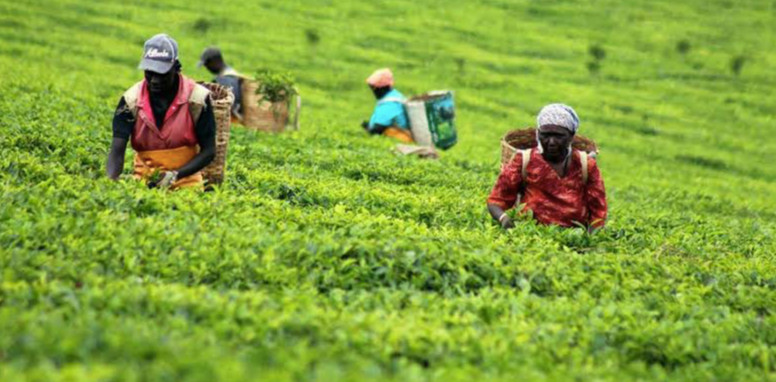
Kenya’s renowned growing regions, such as Thika, are known for their high altitude and fertile volcanic soils, making them ideal for producing premium Kenyan beans. Local processing factories like Athalessa often produce beans with distinctive flavors of blackcurrant, grapefruit, and cherry tomatoes, while the market also commonly features specialty beans blended from SL28 and SL34, known for their bright acidity and long-lasting aftertaste.
If you want to experience the classic flavors of Kenyan coffee, try a K72-washed bean, such as a single origin from the Thika region. A medium-light roast can fully highlight its berry, floral, and delicate acidic notes, making it suitable for various brewing methods—ice pour-over is especially recommended, as it perfectly showcases its freshness and complexity.
So, what brewing methods suit Kenyan coffee? Given its bright acidity and fruity profile, it’s particularly well-suited for cold drinks like ice pour-over, ice drip, or cold brew. These methods soften the acidity while making the flavors more refreshing and balanced.
Take ice pour-over as an example: use 15 grams of coffee grounds, with a 1:10 coffee-to-water ratio for a total of 150 ml water, and add about 75 grams of ice cubes for final dilution. Water temperature should be controlled at 92°C, with a medium-fine grind size—approximately equivalent to setting 9.5 on an EK43s grinder, or 80% passing rate through a 0.85 mm sieve—to ensure proper extraction yield and flow rate.
Here are the specific steps: First, place 75 grams of ice cubes in the lower carafe, then put the ground coffee into the filter and gently tamp it down. For the first pour, use a small stream of about 3–4 ml per second, pouring in a circular motion from the center outward, adding around 30 grams of hot water for a 30-second bloom. Then, pour the next 60 grams of water, controlling the liquid level to avoid excessive height that could lead to uneven extraction. As the water level begins to drop, pour the remaining 60 grams of water at a rate of about 3 ml per second. The total extraction time should ideally be between 1 minute 50 seconds and 2 minutes.

As for the ice cubes, it’s recommended to use larger, statically frozen solid cubes, as they melt more slowly and provide a longer cooling effect. If your ice cube tray is small, you can unmold the cubes and store them in a sealed container to extend their hardness. Compared to freshly unmolded cubes, slightly refrozen ones have better cooling power, helping to stabilize the temperature during ice pour-over and thus improving extraction consistency.
After extraction, pour the coffee into the lower carafe with the ice cubes and gently shake to mix the iced coffee evenly. You can temporarily cover it with the sharing pitcher lid to preserve aroma and prevent the ice cubes from directly affecting the pour-out flow rate and clarity.
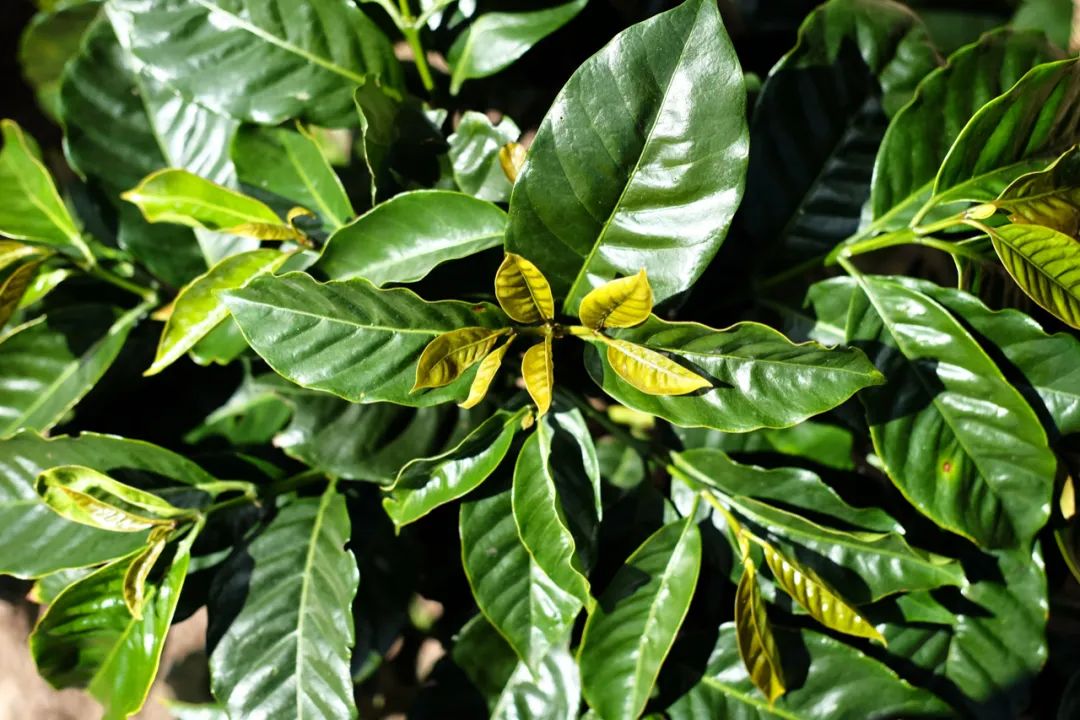
The charm of ice pour-over lies in how its flavors evolve over time: initially, the concentrated extraction makes it taste rich and layered, but as the ice melts, the acidity and sweetness gradually unfold, shifting the overall mouthfeel from intense to crisp and smooth. It’s perfect for summer or for coffee lovers who enjoy a refreshing acidic profile.
The above content is compiled by CoffeeHunters, a coffee news website.


