







Introduction:Jamaica Blue Mountain coffee has long been hailed as the “King of Coffee,” but do you truly know how to distinguish authentic Blue Mountain grades, master the best pour over parameters, and appreciate its unique flavor? This article starts with the geographical environment of the Blue Mountains, delves into the CIB quality management system, the differences among the three grades, and details the complete pour over process and tasting essentials of Blue Mountain No. 1, helping you truly understand the essence of this world-class coffee.
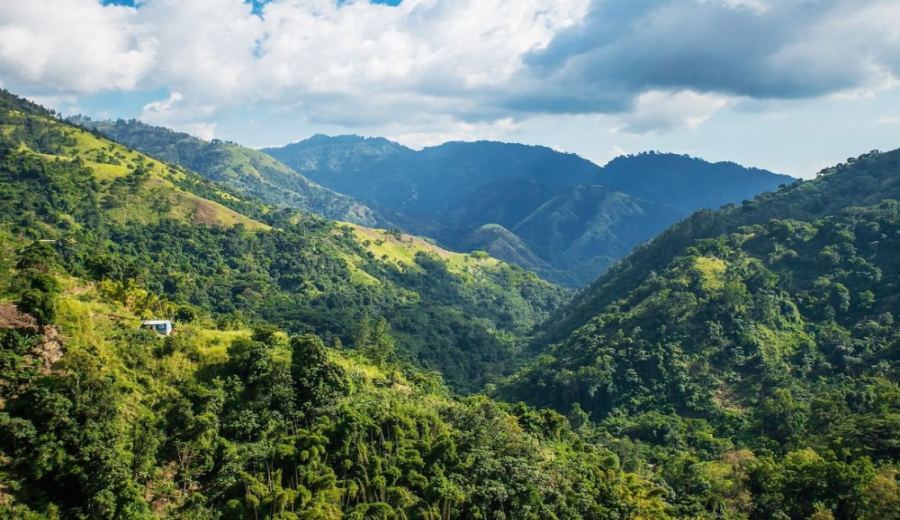
The reason Jamaica Blue Mountain coffee is called the “King of Coffee” lies not only in its exceptional geographical environment but also in its rigorous regional management system and quality control. Located in the eastern part of Jamaica, the Blue Mountain range is surrounded by the Caribbean Sea year-round. Sunlight penetrating the sea reflects blue light onto the mountains, giving rise to the romantic name “Blue Mountain.” This area not only has suitable altitude but also boasts fertile volcanic soil, along with stable high humidity and abundant rainfall (with an annual average precipitation of 1,980 mm), providing nearly perfect growing conditions for the Typica variety.
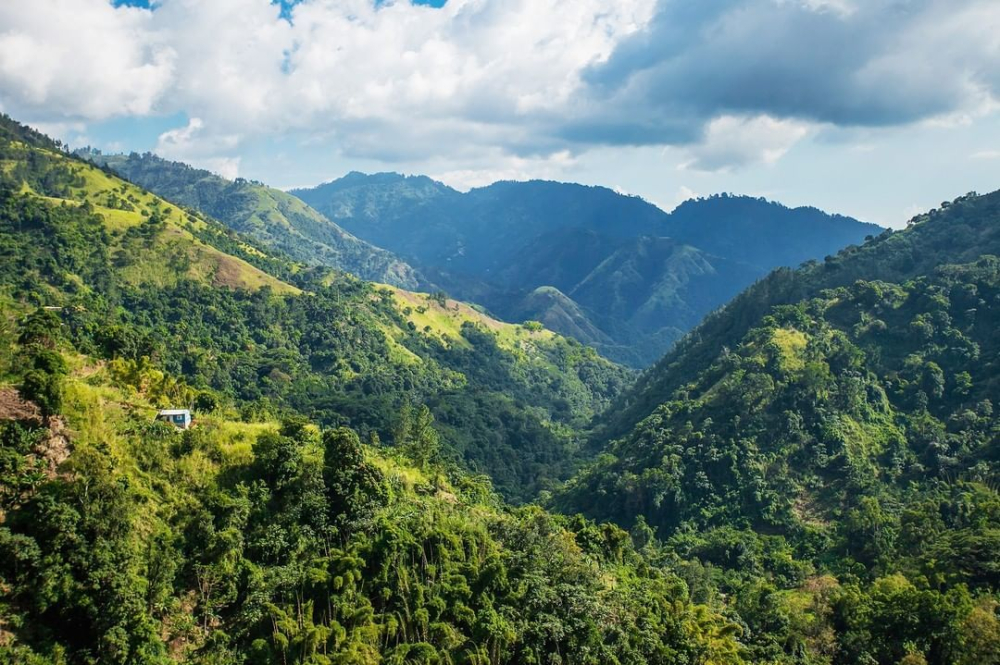
The cultivation history of Blue Mountain coffee can be traced back to the early 18th century. In 1717, King Louis XV of France ordered the promotion of coffee cultivation in Jamaica; subsequently, in the 1720s, then-Jamaican Governor Sir Nicholas Lawes introduced Arabica seeds from Martinique and promoted planting in the Saint Andrew area, which remains one of the three core producing regions of Blue Mountain coffee to this day, with the other two being Portland and Saint Thomas. By the mid-1920s, Jamaica’s annual pure coffee exports had exceeded 375 tons, and by 1932, production reached its peak — with an annual harvest of over 15,000 tons.
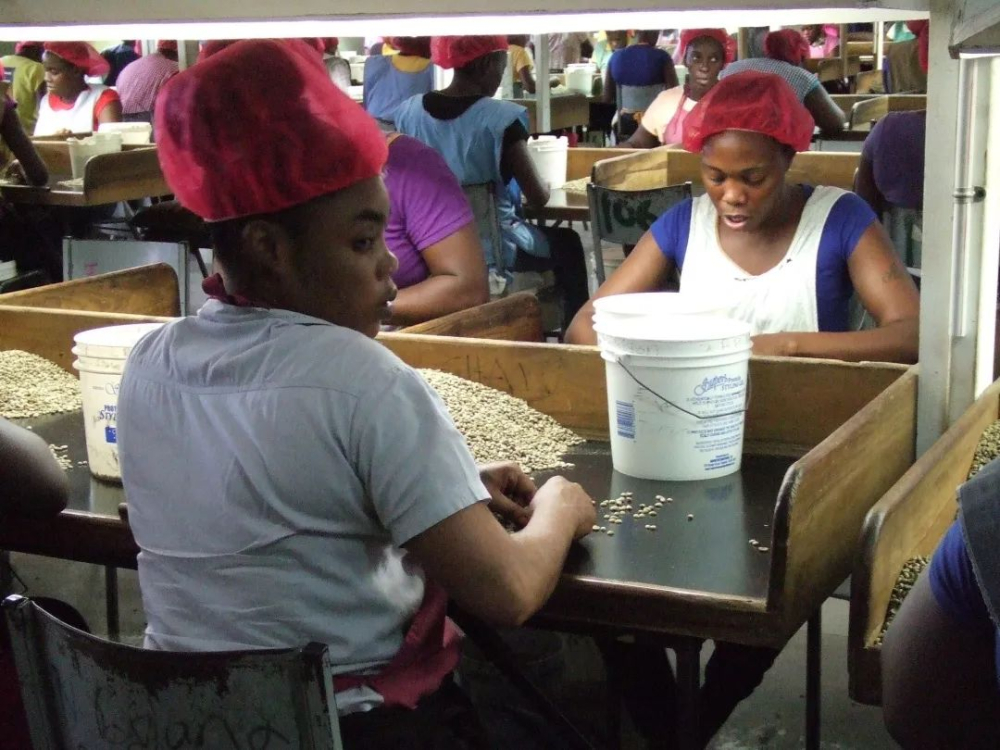
To maintain coffee quality, the Jamaican government established the “Jamaica Coffee Industry Board (JCIB)” in 1950, responsible for formulating and enforcing strict quality management standards, including authorizing the use of official seals on export beans. This is one of the rarest and highest-level national coffee certification bodies in the world. Currently, there are six types of Blue Mountain origin certification labels available on the market, all officially approved and requiring batch-by-batch inspection by the CIB (Coffee Industry Board of Jamaica) before they can officially bear the name “Blue Mountain.” It is worth noting that although the Blue Mountain planting area has expanded in recent years, the true Blue Mountain coffee-producing region is limited to 6,000 hectares above 910 meters altitude within the Blue Mountain range.
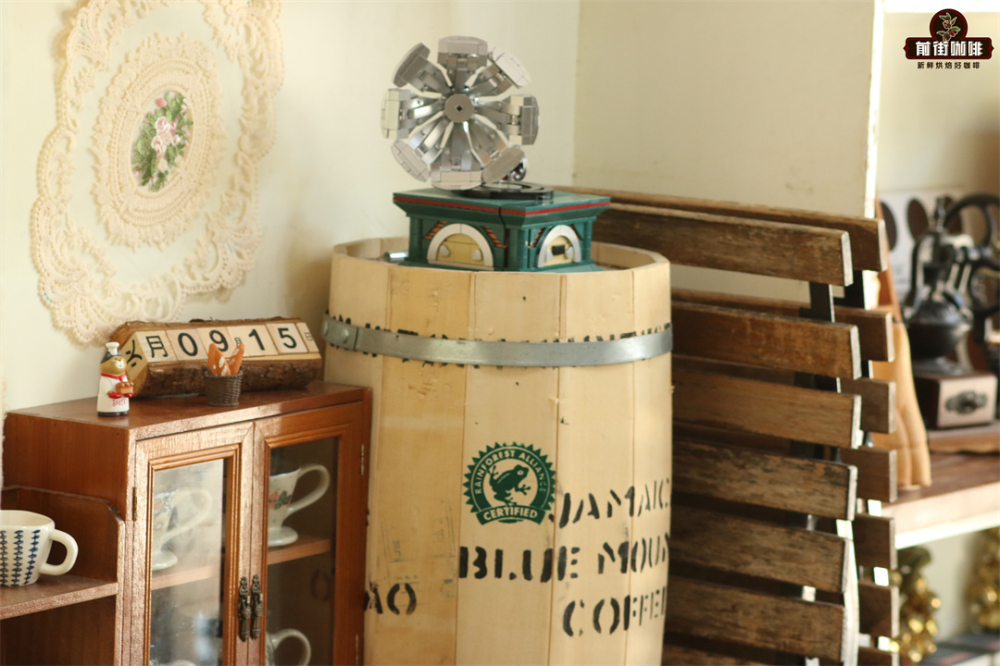
Blue Mountain coffee is subdivided into three grades based on altitude and region, from highest to lowest: Blue Mountain Coffee, Jamaica High Mountain Supreme Coffee Beans, and Jamaica Prime Coffee Beans, with each major category further divided into two sub-grades. Specifically, the ranking from highest to lowest is: Blue Mountain No. 1, Blue Mountain No. 2, High Mountain No. 1, High Mountain No. 2, and Jamaica Coffee. The key lies in the altitude boundary — according to CIB regulations, only coffee grown between 910 and 1,700 meters altitude qualifies as “Jamaica Blue Mountain Coffee”; those grown between 460 and 910 meters can only be classified as high mountain coffee; and those below 460 meters are considered general Jamaica Prime Coffee. Therefore, the “Blue Mountain” coffee commonly advertised may not necessarily come from the authentic Blue Mountain region, and consumers should pay special attention to altitude and certification labels.
The unique flavor of Blue Mountain coffee comes from the perfect combination of the washed processing method and the Typica variety. Using washed processing, coffee cherries are immediately subjected to flotation after harvesting to remove impurities, followed by mechanical removal of the skin and pulp, then fermentation to remove the mucilage layer, and finally drying. This process not only effectively reduces the defect rate but also gives the coffee a cleaner taste and brighter acidity. As one of the oldest Arabica varieties, Typica, although low-yielding and susceptible to pests and diseases, possesses extreme flavor delicacy and complexity, resulting in the classic profile of Blue Mountain coffee — balanced even under medium-to-dark roasting, with notes of nuts and chocolate in the aftertaste.

If you want to experience authentic Blue Mountain flavor at home, you might try a pour over with the commonly available “Clifton Farm Blue Mountain No. 1.” This coffee is grown at 1,310 meters altitude in the Blue Mountain range, is a washed Typica variety, and features a medium-to-dark roast with a balanced flavor profile, showcasing notes of chocolate, nuts, and cream. It is recommended to use soft water (such as filtered Yibao mineral water) for brewing to avoid the impact of hard water on extraction performance.
Recommended pour over parameters are as follows:
- Coffee dosage: 15 grams
- Coffee-to-water ratio: 1:15
- Water temperature: 88°C
- Grind size: Medium-coarse (recommended to use a #20 sieve, with about 60% passing rate)
Three-stage pour over steps:
- First, pour 30 grams of water for the bloom, for about 30 seconds. It is recommended to use a gentle, fine stream and circle gently from the center outward to help evenly saturate the coffee grounds.
- After the bloom, continue pouring with a small stream in slow circles from the center outward until you reach 125 grams of water.
- When the coffee bed has descended by about half, switch to a slightly larger stream and pour until you reach 225 grams, completing a total extraction of 225 grams. Once dripping from the filter is complete, remove the filter and end the extraction.
Brewed with these parameters, Blue Mountain No. 1 typically exhibits a slight citrus acidity, a smooth mouthfeel, nutty notes in the mid-palate, and transitions into a rich dark chocolate aroma in the aftertaste. The overall flavor is layered and well-balanced. When tasting, it is recommended to first carefully appreciate the aroma, capturing the layers of nut and caramel notes; upon sipping, savor the balanced expression of acidity, sweetness, and bitterness, as well as the lingering sweet aftertaste.
In summary, the charm of Jamaica Blue Mountain coffee comes not only from its exceptional growing environment and rigorous grading system but also from the delicate flavors and stable quality brought by the washed Typica variety. Whether you are a coffee novice or a seasoned enthusiast, as long as you master the correct grade identification and choose the appropriate brewing parameters, you can more deeply appreciate the extraordinary allure of this “King of Coffee.”
The above content is compiled by CoffeeHunters, a coffee news website.


