








Introduction:The Breve, a classic Italian-style coffee originating from the United States, is often misunderstood as a small latte or a reduced shot of espresso. However, its biggest difference from a latte lies in the milk ratio — it uses only half milk, with the other half replaced by fresh cream. This adjustment results in a richer, smoother mouthfeel and a more concentrated coffee aroma. This article delves into the origins of the Breve, highlights its specific differences from a latte, and provides a complete at-home brewing guide from espresso extraction to milk frothing. Learn how to precisely master the 1:1 milk-to-cream ratio, blending techniques, and latte art tips to easily recreate this rich and captivating coffee.
When it comes to the latte (Latte), many coffee enthusiasts are no strangers to this beverage that uses espresso as its base, paired with a generous amount of steamed milk. Thanks to its smooth and mellow characteristics, it has gained widespread popularity. But have you heard of the so-called "half latte"? It’s not simply a smaller-sized latte, nor is it a version with less espresso. Instead, it refers to the Breve, a common drink in American cafés. Though this Italian coffee looks and is made similarly to a latte, the key difference lies in the type of milk used — the Breve uses only half milk, with the other half made up of fresh cream, which is why it’s sometimes affectionately called a "half latte."

The reason lattes are loved across all age groups is largely due to their high proportion of milk, which significantly softens the bitterness of coffee, creating a rich yet slightly sweet flavor profile and making it relatively approachable for most drinkers. But if you’re curious about what a “half latte” actually is, it refers to the classic Italian drink known as the Breve. Although its name includes the word “half,” it has nothing to do with volume. Instead, it refers to a clever adjustment in the milk formulation.
The name Breve comes from the Italian word "breve," meaning "short" or "small." However, don’t confuse it with the equally “short”-sounding Espresso Lungo or Piccolo. In fact, the serving size of a Breve is almost the same as that of a standard latte, typically using a double shot of espresso (around 40 ml) along with over 200 ml of a milk mixture. The biggest difference is that in the Breve’s milk mix, milk accounts for only half, with the other half replaced by fresh cream, forming a unique 1:1 ratio.

This method of replacing part of the milk with fresh cream gives the Breve a noticeably richer and smoother mouthfeel. The higher-fat content of the cream lends the drink a silky texture while also making the coffee aroma more pronounced. Interestingly, this adjustment technique once quietly gained popularity during the “dirty coffee” trend — when many coffee lovers tried using higher-concentration iced top milk to enhance the creaminess of regular milk, but due to the high cost, some opted to mix fresh cream into the milk instead, unexpectedly recreating a similar rich experience to that of a Breve.
So, how can you make a Breve at home? In fact, as long as you master the basic techniques for making a latte and make slight adjustments, you can easily pull it off. It’s recommended to use an espresso bean with rich crema, such as a classic blend or single-origin specialty blend, to lay a solid foundation for the drink. The required ingredients are simple: a double shot of espresso, fresh cream, and chilled milk. If you don’t have a professional coffee machine on hand, you can also use a moka pot to brew the espresso, but make sure the extraction is sufficiently strong.
In the preparation stage, it’s recommended to chill both the milk and fresh cream in advance to facilitate later frothing. The standard hot latte milk ratio is 1 part espresso to 4 parts milk (about 40 ml of espresso paired with 200 ml of milk). But when making a Breve, we halve the amount of milk and replace it with an equal amount of fresh cream — that is, using 100 ml of milk plus 100 ml of fresh cream. This ratio can be slightly adjusted according to personal taste, but it’s recommended to maintain the 1:1 balance on your first try to fully experience the flavor changes brought by the cream. Set the mixed milk aside and proceed with frothing while the espresso is being extracted — remember, the fresh cream also needs to be frothed to ensure a uniform and delicate foam texture.

For espresso extraction, it’s recommended to use the following parameters: 20 grams of coffee grounds, an extraction time of about 30 seconds, and a target output of 40 ml. This is the industry-recognized golden ratio that fully showcases the coffee’s aroma and balanced acidity and sweetness. When the espresso is about halfway extracted, you can begin frothing the milk and fresh cream mixture. Follow the standard latte foam operation, paying attention to controlling the frothing time and temperature to avoid over-frothing, which can lead to coarse or separated foam.
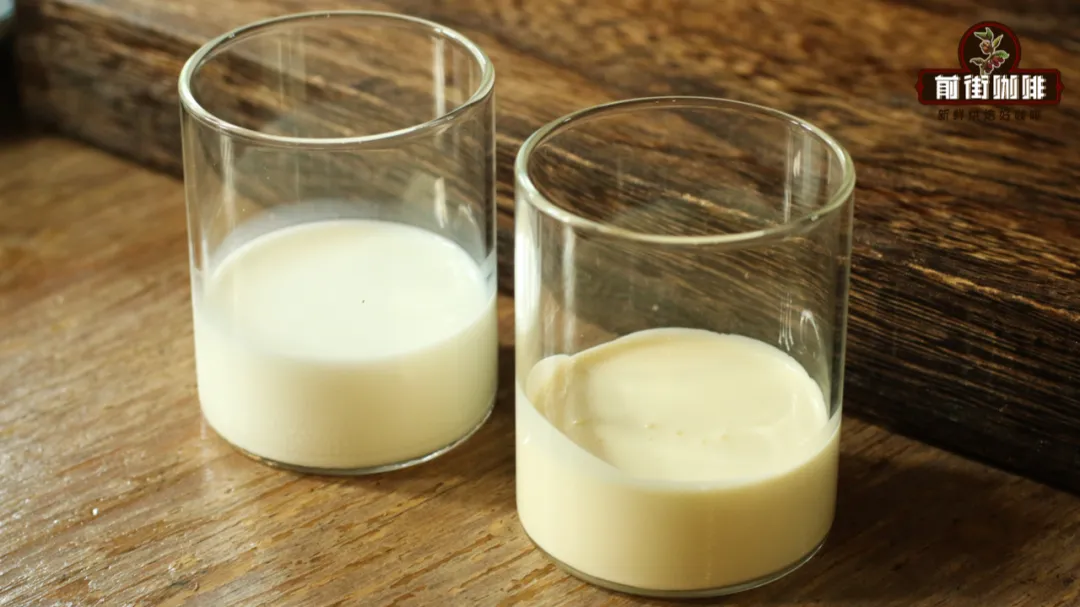
Once frothing is complete, the next steps are blending and latte art. Due to the addition of fresh cream, the foam is less stable and tends to dissipate quickly while also producing continuous bubbling. It’s recommended to enjoy the drink sooner for the best flavor. Compared to a traditional latte, the Breve, thanks to the high fat content of the cream, offers a richer and smoother mouthfeel, with the coffee’s flavor also becoming more concentrated and distinct. However, because it lacks sugar to balance the flavors, some drinkers may find the plain Breve slightly astringent or overly rich.
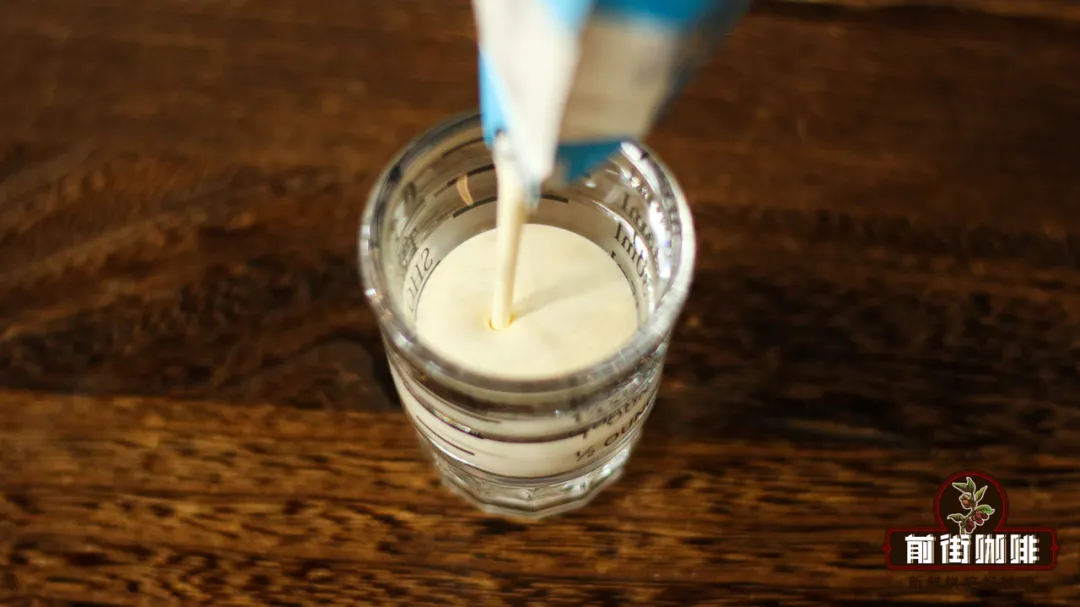
To balance these flavors, experienced baristas recommend adding a small amount of sugar, such as 3 grams of white granulated sugar, which can effectively soften the bitterness of the coffee and enhance the overall smoothness. Even so, due to the relatively high proportion of cream, it’s still advised to control the total amount of cream used at home to between 20 to 30 ml, in order to avoid excessive fat affecting the overall flavor complexity and drinking experience. By precisely adjusting the milk ratio and carefully mastering the frothing techniques, you too can easily recreate this uniquely flavored Breve at home, and experience the subtle yet fascinating differences between it and a latte.
The above content is compiled by CoffeeHunters, a coffee news website.


