







Introduction:A classic blend from a well-known coffee brand is an affordable everyday choice for many coffee enthusiasts, known for its rich flavors of dark chocolate, roasted nuts, and caramel, making it suitable for a variety of drinks such as Americano and latte. This article will delve into the flavor profile of this blend and provide professional-grade brewing parameters for both Americano and latte, including details such as coffee-to-water ratio, water temperature, and milk temperature, allowing you to easily recreate café-quality smooth coffee at home.
Thanks to its affordable price and balanced flavor, this classic espresso blend from a renowned brand has long been a daily favorite among many coffee lovers. Dominated by notes of dark chocolate, roasted nuts, and caramel, it offers a rich, sweet taste with minimal acidity. Whether used for Americano or latte, it delivers stable and captivating performance. Moreover, it adapts well to various brewing equipment—whether it’s a home espresso machine, moka pot, or even a drip coffee maker, it performs admirably.
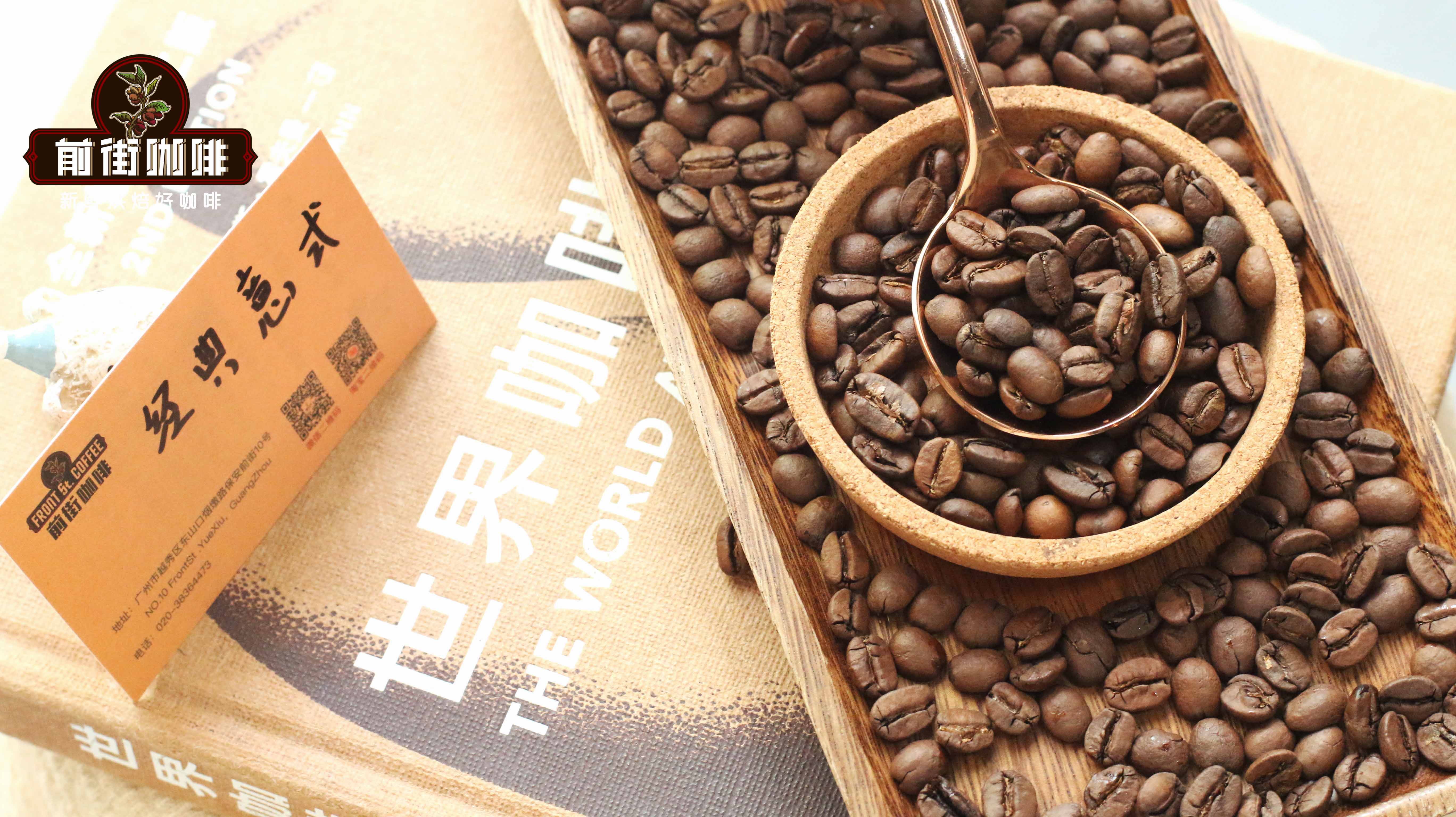
The greatest charm of this blend lies in its rich yet smooth mouthfeel. Upon the first sip, the subtle bitterness and aroma of dark chocolate unfold immediately, followed by gentle roasted nut notes and a hint of natural caramel sweetness. The layers are distinct yet not overpowering. The overall flavor is full-bodied yet not heavy, with a smooth and lingering aftertaste—perfect for those who enjoy a rounded mouthfeel and balanced flavor.
If you prefer a refreshing yet layered coffee, try using this blend to make an Americano. It’s recommended to use a double shot of espresso as the base, then dilute it with hot or cold water at a 1:6 ratio according to personal preference. For precise extraction, use 20 grams of coffee grounds to yield 40 grams of espresso, then add 240 grams of water heated to approximately 80°C. Be aware that too high a water temperature can release excessive bitter substances, affecting the overall flavor balance. If you opt for an iced Americano, you can instead mix it with 240 grams of ice water, which helps suppress over-extraction while delivering a more refreshing taste.
If you want to further explore this blend’s potential for harmonizing with milk, the latte is the perfect choice. The standard coffee-to-milk ratio for a latte is 1:6—that is, 40 ml of espresso paired with 240 ml of hot milk. When using this renowned brand’s classic blend, brew with 20 grams of coffee grounds to produce 40 grams of espresso, then steam the milk to 55–60°C. This temperature range effectively brings out the natural sweetness of lactose in the milk without overheating and causing protein denaturation, which could negatively impact the mouthfeel.
During the blending stage, it’s recommended to slowly pour the milk into the espresso in a circular motion to ensure even mixing. This not only allows the milk foam and coffee to meld thoroughly but also creates a visually and tastefully layered experience. The resulting latte achieves a balanced aroma of milk and coffee, offering not only a smooth sweet sensation but also highlighting the blend’s inherent cocoa and toasted bread notes, leaving a memorable impression.
It’s worth mentioning that when fresh milk is heated, the lactose sweetener molecules gradually release, naturally imparting a soft sweetness when blended with the espresso. This not only enhances the overall drinkability of the beverage but also adds dimension to the coffee’s own flavor. As long as you master key parameters such as coffee-to-water ratio, water temperature, and milk temperature, you can easily brew a delicious cup of coffee at home that rivals café quality.
In summary, this classic blend from a well-known brand is an exceptionally cost-effective everyday coffee bean. Whether you prefer a straightforward Americano or a milk-forward latte, you can find the brewing parameters that best suit your taste through simple adjustments. By paying attention to extraction and temperature control details, you too can enjoy a professional-level coffee experience at home.
The above content is compiled by CoffeeHunters, a coffee news website.


