







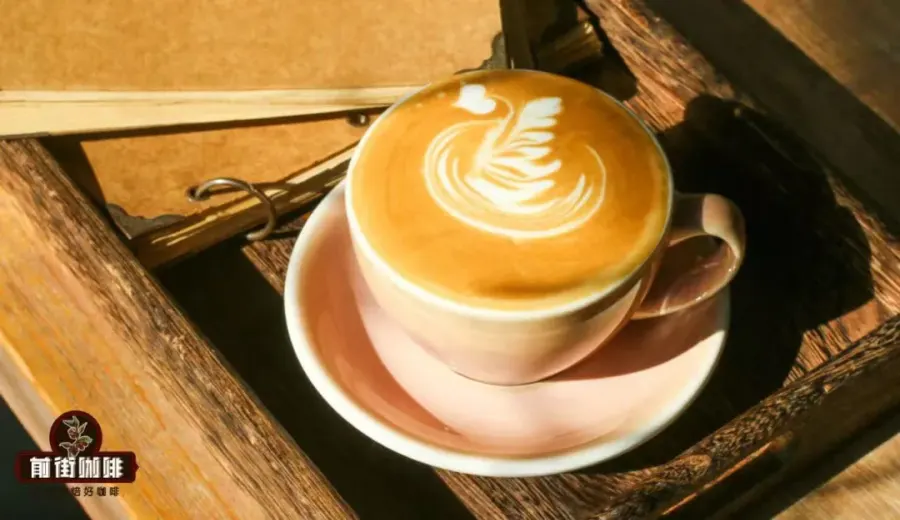
Introduction:Latte coffee has long topped the charts as the most ordered drink in coffee shops. What is the charm that has won it such widespread popularity? This article delves into the historical evolution of the latte, from early espresso to the globally beloved milk coffee we know today, analyzing how its perfectly balanced milk ratio and smooth taste have captured hearts. It also explores how latte art has become a visual highlight of the drink and the various reasons it stands out in the coffee market.
Walk into any café, whether a chain brand or an independent shop, and the latte is almost always the top-selling item on the menu. This classic beverage, based on espresso and mixed with a generous amount of milk, has won over the palates of everyone from coffee novices to seasoned enthusiasts thanks to its smooth, non-bitter profile. So, why has the latte maintained its popularity for so long? Let’s take a comprehensive look at the key to its success, from its historical background and flavor characteristics to its visual appeal.
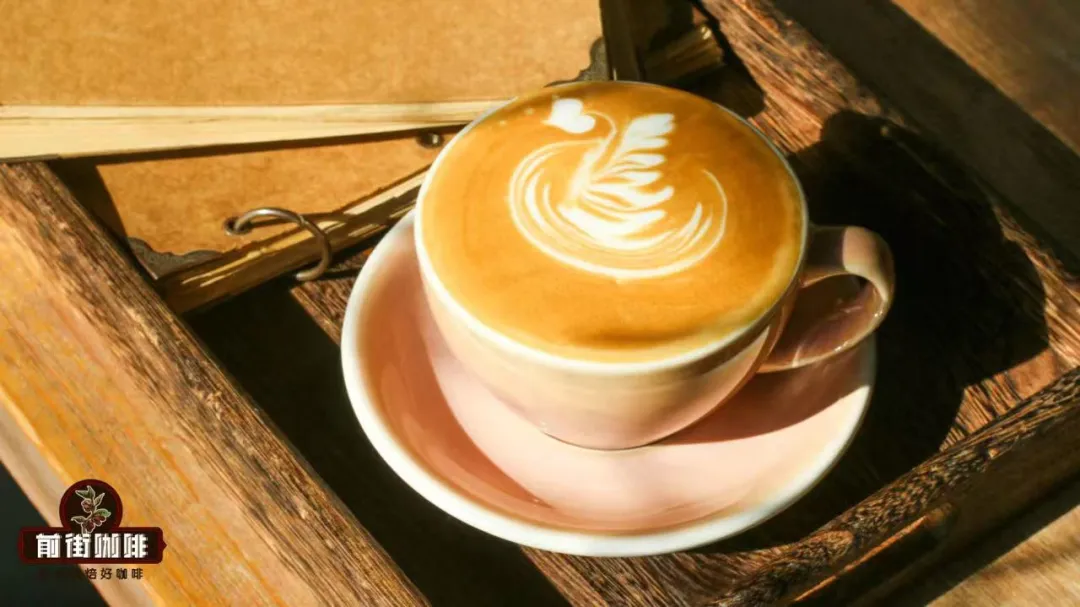
Broadly speaking, latte coffee is a coffee beverage made by combining espresso with an appropriate amount of steamed milk. From large coffee chains to corner specialty shops, it can almost always be found on the menu—and often as the most ordered item. In recent years, a common online discussion has been: why does the latte continue to dominate sales among so many coffee choices? The answer is inseparable from its recipe—more milk, less coffee bitterness—resulting in a friendly and widely loved character.
Tracing the evolution of the latte, we can start with the birth of espresso. Since the invention of the espresso machine, this strong and intense coffee quickly gained popularity in Italy. However, due to the quality and roast level of the coffee beans at the time, this coffee often had a noticeable burnt bitterness, which was not friendly to consumers unaccustomed to strong flavors. To soften this intense taste, some began experimenting with adding steamed milk, gradually evolving into the prototype of milk coffee.
Initially, the representative of Italian milk coffee was not the latte, but the cappuccino. To balance the ratio of coffee and milk, Italian baristas created thick, velvety foam to control the amount of milk in the drink, ensuring the coffee’s flavor remained distinct. However, by the 1950s and 60s, as Italian immigrants brought coffee culture to the United States, things changed. Local consumers were less receptive to high-concentration coffee—even cappuccinos with milk seemed too strong.
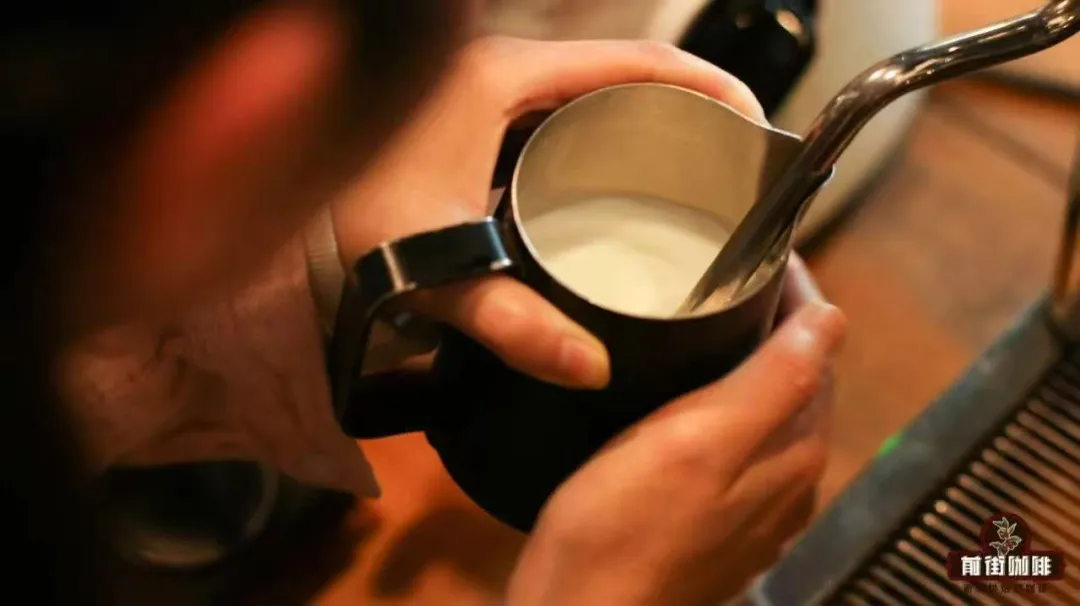
To cater to the American market, a California café owner had a brainstorm and adjusted the cappuccino: reducing the foam thickness and increasing the milk ratio, resulting in a smoother overall taste. This change gave rise to a new drink with a higher milk proportion and milder coffee flavor. To distinguish it from the cappuccino, this drink was named ‘Caffè e latte’—today’s familiar latte.
Even today, the main reason for the latte’s popularity remains unchanged: it offers a silky texture from its rich milk and significantly reduces the bitterness of coffee. For most consumers who don’t seek a strong coffee flavor, this profile is easier to drink and more approachable. If you want to try brewing a café-style latte at home, you can opt for a blend based on Brazilian and Colombian beans—these beans typically have nutty and chocolatey notes, are rich in oils, and have low acidity, making them ideal for creating well-balanced milk coffee.
Beyond its taste advantages, another irresistible trait of the latte is its diverse latte art. In the 1980s, a barista in Seattle, USA, named David Schomer accidentally created a heart-shaped pattern on the coffee’s crema while making a latte. This serendipitous discovery sparked the trend of latte art. Since then, baristas have begun using delicate milk foam to create all kinds of patterns on the coffee surface—from simple hearts and leaves to complex floral and geometric designs.
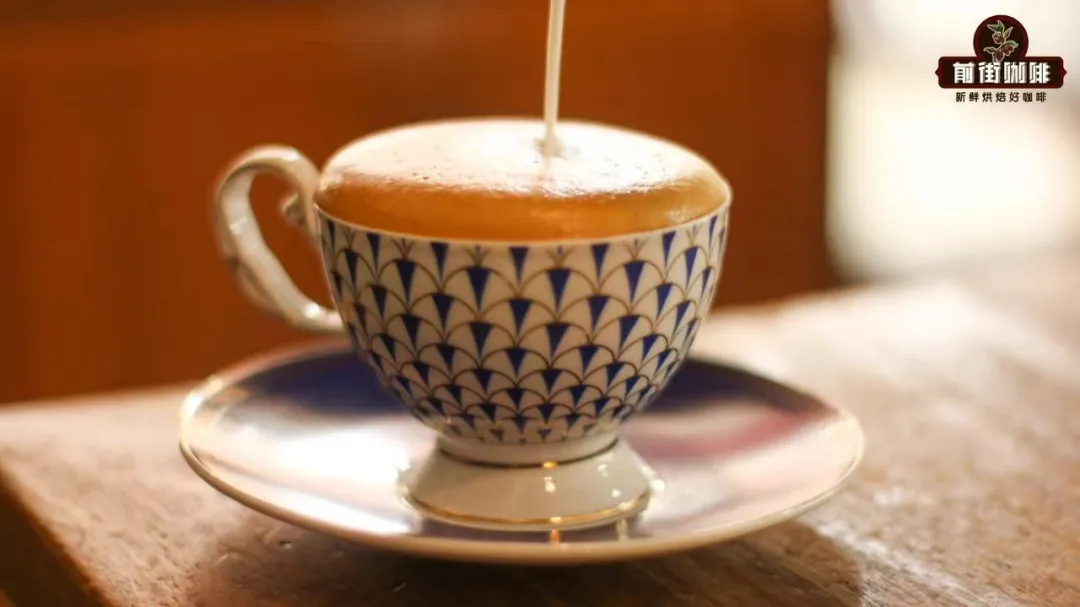
Compared to other milk coffees, the latte’s foam thickness and fluidity are just right—not too thick to blur the design, nor too thin to be hard to shape—making it the perfect canvas for showcasing latte art skills. These exquisite visual effects not only add a sense of ceremony to the drink but also become one of the key reasons many customers choose the latte. Even if they can’t clearly distinguish between a latte and a cappuccino, many people still lean toward ordering the latte because of the beautiful pattern on the cup.
Additionally, the latte’s adaptability is another factor in its widespread appeal. With its milder coffee flavor, it pairs exceptionally well with various flavored syrups, such as vanilla, caramel, or hazelnut, allowing for diverse taste variations. The latte can also be combined with plant-based milks or other alternative dairy options to meet different dietary needs, further expanding its audience. This high degree of flexibility makes the latte not only a consumer favorite but also a source of inspiration for baristas developing new drinks.
All in all, the latte’s long-standing reign at the top of coffee shop sales is not just due to its mild, approachable taste—it also includes its diverse strengths in visual presentation and customization options. From its historical roots to its modern evolution, the latte has successfully blended tradition and innovation, becoming an indispensable part of global coffee culture.
The above content is compiled by CoffeeHunters, a coffee news website.


