








Introduction:As the birthplace of coffee, Ethiopia has given rise to numerous world-renowned specialty coffees. From the bright floral and fruity notes of washed Yirgacheffe, to the intense fermented profile of Sidamo, to the Huila series from Guji, each producing region showcases unique terroir and processing charm. This article will delve into the growing environments, processing techniques, and flavor profiles of the Sidamo, Yirgacheffe, Guji, and Arsi regions, while also providing practical pour over recommendations to help you fully appreciate the rich diversity of Ethiopian coffee.
When it comes to Ethiopian specialty coffee, many people’s first choice is washed Yirgacheffe, with its clean and bright floral and fruity aromas, reminiscent of a floral beverage with tea-like qualities—so much so that one might doubt it’s really coffee. But if you want to explore more flavor possibilities, Sidamo, Guji, and even the rare Huila beans are must-tries. This article will focus on four representative Ethiopian producing regions—Sidamo, Yirgacheffe, Guji (including Huila), and Arsi—and take you deep into the unique characteristics of these origins, covering growing environment, processing methods, flavor characteristics, and practical brewing applications.
 Sidamo and Yirgacheffe are both core to Ethiopia’s specialty coffee scene, yet they offer vastly different styles. Yirgacheffe is predominantly washed, showcasing bright citrus and jasmine notes, while Sidamo employs both washed and natural processes, with the latter being more common and representative of the region. Many coffee professionals believe that Sidamo natural beans often have richer layers and higher sweetness, offering a juice-like body with soft and layered acidity.
Sidamo green beans vary in particle size, with a grayish hue. Their acidity is springy and multifaceted, body can range from light to heavy, and they balance sweetness with spicy notes—typical of the southern Ethiopian highland garden-grown style. Compared to other African regions, Sidamo’s fruit acidity is clearer, the mouthfeel smoother, with delicate floral and herbal notes. Natural versions may carry subtle earthy tones but maintain a rich and balanced profile; washed versions highlight nutty aromas and a light cocoa finish. Both are suitable for light to medium roast single-origin enjoyment, or as the base for medium to dark roast blends or espresso.
Ethiopia is the world’s sixth-largest coffee producer. Coffee is not only an economic lifeline but also a cultural symbol. Statistics show that in 2018, about 100 million people worldwide were directly or indirectly involved in the coffee industry, with Ethiopia accounting for 20%. In 2017, the country produced approximately 470,000 tons of green coffee beans, exporting only about 160,000 tons, indicating a primarily domestic market and reflecting the local emphasis on and dependence on coffee.
Coffee farming in the country is concentrated in the south and west, with over half operated by smallholders in garden-style plots, with farm sizes often exceeding 4 hectares. These are frequently intercropped with other crops like bananas and plantains, creating lush garden landscapes. Due to limited yields from smallholders, cooperatives or processing stations are established across regions to collectively collect and process coffee cherries, ensuring quality and market linkage. For example, the Gedeb cooperative listed on a well-known website is a model of collective washed processing by farmers in Yirgacheffe town.
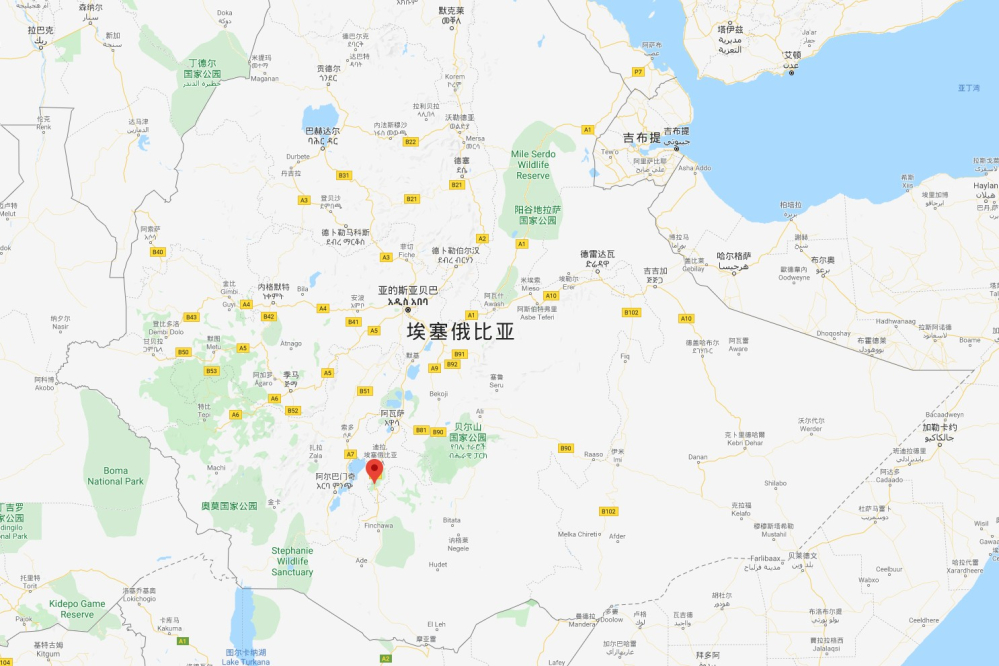
Sidamo is one of Ethiopia’s top-producing regions, gradually taking shape after 1942 and named after the indigenous Sidamo people. The area boasts diverse microclimates, varied soils, and numerous native varieties, resulting in highly variable flavors. Its terrain includes high mountains, plateaus, valleys, and plains, with fertile, well-drained volcanic soils featuring deep brown or brown surface layers and good organic matter cycling—each area producing distinct coffees. A coffee information website once compiled various Sidamo natural and washed beans, ideal for coffee enthusiasts eager to explore diverse profiles.
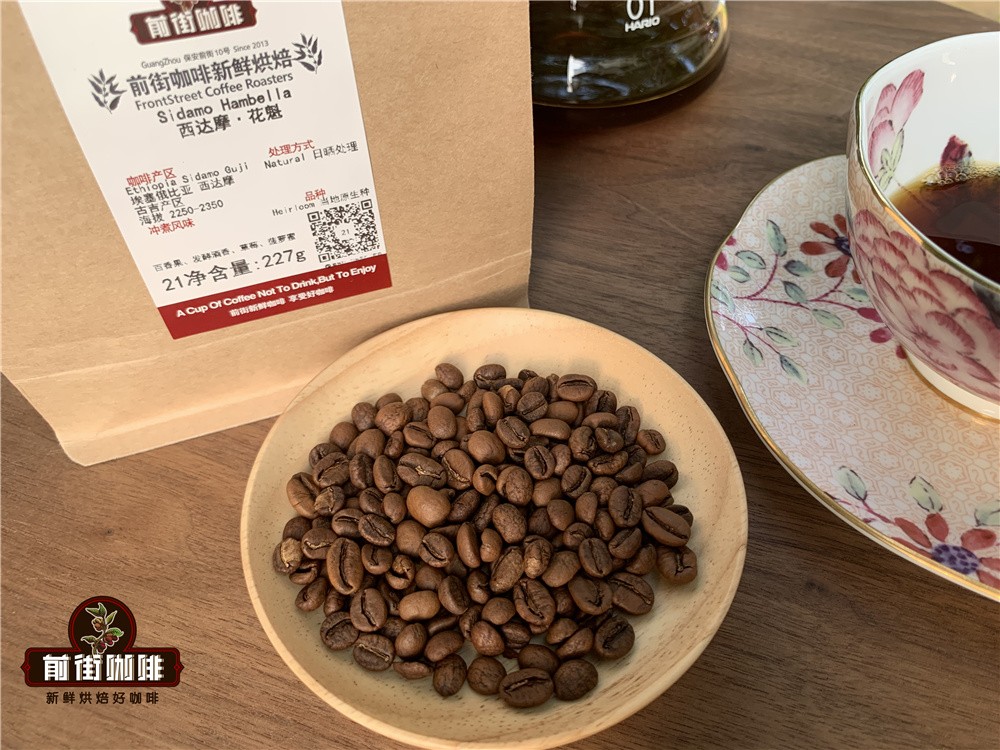
The Guji region is an Ethiopian coffee hidden gem, particularly famed for Hambella. Once part of Sidamo, it was designated as an independent region by the ECX after 2010. Though adjacent to Yirgacheffe Kochere, its altitude and day-night temperature variation nurture premium specialty coffee with great potential.
In 2017, DW Coffee’s “Buku Abel” processing station won Ethiopia’s TOH competition with a natural batch. Those Huila beans were later introduced to China and used by Li Jianfei in the China regional round of the World Brewers Cup, where he claimed second place—catapulting them to fame. The beans’ outstanding flavor earned them the title “Huila,” symbolizing the pinnacle of Geisha. DW subsequently expanded with multiple processing stations in Hambella, including Buku Abel, Buku Saysay, Haro Soresa, and Tirtiro Goye, achieving an annual capacity of 1,100 tons. Note that only naturals produced in the Buku Abel processing zone qualify to be labeled “Huila.”
 The Huila series is named Huila 2.0 through Huila 8.0 by year, with slight flavor variations due to annual climate and processing tweaks. Additionally, Arsi, a sub-region of western Sidamo, is also primarily smallholder-driven, with average farm sizes around 2–3 hectares. Though techniques are still developing, quality control awareness is strong, and washing stations incentivize high-quality red cherries, helping elevate overall quality. The population here is mostly Oromo, believed to be among the earliest ethnic groups to drink coffee, and also one of Ethiopia’s largest contributors to coffee production.
The Huila beans mostly use the Ethiopian native variety Heirloom. This isn’t a single cultivar but a mix of diverse strains retained, exchanged, or inherited by smallholders—varying in shape and size, like a custom blend. This genetic diversity also results in highly variable and surprising flavors.
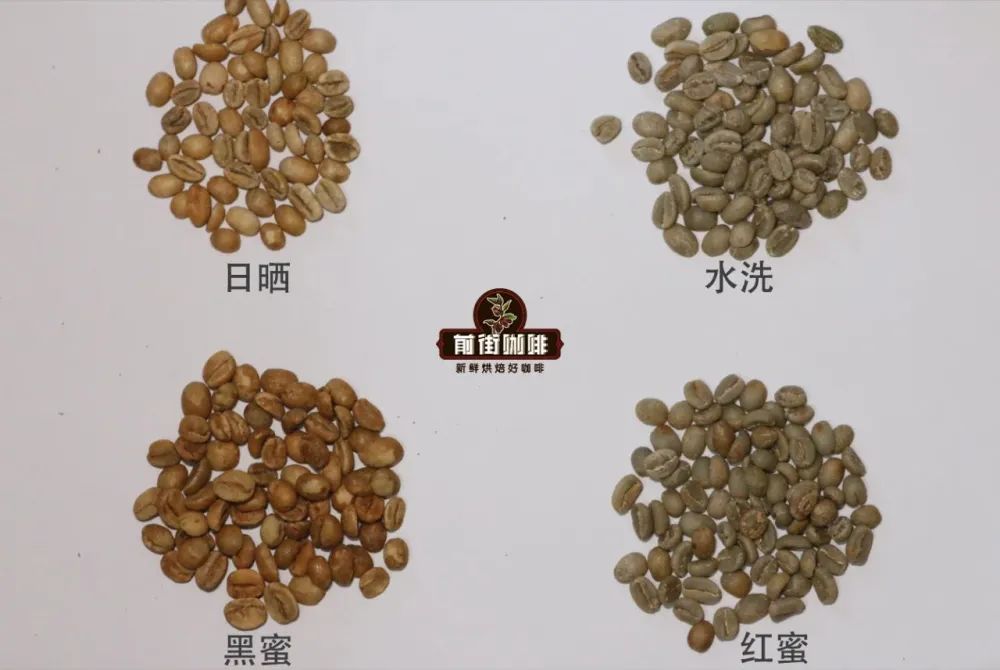
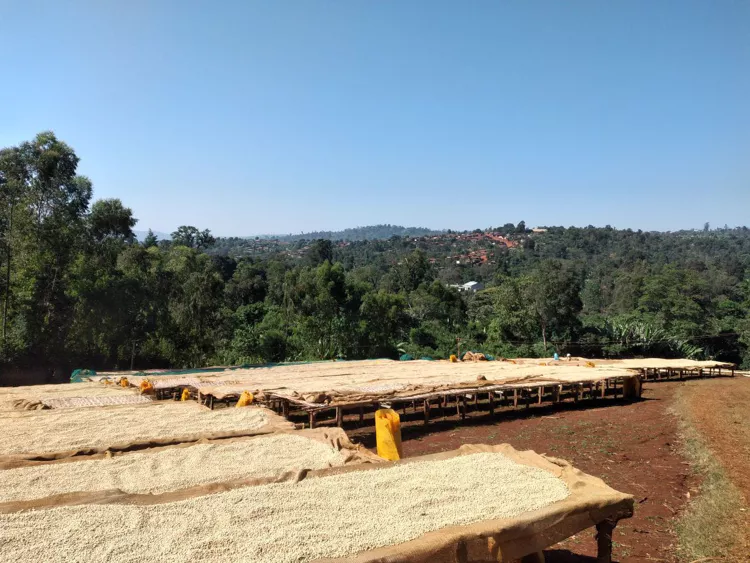
In terms of processing, Sidamo mainly uses washed and natural methods. Washed processing removes the pulp via fermentation before drying, preserving clear citrus and floral notes; natural processing exposes coffee cherries directly to the sun, resulting in bolder flavors, heightened sweetness, and layered fermentation. The industry generally recommends bean freshness as key to extraction flavor—choose beans roasted within five days, with a resting period of about 4–7 days optimal.
For light-roast Sidamo, we recommend using a V60 dripper, 90°C water, a 1:15 coffee-to-water ratio (15g dose), ground to 80% through a Chinese No. 20 sieve. Start with a 30g bloom for 30 seconds, then pour in stages to 125g and 225g, keeping total brew time around 2 minutes. Stir before drinking to fully showcase its clarity and layered profile.
[Natural Arsi Flavor Profile]: Delivers pronounced berry and honey aromas, with a jammy sweetness on the palate. The finish highlights nectarine notes, and upon cooling, reveals a juicy plum and nectarine sensation.
[Natural Huila 5.0 Flavor Profile]: Features layered aromas of citrus, passionfruit, strawberry, and oolong tea, with outstanding sweetness. The overall flavor is bright and pleasing.
Overall, natural Arsi shines with jammy and honey-like richness when hot, transitioning to a juice-like smoothness as it cools; Huila stands out with tropical fruits and intense fermentation, balancing sweet and sour with bold flavor tension—ideal for coffee lovers seeking deep flavor experiences. Either choice offers a profound taste of Ethiopia’s unique coffee charm and regional soul.
The above content is compiled by CoffeeHunters, a coffee news website.


