








Introduction:Jamaican Blue Mountain coffee is hailed as the "King of Coffee," but the secrets behind its rarity and exceptional quality remain little known. This article delves into the history of Blue Mountain coffee, its legally defined growing regions, stringent grading standards, and the key factors that contribute to its classic flavor profile. It also provides practical flavor characteristics and brewing references to help you truly identify and appreciate this world-class coffee.
Dubbed the "King of Coffee," Jamaican Blue Mountain is not widely understood. This top-tier coffee from Jamaica, with its distinctive flavor and extremely limited production, has long been a dream choice for coffee enthusiasts. This article will take you deep into the cultivation history, legal growing regions, grading system, and unforgettable flavor profile of Blue Mountain coffee, along with practical drinking and brewing advice.

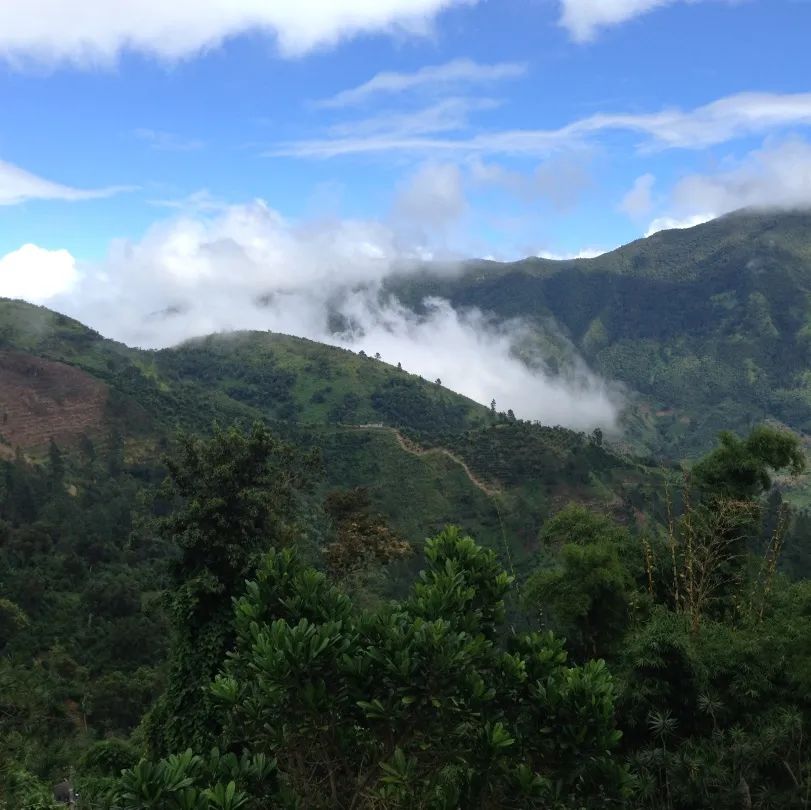
Jamaican Blue Mountain coffee is grown in the Blue Mountains of eastern Jamaica, a name derived from its breathtaking natural landscape. When sunlight filters through the clear air and shines upon the Caribbean Sea, the blue hues are reflected onto the mountain peaks, creating a mesmerizing azure glow—hence the name "Blue Mountain." This region is not only picturesque but also one of the few places in the world that combines ideal elevation, fertile volcanic soil, and a unique microclimate, making it a coffee-growing paradise.
The Blue Mountain range lies within the coffee belt, with elevations generally exceeding 900 meters, and some areas even approaching 2,300 meters. The area is perennially shrouded in mist, with abundant rainfall—annual precipitation reaches up to 1,980 millimeters—and is enriched by mineral-rich volcanic soil, all of which together form the foundation of Blue Mountain coffee’s unique flavor. Such natural conditions give the coffee exceptionally high purity and a delicate mouthfeel.
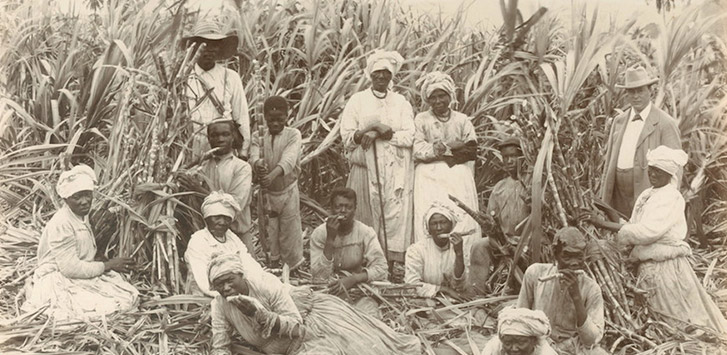
The cultivation history of Blue Mountain coffee dates back to the early 18th century. In 1717, King Louis XV of France ordered the trial cultivation of coffee in Jamaica, marking the beginning of its coffee-growing history. By the 1720s, Sir Nicholas Lawes, then Governor of Jamaica, introduced Arabica coffee seeds from Martinique and actively promoted their cultivation in the Saint Andrew region, allowing coffee farming to gradually take root. Saint Andrew remains one of the three core growing regions of Blue Mountain coffee to this day, alongside Portland and Saint Thomas. Within just eight years, Jamaica’s coffee exports exceeded 375 tons, demonstrating strong development potential.
In 1950, the Jamaican government established the "Jamaica Coffee Industry Board (JCIB)" to formulate and enforce strict quality standards, and to issue official certification stamps for exported green and roasted beans. This move significantly enhanced the international reputation and quality control of Blue Mountain coffee. The organization is also regarded as one of the most authoritative national-level coffee regulatory bodies in the world. Today, regions that can be labeled as the origin of Blue Mountain coffee must pass rigorous inspections by six officially certified entities, including the Mavis Bank Central Factory (MBCE) and the Blue Mountain Coffee Cooperative (MHCCT).
The planted area of Blue Mountain coffee is actually very limited, spanning only about 6,000 hectares. This means that many coffees on the market claiming to be "Blue Mountain" may not actually come from this core region. Jamaica did expand some coffee-growing areas after 1981, but currently, only coffee beans produced at elevations above 910 meters in the Blue Mountain region are legally permitted to be labeled as Blue Mountain grade.
Blue Mountain coffee is divided into three categories and five grades based on elevation and processing standards. Among them, "Blue Mountain Coffee" is the highest grade, produced exclusively from Typica variety beans grown at elevations between 1,200 and 1,700 meters, and further subdivided into Blue Mountain No. 1 and Blue Mountain No. 2. Next is "Jamaica High Mountain Supreme," grown at elevations between 910 and 1,200 meters, also divided into High Mountain No. 1 and High Mountain No. 2. Beans grown between 460 and 910 meters are classified as "Jamaica Prime Coffee Beans." Each grade has clearly defined quality specifications to ensure consumers can choose the most suitable coffee according to their preferences.
The reason Blue Mountain coffee maintains its legendary flavor lies in two key commitments: using the washed processing method and exclusively cultivating the Typica (Typica) variety. Washed processing delivers a cleaner, brighter acidity and a consistent flavor profile, while Typica, though low-yielding and susceptible to pests and diseases, offers exceptional delicacy and balance. These two traditional practices enable Blue Mountain coffee, even when medium to dark roasted, to exhibit an outstanding balance of acidity, sweetness, and bitterness, along with subtle notes of nuts, chocolate, and cream, and a long, comforting aftertaste.
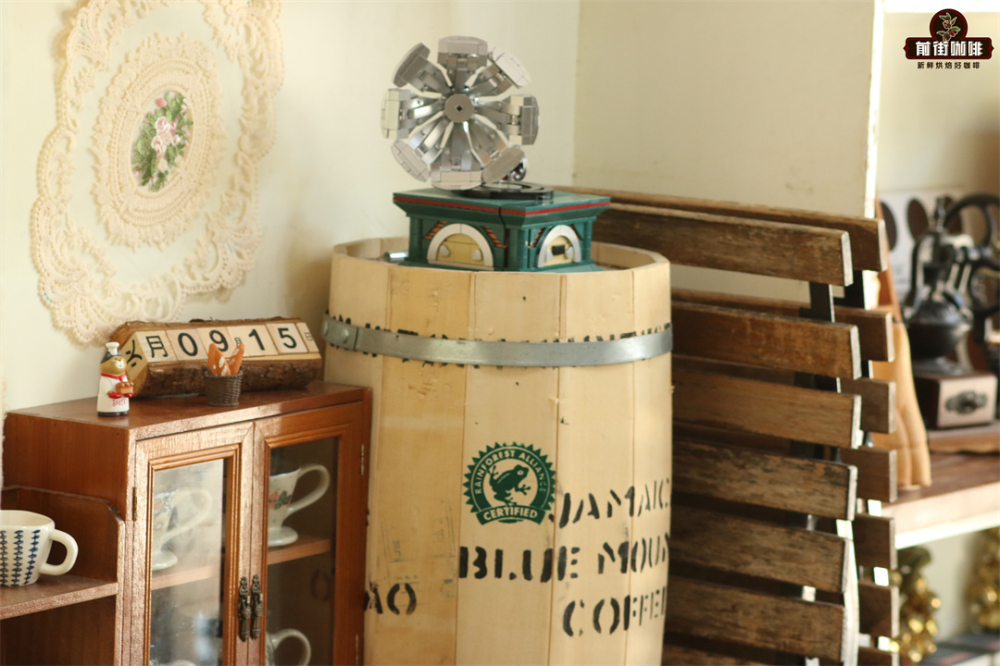
If you wish to experience the authentic charm of true Blue Mountain coffee, it is recommended to seek out Blue Mountain No. 1 beans from Clifton Mount Estate. This estate is not only one of the most representative producers in the Blue Mountain region but also holds "Rainforest Alliance" certification. With an elevation of approximately 1,310 meters, it fully meets the legal criteria for Blue Mountain No. 1. General brewing recommendations suggest a medium to dark roast, and using the pour over method can more clearly highlight its layers of chocolate, nuts, and gentle fruity acidity.
In summary, the value of Jamaican Blue Mountain coffee lies not only in its rare production and high price, but also in its rigorous quality control system, unique geographical environment, and centuries-old traditional cultivation and processing methods that have never changed. Understanding these details is the key to truly appreciating the extraordinary charm of Blue Mountain coffee as the "King of Coffee."
The above content is compiled by CoffeeHunters, a coffee news website.


