







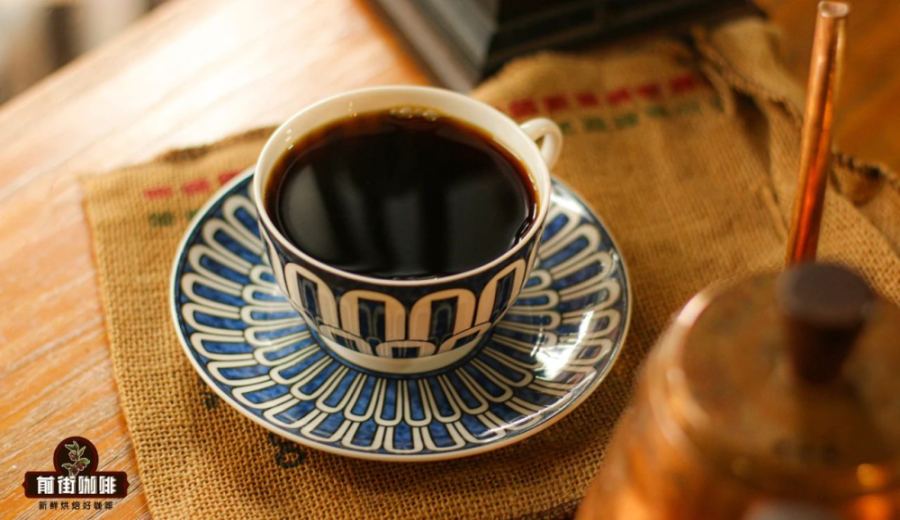
Introduction:Delve into the unique flavors and pour-over brewing essentials of dark-roast Mandheling coffee. From the nutty and chocolatey aromas brought by Maillard reactions and caramelization to its low-acidity, full-bodied taste profile, this article explores the charm of this Sumatran classic and offers practical pour-over tips to help you fully experience its lingering sweetness and rich texture.
During the dark-roasting process, coffee beans undergo Maillard reactions and caramelization, gradually releasing intense bitterness and roasted aromas such as chocolate, caramel, and buttery complexities. As the roast time extends, these chemical reactions become more thorough, not only making the roasted aromas more pronounced and the bitterness more distinct, but also increasing the overall body, resulting in a long-lasting and impressive aftertaste.
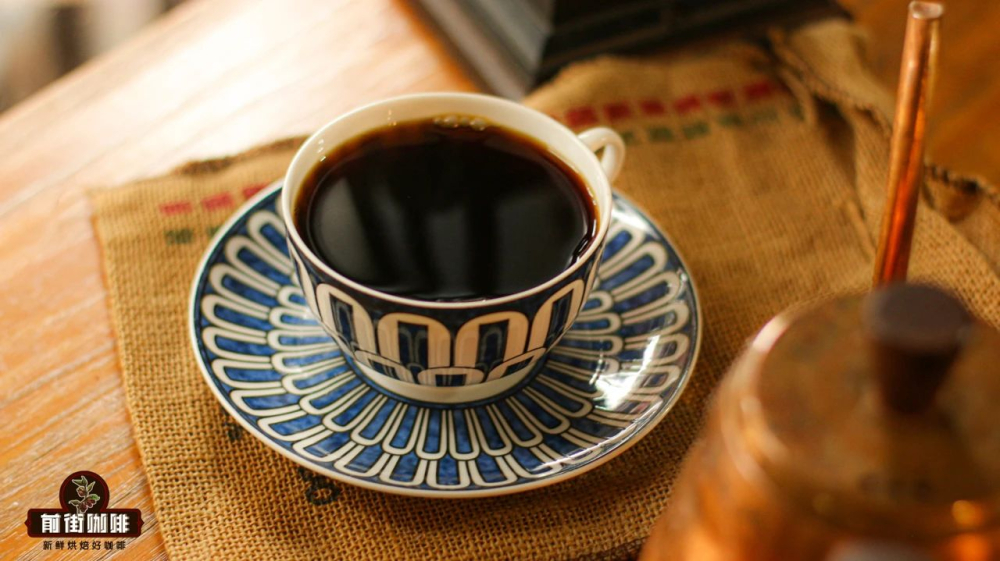
Mandheling coffee has always been hailed as one of the most full-bodied varieties in the world, and dark roasting is the key method to showcase its characteristics. In addition to retaining the unique spice, herbal, and pine notes of the Sumatra region, the deeper caramelization transforms the flavors into bold layers of dark chocolate, roasted nuts, maple syrup, and butter. It feels solid and weighty on the palate, with a low and steady acidity and an outstanding balance.
By observing the roasting curve, it can be seen that when the roast reaches the dark stage, the substances inside the bean involved in the reactions significantly increase, especially those that produce bitterness and roasted aromas. These substances not only give the coffee its signature intense taste but also enhance the overall aftertaste, leaving a lasting impression of sweet and aromatic notes after drinking.
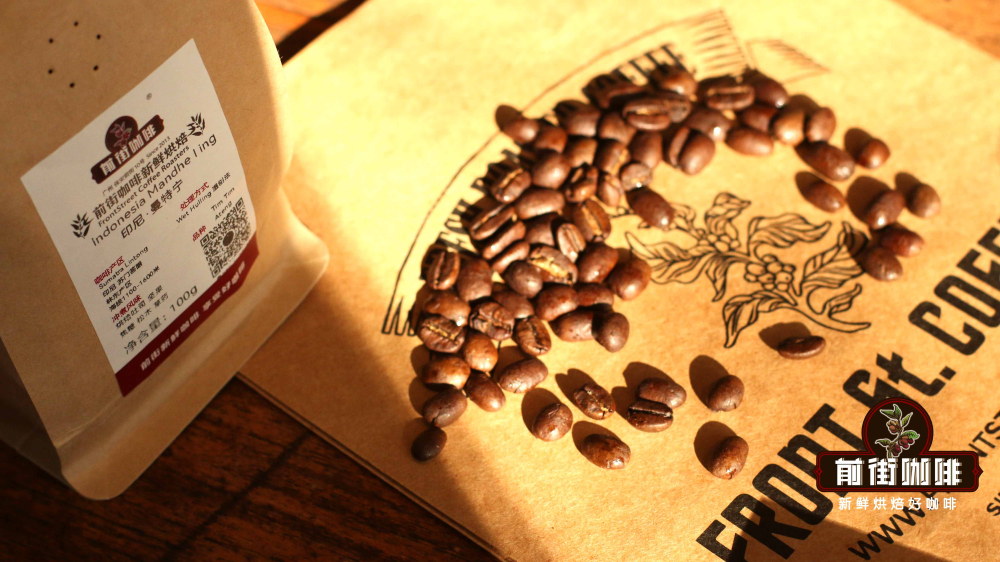
For enthusiasts who love dark-roasted coffee, Mandheling is undoubtedly a worthwhile choice to explore. Its unique flavor composition—including nutty and dark chocolate notes with a more bitter tone—may not have as varied a flavor profile as lighter roasts, but it offers an irreplaceable richness and smooth texture. This taste experience is a major reason why many coffee aficionados are particularly drawn to dark roasts.
In terms of brewing methods, pour over is one of the ideal ways to experience Mandheling’s flavors. By controlling water temperature, grind size, and brewing rhythm, its low acidity, full body, and lingering sweetness can be presented more delicately. It is generally recommended to use a medium-fine grind, with water temperature around 90–93°C, and to extract slowly using a center pour method. This helps release flavors evenly and avoids overly emphasizing the bitterness.
The aroma profile of dark-roast coffee is distinctly different from that of light roasts. Light-roast beans often feature floral and fruity acidic notes, whereas dark roasts showcase complex nutty, caramel, toasted bread, and chocolate aromas. This layered aroma is highly appealing to those who prefer bold flavors and is also a key reason why many seasoned coffee lovers consistently choose dark roasts.
In terms of mouthfeel, the fullness and smooth texture provided by dark-roast coffee are hard to match by light roasts. Especially in terms of the weight and silkiness in the mouth, each sip delivers a rich coffee experience. Moreover, although the overall flavor leans toward bitterness, proper extraction can still bring out subtle sweet notes like caramel or maltose. This “bitter-to-sweet” aftertaste is precisely the unique charm of dark-roast coffee.
Overall, dark-roast Mandheling is not just a strongly flavored coffee, but also an experience that offers multi-layered sensory enjoyment. From aroma and taste to aftertaste, every aspect is worth savoring in detail and provides a wealth of operational and exploratory opportunities for pour-over enthusiasts.
The above content is compiled by CoffeeHunters, a coffee news website.


