








Introduction:The washed processing method is one of the most common techniques in specialty coffee production, particularly well-suited for coffee varieties that emphasize bright acidity and clean flavors. This article delves into the principles and steps of washed processing, using Yirgacheffe as an example to compare the differences between washed and natural processed coffees in terms of flavor profiles, mouthfeel, and pour over brewing parameters, helping readers master the selection and brewing techniques for washed beans.
Before becoming the familiar dark seeds we know, coffee beans are originally encased within bright red or yellow-orange pulpy fruit, resembling small red dates in appearance. From cultivation, harvesting, processing to roasting, each step profoundly influences the final flavor, with "processing method" being a key factor that determines the aroma, sweetness-acidity balance, and mouthfeel texture of the coffee. Currently, the mainstream green bean processing methods include natural (sun-dried) and washed, both of which differ significantly in technology, equipment requirements, and flavor outcomes. This article will take the renowned Yirgacheffe producing region as an example to detail the characteristics of the washed processing method, comparing its specific performance with natural processing in dry fragrance, mouthfeel, and pour over parameters, assisting coffee enthusiasts in gaining a deeper understanding of the potential and suitable scenarios for washed beans.

Many consumers often encounter terms such as "natural", "washed", and "honey processed" on coffee packaging. While natural and washed are relatively straightforward, terms like honey processed or wet-hulled can be confusing. In fact, these names refer to different green bean processing methods, and the processing method not only affects the appearance of the coffee but also directly shapes its flavor profile. This article will focus on the two most common methods — natural and washed — explaining their principles, processes, and impact on flavor, helping readers build a foundational understanding.
The coffee beans we drink every day did not originally exist in the form of dry seeds but were hidden inside coffee cherries that resemble red dates. Each coffee cherry typically contains two seeds and must go through complex procedures such as harvesting, pulp removal, fermentation, washing, drying, defect sorting, roasting, and grinding before transforming into the coffee beans we’re familiar with. Among these, "processing method" is one of the core elements that influence the final flavor of the coffee, with different processing techniques imparting distinctly unique aromas and taste characteristics.
Among the many processing methods, the natural and washed methods are the two most widely used. The natural method relies on ample sunlight to directly sun-dry the entire coffee fruit over several weeks, allowing the moisture in the pulp to gradually evaporate while the mucilage layer remains attached to the seed, thereby imparting the coffee with rich fruitiness and sweetness. The degree of fermentation in this method is significantly influenced by ambient temperature and humidity — for example, Brazil’s Minas region, due to its dry climate, has a lower level of fermentation, resulting in flavors that lean toward nuts and chocolate; whereas some Latin American regions, with more thorough fermentation, often exhibit pronounced tropical fruit and wine-like notes. Additionally, whole-cherry mechanical drying is also categorized as an extended form of the natural method.
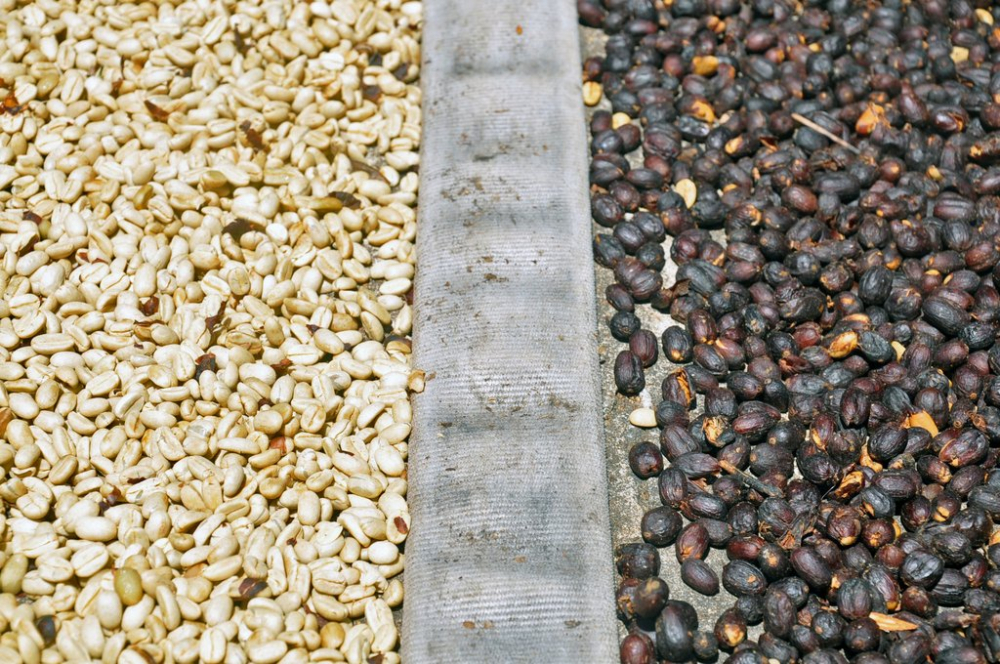
Natural processing usually employs African-style raised beds, a design that effectively prevents ground moisture and soil contamination while promoting air circulation. During the sun-drying process, strict temperature control is required to avoid over-fermentation that could lead to off-flavors. A complete natural drying cycle typically lasts over twenty days, during which microbes and enzymes in the pulp gradually act to help the coffee beans accumulate rich sugars and complex aromas, ultimately delivering intense sweetness and tropical fruit flavors.
Compared to the natural method, the core of the washed method lies in thoroughly removing the mucilage layer and any remaining pulp through fermentation and washing steps. The specific process is as follows: harvested coffee cherries are first screened to remove unripe fruits and impurities, then the outer skin and pulp are stripped away, leaving the naked seeds soaked in water for fermentation. This stage utilizes microbes and enzymes to break down the mucilage adhering to the seed surface, with fermentation lasting approximately 24 to 30 hours, during which noticeable acidity and fresh aromas are produced. Some regions also use dry fermentation, where fermentation occurs without soaking, followed by washing to remove the mucilage. Once fermentation is complete, the beans are dried by sun or mechanical means to remove moisture and prevent mold. Properly executed washed beans typically exhibit mild, clean flavor characteristics, with bright acidity and a refreshing mouthfeel.
The execution of washed processing requires a stable supply of water, so it is commonly found in water-rich regions such as Colombia, Kenya, Tanzania, and Costa Rica. This method ensures controllability in the fermentation process, thereby maintaining the consistency of coffee quality, which is also one of the main reasons why washed beans account for a higher proportion in the specialty coffee market.
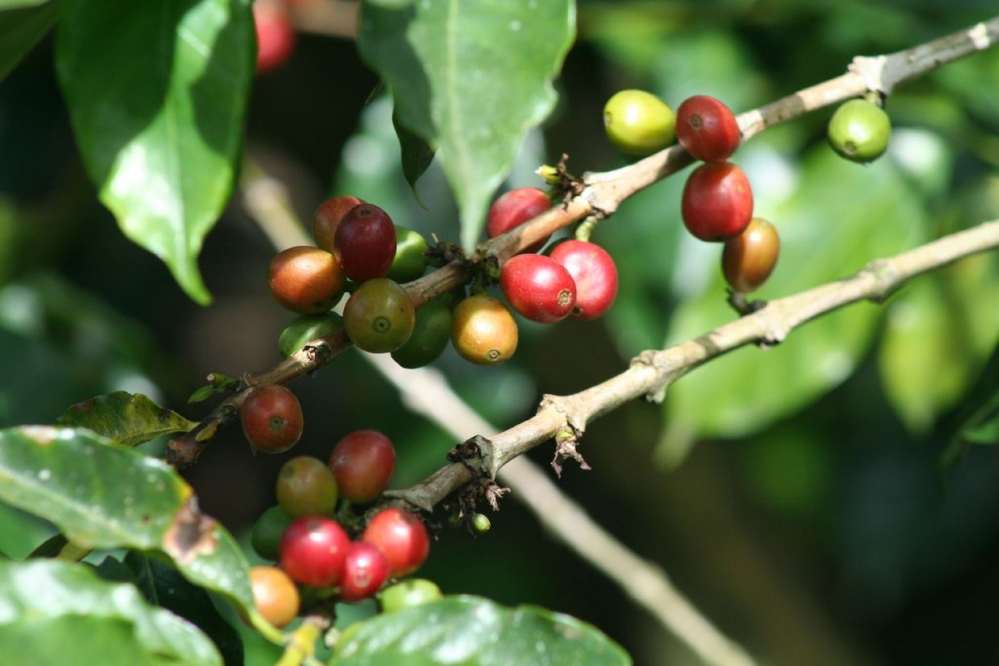
Taking the well-known high-altitude producing region of Yirgacheffe as an example, its washed and natural processed coffee beans show striking contrasts in flavor expression. Washed Yirgacheffe showcases the region's foundational flavor profile — bright acidity and clean mouthfeel — while the natural version builds upon this foundation with more intense fruitiness and fermented aromas. Below are actual cupping observations:
Dry fragrance differences:
A certain natural-processed Yirgacheffe: emits light fermented wine-like aromas and spicy notes, with subtle hints of dried banana and berries.
A certain washed-processed Yirgacheffe: features jasmine floral notes as the main theme, accompanied by fresh lemony acidity, reminiscent of freshly cut citrus fruits.
Mouthfeel differences:
A certain natural-processed Yirgacheffe: has a more complex flavor layering, with coexisting fermented wine notes and caramelized sweetness, a thick and rich mouthfeel, and a long finish that carries honey-like sweetness, cocoa notes, and faint spices.
A certain washed-processed Yirgacheffe: has bright acidity akin to lemon, offering a refreshing and clean entry, with prominent citrus aromas, transitioning in the mid-to-late stages to a soft black tea-like body, overall well-balanced.
Both share the trait of retaining citrusy fruit acid qualities, but the washed version appears clearer, while the natural version adds depth from fermentation.
Pour over brewing parameter suggestions:
A certain natural-processed Yirgacheffe: it is recommended to use 15 grams of coffee grounds with 89°C water, at a 1:15 powder-to-water ratio. Use a V60 filter cone, with a grind size of about Fuji No. 4 (medium-fine). First pour 30 grams for a 25-second bloom, then pour an additional 104 grams for rolling extraction, finally adding up to 230 grams total, avoiding tail-end impurities, with a total brew time of about 2 minutes and 12 seconds.
A certain washed-processed Yirgacheffe: it is recommended to use 15 grams of coffee grounds with 92°C water, at a 1:15 powder-to-water ratio. Use the same V60 filter cone and medium-fine grind. First pour 30 grams for a 28–30 second bloom, then pour 110 grams and stop pouring, finally adding up to 230 grams, with a total brew time of about 2 minutes and 15 seconds. These parameters help highlight the washed beans’ bright acidity and floral characteristics.
By adjusting water temperature, grind size, and brewing pace, one can further explore the unique flavor potentials of Yirgacheffe’s washed and natural processed beans, experiencing the transformational mystery of coffee from orchard to cup.
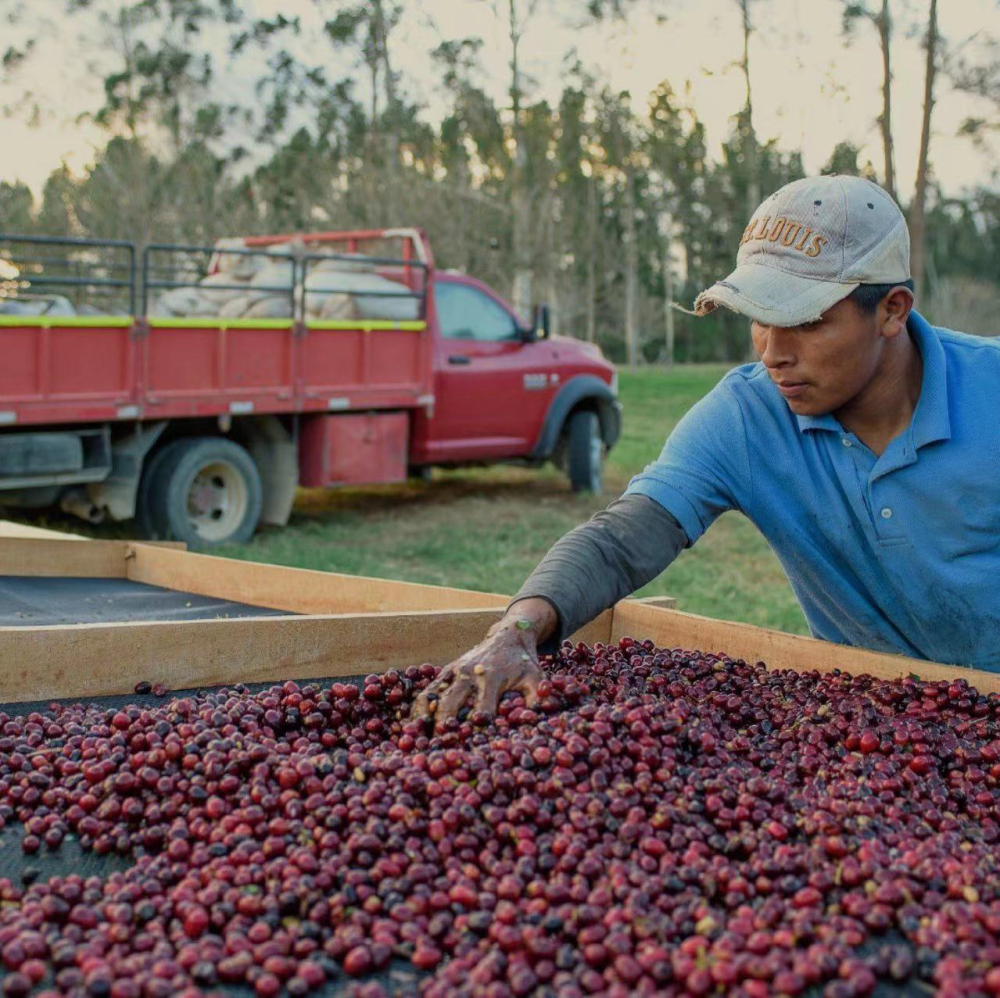
Coffee producing regions around the world have developed diverse processing techniques due to differences in climate, terrain, and culture. The washed method, due to its higher demands on environmental control, is especially suitable for areas with stable rainfall and abundant water sources, ensuring consistency and hygiene in the fermentation process. Compared to the natural method, which relies directly on sunlight, washed processing achieves greater standardization in fermentation and cleaning procedures, better showcasing the intrinsic characteristics of coffee varieties — which is why many specialty coffee farms choose washed as their primary processing method. Whether you're pursuing bright acidity in single-origin coffees or exploring the terroir of different regions, understanding the principles and applications of washed processing will bring deeper insight to your coffee tasting experience.
The above content is compiled by CoffeeHunters, a coffee news website.


