







Introduction:Mandheling coffee is renowned for its distinctive low acidity, bold intensity, and rich bitterness. It has garnered a devoted following among certain coffee enthusiasts, yet also deters many others. This article delves into the origins of the name "Mandheling," starting with a WWII-era misunderstanding, and explores the background of Indonesia's Sumatra coffee-growing regions. It also provides a detailed introduction to PWN Golden Mandheling, hailed as the "pinnacle representative of Mandheling," covering the story behind its trademark, the characteristics of the wet-hulled processing method, as well as the recommended roast level for pour over brewing and precise extraction parameters — helping you better understand this classic coffee.
Mandheling coffee has long been celebrated for its low acidity, full-bodied aroma, and pronounced bitter notes, making it a classic flavor profile cherished by many coffee aficionados. However, its intense character leads to polarized opinions among those with different taste preferences. For some, it’s a deep and captivating choice; for others, it may come across as overly heavy. Yet for true devotees, the solid mouthfeel and unique spicy undertones of Mandheling are truly irreplaceable.
To understand Mandheling, one must start with its name. In fact, "Mandheling" is not a place name, but rather the name of one of the indigenous ethnic groups on the island of Sumatra — the Mandailing people (Mandheling). During World War II, a Japanese soldier in Indonesia tasted a cup of richly flavored coffee and curiously asked the shop owner about its name. The owner, however, misunderstood the question as being about his background and replied "Mandailing." Due to the similarity in Japanese pronunciation, the soldier heard it as "Mandheling." Upon returning to Japan, he introduced this coffee through commercial channels, propelling Mandheling to fame.
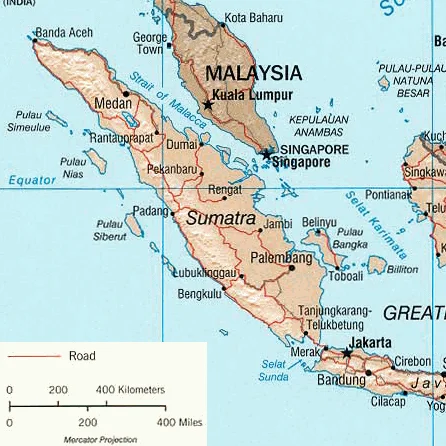
Indonesia, as a globally significant coffee-producing region, has a coffee cultivation history dating back to 1699 when Dutch colonists introduced coffee trees from Yemen to Java Island, later expanding to other islands including Sumatra. Sumatra, the world’s sixth-largest island, is not only densely populated but also an important coffee-producing area in Indonesia. Early Indonesian coffee was mostly exported from Jakarta, hence the term "Java" came to be synonymous with high-quality coffee.
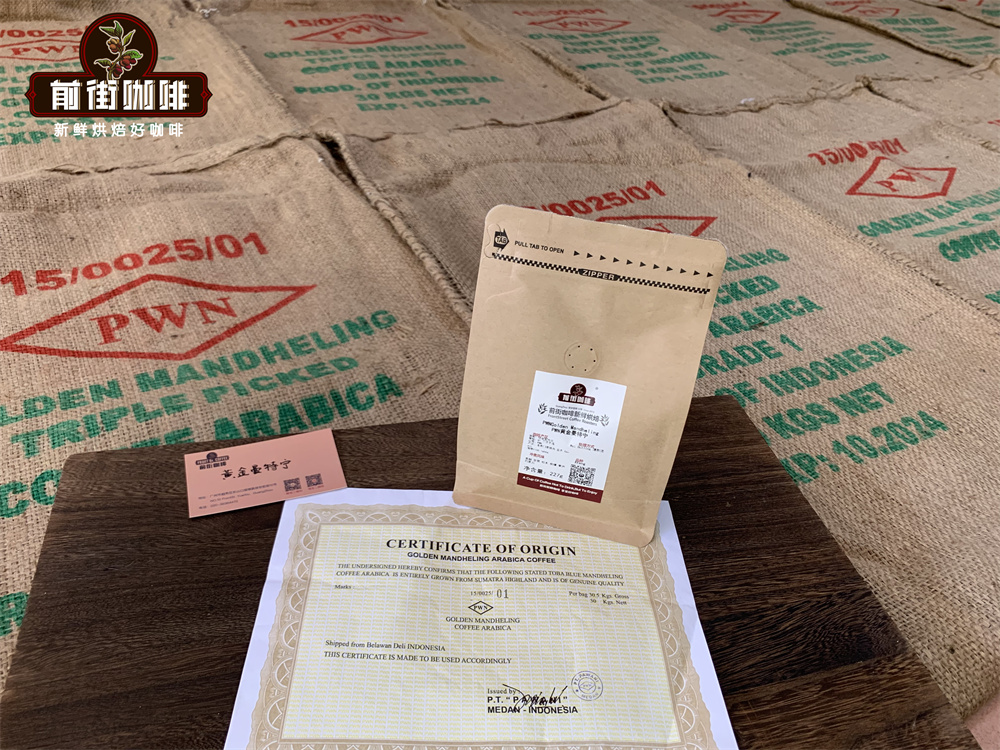
Sumatran coffee is often sold under the name "Mandheling," though this is not the name of a producing region but stems from the aforementioned historical misunderstanding. The now-renowned top-tier representation of Mandheling — "Golden Mandheling" — is produced by Indonesia’s well-known processing company PWN and registered as a trademark. Notably, another Japanese company once registered "Dingshang Golden Mandheling," so although many products on the market claim to be "Golden Mandheling," only those produced by PWN carry official certification. When purchasing, it’s advisable to ask the seller for the green bean sack and related documentation to confirm whether it comes from the authentic source.
PWN Golden Mandheling is grown in Sumatra at altitudes of approximately 1,100 to 1,600 meters, using the locally common Ateng variety and processed via the unique "wet-hulled" method. This processing technique is a classic practice in Indonesian coffee production, distinctly different from the more common washed or natural methods. The general procedure is as follows: after harvesting the coffee cherries, the skin and pulp are first removed, then the mucilage-covered parchment beans undergo a short fermentation period, followed by washing off the mucilage with water. Before fully drying, the beans are hulled at a semi-dry state to remove the parchment layer, exposing the green beans directly to continue drying. This method helps retain the coffee’s intense flavors while reducing acidity, resulting in a unique taste profile that is low in acid, full-bodied, and infused with herbal and spicy notes.
The PWN Golden Mandheling used here is of G1 top grade, with bean size of 18 mesh or larger. In every 300g sample, there are fewer than 3 defective beans, and the beans have undergone three rounds of manual sorting to ensure cleanliness and sweetness. In terms of roasting, to enhance its full-bodied character, a medium-dark roast is typically employed, bringing out flavor layers of nuts, caramel, and dark chocolate.
To fully showcase the flavors of Golden Mandheling, dialing in the right brewing parameters is crucial. It is recommended to use a brewer with a slower flow rate and stable extraction capabilities, such as the KONO filter, paired with a medium-coarse grind (approximately 70% passing through a #20 sieve, equivalent to medium-coarseness), a water temperature of around 88°C, a coffee-to-water ratio of 1:15, and a coffee dose of 15 grams. This combination helps avoid over-extraction while highlighting the coffee’s natural sweetness and full-bodied base notes.
For specific brewing techniques, a three-stage pouring method is recommended: begin with a 30g bloom pour using hot water for about 30 seconds to allow the coffee grounds to fully expand and release aroma; then slowly pour in water with a small stream in circular motions from the center outward until reaching 125g for the first pour; once the water level drops to just about to expose the coffee bed, continue pouring to 225g before stopping, keeping the total extraction time around 2 minutes. This method allows for even extraction and enhances the overall balance and complexity of flavors.
Once brewed, PWN Golden Mandheling delivers a distinct nutty profile on the palate. As the temperature slightly cools, herbal and cinnamon-like spice notes, along with subtle sweet fruit aromas, gradually emerge. The finish carries a caramel-like sweetness and a lasting full-bodied sensation. The overall cup is clean and layered, making it a classic choice for experiencing the essence of Sumatran coffee.
The above content is compiled by CoffeeHunters, a coffee news website.


