








Introduction:To understand the world of coffee, start by distinguishing the main coffee varieties. This article delves into the two most common types of coffee beans—Arabica and Robusta—analyzing their aroma, acidity, regional characteristics, and suitable brewing methods. It also highlights two low-acidity coffee beans, detailing their origin, altitude, processing method, and other key parameters to help beginners or advanced enthusiasts make suitable choices based on taste preferences, thereby enhancing the overall coffee tasting experience.
With the global trend of specialty coffee becoming more widespread, consumers' pursuit of refined coffee flavors is also increasing. Choosing the right coffee beans is the first step to enjoying a good cup of coffee. This article will focus on the two mainstream coffee varieties—Arabica and Robusta—providing a comprehensive analysis from flavor, characteristics, growing conditions, to sub-varieties, allowing readers to deeply understand the differences and charm of various coffee beans. In addition, it recommends two coffee beans worth trying for those who prefer a soft, low-acid taste, along with detailed parameters such as origin, altitude, and processing method, helping to build a more systematic approach to choosing coffee beans.
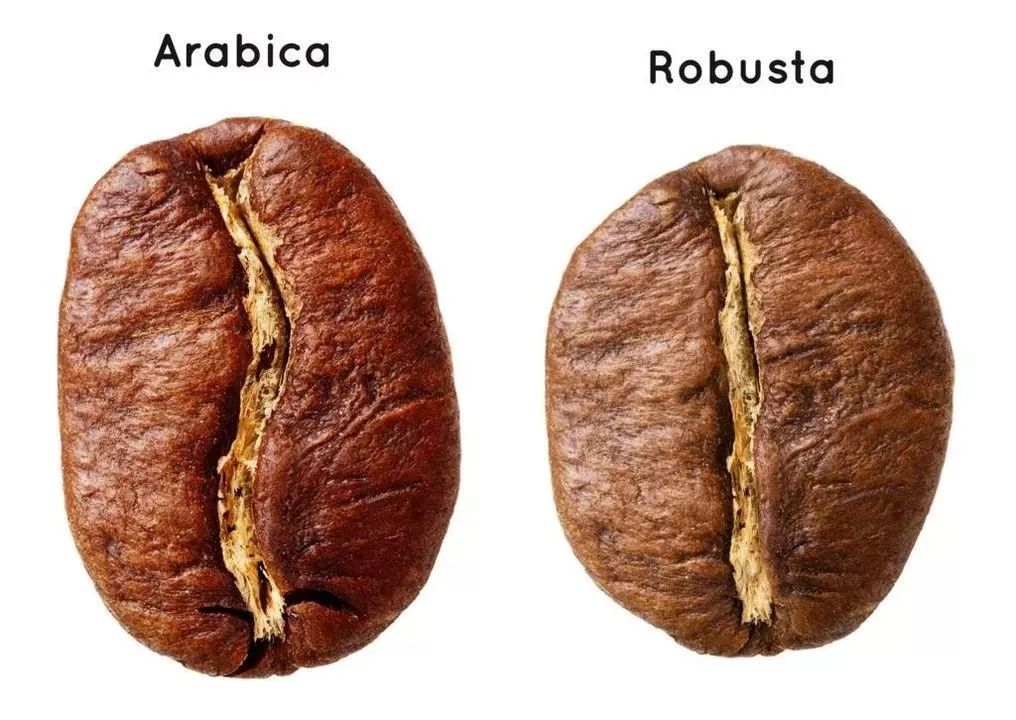
 First, in broad categories, the most mainstream coffee beans on the market can be divided into two main types: Arabica and Robusta. Arabica is known for its elegant floral and fruity aromas, and a multi-layered balance of sweetness and acidity, accounting for about 70% of the global coffee cultivation area. It is mostly grown in high-altitude mountainous regions, requiring higher climate and soil conditions, which is why its flavors are more delicate. In contrast, Robusta has strong resistance to pests and diseases, high yield per unit, and can be grown without high-altitude environments. However, its flavor is bolder, with distinct nutty, grainy, and even herbal notes, low acidity but noticeable bitterness. It is commonly used in instant coffee or espresso blends to enhance body and crema performance.
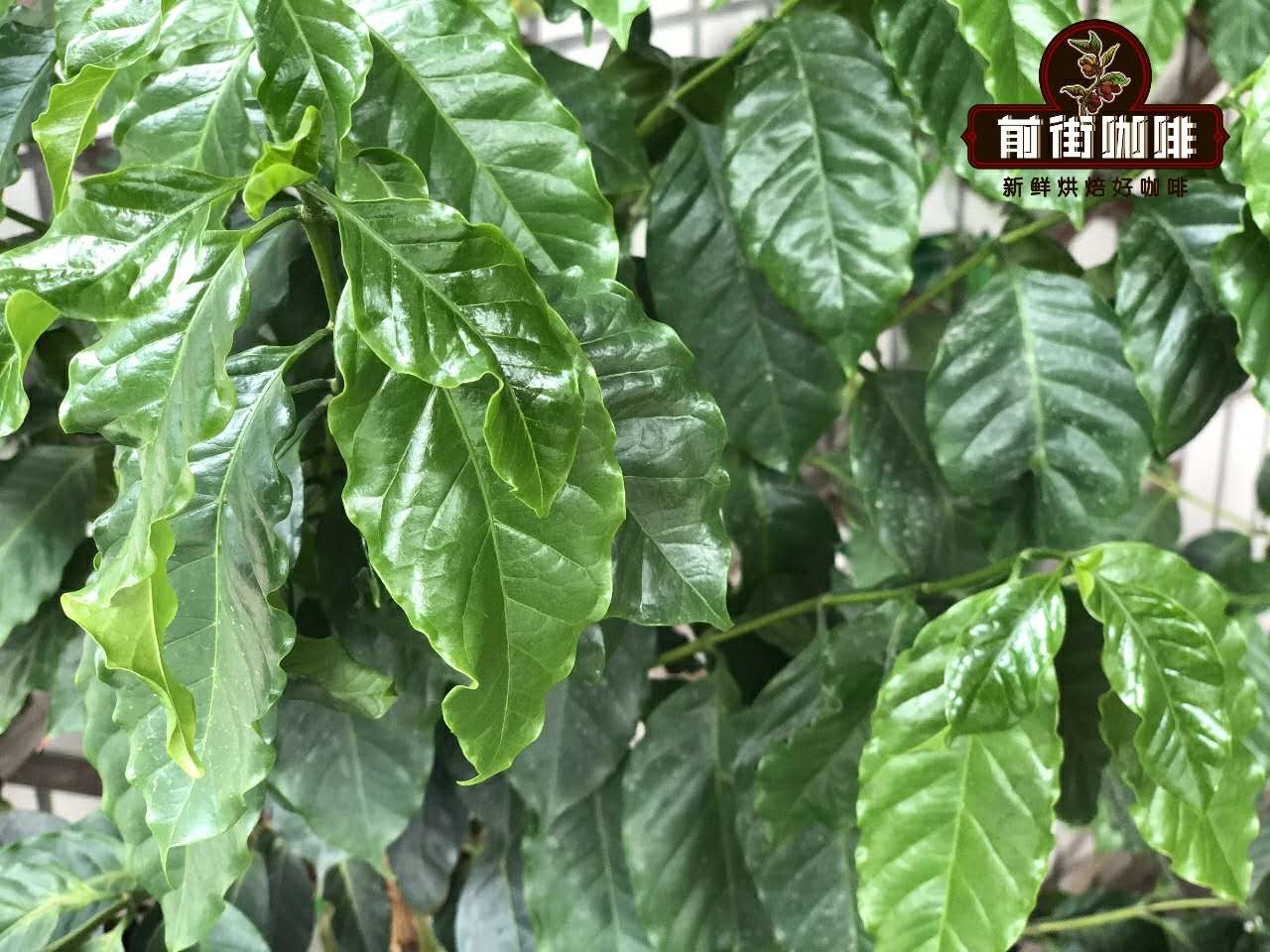
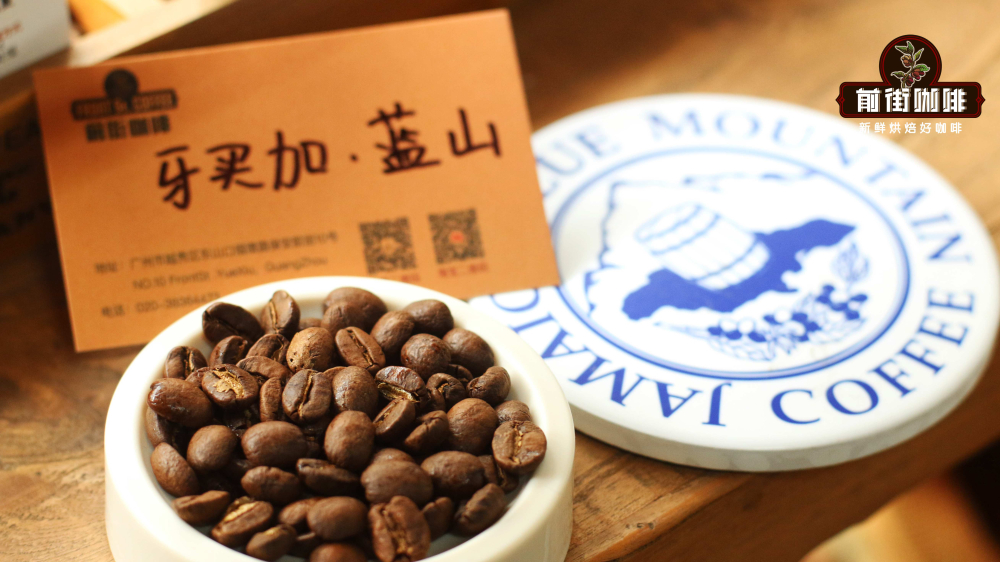
 Within the Arabica family, there are many sub-varieties, each showcasing unique flavor profiles and adaptability traits. First is the historically oldest 'Typica,' one of the most original Arabica varieties, with slender, slightly pointed beans and bronze-tipped leaves. Although its flavor is delicate, with noticeable sweetness and gentle acidity, the plant is weak in disease resistance, has low yield, and requires meticulous care. Its presence spans the globe, including renowned regions such as Jamaica Blue Mountain, some small-seed varieties in Yunnan, and premium coffees in Papua New Guinea all originating from this variety.
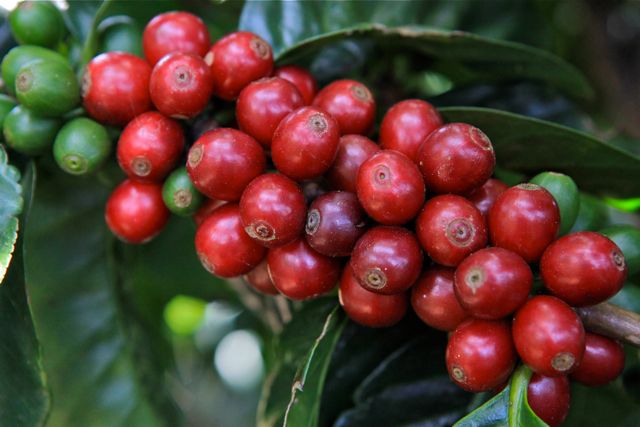
Next is the widely popular 'Bourbon,' a natural mutation of Typica, with rounder beans and wine-red fruits when ripe. Bourbon grown at high altitudes typically exhibits bright acidity, layered red wine-like complexity, and caramel sweetness. Bourbon also has many derivative varieties, including Yellow Bourbon, Pink Bourbon, and Caturra.
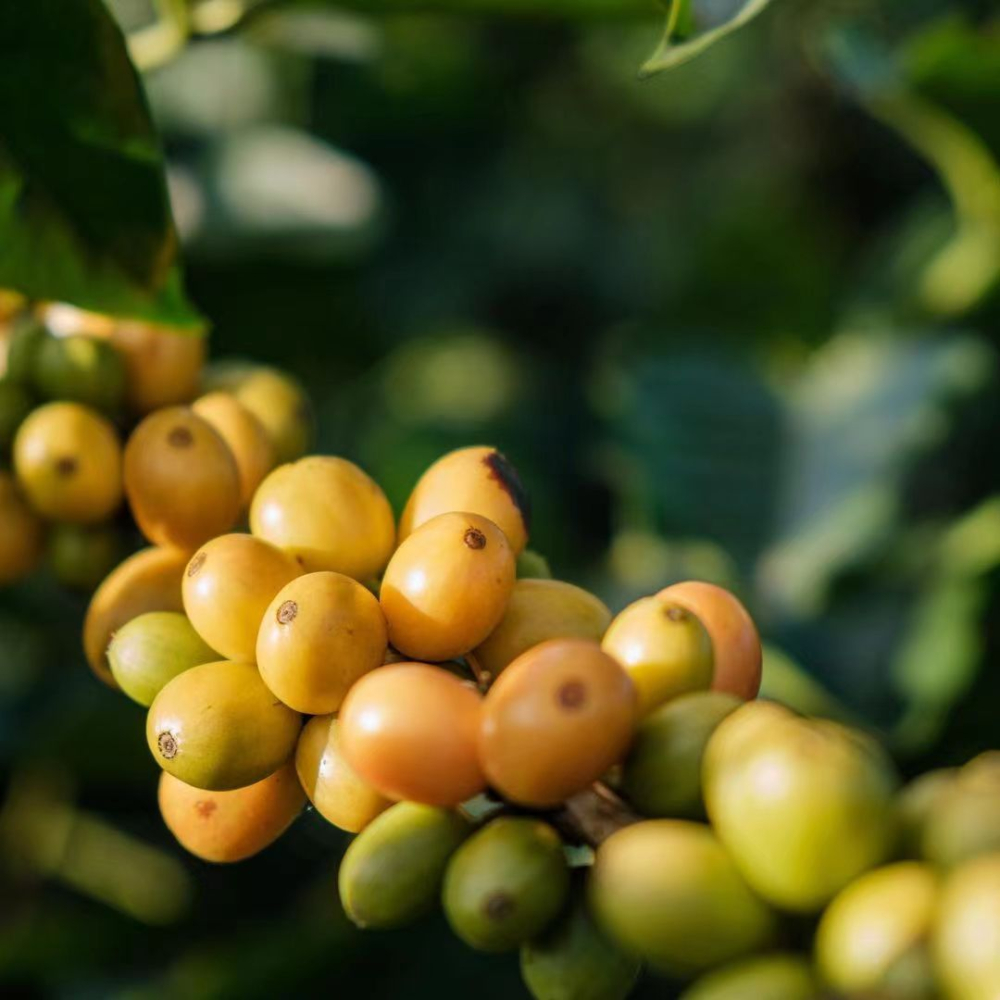
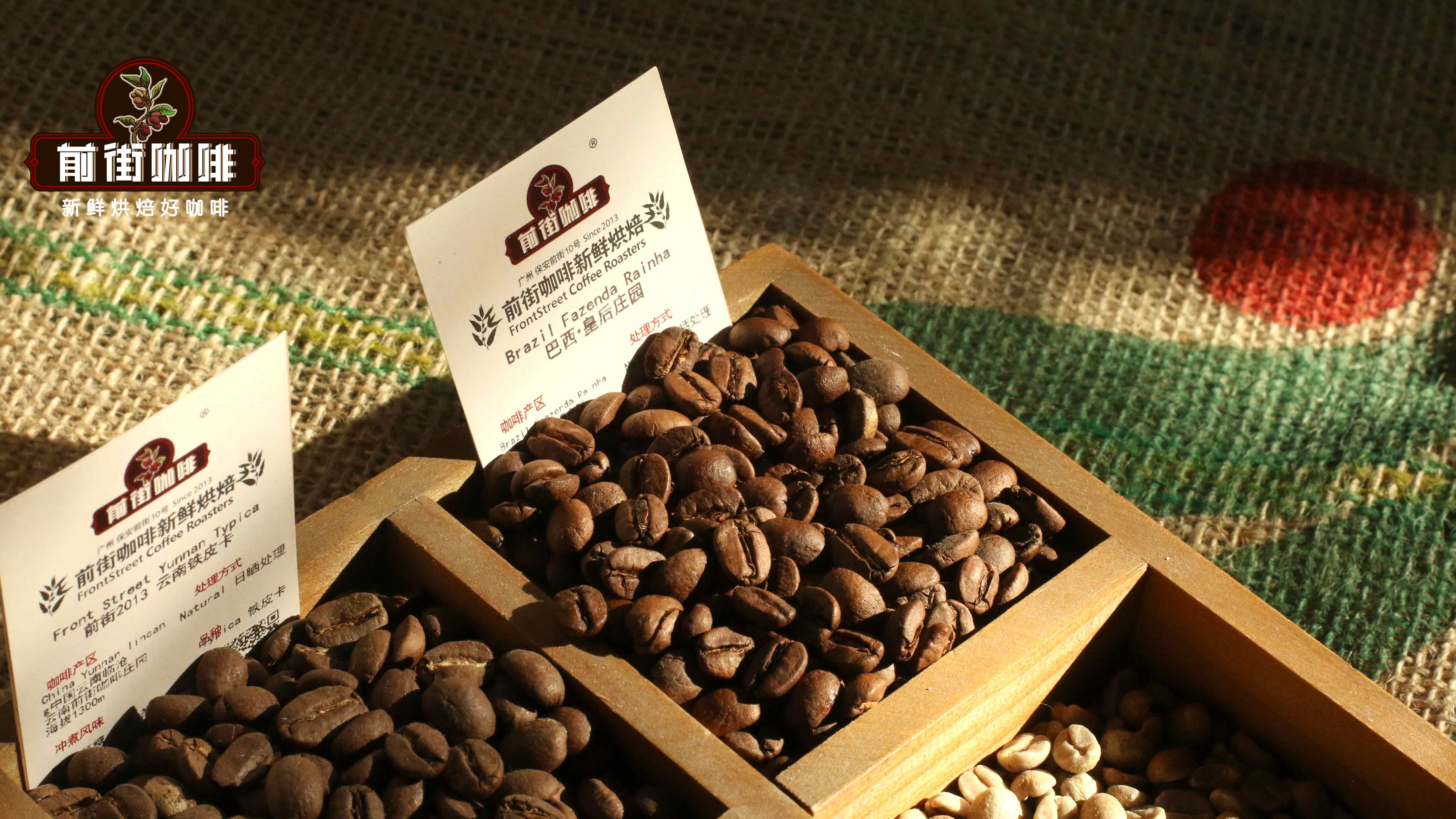
 Among them, 'Yellow Bourbon' gets its name from the rare yellow color of its fruits when ripe and was first discovered in Brazil in the 1930s. Although this variety has relatively low yield and is sensitive to environmental changes, in suitable high-altitude environments, it can showcase exceptional fruitiness, nuttiness, and mild acidity. Well-roasted Yellow Bourbon often carries pronounced cocoa and honey aromas, with a smooth mouthfeel and clean aftertaste. Many coffee enthusiasts recommend trying the Yellow Bourbon produced by Fazenda Rainha in Brazil. When medium roasted, these beans have notable sweetness, rich chocolate aroma, gentle acidity, and balanced flavor.
'Pink Bourbon' is an even rarer variety, resulting from a cross between Red Bourbon and Yellow Bourbon, with fruits turning a beautiful pink when ripe. Due to its complex genetic makeup, this variety has lower stability and is scarce in production. However, its flavor performance is astonishing, often featuring fresh floral notes, blueberry and cherry fruitiness, with a honey-like smoothness in the finish. Currently mainly found in high-altitude regions of Colombia and Guatemala, it suits coffee drinkers who enjoy bright fruitiness and gentle acidity.
 'Caturra' is a single-gene mutation of Bourbon, discovered in Brazil in 1937. The plant is shorter, making harvesting easier, and it offers better yield and disease resistance than traditional Bourbon, making it suitable for high-density planting. Though its flavor profile is similar to Bourbon, in mid-to-high altitude regions, it can exhibit richer berry and floral notes, and medium-to-dark roasting can also bring out the richness of chocolate and nuts. Recommended is the Caturra from Huila, Colombia, where the washed processing method highlights its clean acidity and layered fruitiness.
When discussing special high-altitude varieties, 'SL28' and 'SL34' must be mentioned. These two varieties were cultivated by Kenya’s Scott Laboratories (later the National Agricultural Laboratories) in the 1930s, possessing outstanding drought resistance and a unique acidity structure, especially suited for high-rainfall, high-altitude environments. Both varieties are renowned for their bright lemon and grapefruit-like acidity, balanced taste, and layered complexity, frequently winning awards in coffee competitions. Kenya’s famous small tomato batch is made from a blend of these two varieties, and with medium-light roasting, it presents composite flavors of cherry tomatoes, berries, and pears.
 'Catuai' is a hybrid of Caturra and Mundo Novo, with stronger resistance to wind and rain, and firm fruits that are less prone to dropping, making it a highly practical commercial variety. However, its flavor complexity is generally not as prominent as its parent varieties, making it suitable for large-scale commercial use. Catuai is suitable for planting in Central America and Brazil, and if paired with refined processing methods, it can still exhibit certain tropical fruit characteristics.
Finally, the globally popular 'Geisha' must be mentioned. Originating from Ethiopia, this variety was discovered in the Gesha forest in 1931, later rediscovered by Panama’s Hacienda La Esmeralda and gained fame after winning the Best of Panama (BOP) competition in 2004. Geisha is distinguished by its unmistakable white floral aroma, citrus acidity, and honey sweetness, often regarded as the pinnacle representation of specialty coffee. It has stringent cultivation requirements, but under suitable conditions, it can display unparalleled aromatic complexity and delicate flavor.
 For coffee enthusiasts who prefer low acidity, full-bodied taste, and a gentle aftertaste, the following two coffee beans are recommended considerations:
Brazilian Queen Estate Coffee Beans
Region: Mogiana Region
Estate: Fazenda Rainha
Altitude: 1400~1950 meters
Variety: Yellow Bourbon
Processing Method: Natural
Roast Level: Medium
Flavor Description: Noticeable sweetness, with lemon and dark chocolate aromas, gentle acidity, overall round and layered mouthfeel, very suitable for drinkers who enjoy fruity and chocolate notes.
PWN Golden Mandheling
Region: Gayo Mountains, Aceh, Sumatra
Altitude: 1100~1600 meters
Variety: Ateng
Processing Method: Wet-Hulled
Grade: G1 (fewer than 3 defects per 300 grams)
Flavor Description: Clean and bright aroma, with rich nutty, spicy, and smoky sweet notes, extremely low acidity, full-bodied and smooth mouthfeel, a classic choice for those who enjoy intense, low-acid coffee.
The above content is compiled by CoffeeHunters, a coffee news website.


