







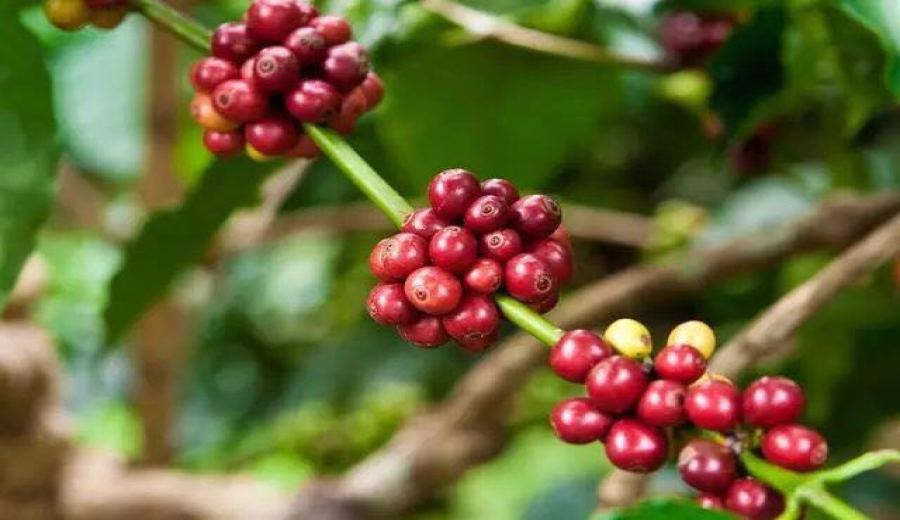
Introduction:San Cristóbal Island in the Galápagos Islands, with its unique natural environment and organic cultivation conditions, produces distinctive specialty coffee. This article will delve into the geographic background, historical origins, evolution of coffee cultivation, and unique flavors of this producing region, along with practical pour over recommendations to help coffee enthusiasts gain a more comprehensive understanding of this organic coffee from a Pacific oasis.
The Galápagos Islands are located in the eastern Pacific Ocean, about 1,000 kilometers from the South American continent. Formed by underwater lava accumulation, they cover a total area of approximately 8,000 square kilometers, comprising more than 60 islands of varying sizes. This oceanic archipelago stretches about 300 kilometers from northwest to southeast and about 200 kilometers from north to south. Among the most well-known islands are Isabela Island and San Cristóbal Island. 96.6% of the archipelago is designated as a national park, surrounded by a vast marine protected area spanning 79.9 square kilometers, making it one of the world’s few nearly untouched natural sanctuaries.
Among the many islands, San Cristóbal Island is renowned for producing Ecuador’s finest coffee. The island not only possesses special volcanic soil, but also benefits from its geographic location and climatic conditions, creating an ideal environment for coffee cultivation. Coffee from here not only carries distinct regional characteristics, but also, due to its strict organic management, stands as a rare gem in the global specialty coffee market.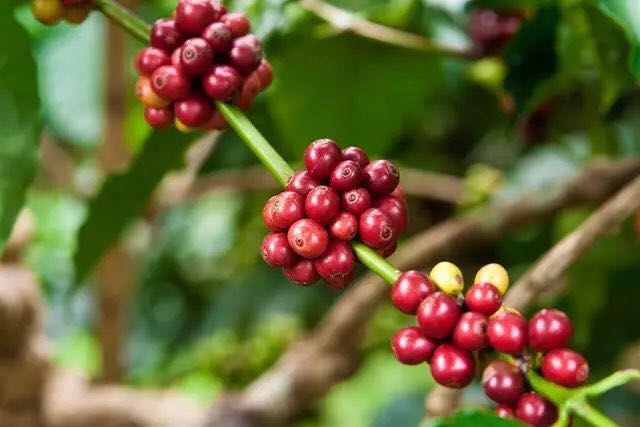
The discovery of the Galápagos Islands can be traced back to the early 16th century. Records indicate that in 1535, a ship departing from Panama was diverted from its course by ocean currents and accidentally discovered this mysterious archipelago, referred to by fishermen as the “Enchanted Isles.” The Panamanian bishop on board, Fray Tomás de Berlanga, named them “Las Encantadas” (The Enchanted), and later they became known as “Galápagos,” meaning “giant tortoise” in Spanish, due to the large population of giant land tortoises residing there. This isolated environment allowed flora and fauna to evolve independently, giving rise to a unique ecosystem.
Although Galápagos coffee was primarily exported to Northern Europe in its early years—especially favored by consumers in the Scandinavian region—the small-scale organic farming model on the islands faced development challenges as the global coffee industry moved toward large-scale commercial production. However, since the early 1990s, with the González family acquiring the Hacienda El Cafetal coffee farm and gradually expanding cultivation areas, the situation turned around. The local microclimate, characterized by the cool, moist air brought by the Humboldt Current, intense sunlight, and significant diurnal temperature variations ranging from high heat at sea level to low temperatures in the mountains, provides nearly perfect environmental conditions for coffee growth.
It is worth noting that since 1959, the Galápagos Islands have been designated as a national park by the Ecuadorian government and are protected by UNESCO. Any agricultural activity is strictly regulated. The use of chemical agents such as fertilizers, pesticides, and herbicides is strictly prohibited, ensuring that the coffee beans produced here are genuinely organically grown—not only meeting international organic certification standards but also fully respecting the natural ecosystem throughout the production process. This pure cultivation method results in coffee with a mild, rich flavor, balanced acidity and sweetness, along with delicate floral, fruity, and gentle caramel notes.
For coffee enthusiasts who enjoy pour over brewing, mastering how to extract the optimal flavors of San Cristóbal coffee is a subject worthy of in-depth exploration. First and foremost, the freshness of the coffee beans is crucial. It is generally recommended to choose beans roasted within five days, as this period is considered the golden stage for flavor development. Additionally, coffee beans typically require a resting period of about 4 to 7 days after roasting to allow the residual carbon dioxide inside to gradually dissipate, while also making the flavors more rounded and distinct.
If purchasing pre-ground coffee, special attention should be paid to storage and brewing timing. Due to the larger surface area of coffee grounds, oxidation occurs more rapidly, so it is advisable to use them immediately upon purchase to avoid flavor loss. However, because powdered coffee retains a certain level of flavor during transport due to the buffering effect of carbon dioxide in the packaging, additional resting is not required. Nevertheless, to fully experience the coffee’s multi-layered aromas and nuanced flavors, it is still recommended to grind just before brewing, using a medium-fine grind, controlling water flow with a pour over kettle, and maintaining a water temperature of around 90–93°C. A brew ratio of approximately 1:15 (coffee grounds:water) is suggested, with a segmented extraction method to enhance clarity and layers of flavor.
The above content is compiled by CoffeeHunters, a coffee news website.


