








Introduction:As an important coffee-producing country in Central America, Honduras boasts diverse terrains and microclimates that nurture uniquely distinctive coffee flavors. This article delves into the geographical conditions, altitudes, and representative flavor profiles of Honduras’ six major coffee-growing regions. It also explores the characteristics of locally cultivated varieties such as Caturra, Catuai, and Pacas, and examines how the increasingly popular barrel-aged fermentation process has contributed to the rich wine-like notes in Honduran coffee. Whether you’re a beginner or an advanced enthusiast seeking new regional flavors, you’ll find practical tasting and brewing references within.
Honduras is one of the most rugged countries in Central America, with over three-quarters of its land area consisting of mountains and plateaus, situated between the Pacific Ocean and the Caribbean Sea. The country lies within the coffee belt, with an average annual temperature of around 23°C and annual rainfall ranging from 1,300 to 2,300 millimeters—natural conditions that provide an ideal environment for coffee cultivation. Since the late 19th century, when the coffee industry began to develop, Honduras has seen steady growth, rising to become the largest coffee producer in Central America by 2011.
In the early days, due to inadequate transportation infrastructure, Honduran coffee was unable to fully realize its potential and was instead known primarily for banana exports. It wasn’t until the mid-to-late 20th century, driven by both government efforts and international market promotion, that the coffee industry gradually began to thrive. The Honduran Coffee Institute (IHCAFE), established in 1970, played a key role in technological research and farmer support, driving overall quality improvements and enabling today’s Honduran coffee to secure a place in the international market.
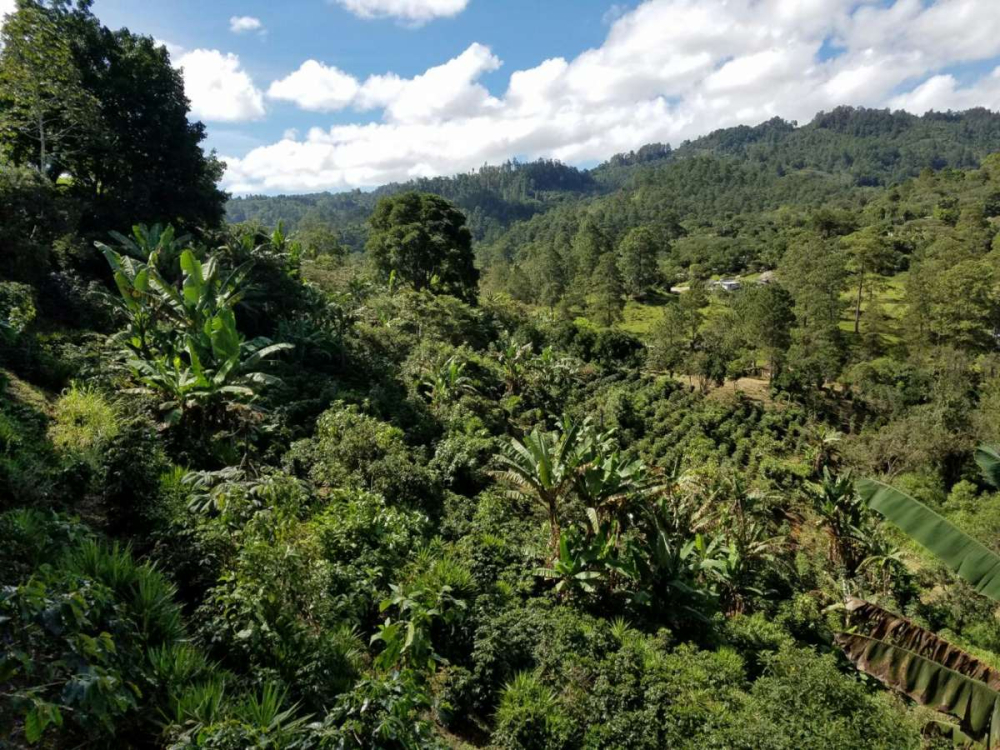
Currently, Honduras has six major coffee-growing regions, located in the western and southern parts of the country, including Copán, Opalaca, Montecillos, Comayagua, Agalta, and El Paraíso. Each region, due to differences in altitude, climate, and microclimate, produces coffee with its own unique flavor profile.
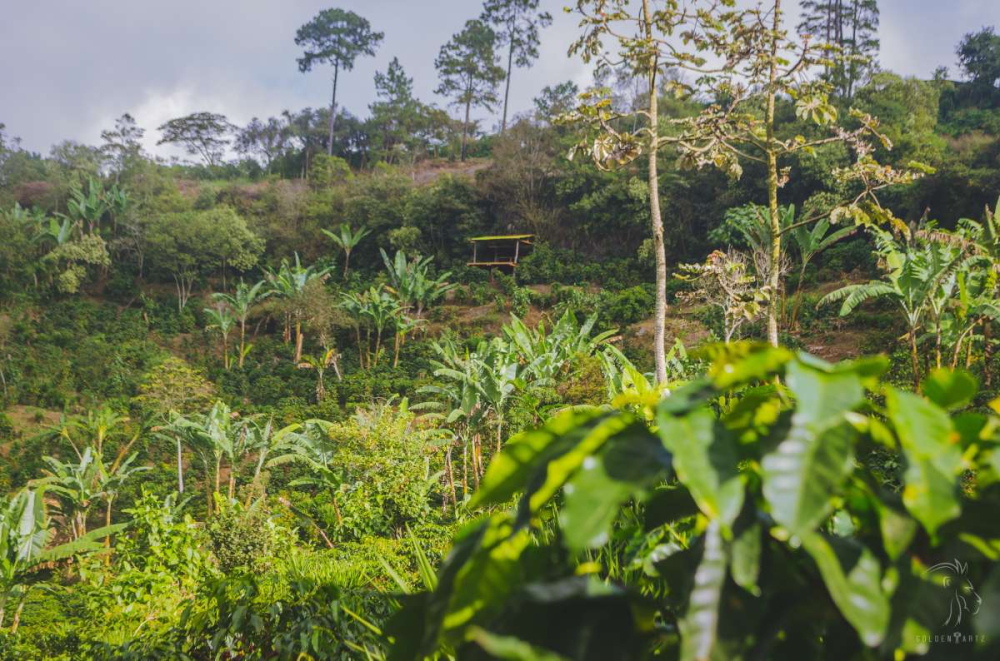
Copán RegionLocated in the west bordering Guatemala, planting altitudes range from about 1,000 to 1,500 meters, with significant day-night temperature variations—it is the region with the lowest average temperature in the country. Common varieties here include Bourbon, Caturra, and Catuai. The coffee produced is characterized by a rich chocolatey base tone, paired with honey and caramel sweetness, along with bright citrus acidity. The overall taste is bold yet refined, with a long and layered aftertaste.
Opalaca RegionAdjacent to the eastern side of Copán, with altitudes between 1,100 and 1,500 meters, it mainly cultivates varieties such as Bourbon, Catuai, and Typica. The coffee from this region often displays surprising similarities to African beans, with bright fruit notes such as tropical fruits, berries, and grapes standing out. The acidity is soft and delicate, with a balanced and lingering finish, making it suitable for drinkers who enjoy fruity and rich-tasting brews.
Montecillos RegionSituated in the southwest near the Salvadoran border, with elevations ranging from 1,200 to 1,600 meters, the relatively cool nighttime temperatures lead to a longer ripening period for coffee cherries, allowing the seeds to accumulate more flavor compounds—hence its particularly outstanding sweetness. The coffee in this area often exudes intense fruit and floral aromas, especially the fresh scents of peach and orange. The acidity is vibrant and bright, the mouthfeel silky smooth, and the aftertaste long and captivating.
Comayagua RegionLocated in the central part of the country, at altitudes of 1,000 to 1,500 meters, the varieties here include Typica, Bourbon, Pacas, and various hybrids. The coffee is anchored by a distinct lemony tone, complemented by sweet fruit aromas and a rich creamy body, along with hints of chocolate and citrus sweetness. The overall profile is mellow and layered.
Agalta RegionLocated in the southeast, with altitudes between 1,100 and 1,400 meters, it primarily plants Bourbon, Caturra, and Typica. The coffee from this region often showcases lively tropical fruit notes, paired with caramel and chocolate aromas. The acidity is clear and delicate, and the aftertaste carries a pleasant sweetness, making it suitable for consumers who prefer a balance of fruitiness and sweetness.
El Paraíso RegionSituated in the south bordering Nicaragua, at altitudes of 1,000 to 1,400 meters, the coffee flavors are dominated by soft fruity acidity, with prominent caramel notes. The overall taste is balanced, making it suitable for everyday drinking or for those trying Honduran coffee for the first time.
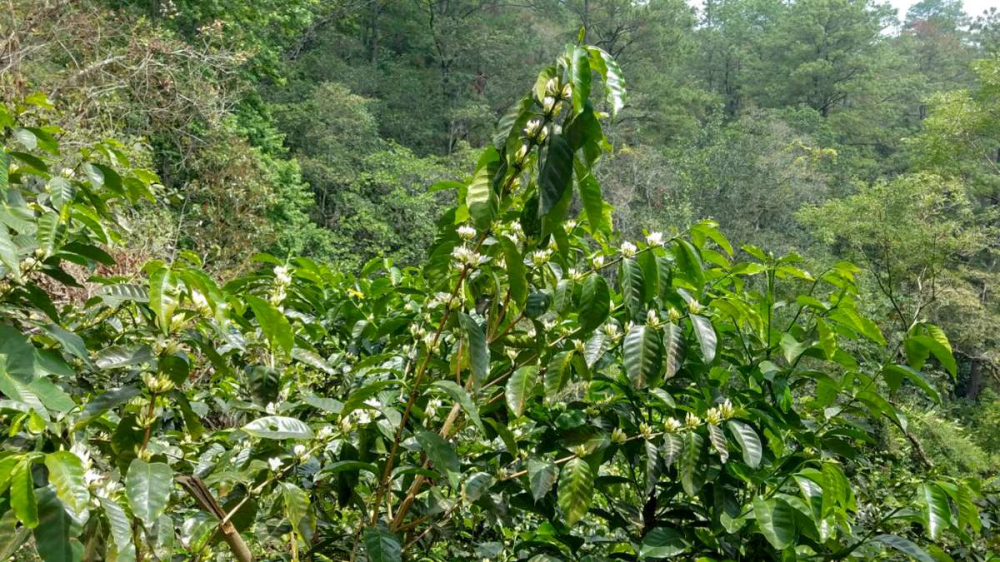
In terms of varieties, Honduras mainly cultivates Arabica types such as Caturra, Catuai, and Pacas. Among them, Caturra is a natural mutation of Bourbon, while Catuai is a hybrid of Caturra and Mundo Novo. Both offer good acidity and moderate body, well-suited to the growing conditions in Central America. Pacas is a natural mutation of Bourbon originating from El Salvador, with shorter plant stature and high yield, and is also widely planted in Honduras.
In recent years, barrel-aged fermentation has become a highlight of Honduran coffee. Some farms, such as Mokka Estate located in the Masaguara region at altitudes of 1,500 to 1,700 meters, ferment meticulously washed coffee cherries in whiskey or brandy barrels for 30 to 40 days at low temperatures (approximately 15°C to 20°C), followed by shaded drying. This process imparts intense wine-like aromas and complex layers to the coffee.
Taking the estate’s two offerings, “Sherry” and “Litchi Orchid,” as examples—the former uses whiskey barrel fermentation, delivering pronounced berry, almond, and dark chocolate notes, along with aromas of cream and vanilla, and a maple-syrup-like sweet aftertaste; the latter is processed in brandy barrels, showcasing creamy, honey, and lychee sweetness, with a rich mouthfeel and distinct wine character that becomes even more pronounced as the coffee cools.
The key to barrel-aged fermentation lies in controlling the fermentation environment and duration, ensuring stable temperatures and avoiding over-fermentation that could lead to off-flavors. The general process includes: washing the harvested coffee cherries to remove the pulp, then placing them in barrels for low-temperature slow fermentation, and finally shade-drying to stabilize moisture content and flavor.
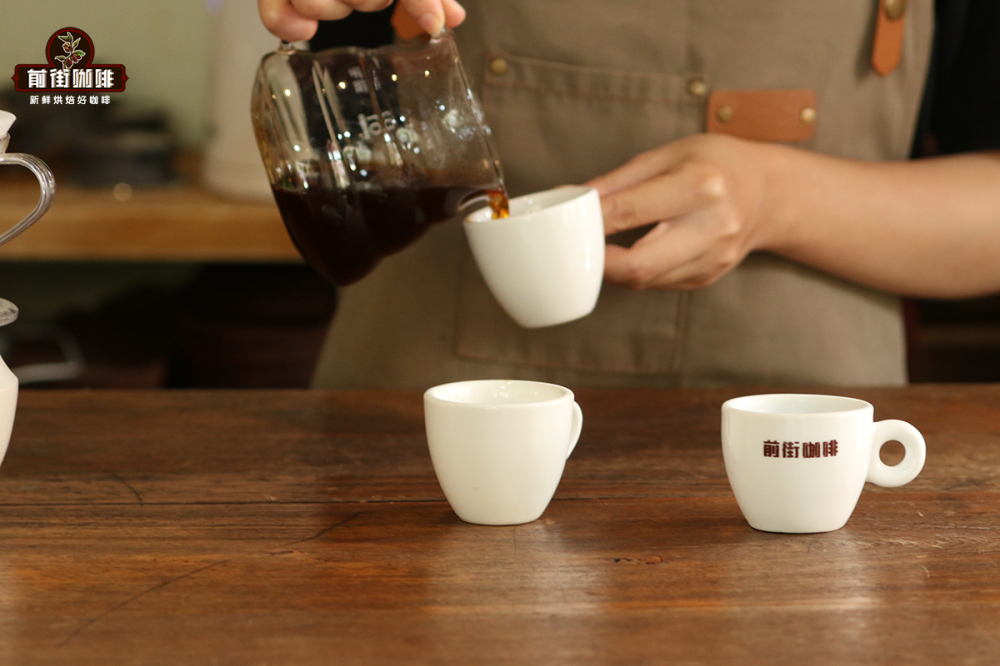
For brewing suggestions, you can use a Hario V60 #01 filter cone, with 15 grams of coffee grounds and 225 grams of water—a 1:15 coffee-to-water ratio, ground to approximately 80% passing through a #20 sieve. Start with a 30-second bloom using 90°C water, then pour in a circular motion with a small stream of water until reaching 125 grams for the first pour. After the water level drops, continue pouring to 225 grams. The total extraction time is about 2 minutes. These parameters help highlight the aroma and layered complexity of barrel-aged coffee, making it ideal for coffee enthusiasts seeking deeper flavor experiences.
The above content is compiled by CoffeeHunters, a coffee news website.


