







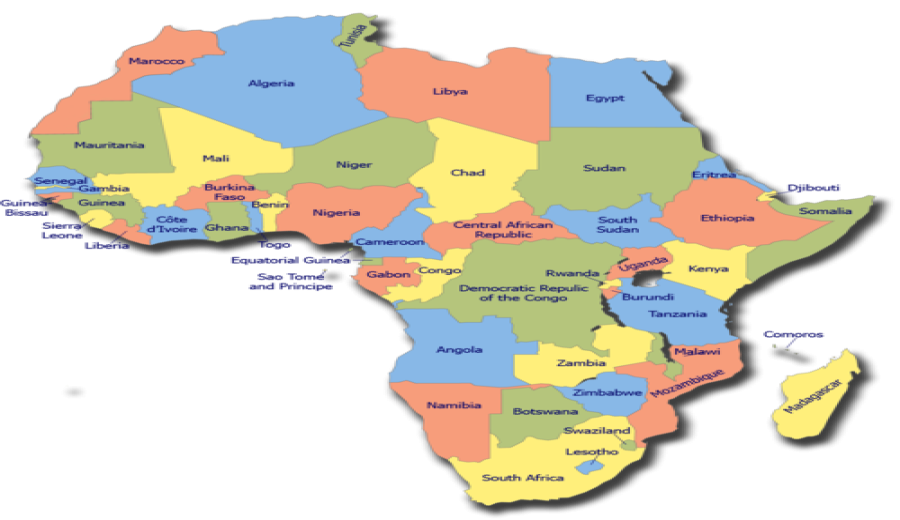
Introduction:Delve into the cultural background of Ethiopia as the birthplace of coffee and the allure of its native varieties, while exploring how Kenyan coffee beans stand out with their unique cultivars and K72 washed processing method. This article details the flavor profiles, growing environments, processing techniques, and optimal brewing parameters of these two major regions, helping coffee enthusiasts find beans that suit their taste preferences and master professional-level brewing skills.
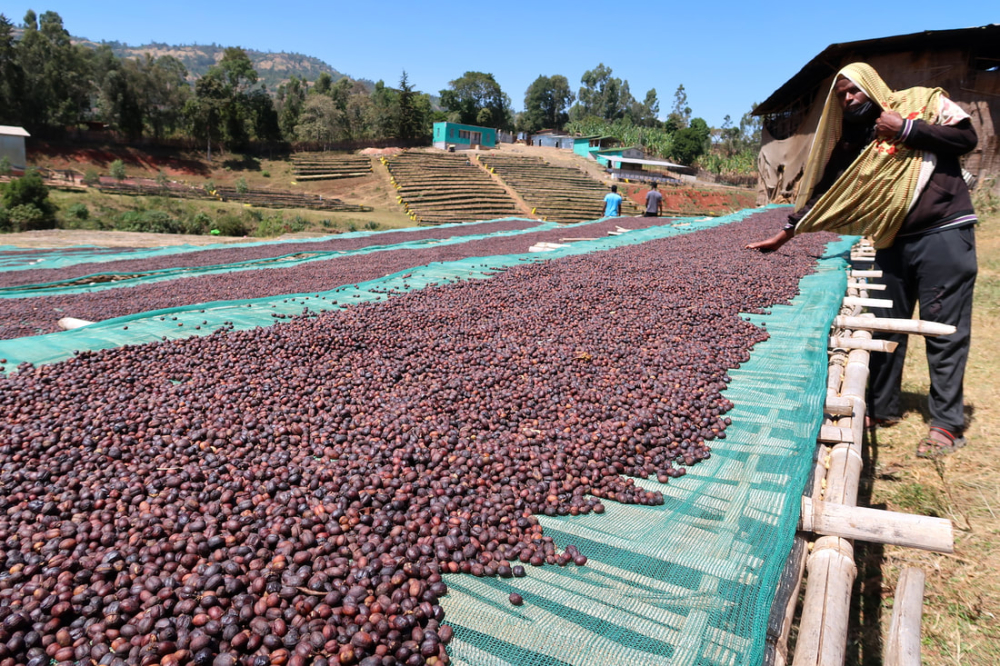
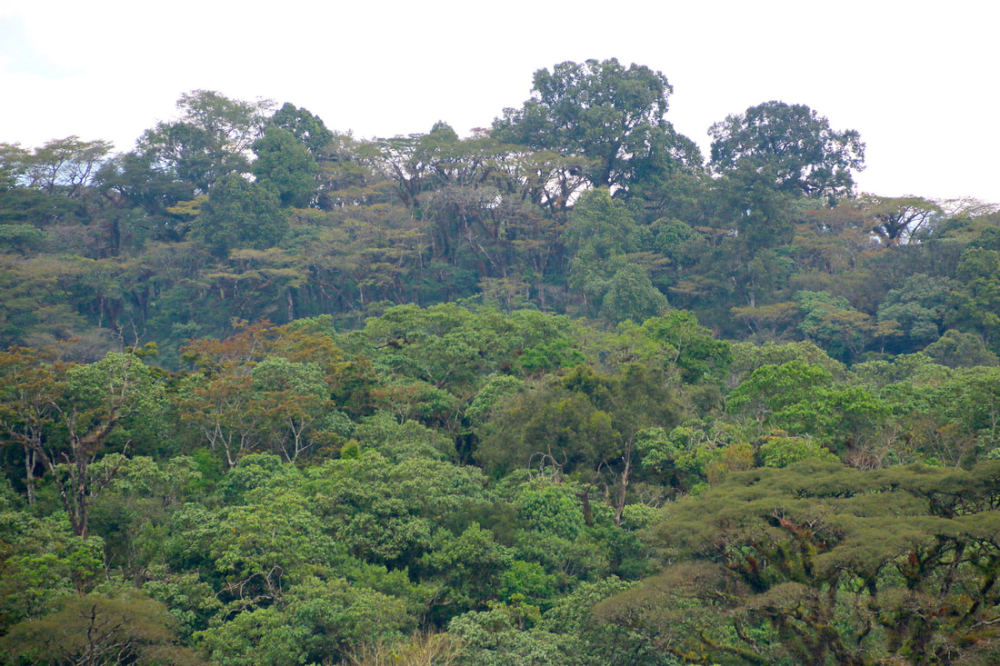
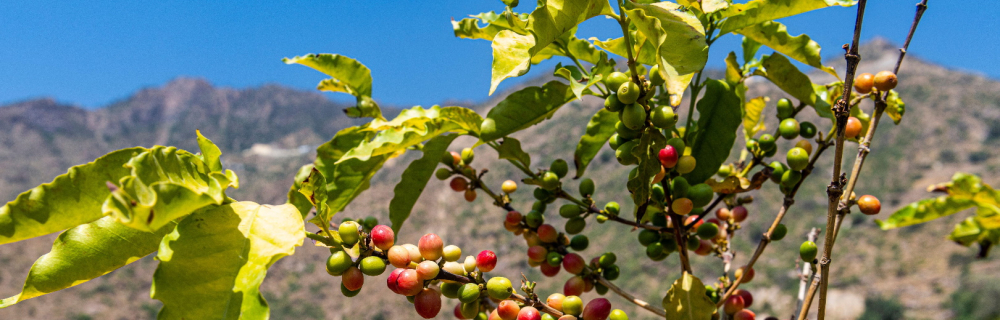
Ethiopia is hailed as the cradle of coffee, not only the origin of classic varieties such as Typica and Bourbon but also home to the world’s richest coffee genetic diversity. The country’s highland terrain and moderate climate have fostered a distinctive garden-style cultivation model, with over half of the coffee grown by smallholder farmers in mixed plantings alongside crops like bananas, creating lush, eco-friendly landscapes.
Coffee culture is deeply ingrained in daily life in Ethiopia, where local legends tell of the shepherd who discovered coffee. Whether roasting beans manually over charcoal at home or through traditional coffee ceremonies, Ethiopians show great reverence for coffee. A complete ceremony includes three rounds of drinking, known as Abol, Tona, and Beraka, symbolizing blessings, communication, and celebration. The entire process is brewed in a clay pot called a Jebena, with spices sometimes added to enhance the flavor.
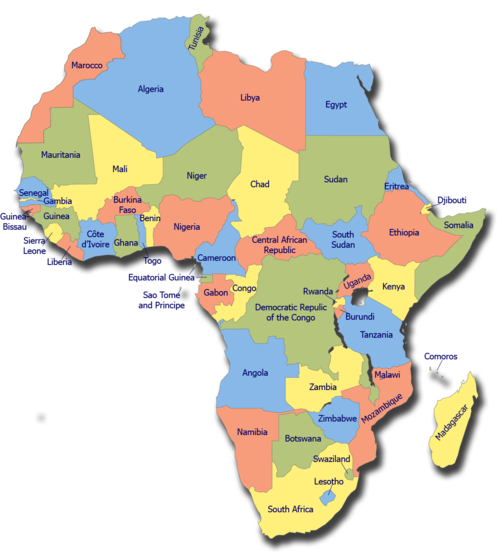
In terms of varieties, Ethiopia has thousands of coffee tree types, but most are planted in mixed forms. The commonly seen "Ethiopian Heirloom" on the market is a general term for these locally mutated varieties. Due to differences in growing environments and microclimates, even within the same region, bean size and flavor profiles may vary. After medium-light roasting, they often exhibit bright acidity and floral notes such as citrus and blueberries, delivering a refreshing and distinctive taste, ideal for coffee beginners.
Kenyan coffee, on the other hand, showcases a distinctly different style. Its main producing areas are located in highlands ranging from 1,300 to 2,000 meters above sea level, with an average annual temperature of 15-24°C and abundant rainfall, providing ideal growing conditions for Arabica. The exceptional quality of Kenyan coffee is partly attributed to the SL28 and SL34 varieties cultivated by the Scott Laboratories in the 1930s. These varieties are renowned for their intense berry acidity and complex layers, even influencing later championship beans in Costa Rica’s auctions.
In terms of processing technology, Kenya employs a unique K72 washed method, which involves three rounds of fermentation and washing totaling 72 hours to enhance cleanliness and acidity expression, resulting in coffee with bright fruit aromas reminiscent of cherry tomatoes and clear sweetness. The grading system is based on bean size, with AA being the top grade, followed by AB, both known for their plumpness, uniformity, and highly recognizable flavor profiles.
For coffee enthusiasts, understanding the differences between these two regions helps in selecting beans that match their taste preferences. Ethiopian beans are suitable for those who prefer fresh fruity notes and seek original flavors, while Kenyan beans are recommended for drinkers who enjoy bright acidity and rich complexity. For brewing, Kenyan beans are advised to use a medium-coarse grind with a 20-mesh sieve passing rate of 75%, paired with water at 93°C and a 1:16 coffee-to-water ratio. When using a V60 filter, pay attention to controlling the pouring speed and swirling range to avoid channeling. Begin with a 30ml bloom for 30 seconds, then pour in circles from the center outward, ultimately extracting a balanced flavor that combines the tartness of black plum with the sweetness of cherry tomatoes.
Whether exploring the roots of coffee or seeking premium beans for daily consumption, Ethiopia and Kenya offer highly representative choices. From traditional ceremonies to modern processing techniques, these two regions not only showcase the diversity of African coffee but also provide coffee lovers worldwide with a wealth of tasting and learning experiences.

The above content is compiled by CoffeeHunters, a coffee news website.


