







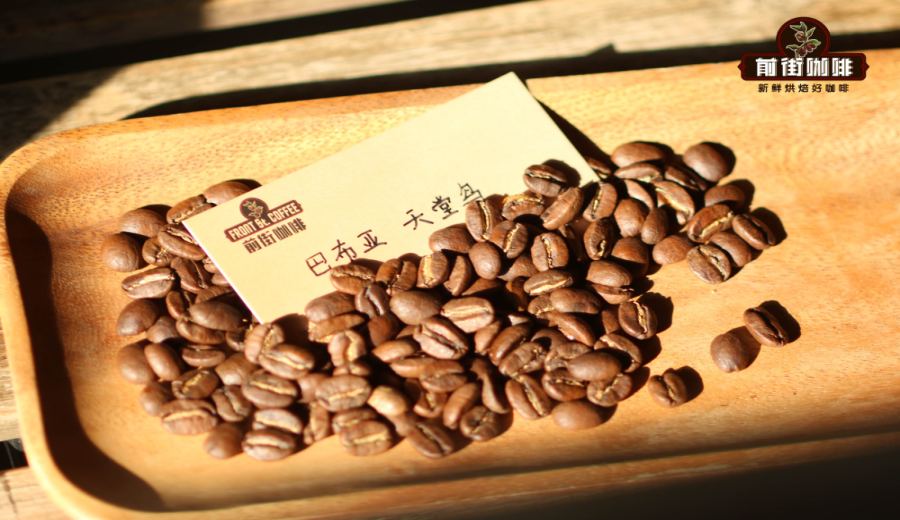
Introduction:Papua New Guinea Coffee.WHITE is renowned for its planting conditions and high-altitude environment, which closely resemble those of Blue Mountain, and has long been hailed as the "Little Blue Mountain." Its representative Typica variety and unique washed processing method impart the coffee with bright acidity and rich fruity notes. This article will delve into the main producing regions of Papua New Guinean coffee, the characteristics of Heaven Bird Estate, and how to use the correct brewing method to bring out its optimal flavors, offering you a comprehensive understanding of this fine coffee from the South Pacific.
Papua New Guinean coffee has long enjoyed the reputation of being the "Little Blue Mountain." The origin of this title stems not only from the fact that some of its Typica varieties are derived from Jamaica Blue Mountain but also because its geographical environment and planting altitudes are quite similar to those of Blue Mountain. However, after personally experiencing the roasting, cupping, and pour-over processes, you’ll find that there are actually distinct flavor differences between Papua New Guinean coffee and Blue Mountain—especially the former often carries a hint of the sweet-and-sour profile unique to dark fruits, resulting in a more vivid and tropical flavor profile.
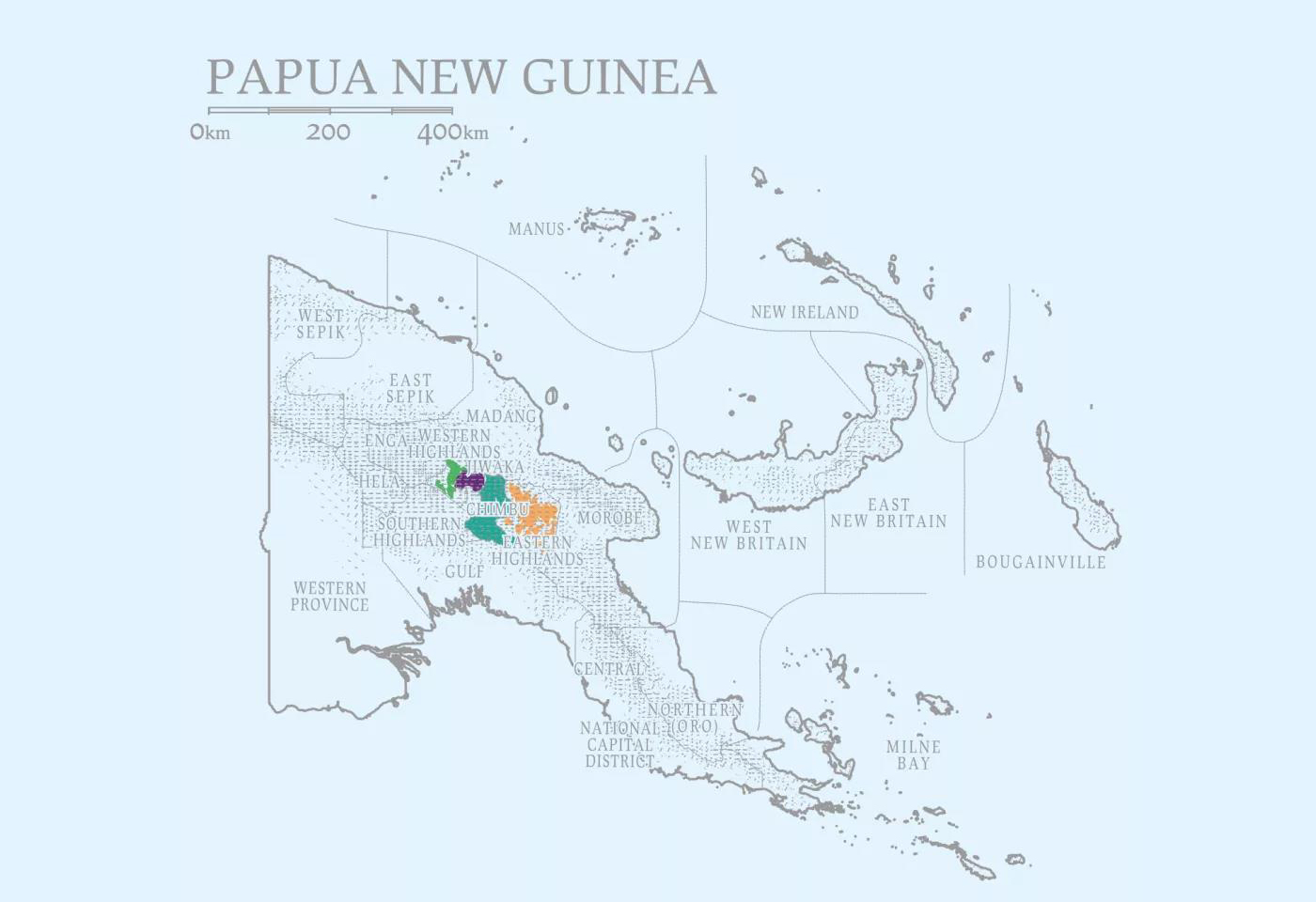
Papua New Guinea is located on the eastern part of the island of New Guinea, separated from the Indonesian western part by a straight national border. The country is commonly abbreviated as PNG, and its coffee industry is primarily concentrated in highland areas ranging from 1,300 to 1,800 meters above sea level. Due to poor transportation, most coffee farms are situated in remote mountainous regions, even hidden deep within pristine forests. Most farmers operate on a small-scale family farm basis, with approximately 75% of the coffee produced coming from these local smallholder farms. Due to transportation and cost constraints, chemical fertilizers and pesticides are rarely used locally, and most of the coffee relies on natural growing conditions, creating a unique regional flavor.
The fine coffees of Papua New Guinea mostly come from the Waghi Valley and Sigri Estate in the western highlands, as well as the Aroma, Chimi, and Aroraka estates in the eastern highlands. Among them, the Krokala Estate is one of the most representative producing regions. Since the coffee varieties in PNG are distinctly different from those in Sumatra, Indonesia, and the planting altitude is higher, coupled with the widespread use of washed processing methods, the local coffee exhibits a bright fruity acidity and floral-fruity aroma that is completely different from the spicy and herbal tones of Indonesian coffee, and is actually more similar to the flavors of Central and South American coffees.
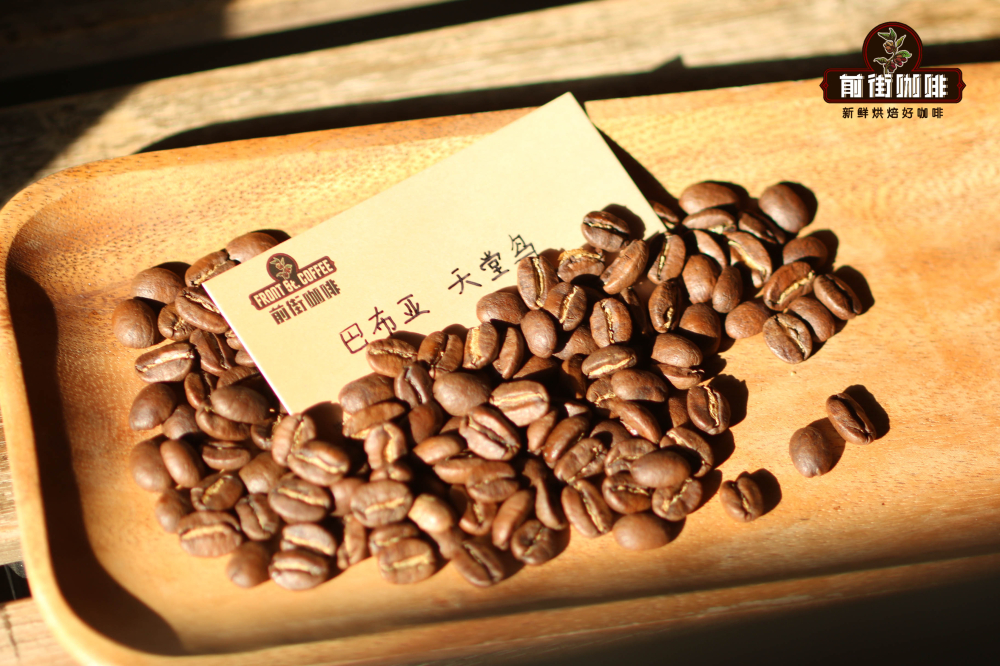
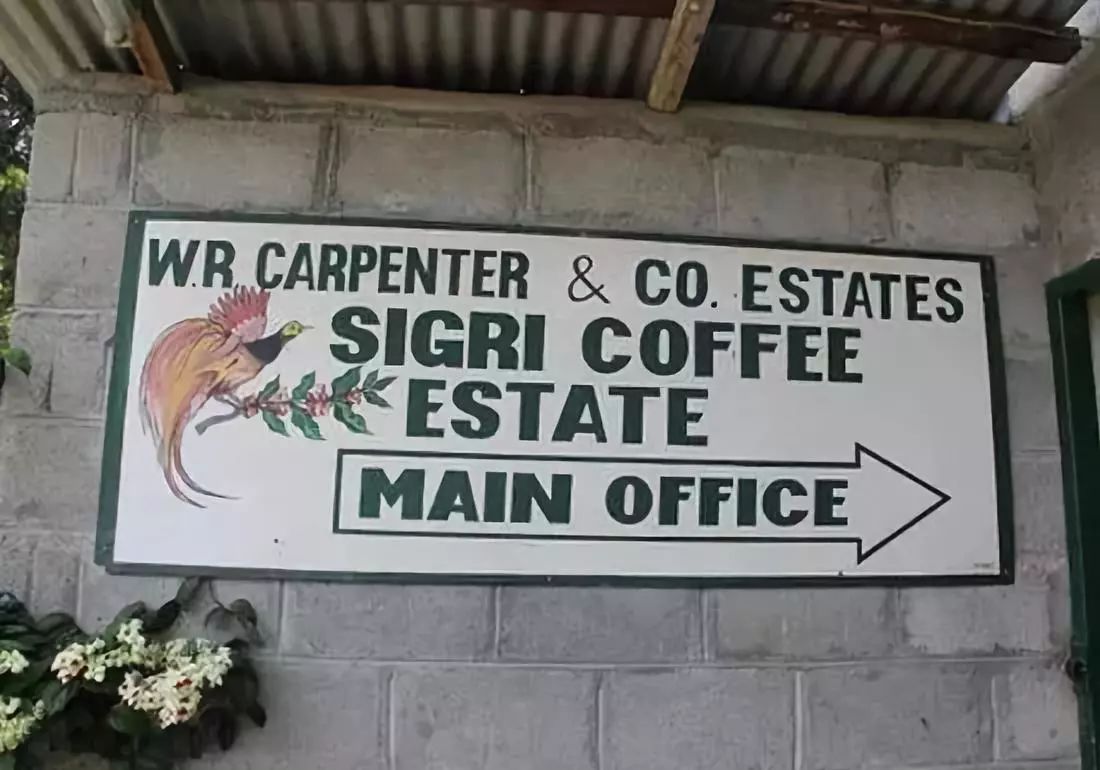
When talking about Papua New Guinean coffee, one cannot fail to mention the product widely known as "Heaven Bird Coffee" from the Sigri Estate. In fact, much of the Papua New Guinean coffee available in the domestic market comes from the Sigri and Prossa estates, whose export sacks are all printed with the image of Papua’s national bird—the Bird of Paradise—hence the origin of the term "Heaven Bird Coffee." Initially, the first batch of Papua New Guinean coffee introduced to the domestic market came from the Sigri Estate, and it was promoted under this name. Even though later sacks from the Prossa Estate also bore the same design, for ease of distinction, the latter is more often referred to by the estate’s actual name. However, the Sigri Estate has long been synonymous with the Bird of Paradise in consumers' minds, and its coffee bean quality has never disappointed, especially the batches harvested this year, which feature plump, vibrant green raw beans with excellent appearance.
Established in 1950, the Sigri Estate has a history of over 60 years and is an important pioneer in Papua New Guinea’s coffee industry. The estate is located in the Waghi Valley of the Western Highlands Province, at an altitude of about 1,500 meters, and features mineral-rich volcanic soil. Coupled with a cool climate and abundant rainfall, it provides an ideal growing environment for coffee trees. It’s worth mentioning that the Heaven Bird Estate places great emphasis on sustainable management and ecological conservation, steadfastly refusing to use pesticides or insecticides, and is committed to maintaining the surrounding bird habitats and the balance of the natural ecosystem.
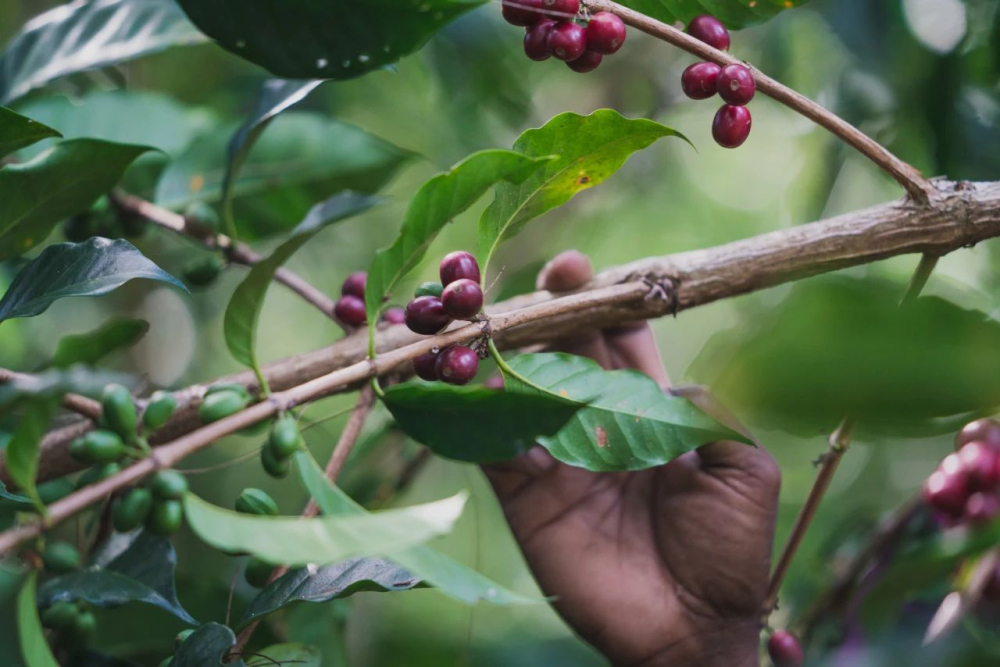
In the production process, the Sigri Estate is extremely meticulous about harvesting and post-harvest processing. The main harvesting season runs from April to September, during which only fully ripe red coffee cherries are handpicked to ensure the optimal balance of acidity and sweetness. In addition, the estate conducts daily cuppings to ensure that each batch of coffee maintains a stable and high-level flavor performance, which is also a key reason why it can rank among the world’s fine coffees.
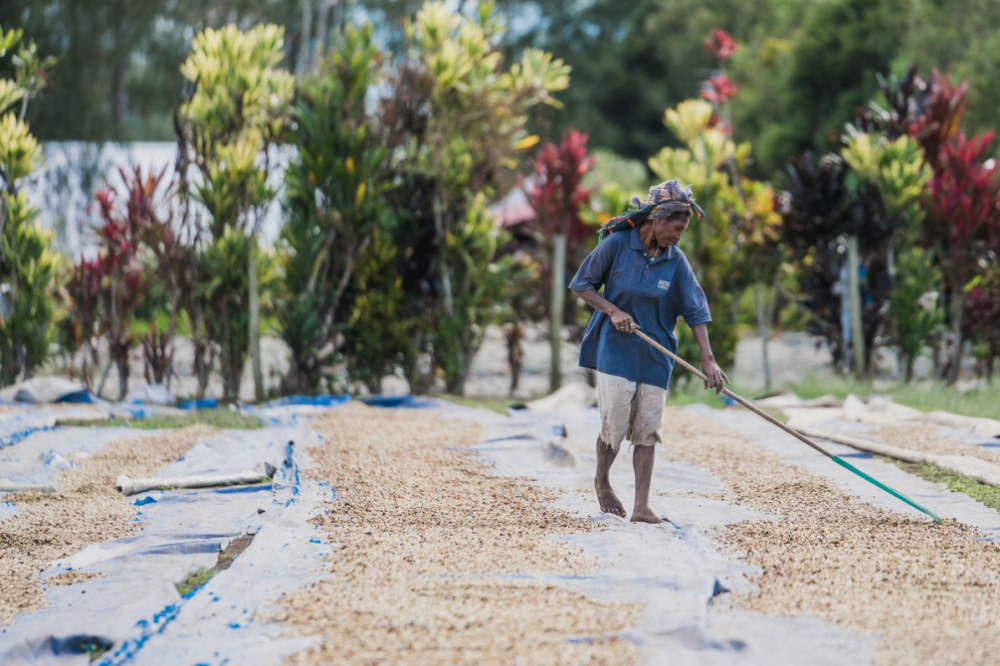
The coffee processing method in Papua New Guinea is predominantly washed, a technique that highlights bright acidity and clear fruitiness, similar to the processing logic of most fine coffees in Central and South America. Many large estates have dedicated washed processing facilities, while smallholder farmers control quality through more refined manual operations. The local washed process differs from other regions; it generally involves three rounds of water fermentation, each lasting about 24 hours, with fresh water changed each time to avoid the accumulation of impurities and off-flavors. After fermentation, the beans are then hulled and multi-graded (such as AA, AB, peaberry PB, etc.) to ensure the purity and consistency of the final product.
If you’re holding a Papua washed coffee, it can be hard to distinguish it at a glance from other high-quality washed beans, especially compared to Blue Mountain. However, by mastering the right roasting and extraction strategies, you can fully showcase its unique charm. Taking medium roast as an example, due to the relatively low density of this Typica variety, it is recommended to focus on adjusting the firepower and temperature rise rate after the first crack, enhancing the expression of its refreshing acidity and fruity aroma. The initial charge temperature is recommended to be set at 170°C, with the air damper opening and firepower needing to be gradually fine-tuned as the temperature changes, especially during the first crack development phase, where the temperature rise must be strictly controlled to stabilize flavor release. The final drop should occur at 198.5°C to achieve a fine bean with balanced sweet and sour notes and a long-lasting aftertaste.
For actual pour-over brewing, it is recommended to use a coffee-to-water ratio of 1:15—that is, 15 grams of coffee grounds to 225 grams of water—with a grind size of about 65% passing through a #20 sieve, considered medium-coarse. The water temperature should be controlled at around 88°C. It is recommended to use the KONO MEIMON filter cone for stepwise extraction: first, pour 30 grams of water in a small center circle for a 30-second bloom, during which the coffee grounds layer will gradually expand like a hamburger shape; next, the second stage involves pouring 120 grams of water in a gentle circular motion from the center outward, taking care not to over-stir; finally, add 75 grams of water for a total of 225 grams, and wait for the coffee liquid to completely drip through, with the entire extraction process taking about 2 minutes. This way, you can enjoy a rich base flavor of nuts and cocoa, accompanied by the subtle sweetness of berries and soft acidity, resulting in a well-balanced and layered mouthfeel.
The above content is compiled by CoffeeHunters, a coffee news website.


