







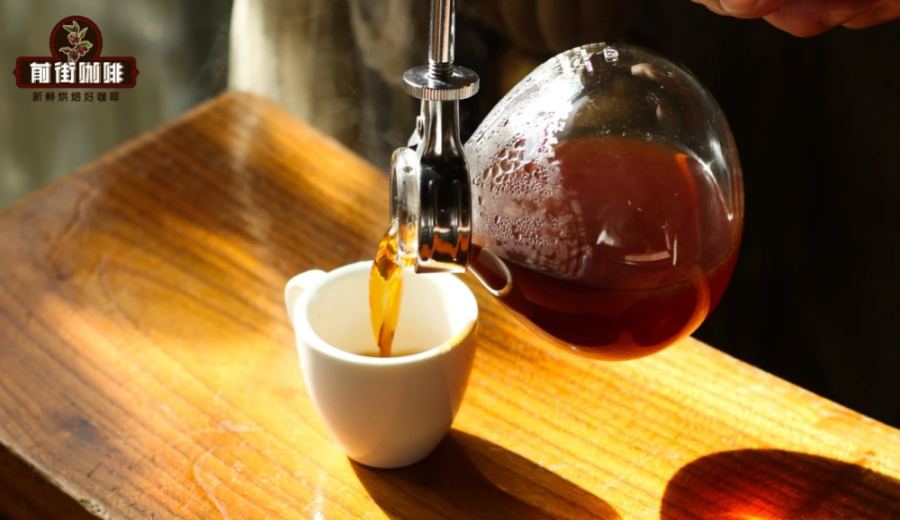
Introduction:The siphon pot is a classic brewing device known for its visual appeal and stable extraction performance. How does it perform when paired with Jamaica Blue Mountain No. 1, a coffee bean often hailed as the “King of Coffees”? This article explores the unique characteristics of the Blue Mountain coffee region and its grading system, introduces the working principles of the siphon pot, and provides a detailed walkthrough of two brewing methods—stirring and immersion—including their procedures and parameter settings. It also compares the two methods across key flavor dimensions such as chocolate, nuts, and caramel. Whether you’re a beginner or an advanced coffee enthusiast, you’ll find practical insights here.
The siphon pot first appeared in Europe in the 1830s, predating pour-over coffee by about seventy years. Invented between 1830 and 1840 by Loeff of Berlin, Germany, this glass siphon device with its upper and lower chambers utilizes the physical principle of siphoning to brew coffee. After subsequent refinements by countries such as France, Britain, and Germany, the siphon pot gradually spread to Japan and Denmark, reaching peak popularity in the 1950s. To this day, it remains a classic favorite among many coffee lovers.
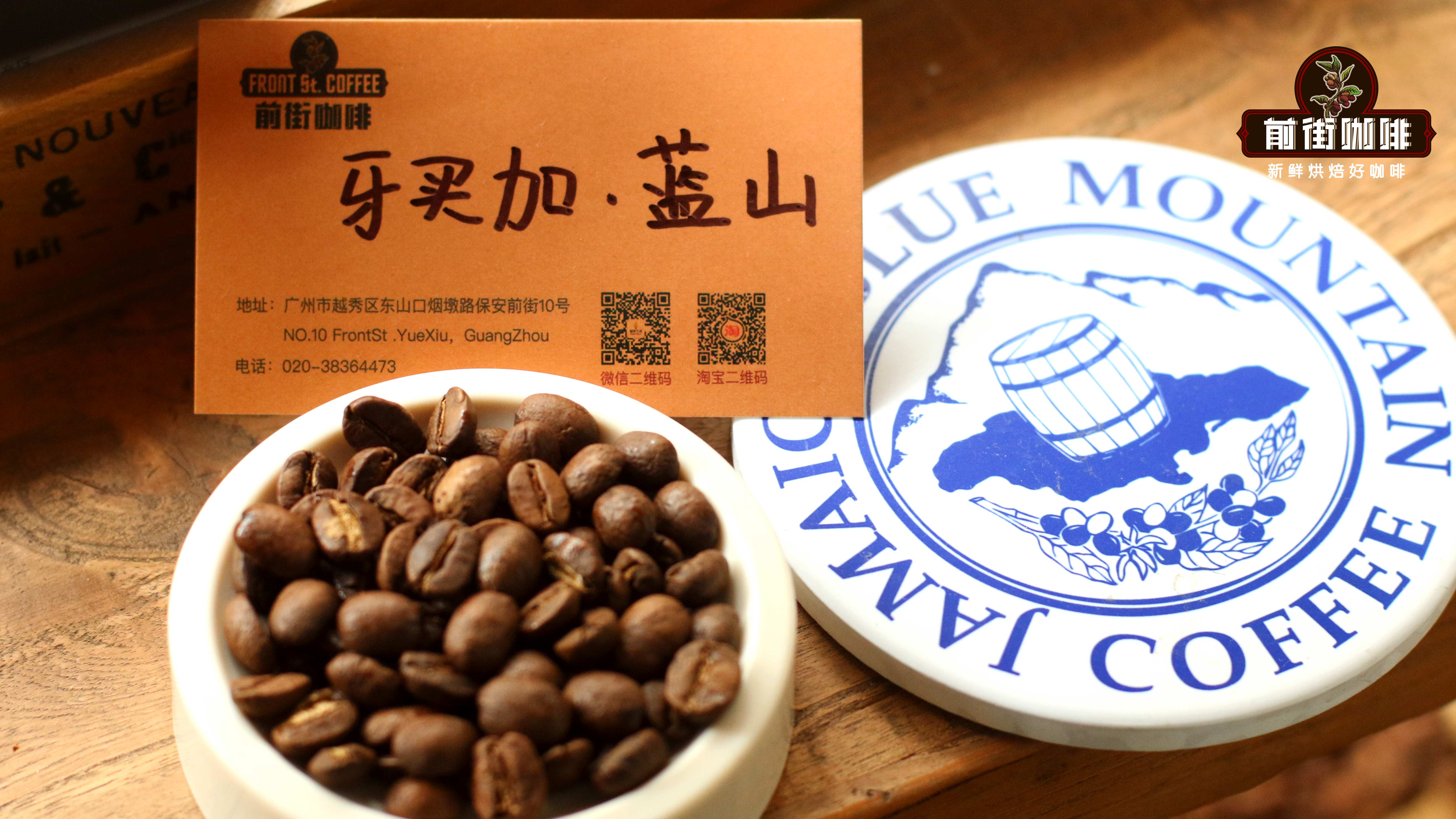
Jamaica Blue Mountain coffee, one of the world’s most renowned single-origin coffees, is grown in the Blue Mountains, nestled within the embrace of the Caribbean Sea. The region earned its name from the unique blue-tinted hues cast on the mountain slopes as sunlight reflects off the azure waters. However, not all coffee grown in the Blue Mountain region can be called Blue Mountain coffee. Based on cultivation altitude and green bean specifications, the Blue Mountain region is divided into three main categories: Blue Mountain coffee, High Mountain coffee, and Prime coffee. These are further classified into four grades—No. 1, No. 2, No. 3, and PB—according to bean size and defect rate. Among them, Jamaica Blue Mountain No. 1 beans are defined as high-quality beans grown at elevations between 1,000 and 1,700 meters, with a bean size of 17/18 mesh and a defect rate below 2%. This grade is widely recognized as offering the most exceptional flavor profile.
Jamaica Blue Mountain No. 1 typically features a rich nutty profile, with a smooth mouthfeel and layered complexity. Due to its high market value and refined flavors, many beginners worry about failing to fully express its balanced acidity, sweetness, and full body when using pour-over methods. As a result, the siphon pot—an intuitive and stable brewing device—has become a popular choice.
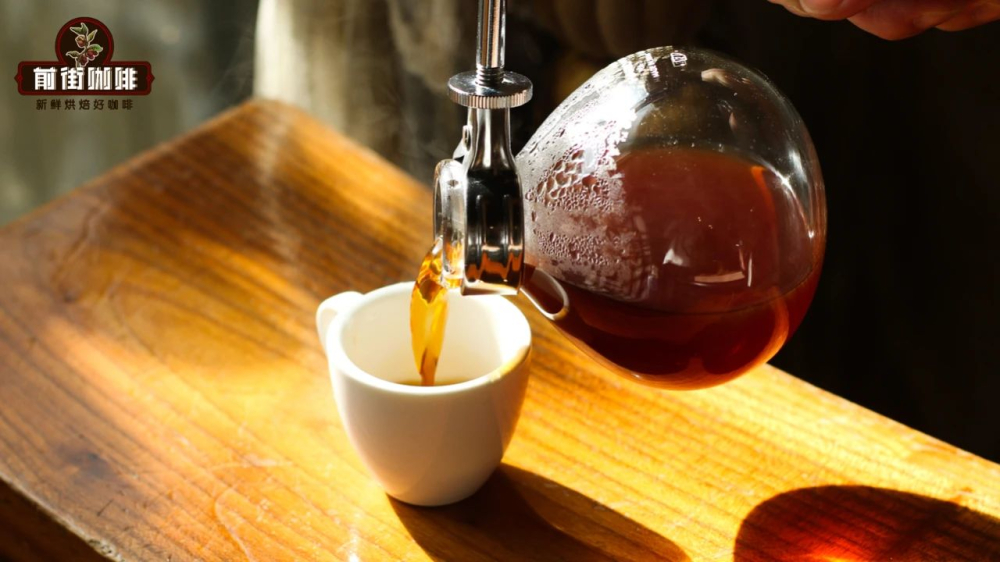
The basic structure of the siphon pot consists of a lower chamber and an upper chamber. The lower chamber is a spherical vessel that holds water and the final brewed coffee, often marked with volume indicators corresponding to cup counts. The upper chamber is cylindrical and serves as the key area where hot water and coffee grounds interact during extraction. The entire setup operates based on the principle of siphoning: the lower chamber is heated, generating steam pressure that pushes hot water up through the connecting tube into the upper chamber, where it mixes with the coffee grounds for extraction. Once the heat source is removed, the lower chamber creates a partial vacuum, causing the brewed coffee to flow back down while the coffee grounds are retained by the filter cloth in the upper chamber, completing the brewing process.
Below are two common siphon pot brewing methods, both demonstrated using Jamaica Blue Mountain No. 1. The parameters are as follows: a 1:10 coffee-to-water ratio, 20 grams of coffee grounds, water temperature controlled at 90°C, and grind size medium-fine (refer to EK43s grinder setting 9, or approximately 85% passing rate through a Chinese standard No. 20 sieve).
[Method 1: Stirring Method]
Add 200 grams of water to the lower chamber. Once the water reaches 90°C, attach the upper chamber. As the hot water rises into the upper chamber, add the coffee grounds and gently stir to ensure even contact between the grounds and water. At around 30 seconds, perform a cross-shaped stir to break up the crust that may form on the surface of the grounds, promoting more uniform extraction. At 56 seconds, remove the heat source and let the coffee liquid naturally flow back into the lower chamber. The total brewing time, measured from the moment the grounds are added, is approximately 1 minute and 8 seconds.
[Method 2: Immersion Method]
This method also uses 200 grams of water and the same amount of coffee grounds, with the water temperature set to 90°C. Once the water rises into the upper chamber and mixes with the coffee grounds, let it steep for about 1 minute before removing the heat source and allowing the coffee liquid to flow back. The total brewing time is 1 minute and 32 seconds. A medium-fine grind is recommended here to balance extraction efficiency and flavor expression.

In terms of actual flavor profiles, the two methods each have their distinct characteristics. With the stirring method, Jamaica Blue Mountain No. 1 tends to present a bold dark chocolate flavor as the dominant note, with a rich and full-bodied mouthfeel. As the temperature slightly cools, you may detect a subtle pu’er tea-like finish. Meanwhile, the immersion method yields a coffee with more pronounced caramel aroma, and as it cools, offers a softer nutty profile with a relatively cleaner taste and more direct sweetness.
Overall, the stirring method leans toward a bold and robust flavor profile, making it ideal for those who prefer a heavier body and deeper layers of taste. The immersion method, on the other hand, delivers a relatively lighter, brighter cup with a more pronounced sweetness, suitable for those who enjoy a more vibrant and smooth drinking experience.
Additionally, since the siphon pot operates under continuous heat, it’s recommended to maintain the water temperature between 86 and 94°C to ensure consistent and stable extraction. Even beginners can use the siphon pot to brew fragrant, full-bodied Blue Mountain coffee with just a grasp of the basics. Lastly, remember to clean the filter cloth after each use and replace it regularly to prevent residual oils or impurities from affecting the flavor of future brews.
The above content is compiled by CoffeeHunters, a coffee news website.


