







Introduction:The Huila region of Colombia is renowned for its high altitudes and diverse microclimates, producing specialty coffees with berry-like flavors and caramel sweetness. This article delves into the region’s geographical conditions, notable varieties such as Sidra and Maragogype, and provides a detailed breakdown of the flavor profile of washed Huila beans along with pour-over brewing tips. It also includes a cold brew method to help you fully grasp everything from the origin background to home extraction.
Thanks to its terrain where the Andes Mountains intersect with tropical highlands, Colombia has become a major global producer of premium washed Arabica coffee. Among these, the Huila region stands out for its delicate acidity, bright berry aromas, and rich caramel finish, earning long-standing acclaim among specialty coffee enthusiasts. This article will explore the region’s environment and historical background to analyze the unique flavors of Huila coffee, while guiding readers on how to fully showcase its complexity through pour-over and cold brew methods.
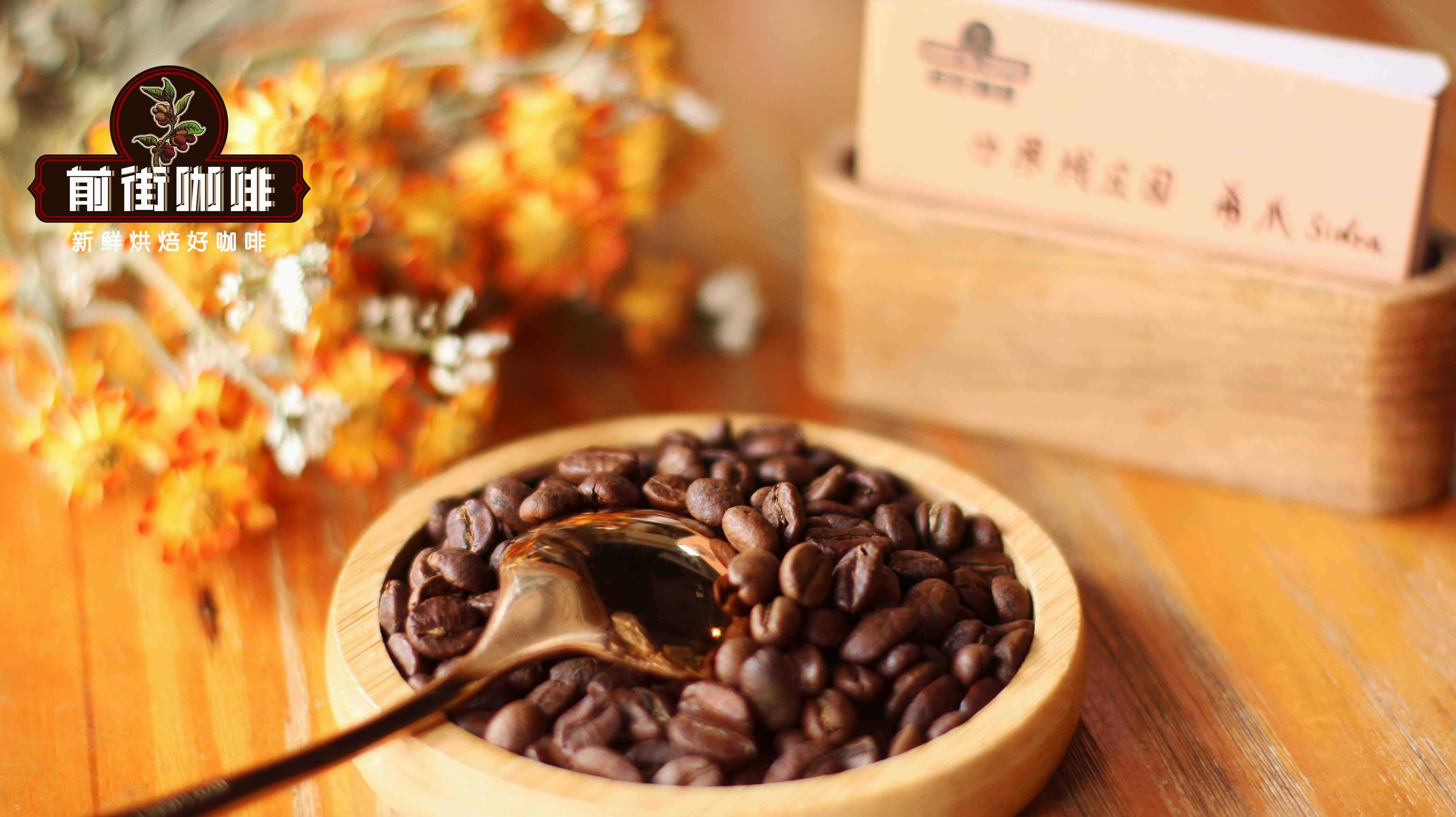
The diverse charm of Colombian coffee stems from its north-south mountain ranges and varied microclimates. The country’s main coffee-growing regions can be broadly divided into the northern "MAM" (Medellín, Armenia, and Manizales) and the southern high-altitude premium belt, the latter with elevations generally exceeding 1,500 meters, including areas like Santa Rosa de Cabal in Huila and Popayán in Cauca. Coffees from these regions often exhibit nuanced fruit acidity, berry aromas, and pronounced sweetness—key characteristics that distinguish them from other Central and South American coffee-producing countries.
Focusing on the Huila region, it is located in southwestern Colombia, surrounded by the central and eastern parts of the Andes Mountains, with most coffee farms situated around the Magdalena Valley. Due to the complex terrain, microclimates vary significantly across the area. Coupled with cultivation conditions at altitudes of 1,200 to 1,800 meters and volcanic soils rich in nitrogen, these factors create the foundation for the rich and balanced flavor profile of Huila coffee.Coffees from this region often display aromatic layers of nuts, chocolate, and caramel, with a gentle yet vibrant acidity.Some farms have even received multiple accolades at the COE (Cup of Excellence) international competition.

Looking back at the history of Colombian coffee, its cultivation dates back to 1723 (legend has it that it was introduced by Jesuit priests), but it wasn’t until the late 19th century that production began to scale up significantly. By 1912, coffee had become one of the country’s major export commodities. Unlike other coffee-growing regions, Colombia has placed particular emphasis on branding—the fictional farmer character “Juan Valdez” and his mule have become highly recognizable marketing symbols in the global market, successfully enhancing the cultural added value of Colombian coffee.
Currently, Colombia is the world’s third-largest coffee producer (Vietnam primarily produces Robusta), and according to 2019 data from the FNC, its washed Arabica production ranked first in the world. As one of the country’s largest coffee-producing regions, Huila Province produced 2.6 million bags (each bag weighing 60 kg) of coffee beans in 2016, accounting for 18% of the national total, with a cultivated area of 154,800 hectares, and frequently yielding high-quality competition-grade beans.
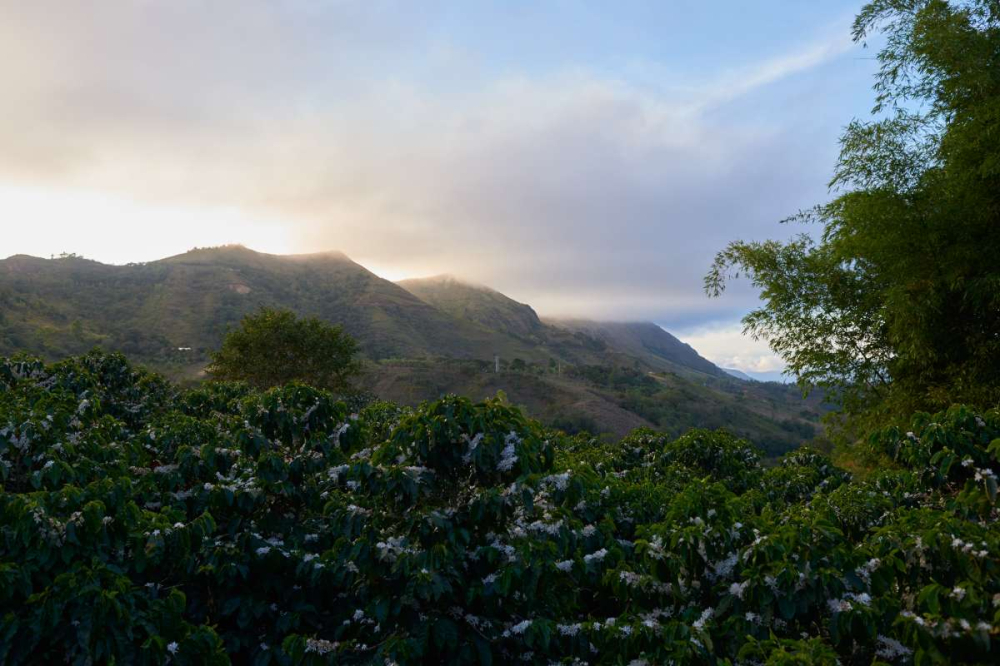
The flavor characteristics of Huila coffee are inseparable from its growing environment. The region’s temperatures range between 17–23°C, and the high altitude brings long daylight hours and significant day-night temperature variations, which slow down the ripening process of coffee cherries and allow for the accumulation of richer flavor compounds.Typical washed Huila beans are predominantly of the Caturra variety, offering a balanced and full-bodied mouthfeel. Upon tasting, they present distinct chocolate and caramel sweetness, with subtle soft fruit acidity emerging at lower temperatures, and a long, structured aftertaste.Compared to other regions, its flavor profile leans more toward a “gentlemanly” style—refined and layered.
Taking commonly available everyday-grade washed Huila beans as an example, the recommended standard pour-over parameters are as follows: use a KONO filter, water temperature at 88°C, coffee-to-water ratio of 1:15 (15 grams of coffee to 225 grams of water), and grind size at 80% extraction through a Chinese No. 20 standard sieve (close to a medium-fine grind). The specific technique is as follows: start with a 30-second bloom using 30 grams of water, then pour in a small circular motion until reaching 125 grams for the first pour. When the water level is about to expose the coffee bed, continue pouring to 225 grams. The total extraction time should be controlled to exactly 2 minutes. These parameters highlight the coffee’s sweetness and balance, but users can fine-tune the water flow and timing based on personal taste preferences.
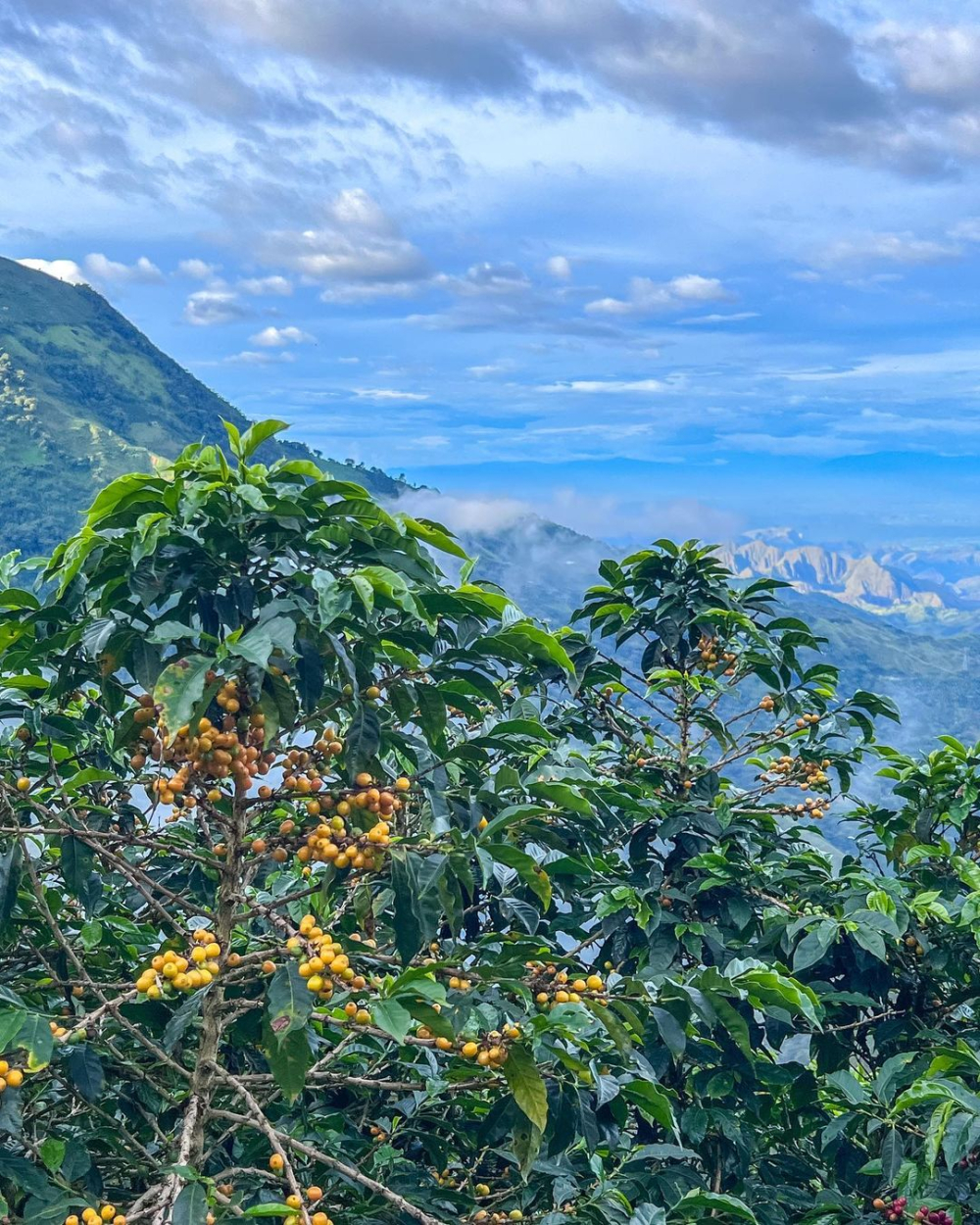
The variety diversity of the Huila region is also noteworthy. In addition to the mainstream Caturra, varieties such as Sidra and Maragogype, which have gained attention in recent competitions, are increasingly catching the market’s eye. Sidra boasts distinctive floral notes and a juice-like mouthfeel, making it suitable for various brewing methods such as pour-over and moka pot; Maragogype is known for its large bean size and rich, bold profile. Both varieties are typically medium-roasted, offering strong compatibility and suitability for both cold brew and pour-over.

If you want to experience the juicy richness of Sidra, cold brew is a simple and excellent choice. Prepare 60 grams of medium-coarse ground (similar in texture to granulated sugar) Sidra coffee beans, pour them into a cold brew container, then add 600 milliliters of room-temperature water. Stir thoroughly to ensure even saturation, seal the container, and refrigerate for 8 to 12 hours. Afterward, filter out the coffee grounds using paper filters, and you’re ready to enjoy a cold brew coffee that is refreshing, low in acidity, and boasts long-lasting aromas.
The above content is compiled by CoffeeHunters, a coffee news website.


