







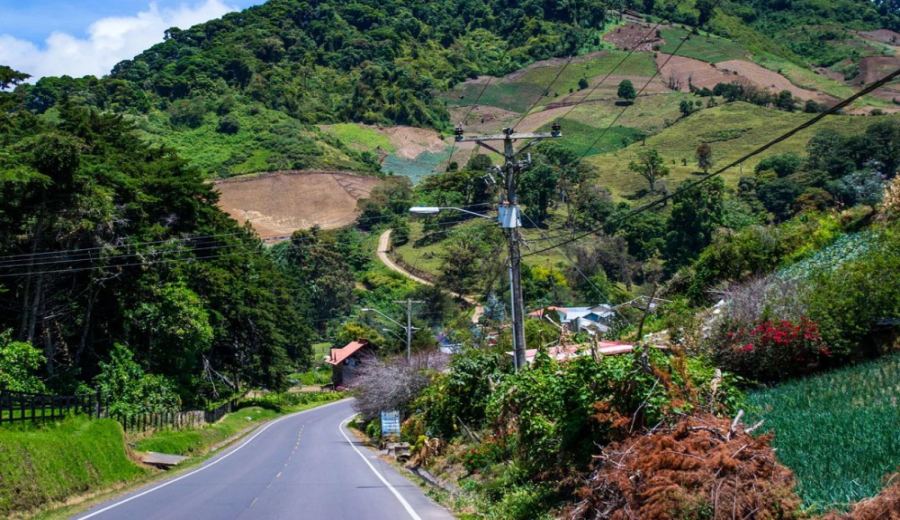
Introduction:Want to understand the unique flavor profiles of coffee beans from different regions but not sure where to start? This article provides an in-depth analysis of the terroir, altitude influence, and representative varieties of five major coffee-producing regions in the Americas — Panama, Colombia, Costa Rica, Brazil, and Honduras. It also introduces classic varieties such as Geisha, Sidra, the Musician Series, and Red & Yellow Bourbon, helping you find the most suitable coffee beans based on your brewing preferences and taste needs.
Coffee beans from the Americas are generally grown at high altitudes between 1600 and 1700 meters. This elevation creates significant diurnal temperature variations, extending the ripening period of coffee cherries and increasing bean density with a tighter structure. Cupping observations show that such coffees often exhibit gentle acidity, high cleanliness, and medium body. However, even within the Americas, each country presents vastly different flavor profiles due to differences in geology, climate, and varieties. This article focuses on Panama, Colombia, Costa Rica, Brazil, and Honduras, detailing the natural conditions and cultivation characteristics of each region, and recommending representative coffee varieties and processing methods to help you better understand the diverse world of coffee from the Americas.
Panama: Delicate Geisha Nurtured by High-Altitude Microclimates
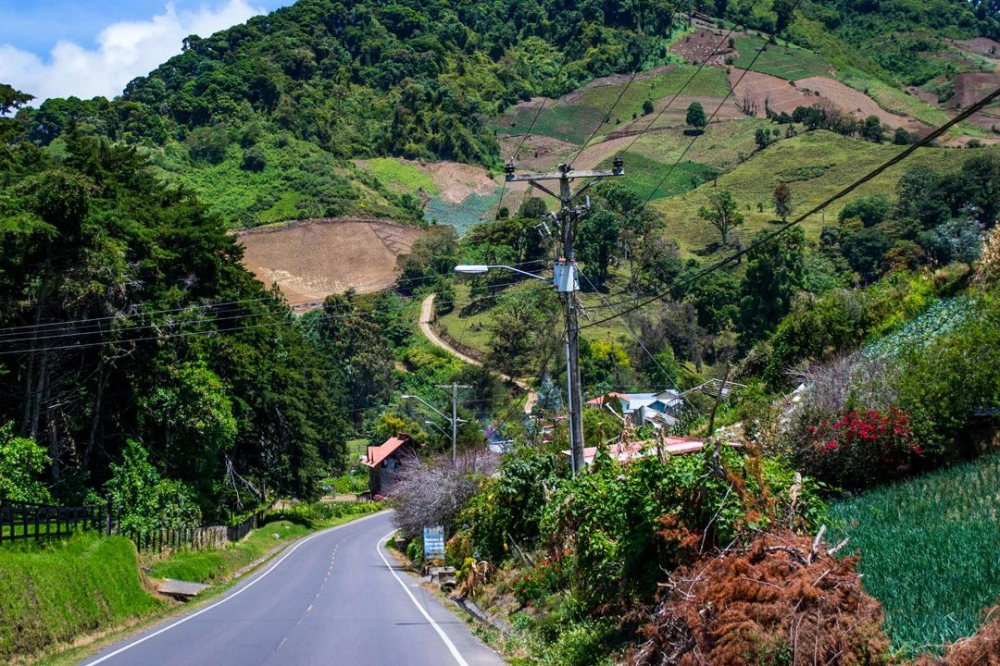
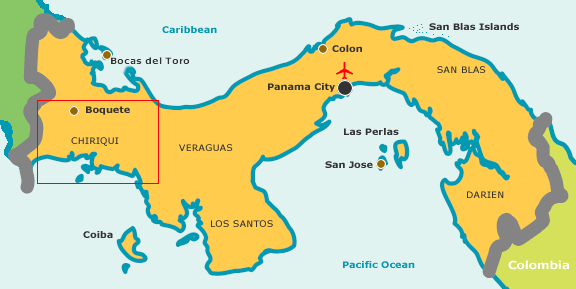
Located at the southernmost tip of Central America, Panama borders the Caribbean Sea to the east, the Pacific Ocean to the west, Costa Rica to the north, and Colombia to the south, occupying a strategic isthmus position. Its unique geography gives rise to diverse microclimates, endowing Panamanian coffee with distinctive regional flavors. Cupping reveals beans with a full body yet slightly lighter weight, gentle acidity, and overall balanced performance. Major producing regions include Boquete, Volcán, Santa Clara, and Piedra de Candela.
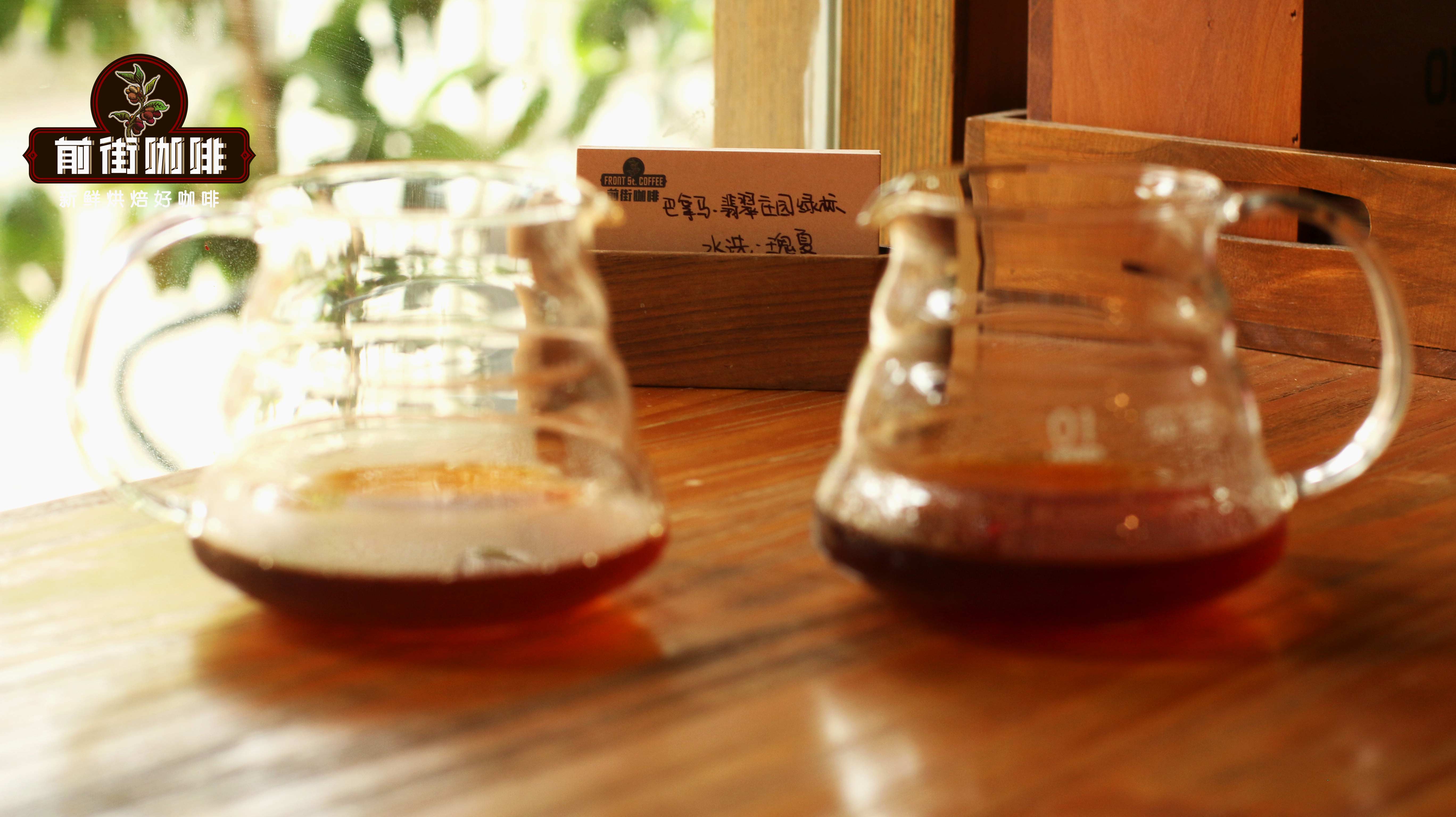
Boquete, at an altitude of about 1450 meters, is the core coffee-producing area of Panama, home to many renowned farms such as Hacienda La Esmeralda, Kotowa, and Elida Estate. Volcán sits at an even higher altitude, between 2000 and 3000 meters, with a cool climate yielding mild and balanced coffee flavors that have recently gained increasing attention in the international market, among which the coffee from the Barú Volcano is the most representative. Santa Clara benefits from its proximity to the Panama Canal and waterfall water sources, aiding in both coffee transportation and cultivation. Piedra de Candela is a micro-region within Volcán, at around 1200 meters altitude, and shows great potential. Among them, the Natural Green Label Geisha from Hacienda La Esmeralda in Boquete and the Wine Processed coffee beans from Hartmann Estate in Volcán are considered classic examples of Panamanian coffee.
Hacienda La Esmeralda Geisha: A Cupping Competition Legend
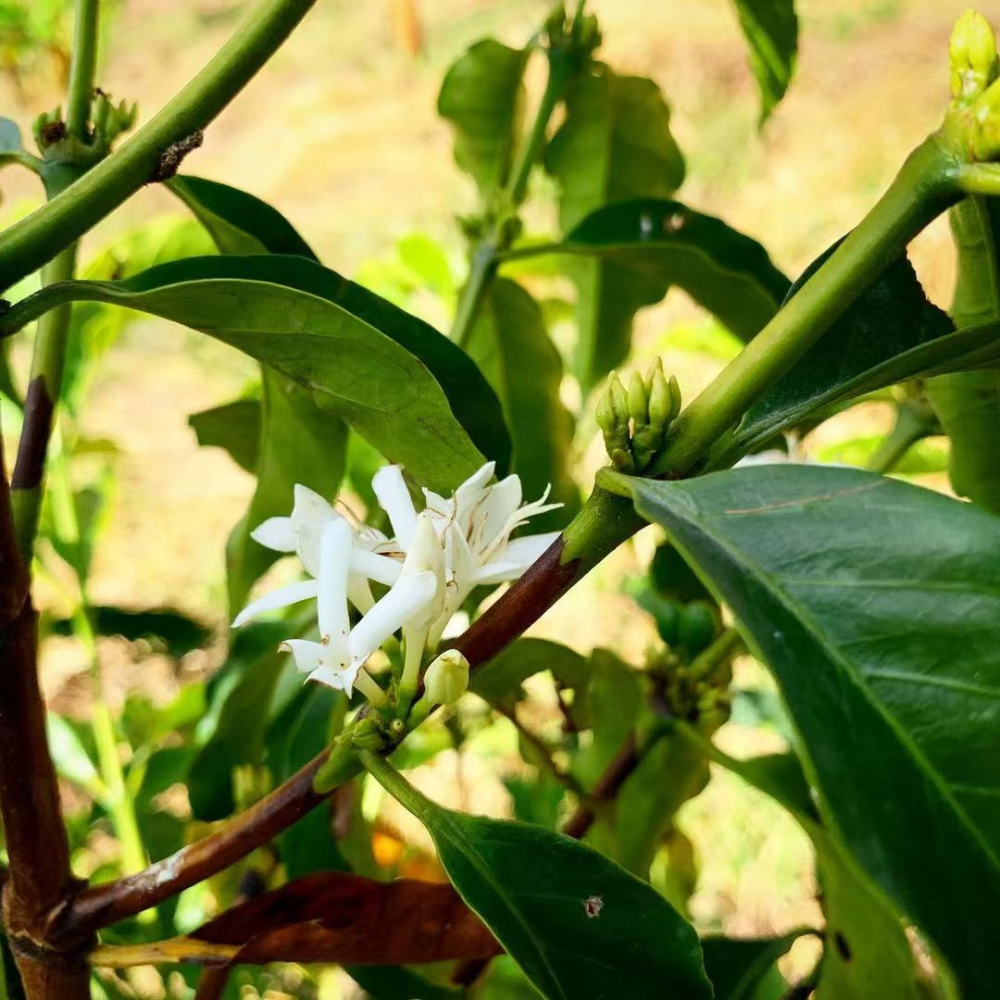
The Geisha variety at Hacienda La Esmeralda originated from the Gesha forest in Ethiopia, where it was discovered in 1931. It later traveled through Kenya, Uganda, Tanzania, and Costa Rica before being introduced to Panama around 1960. Initially overlooked due to its low yield and slender appearance, it wasn’t until 2004 when Hacienda La Esmeralda entered it as a standalone entry that it shot to fame at the Best of Panama (BOP) competition with its unique floral, fruity notes, and bright acidity, setting a then-record price of $21 per kilogram. Its Natural Green Label version delivers a lemony acidity and jasmine aroma upon entry, transitioning to passion fruit and strawberry juice flavors as it cools, with a honey-like, lingering aftertaste. The cup is full-bodied and silky smooth — a must-try classic for pour over enthusiasts.
Colombia: Diverse Regions, From Full-Bodied to Fermented Flavors
Colombian coffee-growing regions can be divided into two main blocks: central and central-southern. The central region is represented by Medellín, Armenia, and Manizales, at around 1000 meters altitude, classified as commercial bean regions. These coffees are low in acidity, full-bodied, and sweet, similar to Indonesian Mandheling. The central-southern region includes Huila, Tolima, Cauca, and Nariño, hubs for specialty coffee, with multiple regions having received SCAA’s annual excellence awards.
Huila, at over 1500 meters altitude and surrounded by mountains with abundant water resources, showcases distinct nutty, chocolatey, and caramel notes in cupping. Tolima farms are mostly small or medium-sized cooperatives, offering coffee with soft berry acidity and nutty-cocoa profiles. Cauca, a certified origin of coffee, reaches up to 2100 meters in altitude, contributing to its outstanding acidity and sweetness. Nariño, located in southwestern Colombia, grows coffee between 1600–2300 meters in cloud forests, where volcanic soils produce beans with a delicate, round shape and flavors of walnut with subtle sweetness. Among them, the Sidra coffee beans from Huila, processed via anaerobic natural method, exhibit passion fruit, grape, and apricot aromas, with a noticeable tropical fruit fermentation character on the palate, and a smooth almond-like aftertaste.
Costa Rica: Volcanic Soil and Meticulous Processing
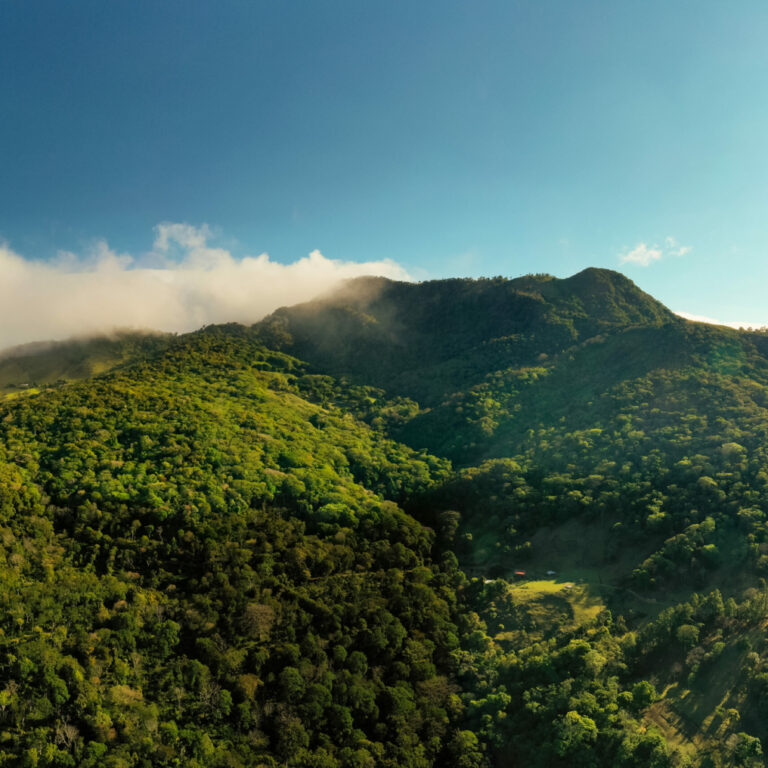
Costa Rica boasts eight main producing regions, with Tarrazú and Central Valley being the most famous. Tarrazú prohibits the use of chemical fertilizers and pesticides, relying on manual harvesting and selection throughout the process. Cupping reveals intense chocolate and nut aromas, balanced acidity, and a smooth mouthfeel. The Beethoven variety from the Musician Series, processed using washed Yellow Caturra, combines strawberry juice-like sweet-tartness with vibrant citrus acidity, finished with almond and floral notes, delivering a layered complexity reminiscent of a musical composition.
Central Valley, located near the capital San José at 1200–1600 meters altitude, is surrounded by three volcanoes that provide fertile soil and a stable microclimate. Cupping highlights chocolate, nut aromas, and soft berry acidity, with rich sweetness. The Blackberry coffee beans, made from the Caturra variety and processed with honey, showcase berry, tropical fruit, and fermented wine notes, with pronounced honey and cocoa aftertastes. The cup is smooth and well-layered.
Brazil: Low-Altitude Soft Beans with Rich Chocolate Notes
Due to its flat terrain and generally low altitudes, Brazil lacks pronounced microclimates. With most coffee grown using sun-dried methods, its beans are less dense, with muted acidity, but they deliver intense nutty, chocolatey aromas and a full-bodied, creamy mouthfeel. Major producing regions include Minas Gerais, São Paulo, Bahia, and Espírito Santo, accounting for 90% of the country’s exports. Among them, South Minas, Cerrado, and Mogiana are the key sources of specialty beans.
South Minas, at over 1100 meters altitude with large diurnal temperature variations, is suitable for cultivating Bourbon and Yellow Bourbon, yielding delicate flavors. Cerrado, at 1100–1300 meters, has fertile soils producing coffee that is sweet and full-bodied without earthy undertones. Mogiana combines traditional and modern farming methods, resulting in coffee with a sugarcane-like sweetness. Recommended are the Queen Estate Yellow Bourbon and Cerrado Red Bourbon: the former, processed with pulped natural (semi-washed), offers pronounced sugarcane sweetness along with nutty and dark chocolate notes in the finish; the latter exhibits obvious sweetness, lemon aroma, and rich nutty and dark chocolate tones. Pulped natural processing lies between natural and washed methods, enhancing cleanliness and consistency in ripeness by controlling mucilage fermentation.
Honduras: Mountain Microclimates and Unique Fermented Processes
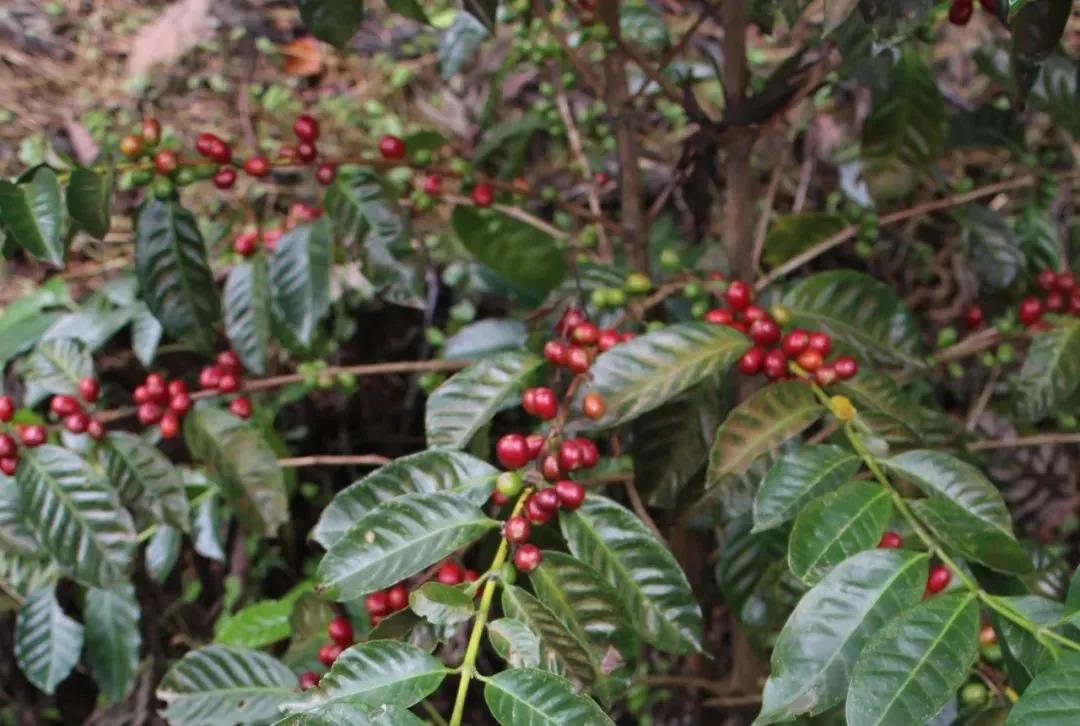
Honduras features a mountainous terrain with abundant microclimates and high-altitude environments ideal for specialty coffee cultivation. Major producing regions such as Copán, Opalaca, Montecillos, and Marcala are mostly above 1100 meters in altitude. Coffee from Copán is characterized by nutty, creamy, chocolatey, and walnut notes, commonly processed as washed Caturra. Additionally, Marcala is known for its wine barrel-fermented coffee, showcasing unique layered flavors. Red Catuaí, a natural mutation of Bourbon, is disease-resistant and thrives at high altitudes. Cupping reveals moderate acidity, a smooth mouthfeel, and a balance of sweetness and body, making it easy to blend with other varieties.
The above content is compiled by CoffeeHunters, a coffee news website.


