







Introduction:Want to dive deep into the uniquely flavorful Yirgacheffe coffee? This article starts with the natural environment of Ethiopia’s Yirgacheffe coffee-growing region, detailing how high altitude and plateau climate contribute to its bright, citrusy, and floral characteristics. It also explores in depth the critical influence of the washed processing method on flavor. Practical pour over parameters and three-stage pouring techniques are provided to help you easily recreate a clean, vibrant, and layered Yirgacheffe cup at home.
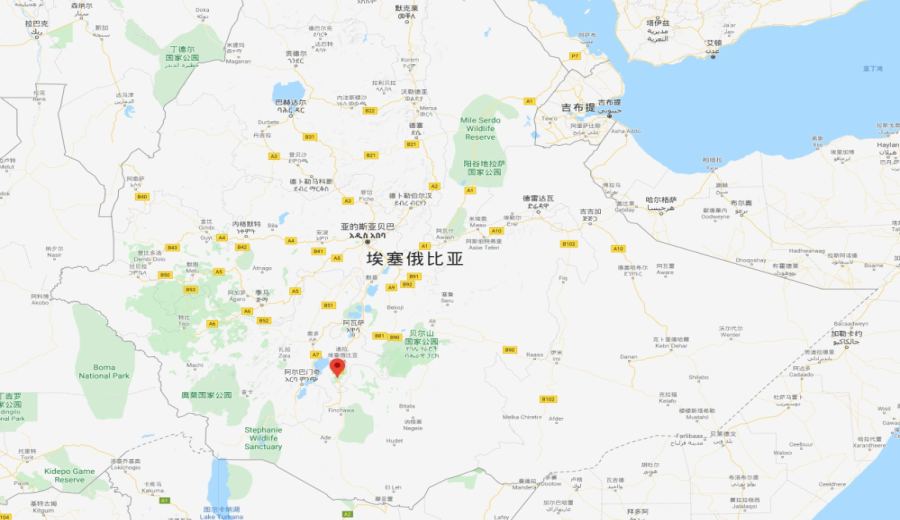
Yirgacheffe is a renowned coffee-producing region in southern Ethiopia, famous worldwide for its distinctive citrus, floral, and tea-like flavors. It is considered a "holy land of specialty coffee" by many coffee enthusiasts. This small town in the Gedeo region is not only the birthplace of the coffee beans that share its name but also one of the most representative regions in the global specialty coffee market.
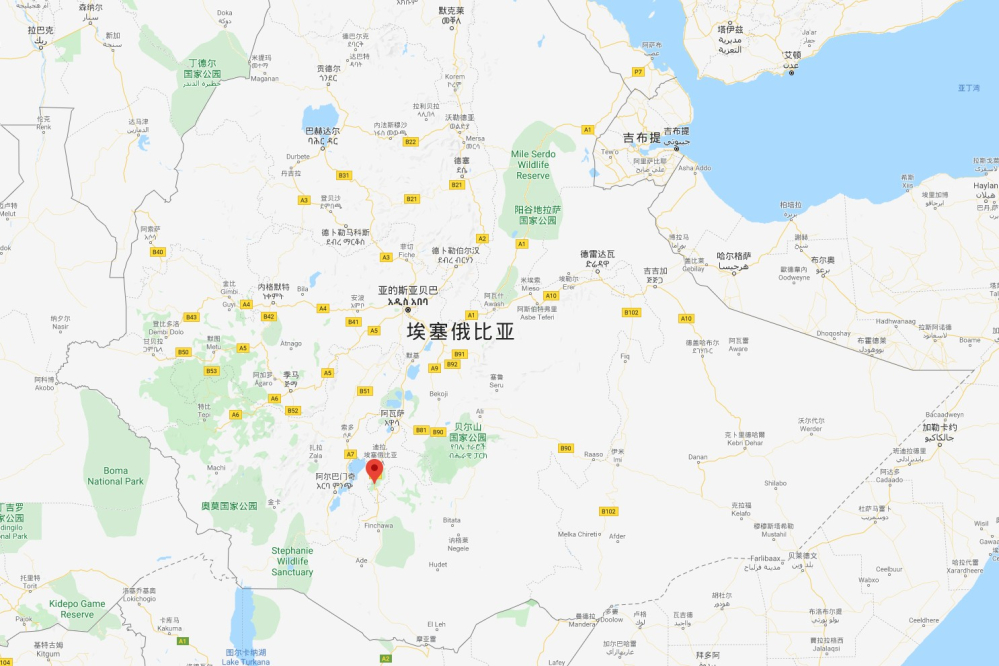
As the birthplace of coffee, Ethiopia boasts naturally superior conditions. The country is mostly plateau terrain, with most regions situated at an average altitude of nearly 3,000 meters on the Ethiopian Highlands. The East African Rift Valley runs north to south, creating complex and varied microclimates. Although located in the tropics, the temperature range is about 9.7°C to 25.5°C due to elevation differences, averaging around 16°C throughout the year—very suitable for Arabica coffee growth. Especially in high-altitude environments, coffee cherries ripen more slowly, aiding in the accumulation of flavor compounds and resulting in the delicate, multi-layered taste of Yirgacheffe coffee beans.
The rainfall distribution here is also ideal, with two distinct rainy seasons each year: the main rainy season from June to September and the minor rainy season from February to May, providing a stable water supply for coffee tree growth. Such unique geographical and climatic conditions enable Yirgacheffe to produce coffee beans with clear flavors and elegant aromas, also establishing its status in the global specialty coffee market.
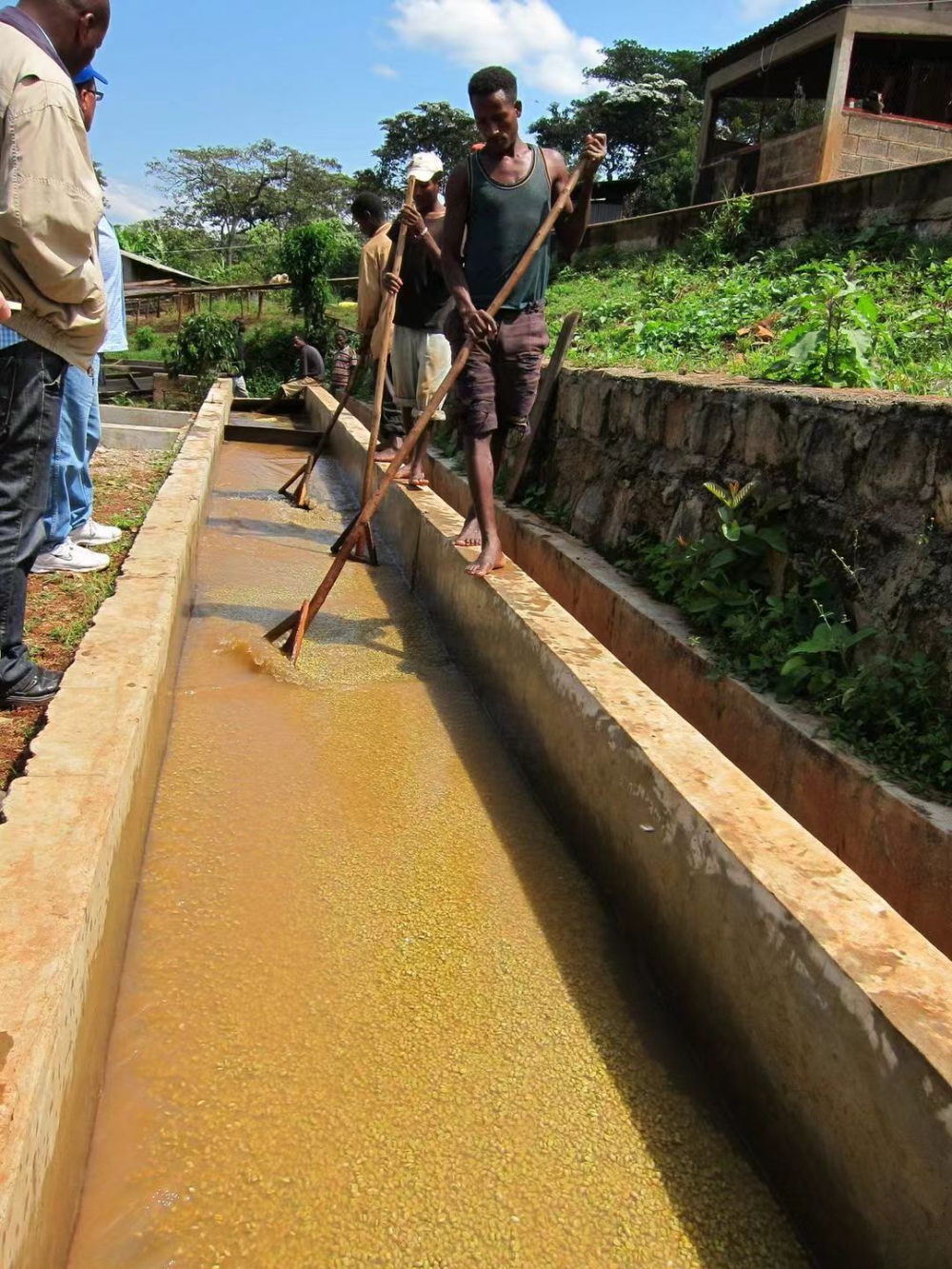
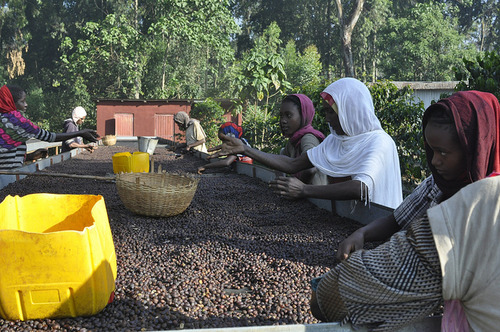
The reason Yirgacheffe coffee has such a distinct flavor profile is not only due to its exceptional environment, but the washed processing method also plays a key role. It was not until the 1970s that the area gradually shifted from traditional sun-drying methods to washed processing. Compared to the natural process, washed processing requires a stable water source and a more rigorous procedure, but it effectively reduces defect rates and improves bean consistency and overall quality.
During washed processing, after the coffee cherries are depulped, they enter fermentation tanks for a short fermentation period, then are repeatedly rinsed with clean water to remove the remaining mucilage layer. This method allows for more precise control of fermentation levels, reducing the occurrence of undesirable flavors while highlighting the coffee’s inherent acidity and aroma, giving Yirgacheffe its bright citrus notes, delicate floral scents, and clean aftertaste.
This washed Yirgacheffe is produced using this very process. With a medium-light roast, it showcases a harmonious combination of citrus, lemon, white floral notes, and honey sweetness. The cup is clean and layered, perfect for savoring through pour over. Its green beans typically appear uniformly green with no obvious impurities, a typical characteristic of high-quality washed beans.
To brew excellent Yirgacheffe at home, you can refer to the following field-tested pour over parameters: use a V60 filter cone, control the water temperature at 90–91°C, use a coffee dose of 15 grams, with a 1:15 coffee-to-water ratio, and a grind size about the size of fine sugar (sieve about 80% fine powder through a #20 sieve). This combination fully highlights Yirgacheffe’s balanced acidity and sweetness along with its aromatic expression.
For specific brewing steps, it is recommended to use a three-stage pouring technique: first, pour about 30 grams of water (approximately twice the coffee dose) for the bloom, for around 30 seconds. This helps awaken the beans and release initial aromas. Then, pour with a thin stream in circular motions from the inside out until the total water volume reaches 125 grams, then pause to allow the coffee liquid to drip for a moment. Finally, continue pouring in the same manner up to 225 grams. The total brew time is about 2 minutes. After brewing, gently swirl the server to mix the coffee evenly, and start tasting from a high temperature, gradually experiencing its flavor evolution.
Through the above method, you can not only reproduce the clean acidity and delicate floral notes of Yirgacheffe beans, but also experience its unique tea-like body and aftertaste. It is an excellent choice for beginners entering the world of specialty coffee pour over.
The above content is compiled by CoffeeHunters, a coffee news website.


